
Department guide · Post
Where the rushes become the film: edit, sound, colour and delivery.
Post-production cuts the footage, finishes the picture and sound, and delivers the master to the broadcaster, platform or distributor.

Learning path · free · 18 films
Prompting and directing AI shots
Direct generative video like a film-maker: one prompt skeleton, shots driven by reference, continuity from assets, and hybrid live action. Last checked 11 November 2026.

Watch: Post-production
8 items EditRave: Closing Ceremony - Big Editing Challenge Awards (Dec. 3 - 10 am PT)This Guy Edits · Lesson
 EditRave: Documentary Editing w/ Douglas Blush, ACE (Dec. 2 - 10 am PT)This Guy Edits · Lesson
 EditRave: A Country Dog - When Directors Edit w/ Ryan Nielsen (Dec. 1 - 10 am PT)This Guy Edits · Lesson
 EditRave: Picture Lock to Festival w/ Dustin Hughes (Nov. 24 - 10 am PT)This Guy Edits · Lesson
 EditRave: Project Hail Mary - 2nd Assistant Editor w/ Lian McFalls (Nov. 23 - 10 am PT)This Guy Edits · Lesson
 EditRave: Action Editing Lab w/ Erwann Kerroc'h & Sven Pape, ACE (Nov. 21 - 10 am PT)This Guy Edits · Lesson
 EditRave: Landman - Inside the Timeline w/ Chad Galster, ACE (Nov. 19 - 10 am PT)This Guy Edits · Lesson
 EditRave: Opening Ceremony - Free Dailies + Big Editing Challenge (Nov. 18 - 10 am PT)This Guy Edits · Lesson
Career ladder
From first job to head of department
Picture, colour, sound and post management are four disciplines with their own ladders. An editor doesn't become a colourist.
Picture edit
-
Entry grade Editorial traineeAlso: post runner Runs, drives, logging, helping assistants.
-
 Step 2
Assistant editor
Ingest, sync, bins, turnovers, VFX pulls.Watch and read
-
Step 3 First assistant editor Runs the cutting room and the workflow for the editor.
-
Step 4 Assembly editor Cuts scenes or episodes under the editor.
-
 Top of the ladder
Editor
Head of the cutting room; shapes the story with the director.Watch and read
Specialists branch off the ladder at the grade shown; they aren't steps on it
- VFX editorbeside Assistant editorTracks VFX shots between the cutting room and vendors.
- Online editorbeside Assistant colouristConforms and finishes the master.
Colour
Parallel ladder-
Entry grade Grading assistant Conform prep, renders and deliverables.
-
Step 2 Assistant colourist Dailies, matching and versions.
-
 Top of the ladder
Colourist
Grades the picture from dailies look to final master.Watch and read
Post sound
Parallel ladder-
Entry grade Trainee sound editor Ingest, track lay prep, conform.
-
Step 2 Assistant sound editor Organises sessions and conforms.
-
Step 3 Sound editorAlso: dialogue, effects or Foley editor Dialogue, effects or Foley editing.
-
Step 4 Supervising sound editor Leads the sound team and the track.
-
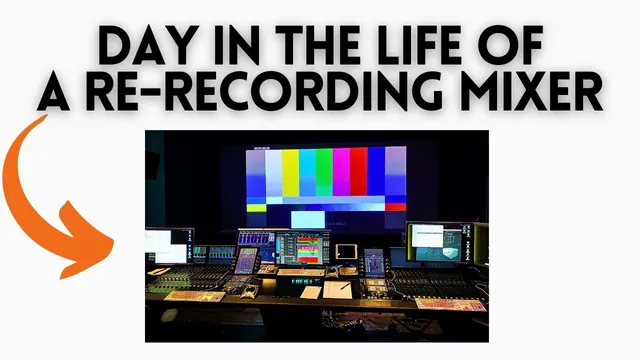 Top of the ladder
Re-recording mixerAlso: dubbing mixer
The final mix: dialogue, effects and music.Watch and read
Post management
Parallel ladder-
Entry grade Post coordinator Schedules, bookings and deliverables paperwork.
-
Step 2 Post-production supervisor Runs post from wrap to delivery.
-
Top of the ladder Post producer Owns the post budget and the delivery.
Grade by grade: what you need before moving up
| Grade | What you do | Before moving up |
|---|---|---|
| Editorial traineeAlso: post runner | Runs, drives, logging, helping assistants. | Knowing the cutting room, the software and the workflow. |
| Assistant editor | Ingest, sync, bins, turnovers, VFX pulls. | Several shows' worth of workflow; trusted with media. |
| First assistant editor | Runs the cutting room and the workflow for the editor. | Running a cutting room through to delivery. |
| Assembly editor | Cuts scenes or episodes under the editor. | Scenes the editor and director accept. |
| Editor | Head of the cutting room; shapes the story with the director. | A body of work and a director who trusts you. |
| Grade | What you do |
|---|---|
| Grading assistant | Conform prep, renders and deliverables. |
| Assistant colourist | Dailies, matching and versions. |
| Colourist | Grades the picture from dailies look to final master. |
| Grade | What you do |
|---|---|
| Trainee sound editor | Ingest, track lay prep, conform. |
| Assistant sound editor | Organises sessions and conforms. |
| Sound editorAlso: dialogue, effects or Foley editor | Dialogue, effects or Foley editing. |
| Supervising sound editor | Leads the sound team and the track. |
| Re-recording mixerAlso: dubbing mixer | The final mix: dialogue, effects and music. |
| Grade | What you do |
|---|---|
| Post coordinator | Schedules, bookings and deliverables paperwork. |
| Post-production supervisor | Runs post from wrap to delivery. |
| Post producer | Owns the post budget and the delivery. |
Post cards (rate cards index) · Every department's ladder: Careers A–Z · Getting work · Working freelance
Learn it, step by step
9 paths- VFX · New to set to working crewPrompting and directing AI shots18 lessons · about 2 hours · freeStart path
 Editorial and post · New to set to working crewAI in post16 lessons · about 1.5 hours · freeStart path
 Camera · New to set to working crewThe film lab17 lessons · about 3.5 hours · freeStart path
 Camera · New to set to working crewDIT and data management14 lessons · about 3.5 hours · freeStart path
 Editorial and post · New to set to working crewEditing in DaVinci Resolve18 lessons · about 7 hours · freeStart path
 Editorial and post · New to set to working crewColour grading18 lessons · about 5.5 hours · freeStart path
 Editorial and post · New to set to working crewPost-production workflows and the assistant editor19 lessons · about 7 hours · freeStart path
 VFX · New to set to working crewVFX basics21 lessons · about 5.5 hours · freeStart path
 Editorial and post · New to set to working crewAI tools in film and TV production18 lessons · about 3 hours; refreshed monthly · freeStart path
Safety first
Screens, hours, distressing footage and data
Post looks safe because it's indoors. Its real hazards are slower: posture and eyes, very long hours near delivery, footage that can be hard to watch, loud mixes, and data that can't be lost or leaked.
Watch first
Module 1 of Post-production workflows and the assistant editor. Mark them done there to track your progress.
- 1:37Workstation set up at home and in the office - good postureHealth and Safety Executive · 1:37
 3:48Tips to increase mental health on setThe Film and TV Charity · 3:48
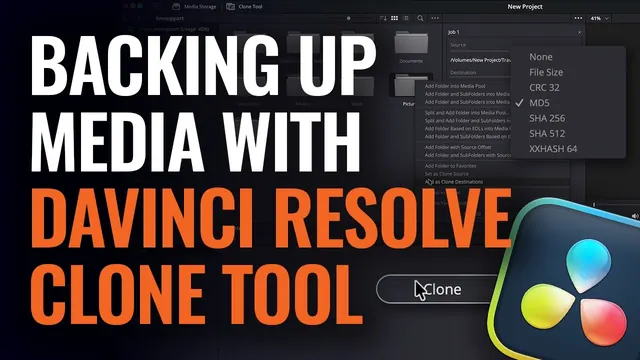 3:35Backing Up Media with the Clone Tool in DaVinci ResolveBlackmagic Design · 3:35
The hazards
6What hurts people in this department on UK sets, and what keeps them safe.
- Your workstationChair, desk, screen height and lighting set up for you, and short breaks away from the screen. If you're employed and use screens daily, your employer must assess your workstation and pay for an eye test if you ask (the DSE Regulations).
- Hours and crunchDelivery dates squeeze post. Most workers can't be made to average more than 48 hours a week unless they've opted out in writing, and should get rest between days. Tell your lead or producer before tiredness causes mistakes.
- Distressing footageDocumentary, news and drama rushes can include violence, abuse and grief. Ask to be warned before you view it, take breaks, and talk to someone. The Film and TV Charity's Support Line is free, 24 hours: 0800 054 0000.
- Loud mixesDubbing theatres are calibrated loud. Take ear breaks and follow the mixer's levels, especially on long sessions.
- Data and confidentialityRushes contain unreleased work and people's personal data. Use the production's drives and systems, never a personal cloud; keep two verified copies; report a lost drive at once. Many clients ask vendors to meet the Trusted Partner Network's security standard.
- Working alone at nightLate sessions in an empty facility count as lone working: someone should know you're there and when you leave.
Who is responsible
- The post supervisor and post producer set the schedule, the hours and the data rules.
- The facility owns the building, the workstations and fire safety.
- The editor or lead in each room looks after the team in it.
As a trainee, never
- Never copy rushes to a personal device or cloud account.
- Never format a card or drive before the copies are verified.
- Never sit through hours of distressing material without a break or support.
Anyone can say stop. If something feels wrong, say so to your head of department or the 1st AD.
Where this comes from
- HSE: display screen equipmentThe Health and Safety (Display Screen Equipment) Regulations 1992: workstation set-up, breaks and eye tests.
- GOV.UK: maximum weekly working hoursThe Working Time Regulations 1998: the 48-hour average, opting out, and rest breaks.
- HSE: stress and mental health at workThe HSE Management Standards for work-related stress.
- HSE: lone workingKeeping people safe when they work alone, including on recces and late calls.
- The Film and TV Charity: get supportFree 24-hour Support Line on 0800 054 0000, plus money, mental health and bullying advice.
- The Whole Picture ToolkitThe Film and TV Charity's mental health toolkit for productions.
- Trusted Partner NetworkThe content security standard many studios and streamers ask post and VFX vendors to meet.
Checked 13 November 2026. This is awareness, not a safety qualification: follow your production's risk assessment and your head of department.
AI in film and TV
How AI fits this department
Resolve, Avid and Adobe now include AI for transcription, masking, re-framing and clean-up. Editors and colourists use them to move faster; the creative decisions stay human.
Post-production, in detail
What it does on a UK unit
Post starts on the first shooting day, not after wrap. Rushes go from the set, via the DIT, to the cutting room, where the assistant editors ingest and sync them. The editor cuts an assembly while the unit is still shooting. After wrap come the director's cut, the producers' and broadcaster's notes and picture lock. Then the work fans out:
- VFX: shots turned over to vendors.
- Grade: the colourist sets the final look.
- Sound: dialogue, effects, Foley and music are edited, then mixed in a dubbing theatre.
- Online and delivery: the final conform, titles, captions, QC and the deliverables list.
The post-production supervisor runs the schedule and the budget from start to delivery. Much of the work happens in post houses in London, especially Soho, and in cutting rooms on studio lots.
Who it works with
- Director and producers: the cut, notes and approvals.
- DIT and camera: media, metadata and the dailies look.
- Script supervisor: the notes that tell the editor what was shot and why.
- VFX supervisor and editor: shot turnovers and versions.
- Composer and music supervisor: temp music, score and clearances.
Kit and vocabulary
| Term | What it means |
|---|---|
| Rushes / dailies | The footage shot each day |
| Avid Media Composer | The standard edit system on UK drama |
| Assembly | The first full cut of the scenes in script order |
| Picture lock | The point after which the cut is not changed |
| Turnover | Handing the locked cut to sound, VFX and grade (EDLs, AAFs, reference) |
| Conform | Rebuilding the cut from the full-quality media |
| M&E | Music and effects tracks without dialogue, for foreign versions |
| QC | Technical quality control against the delivery specification |
How to get in
Most people start as a runner at a post house or as an editorial trainee on a production. A film or media degree is common but not required. What counts is knowing Avid, DaVinci Resolve or Pro Tools well, and being careful with media. England has a post-production technical operator apprenticeship standard. The ScreenSkills Trainee Finder places edit trainees.
Pay
Post cards are on the Bectu rate cards index, including the post production branch film card, 2023–25. Check the index for the latest version.
Where Futures in Film helps
We don't run a post-production course. These pages are a start:
- AI Day One: a free online course on using AI well on a working unit, with consent, credit and sign-off.
- Routes in: apprenticeships and trainee schemes, including post.
- How a film gets made: where post sits in the whole process.
- Representation and rates: unions, guilds and rate cards.
Who to know: Post-production
 BFC Skills and Social Responsibility Directory Searchable directory of UK organisations running screen training, skills and inclusion schemes.
 ScreenSkills job profiles Profiles of hundreds of screen jobs: what each role does and how to get in.
 ScreenSkills Select ScreenSkills' endorsement of university and college courses that are relevant to industry.
 6ft From the Spotlight Wellbeing and welfare support for UK productions and crew.
 Access:VFX Industry-led non-profit of 70+ studios and bodies opening VFX, animation and games to under-represented groups; mentoring and events.
 Post Super Platform supporting post-production supervisors and coordinators: training, resources and community.
 UK Screen Alliance Trade body for UK VFX, animation and post-production companies; publishes skills and careers research.
 BEAU (Broadcasting, Entertainment and Arts Unions) Brings together Bectu, Equity, the Musicians' Union and the Writers' Guild; formerly FEU and FEU Training.
 Bectu branches Bectu's craft and regional branches (camera, grips, costume and wardrobe, hair and make-up, art department and more) represent each grade.
 British Film Editors (BFE, formerly the Guild of British Film and Television Editors) Guild for picture editors and assistants; events and mentoring.
Other departments
17 departments Camera, 1187 films
 Lighting, 252 films
 Grip, 147 films
 Sound, 214 films
 Virtual production New, 118 films
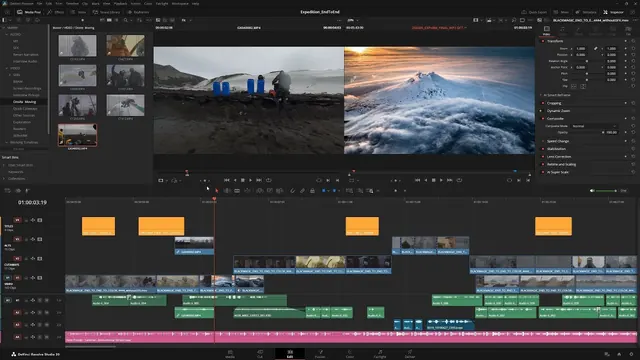 AI tools New, 83 films
 Art department, 149 films
 Costume, 94 films
 Hair and make-up, 54 films
 Assistant directors, 54 films
 Production, 654 films
 Locations, 84 films
 Script supervision, 108 films
 VFX, 218 films
 SFX, 20 films
 Stunts, 32 films
 Health and safety, 73 films
Read for post-production
6The magazines and books people in post-production read. Borrow the books free from a library.
 Free onlineTelevisualBusiness magazine for the UK broadcast and production community, strong on post and kit.UKRead Televisual
 Free online; print by subscriptionDefinitionCinema technology, virtual production, post and kit, from the UK.UKRead Definition
 In the Blink of an EyeWalter MurchWhy a cut works. Short, and read by every editor.Look it up In the Blink of an Eye (opens Open Library)
 Producing Great Sound for Film and VideoJay RoseRecording and post sound, from mic choice to the final mix.Look it up Producing Great Sound for Film and Video (opens Open Library)
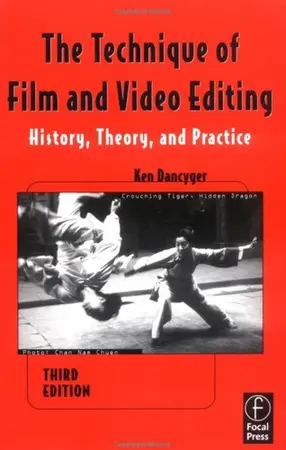 The Technique of Film and Video EditingKen DancygerEditing history, theory and practice, with worked examples.Look it up The Technique of Film and Video Editing (opens Open Library)
 Color Correction HandbookAlexis Van HurkmanGrading, step by step, from a working colourist.Look it up Color Correction Handbook (opens Open Library)
All resources and reading: trade press, directories, libraries and more
Events for post-production
8Shows, festivals and careers days where post-production crew go to learn and meet people. Dates checked on each organiser's site.
-
CamerimageA week where cinematographers talk about nothing but the image.Toruń, Poland
Entry cards on the festival siteGo to the event site : Camerimage -
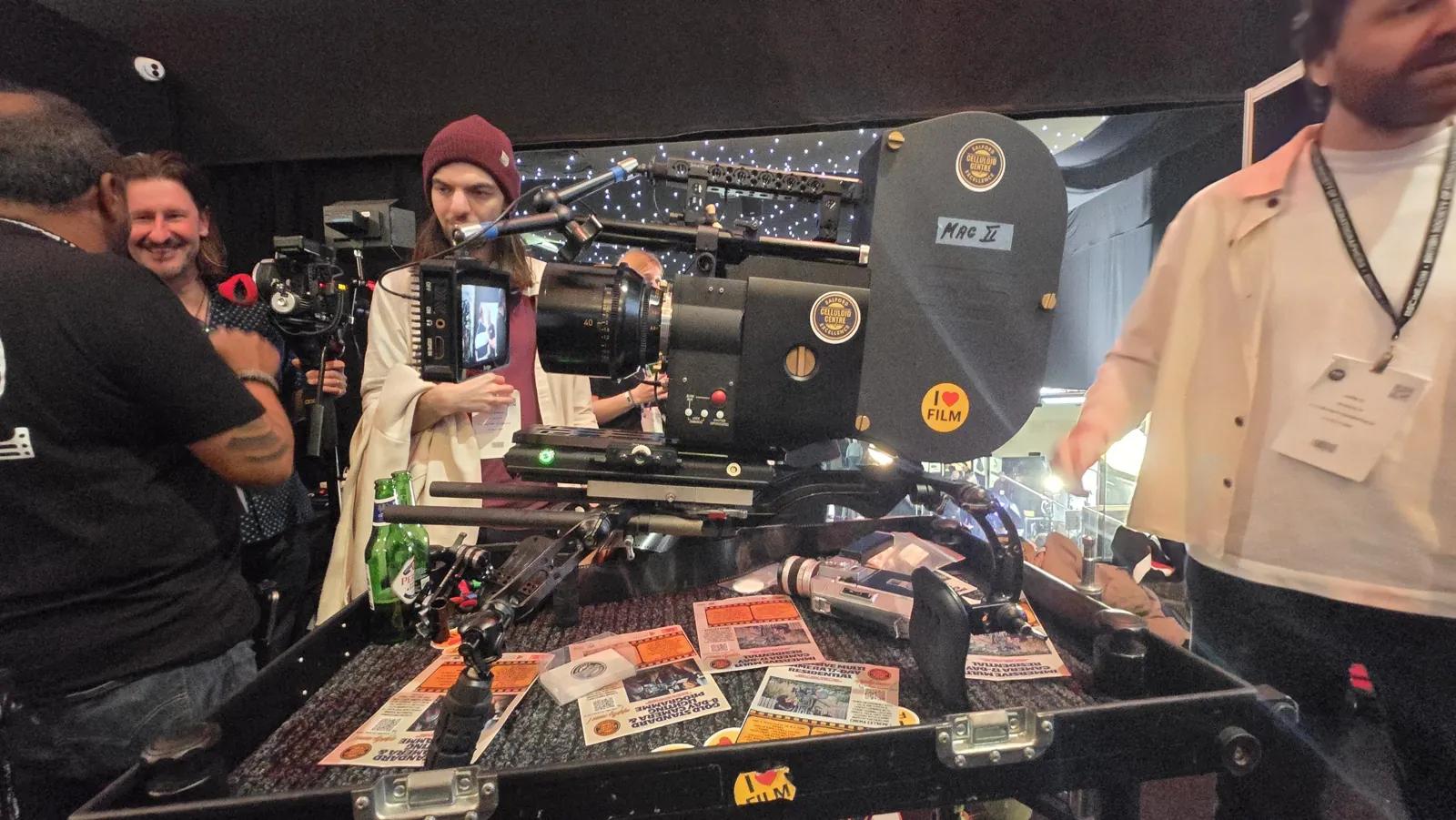
Free to registerGo to the event site : BSC Expo -
NAB ShowNew cameras and post tools are launched here each spring.Las Vegas
Paid registrationGo to the event site : NAB Show -
Dates usually announced for NovemberCVP Education FestivalMade for students: kit demos and careers talks a short walk apart.Fitzrovia (four venues), London
Book a place on the CVP siteGo to the event site : CVP Education Festival -
Dates announced through the yearRTS Futures FestivalTV companies come to you: ask how they hire runners and trainees.Venues around the UK
Free; book a placeGo to the event site : RTS Futures Festival -
Dates usually announced for OctoberNFTS open daysSee the stages and kit, and ask current students what the course is really like.NFTS campus and online
Book through the NFTSGo to the event site : NFTS open days -
Dates usually announced for OctoberBFI London Film FestivalQ&As with the crews behind the year's biggest films.BFI Southbank and cinemas across London
Tickets per screeningGo to the event site : BFI London Film Festival -
Dates usually announced for FebruaryBFI Future Film FestivalBuilt for people starting out: talks on how to get the first job.BFI Southbank, online and UK-wide
See the BFI siteGo to the event site : BFI Future Film Festival

Next for Post-production
Last reviewed 9 November 2026