AI in production · Before you sign
Your face, voice and work are yours.
This page is about people, not tools: performers, crew and contributors, captured once and usable for as long as the file exists.
Nothing here is legal advice. If you've been asked to sign something, ask your agent, Equity or Bectu first.
What might you be asked for?
- Body and face scanning, often at a fitting and presented as routine.
- Digital doubles, for stunts and crowd.
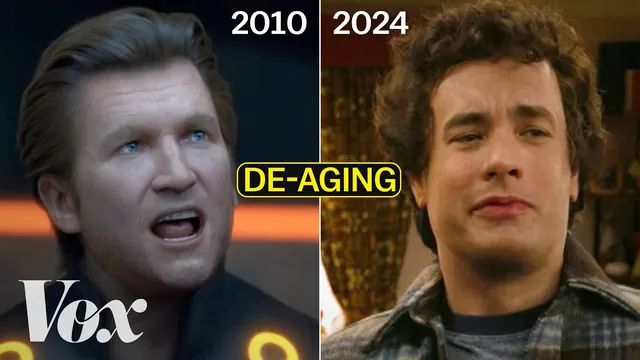
- De-ageing, face replacement and visual dubbing.
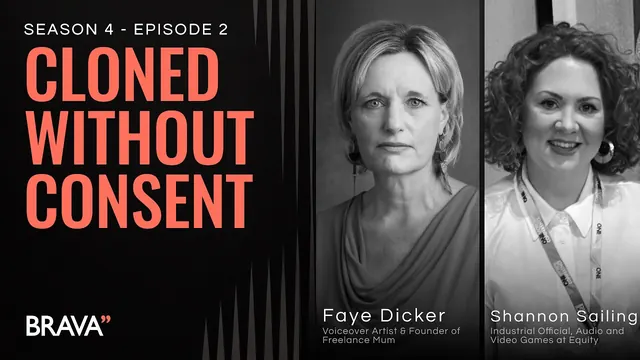
- Voice cloning, from fixing one word to generating lines that were never performed.
- Synthetic crowd, built from scans of supporting artists who were paid for one day.
A digital double doing what you agreed to is not a synthetic performer assembled from you and others. Paperwork often blurs the two.
Questions to ask before you sign or scan
| Ask | Why |
|---|---|
| For which production? | Consent for one production shouldn't travel to another. |
| For exactly which uses? | "Any purpose, in perpetuity, in all media now known or hereafter devised" answers none of the questions. |
| For how long? | A time limit is normal. |
| Can it be transferred or sold with the production? | The data may outlive the company that captured it. |
| Is there payment for reuse? | Reuse is new work. |
| Can consent be withdrawn, and what happens to the data if the production is cancelled? | Ask for deletion terms in writing. |
| Can I see the clause before the scanning day? | A production that won't send it in advance is telling you something. |
Keep your own scan register: every production, every date, what was captured, on what terms, and who holds the data.
Our programmes
How we handle consent on our own units.
No learner on a Futures in Film programme is scanned, cloned, altered or voice-synthesised without specific, informed, time-limited written consent naming the production and the uses.
We don't use these tools to make anything that depicts or identifies a child. Our under-18 work runs only through schools, colleges and other institutions, and at the Pinewood Futures Festival, with safeguarding in place; AI capture is not part of it.
Voice
A general release almost certainly doesn't cover cloning a voice. A synthesised or cloned voice needs the performer's specific, informed, written consent for that use. Owning the recording is not owning the voice. A deceased performer's voice needs the estate's written agreement.
Credit and disclosure
- Credit the people who made the work. A tool is not an author.
- Keep a provenance log for any asset a tool touched: the tool, the version, the settings, the source material, and who signed it off.
- Declare AI use where it matters: to the commissioner, to the people whose work or likeness is involved, and to the audience where a generated image, voice or performance could be mistaken for the real thing.
- Don't present generated material as photographed, performed or documentary without saying so.
- Delivering into the EU? Article 50 of the EU AI Act sets transparency duties for deep fakes and synthetic content. See what the industry says.
Material and confidentiality
Unreleased scripts, rushes, stills, cast information and schedules don't go into any service that may train on uploads or can't confirm its data handling in writing. Before you upload, ask:
- Is there a data processing agreement?
- Where is the data held?
- How long is it kept?
- Does the provider train on it?
If you can't answer all four, don't upload.
Who to ask
- Performers: your agent, and Equity.
- Crew: Bectu.
- Anyone working behind the scenes who needs support: the Film and TV Charity, 0800 054 0000, 24 hours.
- A concern on one of our programmes: our Designated Safeguarding Lead, Nina Karwalska, via [email protected], or [email protected].
Last reviewed 9 November 2026