

Department · Assistant directors
The ADs run the floor so the director can direct.
The assistant directors build the schedule, run the day and move every person on the call sheet to the right place at the right time.

Learning path · free · 12 films
AI for producers
Where AI saves time and money in development, prep and delivery, what it costs, and the consent, copyright, disclosure and union rules UK producers must follow. Last checked 11 November 2026.
Watch: Assistant directors
6 items What a Floor Runner ( SET PA ) does on Film and TV Sets - AD DEPARTMENTEG TIPS · Lesson
 What is a... 2nd AD? | Careers in FilmReel Opportunities · Careers
 60 Film Production Roles & What They Each Do - Actor's GuideAugmented Actor · Lesson20 min.
 What A Director Does On Set: Crew BreakdownIn Depth Cine · Lesson12 min.
 The Anatomy Of A Call SheetStudioBinder · Lesson
 How do you get work as a runner, a researcher and an assistant producer (AP) in TV documentaries?ScreenSkills · Careers
Career ladder
From first job to head of department
Some ADs later move into directing, but that isn't the purpose of the job.
Assistant directors
-
Entry grade AD traineeAlso: floor runner Radios, batteries, lock-ups, cast escorts, tea for the floor.
-
Step 2
3rd AD
Runs the floor for the 1st: background, lock-ups, cast to set.Watch and read
-
Step 3 Floor 2nd AD The 2nd AD's presence on set, linking floor and unit base.
-
 Step 4
2nd ADAlso: key 2nd
The call sheet, cast schedules, supporting artists, the next day.Watch and read
-
 Top of the ladder
1st AD
The schedule, the floor, safety and the calls.Watch and read
Specialists branch off the ladder at the grade shown; they aren't steps on it
- Crowd 3rd ADbeside 3rd ADRuns supporting artists on big background days.
- Crowd 2nd ADbeside 2nd ADPlans and books crowd for big days.
- Key PAbeside AD traineeOn some shows, between floor runner and 3rd AD.
Grade by grade: what you need before moving up
| Grade | What you do | Before moving up |
|---|---|---|
| AD traineeAlso: floor runner | Radios, batteries, lock-ups, cast escorts, tea for the floor. | Several credits, sharp radio work, never lost. |
| 3rd AD | Runs the floor for the 1st: background, lock-ups, cast to set. | Directing background and holding a floor without help. |
| Floor 2nd AD | The 2nd AD's presence on set, linking floor and unit base. | Knowing cast movement and the call sheet inside out. |
| 2nd ADAlso: key 2nd | The call sheet, cast schedules, supporting artists, the next day. | Running the AD paperwork of a whole production. |
| 1st AD | The schedule, the floor, safety and the calls. | Credits as key 2nd and a director's trust. |
Bectu ADs' card, May 2026 · Every department's ladder: Careers A–Z · Getting work · Working freelance
Learn it, step by step
4 paths- Production · New to set to working crewAI for producers12 lessons · about 8 hours · freeStart path
 Assistant directors · New to set to working crewScheduling and the AD department18 lessons · about 3.5 hours · freeStart path
 Production · New to set to working crewProducing and development10 lessons · about 7 hours · freeStart path
 Production · New to set to working crewBudgeting12 lessons · about 4 hours · freeStart path
Safety first
The briefing, the call sheet and welfare
The AD team runs the floor, so it runs safety on the floor. The producer (as employer) owns the risk assessment; the 1st AD makes sure the whole unit hears it, follows it, and stops when something changes.
Watch first
Module 1 of Scheduling and the AD department. Mark them done there to track your progress.
- 17:44Introduction to Health and Safety in Film and TelevisionXpoNorth Digital · 17:44
 26:27Medic Nurse: How to keep a film set safeWarner Bros. CrewHQ UK · 26:27
 13:52Keeping Our Sets Safe: The Health & Safety Debate | Edinburgh TV FestivalThe TV Festival · 13:52
The hazards
7What hurts people in this department on UK sets, and what keeps them safe.
- The safety briefingEvery day, and before every hazardous scene, the 1st AD briefs the unit: what is happening, where to stand, who is in charge (stunt coordinator, SFX supervisor, armourer, marine or animal handler) and how the scene will be stopped. Nothing hazardous is changed between rehearsal and take without the specialist and the 1st AD agreeing it.
- Risk information on the call sheetThe call sheet carries the nearest A&E, the unit medic, today's hazards (SFX, stunts, vehicles, water, animals, heights, weather), the closed-set scenes and the weather plan. If it is in the risk assessment, it should be on the sheet.
- Welfare and hoursMeal breaks, rest between days, shelter, toilets, water and warm clothing are safety, not comfort. Long days cause accidents and car crashes on the drive home (Bectu's Eyes Half Shut). Flag overruns to the production manager early.
- Children and chaperonesA child performer needs a licence from their local authority and a licensed chaperone with them at all times. Their hours, breaks and time on set are limited by law. The 2nd AD plans the day around those limits, not the other way round.
- Background artists and the publicCrowd holding areas need shelter, water and a clear route to set. On location, keep pavements passable and members of the public out of the action. Hi-vis and a marshal wherever vehicles move.
- Closed sets and dignityIntimate or nude scenes are closed sets, agreed in advance with the intimacy coordinator and the performers: minimum crew, monitors covered or switched off, no phones. The ADs hold the door.
- Accidents and near missesEvery accident goes in the accident book. Serious ones are reported to the HSE under RIDDOR by the production. Near misses are reported too: that's how the next accident is prevented.
Who is responsible
- The producer (as employer) is responsible for the risk assessment and for competent safety advice.
- The 1st AD runs safety on the floor: briefings, rehearsals and calling stop.
- The 2nd AD puts the risk information on the call sheet and manages cast welfare, children and chaperones.
- The 3rd AD and floor runners lock off, marshal and keep people where the briefing put them.
As a trainee, never
- Never let a scene change after the safety briefing without the specialist and the 1st AD agreeing it.
- Never call action on a hazardous scene until every department has said it is ready.
- Never leave a child performer without their chaperone.
Anyone can say stop. If something feels wrong, say so to your head of department or the 1st AD.
Where this comes from
- HSE: theatre, film and TVThe Health and Safety Executive's guidance for the screen and stage industries.
- HSE: managing risks and risk assessmentWhat a risk assessment is, and the employer's duty under the Management of Health and Safety at Work Regulations 1999.
- HSE: RIDDORWhich injuries and dangerous occurrences a production must report to the HSE.
- The Children (Performances and Activities) (England) Regulations 2014Licences, chaperones, hours and breaks for children on set. Scotland, Wales and Northern Ireland have their own rules.
- Bectu: Eyes Half ShutThe union's campaign on long hours, fatigue and safety in film and TV.
- BFI and BAFTA: bullying, harassment and racism guidanceThe screen industries' shared principles for preventing bullying, harassment and racism.
- CIISAThe Creative Industries Independent Standards Authority: where to report bullying and harassment.
Checked 13 November 2026. This is awareness, not a safety qualification: follow your production's risk assessment and your head of department.
AI in film and TV
How AI fits this department
Script breakdown and scheduling tools now draft stripboards and call sheets. The AD's judgement on safety, time and people is unchanged.
Learning path: AI for producers The AI channel Consent and credit
Assistant directors, in detail
What the ADs do
The AD department turns the script into a shooting schedule, then runs that schedule on the floor. The 1st AD runs the set and its safety. The 2nd AD runs the paperwork and the people: cast, supporting artists and the call sheet. The 3rd AD and floor runners keep the floor moving, the cast on time and the set quiet.
Assistant directors are not trainee directors. Some ADs later direct, but that isn't the purpose of the job.
Who the ADs work with
The director first. Then the production manager on the schedule, locations on access and parking, every head of department on timings, and the departments that prepare cast: costume and hair and make-up.
Kit and vocabulary
- Stripboard / shooting schedule: the script broken into days and scenes.
- Call sheet: the next day's plan; the 2nd AD writes it.
- Lock-up: stopping movement and noise around set for a take.
- Background / supporting artists (SAs): extras, directed by the 3rd AD.
- Turnaround: the minimum rest between wrap and the next call.
- Walkie channels: usually one for ADs, one for each technical department.
- Abby Singer and the Martini: the second-to-last and last shots of the day.
How to get in
Most ADs start as floor runners or AD trainees. Experience of events, hospitality or stage management helps: it's people and timings. ScreenSkills publishes a profile and skills checklists for the grades.
Pay: Bectu ADs' card, May 2026.
Where Futures in Film helps
Day One (free, online) covers set etiquette, radios and safety. Then a competency check, and a practical day on our unit with an AD and floor crew. On a production simulation week you can hold an AD grade through prep, shoot and wrap.
Who to know: Assistant directors
 BFC Skills and Social Responsibility Directory Searchable directory of UK organisations running screen training, skills and inclusion schemes.
 ScreenSkills job profiles Profiles of hundreds of screen jobs: what each role does and how to get in.
 ScreenSkills Select ScreenSkills' endorsement of university and college courses that are relevant to industry.
 6ft From the Spotlight Wellbeing and welfare support for UK productions and crew.
 BEAU (Broadcasting, Entertainment and Arts Unions) Brings together Bectu, Equity, the Musicians' Union and the Writers' Guild; formerly FEU and FEU Training.
 Bectu branches Bectu's craft and regional branches (camera, grips, costume and wardrobe, hair and make-up, art department and more) represent each grade.
 AD Guild UK Professional association for assistant directors working in the UK.

Other departments
17 departments Camera, 1187 films
 Lighting, 252 films
 Grip, 147 films
 Sound, 214 films
 Virtual production New, 118 films
 AI tools New, 83 films
 Art department, 149 films
 Costume, 94 films
 Hair and make-up, 54 films
 Production, 654 films
 Locations, 84 films
 Script supervision, 108 films
 Editorial and post, 469 films
 VFX, 218 films
 SFX, 20 films
 Stunts, 32 films
 Health and safety, 73 films
Read for assistant directors
4The magazines and books people in assistant directors read. Borrow the books free from a library.
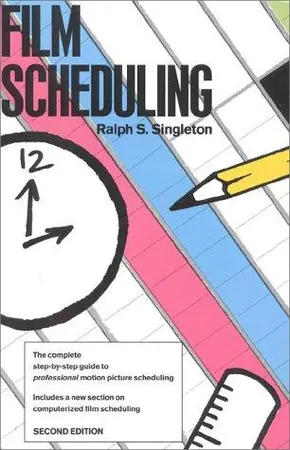 Film SchedulingRalph S. SingletonBreaking down a script and building the schedule, the AD's core skill.Look it up Film Scheduling (opens Open Library)
 Running the ShowLiz GillThe essential guide to being a 1st AD: prep, the schedule, the floor and the people.Look it up Running the Show (opens Open Library)
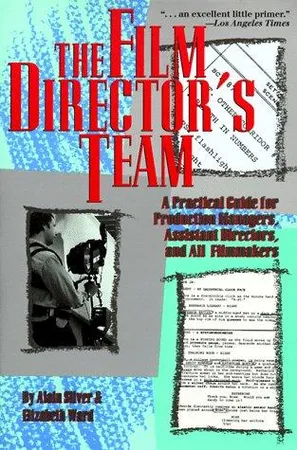 The Film Director's TeamAlain Silver and Elizabeth WardA practical guide for ADs and production managers: breakdowns, boards and running the set.Look it up The Film Director's Team (opens Open Library)
 The Complete Film Production HandbookEve Light HonthanerForms, paperwork and procedures for the production office and the AD team. US practice.Look it up The Complete Film Production Handbook (opens Open Library)
All resources and reading: trade press, directories, libraries and more
Events for assistant directors
Shows, festivals and careers days where assistant directors crew go to learn and meet people. Dates checked on each organiser's site.
-
Dates announced through the yearRTS Futures FestivalTV companies come to you: ask how they hire runners and trainees.Venues around the UK
Free; book a placeGo to the event site : RTS Futures Festival  Month by monthEvery event and expoShows, festivals and careers days across the UK for every department, with dates checked on each organiser's site.See the calendar
Next for Assistant directors
Last reviewed 9 November 2026