

Learn · Rates and unions
Who represents you, and where the going rate comes from.
The unions and guilds that represent UK crew, and where to find the current rate cards.
Where does the going rate come from?
From Bectu's rate cards for each department, negotiated with Pact, the producers' trade body. Each is dated, names the grades and sets out the working day.
Read your department's current card before your first job: it tells you what your grade is called and what a day should be worth.
We don't reproduce rates on this site, because cards change every year and an old figure does you harm.
Is this offer fair? Check it yourself
Take your grade's rate from the current card and put it in our day-rate calculator with your hours, days, overtime and kit rental. It shows what the job's worth and what to set aside for tax. Nothing you type leaves the page.
How do I read a rate card?
- Find your grade. Cards name every grade in the department. Trainee, 2nd AC and focus puller are three different lines.
- Read the day. The card says how many hours the base day is and whether lunch is inside it.
- Then the extras. Overtime, the sixth and seventh day, night work, and what happens if you're called back without a full turnaround.
- Check the date. Cards are reissued. Use this year's.
Who represents whom?
| Body | Who it's for | What it does |
|---|---|---|
| Bectu | Crew, technicians and production staff | The main union for most crew. It negotiates the agreements behind the rate cards, runs branches by craft, and represents you if a job goes wrong |
| Guild of British Camera Technicians | The camera department, from trainee up | A craft guild with a crew directory and a trainee scheme |
| British Society of Cinematographers | Cinematographers | A society with membership by body of work, plus mentoring |
| The Production Guild | Production, accounts, locations and ADs | The guild for the office side, with training courses |
| Association of Motion Picture Sound | Production and post sound | The craft body for sound, with membership by credits |
| Equity | Performers, stunt performers and supporting artists | Not a crew union; it covers you in front of the lens |
| Directors UK | Screen directors | Represents directors and distributes their royalties |
| The Film and TV Charity | Anyone working behind the screen | Not a union. Free, confidential support with money, mental health and crisis |
None of these bodies is a partner of ours, and none has endorsed us.
When should I join something?
- Before your first job, read the rate card for your department.
- Once you are getting paid days, join the union. It pays for itself the first time a production disputes an overtime claim.
- Once you have a body of work, consider the craft guild for your department. Guilds want to see credits first.
What should I check before I say yes?
Get it in a deal memo before your first call time. Check:
- The grade and the rate, and the agreement it's based on.
- The working day. TV drama is usually 10 hours plus lunch; big features 11 plus lunch.
- Overtime, the sixth day and turnaround.
- Holiday pay, and PAYE or invoice. That depends on your grade and HMRC's film and TV list, not on what you'd prefer. Employed or self-employed?
- Kit or box rental if you bring your own.
- Who the deal is with. The production company's name, not just the HoD's.
Deal memos, call sheets, timesheets and turnaround are covered on every craft course.
What about agents?
Most crew don't have an agent until HoD or close to it. Below that, work comes through HoDs, crew directories and recommendation. Someone wants a fee to "represent" you as a trainee? Ask Bectu first.
Where the rate gets earned

A wet market-day exterior: the call sheet sets the day
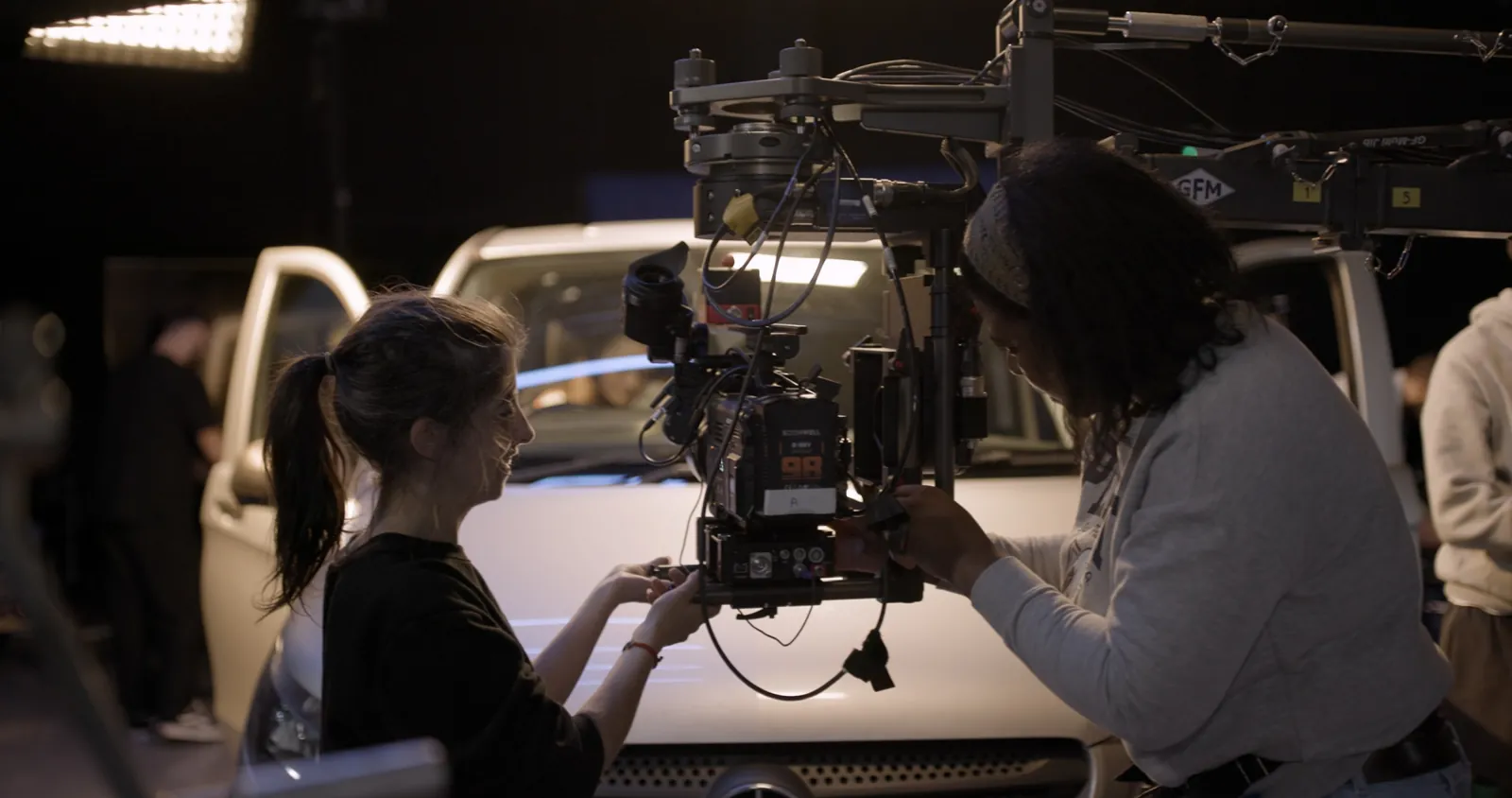
Rigging a camera on a car mount
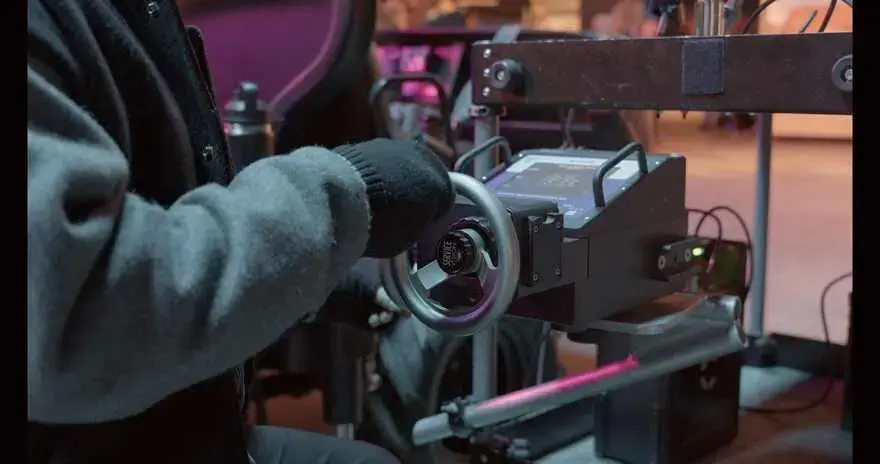
On the wheels: a specialist grade
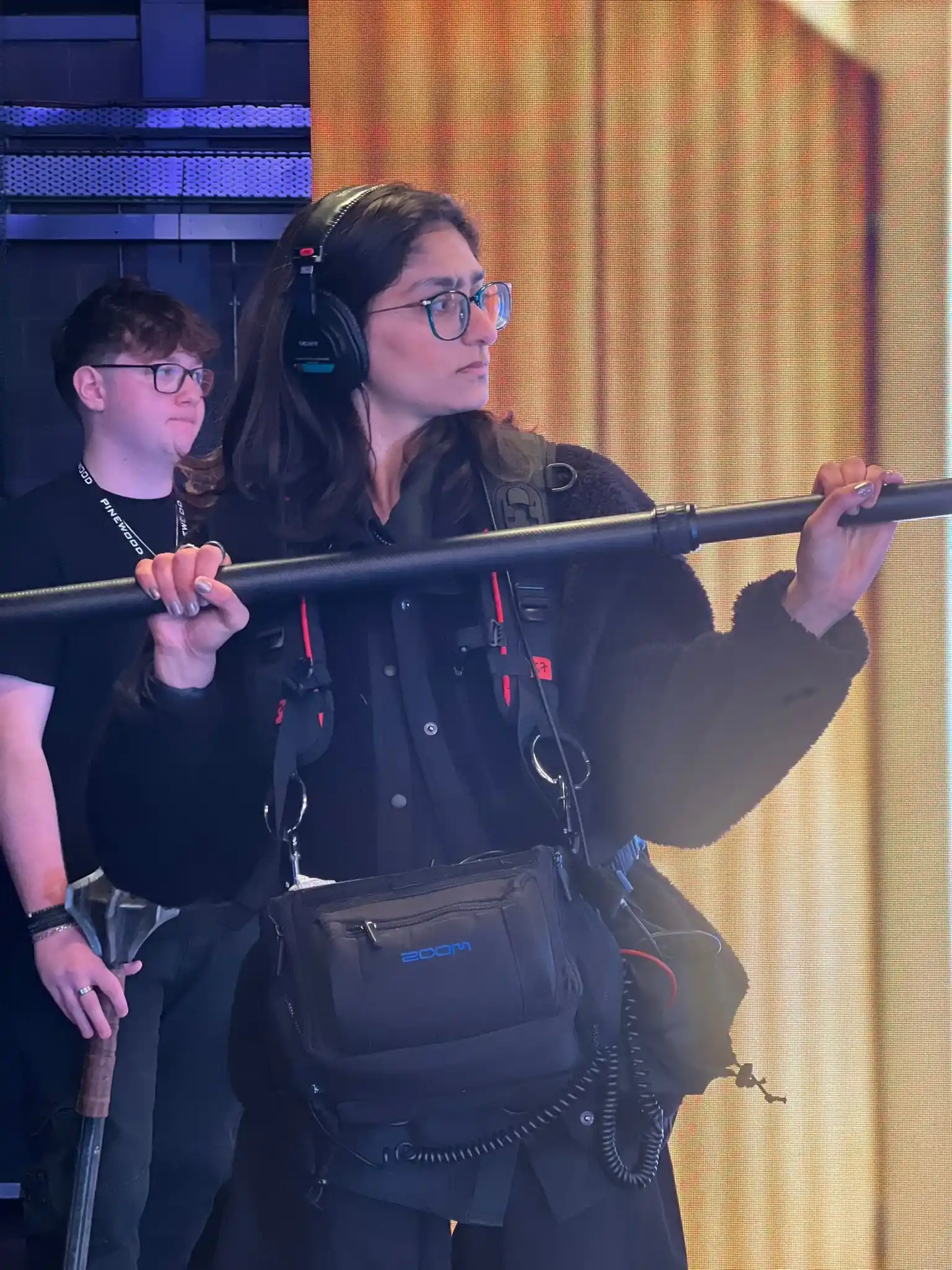
Sound trainee on the boom
Last reviewed 8 November 2026