
Department guide · Art
Everything in frame that isn't a person, designed, drawn, built and dressed.
The art department turns the script into places, objects and graphics, and keeps them right on the day.
Learning path · free · 21 films
Production design and the art department
How an art department turns a script into a world: design, drawings, set dressing, props, construction and scenic art.
Watch: Art department
8 items What is an art director on a film set?PaulMcGhie · Lesson
 Art Director Shaun Clark talks about his typical day working on a film or TV setScreen Yorkshire · Careers
 RARE documentary on Production DesignersShot, Drawn & Cut · Lesson
 Paul Laverty | BAFTA Screenwriters' Lecture SeriesBAFTA Guru · Masterclass
 Moira Buffini | BAFTA Screenwriters' Lecture SeriesBAFTA Guru · Masterclass
 William Nicholson | BAFTA Screenwriters' Lecture SeriesBAFTA Guru · Masterclass
 Frank Cottrell Boyce | BAFTA Screenwriters' Lecture SeriesBAFTA Guru · Masterclass
 Nadine Labaki | BAFTA Screenwriters' Lecture SeriesBAFTA Guru · Masterclass
Career ladder
From first job to head of department
Props, set decoration, graphics and construction are separate ladders with their own cards. They all answer to the production designer.
Art direction
-
Entry grade Art department trainee Research, filing, runs, copying drawings.
-
Step 2
Art department assistant
Research packs, references, sourcing samples.Watch and read
-
Step 3 DraughtspersonAlso: set designer; junior first Technical drawings construction can build from.
-
Step 4 Assistant art director Runs sets or sections for an art director.
-
 Step 5
Art director
Delivers sets to the designer's brief, on budget.Watch and read
-
Step 6 Supervising art director Runs the whole department's delivery on a big show.
-
 Top of the ladder
Production designer
Head of department: the look of every space.Watch and read
Specialists branch off the ladder at the grade shown; they aren't steps on it
- Standby art directorbeside Assistant art directorThe art department's representative on set through the day.Read the role
- Art department coordinatorbeside Art department assistantRuns the office: schedules, purchase orders, crew.
Set decoration
Parallel ladder-
Entry grade Petty cash buyer Buys and returns small dressing items.
-
Step 2 Buyer Sources and hires dressing and furniture.
-
Step 3 Assistant set decorator Runs dressing for a set.
-
Top of the ladder Set decorator Dresses every set to the designer's brief.
Props
Parallel ladder-
Entry grade Props trainee Loading, cleaning, the props store.
-
 Step 2
Prop hand
Moves and places props and dressing.Watch and read
-
Step 3 Standby propsAlso: dressing or action props On set all day: action props and continuity.
-
Step 4 Chargehand props Runs a props crew.
-
Top of the ladder Property master Head of props: every prop, sourced, made and run.
Graphics
Parallel ladder-
Entry grade Graphics trainee Prep files, print runs, ageing paper.
-
Step 2 Assistant graphic designer Signs, labels and documents for sets.
-
Step 3 Graphic designer All the on-screen graphics for a show.
-
Top of the ladder Graphic art director Leads graphics on big shows.
Construction
Parallel ladder-
Entry grade Construction apprentice Learning a craft in the workshop.
-
Step 2 Craftsperson Carpenter, painter, plasterer, rigger or metalworker.
-
Step 3 Chargehand Leads a craft crew.
-
Step 4 Supervisor Runs a craft across the build.
-
Top of the ladder Construction manager Builds every set to drawing, on budget.
Grade by grade: what you need before moving up
| Grade | What you do | Before moving up |
|---|---|---|
| Art department trainee | Research, filing, runs, copying drawings. | Knowing the office, the paperwork and the people. |
| Art department assistant | Research packs, references, sourcing samples. | Good research, fast and accurate. |
| DraughtspersonAlso: set designer; junior first | Technical drawings construction can build from. | Hand drafting or CAD, scale, and drawings built without questions. |
| Assistant art director | Runs sets or sections for an art director. | Managing a set from drawing to shoot. |
| Art director | Delivers sets to the designer's brief, on budget. | Budget control and crew management. |
| Supervising art director | Runs the whole department's delivery on a big show. | Several shows as art director. |
| Production designer | Head of department: the look of every space. | A body of work and a director who trusts you. |
| Grade | What you do |
|---|---|
| Petty cash buyer | Buys and returns small dressing items. |
| Buyer | Sources and hires dressing and furniture. |
| Assistant set decorator | Runs dressing for a set. |
| Set decorator | Dresses every set to the designer's brief. |
| Grade | What you do |
|---|---|
| Props trainee | Loading, cleaning, the props store. |
| Prop hand | Moves and places props and dressing. |
| Standby propsAlso: dressing or action props | On set all day: action props and continuity. |
| Chargehand props | Runs a props crew. |
| Property master | Head of props: every prop, sourced, made and run. |
| Grade | What you do |
|---|---|
| Graphics trainee | Prep files, print runs, ageing paper. |
| Assistant graphic designer | Signs, labels and documents for sets. |
| Graphic designer | All the on-screen graphics for a show. |
| Graphic art director | Leads graphics on big shows. |
| Grade | What you do |
|---|---|
| Construction apprentice | Learning a craft in the workshop. |
| Craftsperson | Carpenter, painter, plasterer, rigger or metalworker. |
| Chargehand | Leads a craft crew. |
| Supervisor | Runs a craft across the build. |
| Construction manager | Builds every set to drawing, on budget. |
Bectu art department card, 2025–26 · Every department's ladder: Careers A–Z · Getting work · Working freelance
Learn it, step by step
4 paths- Art department · New to set to working crewProduction design and the art department21 lessons · about 3 hours · freeStart path
 Costume · New to set to working crewCostume, hair and make-up19 lessons · about 3.5 hours · freeStart path
 Health and safety · New to setYour first day on set19 lessons · about 3 hours · freeStart path
- Health and safety · New to setStunts, SFX and armoury: awareness for everyone on set19 lessons · about 4.5 hours · freeStart path
Safety first
Tools, height, paints and dressing the set
The art department builds, paints and dresses real spaces fast. Its hazards are workshop tools, working at height, chemicals and dust, heavy dressing, and making sure a set is safe for the people who will act in it.
Watch first
Module 1 of Production design and the art department. Mark them done there to track your progress.
- 3:31Working from Height - Site Safety Plus Short FilmCITB · 3:31
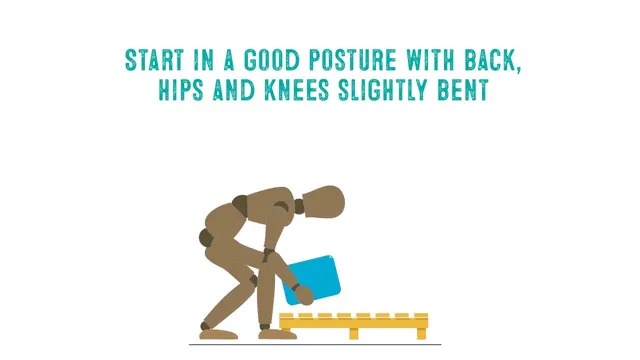 1:30Preventing injuries from manual handling - Go Home HealthyHealth and Safety Executive · 1:30
 1:09:20IPAF Safe & Sound - Starts with a PLANIPAForg · 1:09:20
The hazards
6What hurts people in this department on UK sets, and what keeps them safe.
- Workshop and power toolsSaws, routers and nail guns are used only by people trained on them, with guards on and the right protection. Trainees watch and fetch until they're signed off.
- Working at heightLadders for short, light work; scaffold towers built by trained people (PASMA); mobile elevating work platforms only with IPAF training. Nothing is left loose overhead.
- Paints, solvents, resins and dustRead the safety data sheet. Use ventilation, masks and gloves as it says, especially for spray, resin and fibreglass, and for MDF dust. That's COSHH.
- Fire safety of scenerySet materials, drapes and dressing are flame-retardant where the fire risk assessment needs it. Keep exits, extinguishers and fire routes clear of dressing.
- Heavy and fragile dressingFix tall furniture and flats so they can't topple, team-lift, and tell standby props about anything glass or sharp. Breakaway glass and anything rigged to break belongs to SFX.
- Props that look dangerousAny real or replica weapon is the armourer's, not props'. Prop food is handled hygienically and checked for allergies, because actors eat it take after take.
Who is responsible
- The production designer leads the department; the construction manager runs construction safety and the build.
- The supervising art director and set decorator manage their teams' risk assessments.
- Standby props hand over the set safely and flag hazards to the 1st AD.
As a trainee, never
- Never use a power tool you haven't been trained and signed off on.
- Never handle a real or replica weapon: that's the armourer's job.
- Never block a fire exit or extinguisher with dressing.
Anyone can say stop. If something feels wrong, say so to your head of department or the 1st AD.
Where this comes from
- HSE: work at heightThe Work at Height Regulations 2005: ladders, towers, platforms and who may use them.
- HSE: COSHHControl of Substances Hazardous to Health: paints, solvents, resins, adhesives and dust.
- HSE: CDM 2015The Construction (Design and Management) Regulations 2015. Ask the construction manager whether a build falls under them.
- PASMATraining for building and using mobile access towers.
- IPAFTraining for mobile elevating work platforms (cherry pickers and scissor lifts).
- Bectu agreements: constructionThe Pact/Bectu construction agreement and grades.
Checked 13 November 2026. This is awareness, not a safety qualification: follow your production's risk assessment and your head of department.
AI in film and TV
How AI fits this department
Concept art, mood boards and previs are where AI shows up first in the art department, best when trained or guided by artwork you own.
Learning path: Prompting and directing AI shots The AI channel Consent and credit
Art department, in detail
What it does on a UK unit
The production designer decides how every space looks. The department draws it, budgets it, sources it, and hands it to construction, set decoration and props to build and dress. On mid-budget UK drama it's often the biggest crew on the payroll, and the busiest in prep.
On shoot days the office keeps designing the sets to come, while a standby art director and standby props stay on the floor making the set work for camera.
Four connected teams:
- Art direction: design, drawings, models, budgets and schedules.
- Set decoration: the furniture, fabrics and objects that make a space lived in.
- Props: everything handled on camera, and everything dressed.
- Graphics: signs, documents, labels, screens and anything with type on it.
Construction builds the sets and reports through its own construction manager to the designer.
Who it works with
- Director and DoP: the look, the colour, where the camera goes and where it can't.
- Gaffer: practical lamps, power in the set and where lamps can hide.
- Costume and hair and make-up: a shared palette, period and world.
- Locations: what can be changed on a real location and what must be reinstated.
- Construction, SFX and VFX: builds, breakaways, rigs and set extensions.
Kit and vocabulary
| Term | What it means |
|---|---|
| White card model | A plain scale model of a set, used to agree the design and plan shots |
| Drawings and elevations | Plans and side views to scale that construction builds from |
| Dressing | Furniture and objects placed in a set; set dressers do it |
| Action prop | A prop an actor handles; a hero prop is the one seen in close-up |
| Standby | The crew member who stays on set through the shooting day |
| Strike | Removing the dressing or the set after it has been shot |
| Clearance | Permission to show a brand, artwork or document on screen |
How to get in
Most start as a trainee or assistant. Production design, theatre design, architecture, interior design and fine art degrees are common, but a portfolio, good research and drawing count for more.
Props people often come through prop houses, set dressing crews or England's props technician apprenticeship. Set decorators often start as buyers.
The ScreenSkills Trainee Finder places trainees in art departments. The British Film Designers Guild runs a newcomer membership grade.
Pay
Don't guess. Use the Bectu art department rate card, 2025–26. Props and construction cards are on the Bectu rate cards index.
Where Futures in Film helps
We don't run an art department course. These pages will help you get to a first art department job:
- Your first day on set: how the floor works, for people who have never been on a set.
- Routes in: trainee schemes and apprenticeships, including props.
- How crews are hired: why most jobs are never advertised.
- Representation and rates: unions, guilds and rate cards.
Who to know: Art department
 BFC Skills and Social Responsibility Directory Searchable directory of UK organisations running screen training, skills and inclusion schemes.
 ScreenSkills job profiles Profiles of hundreds of screen jobs: what each role does and how to get in.
 ScreenSkills Select ScreenSkills' endorsement of university and college courses that are relevant to industry.
 6ft From the Spotlight Wellbeing and welfare support for UK productions and crew.
 BEAU (Broadcasting, Entertainment and Arts Unions) Brings together Bectu, Equity, the Musicians' Union and the Writers' Guild; formerly FEU and FEU Training.
 Bectu branches Bectu's craft and regional branches (camera, grips, costume and wardrobe, hair and make-up, art department and more) represent each grade.
 British Film Designers Guild Guild for film and TV art departments, from production designers to trainees; runs events and an art-department directory.
Other departments
17 departments Camera, 1187 films
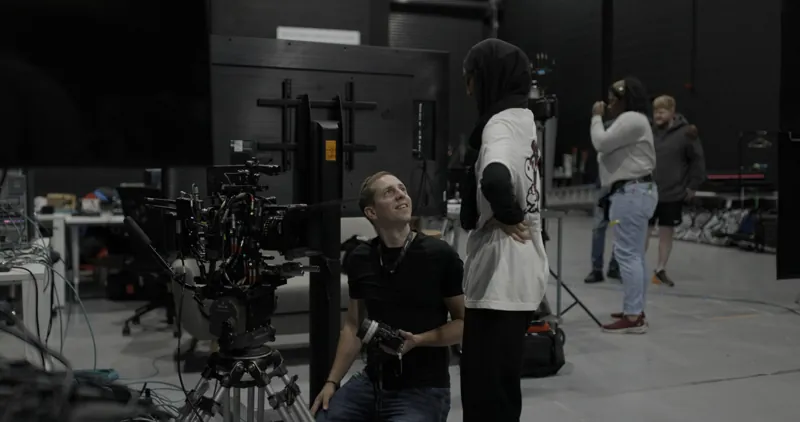 Lighting, 252 films
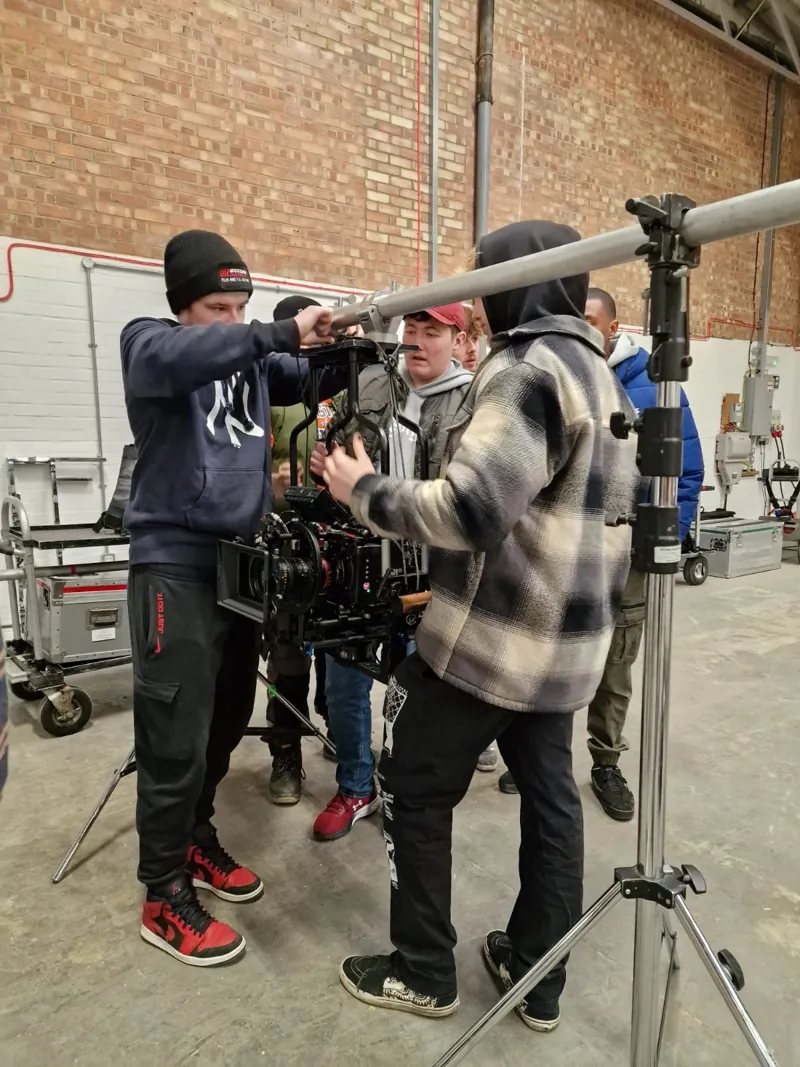 Grip, 147 films
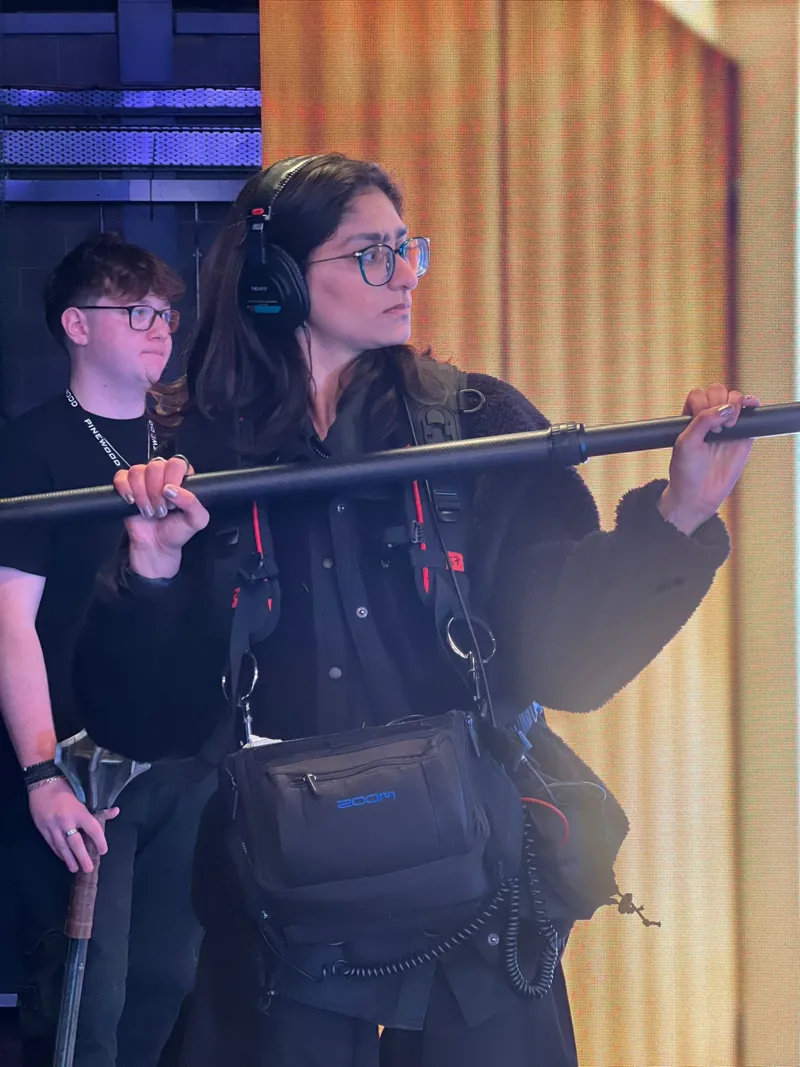 Sound, 214 films
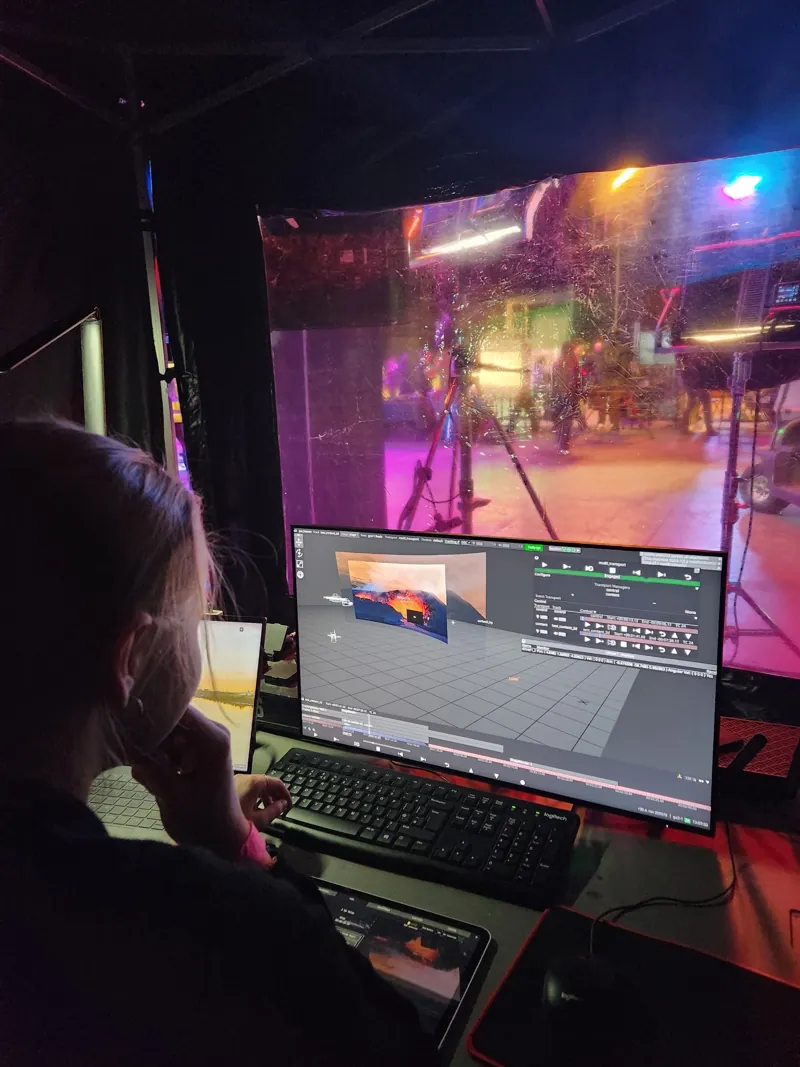 Virtual production New, 118 films
 AI tools New, 83 films
 Costume, 94 films
 Hair and make-up, 54 films
 Assistant directors, 54 films
 Production, 654 films
 Locations, 84 films
 Script supervision, 108 films
 Editorial and post, 469 films
 VFX, 218 films
 SFX, 20 films
 Stunts, 32 films
 Health and safety, 73 films
Read for art department
7The magazines and books people in art department read. Borrow the books free from a library.
- Free onlineSETDECORThe Set Decorators Society of America's magazine: how decorators dressed the sets of current film and TV.USRead SETDECOR
- Check the sitePerspectiveThe Art Directors Guild's journal: production designers and art directors on the making of the sets.USRead Perspective
- Free newsletterBritish Film Designers Guild newsletterThe UK art department guild's free newsletter: news, resources and events for art department crew.UKRead British Film Designers Guild newsletter
- Production Design for ScreenJane BarnwellHow the art department turns a script into a world.Look it up Production Design for Screen (opens Open Library)
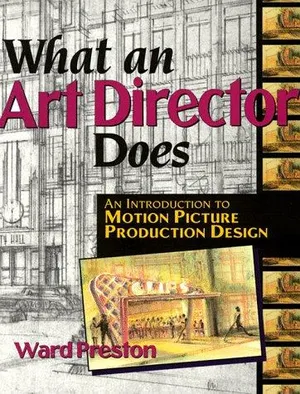 What an Art Director DoesWard PrestonAn introduction to motion picture production design by a working art director: drawings, sets and the budget.Look it up What an Art Director Does (opens Open Library)
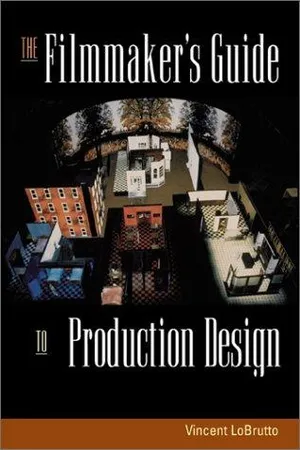 The Filmmaker's Guide to Production DesignVincent LoBruttoHow a script becomes a designed world: research, colour, space and working with the DoP.Look it up The Filmmaker's Guide to Production Design (opens Open Library)
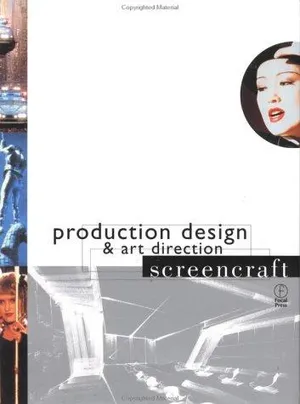 Production Design and Art DirectionPeter EttedguiScreencraft series: leading production designers on their films, with plans and sketches.Look it up Production Design and Art Direction (opens Open Library)
All resources and reading: trade press, directories, libraries and more
Events for art department
Shows, festivals and careers days where art department crew go to learn and meet people. Dates checked on each organiser's site.
-

Free; book a sessionGo to the event site : Pinewood Futures Festival -
Dates usually announced for OctoberNFTS open daysSee the stages and kit, and ask current students what the course is really like.NFTS campus and online
Book through the NFTSGo to the event site : NFTS open days  Month by monthEvery event and expoShows, festivals and careers days across the UK for every department, with dates checked on each organiser's site.See the calendar

Next for Art department
Last reviewed 9 November 2026