
Department · Grip
Grips put the camera where the DoP wants it, safely.
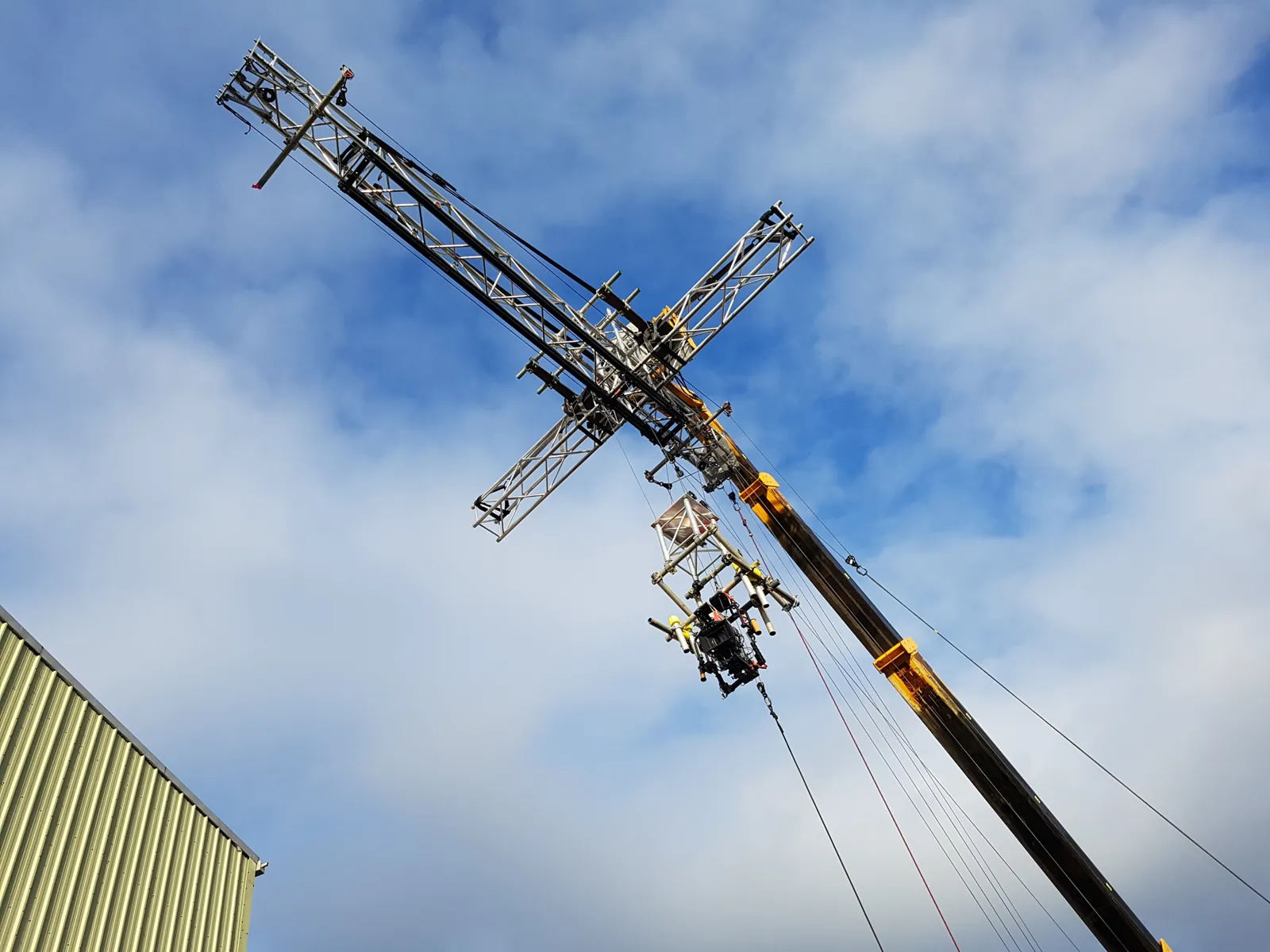
The grip department supports and moves the camera: dollies, track, cranes, rigs and mounts, built and run to a safe standard.
Learning path · free · 12 films
AI for camera departments
What AI changes for DoPs, operators and ACs: smart focus, AI previs and virtual scouting, plates for hybrid work, AI-assisted images in post. Do the camera and lighting paths first. Last checked 11 November 2026.

Watch: Grip
8 items Richard Mall and Walter Bithell: What is a key grip and gaffer?MADISON FILMS · Lesson
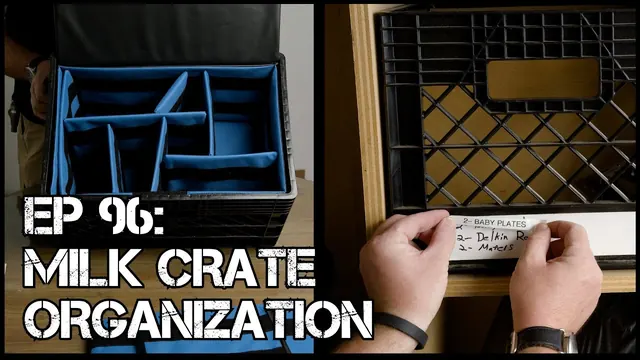 Episode 96: Milk Crate OrganizationGrip Tips · Lesson
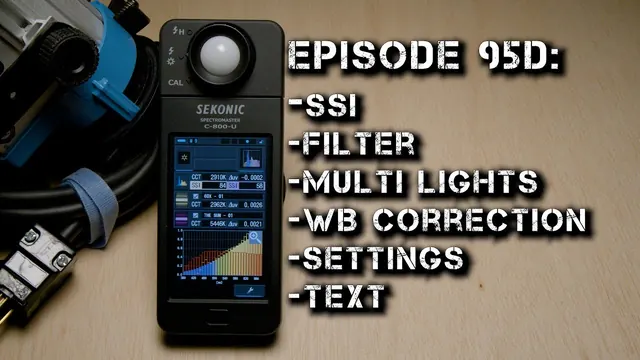 Episode 95D: SSI, Filter, Mired Shift, Multi- lights, White Balance Correction, Settings, Text modesGrip Tips · Lesson
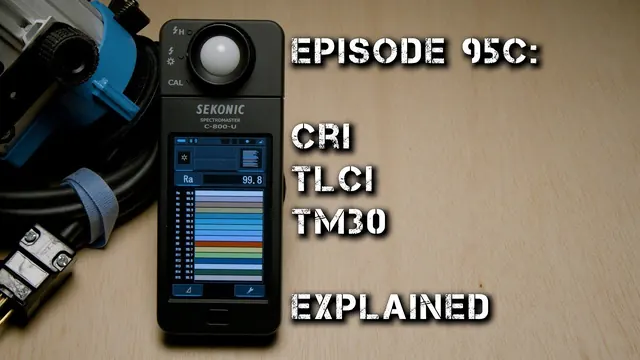 Episode 95C: CRI, TLCI, TM30Grip Tips · Lesson
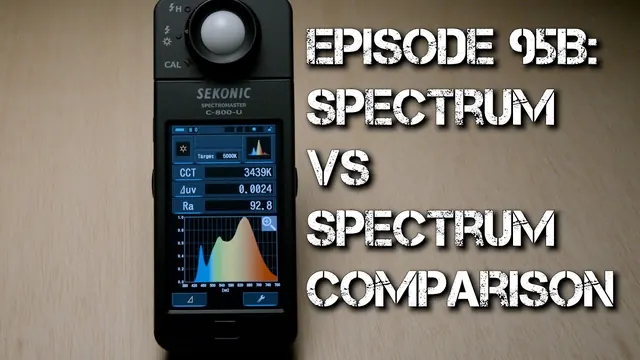 Episode 95B: Spectrum and Spectrum ComparisonGrip Tips · Lesson
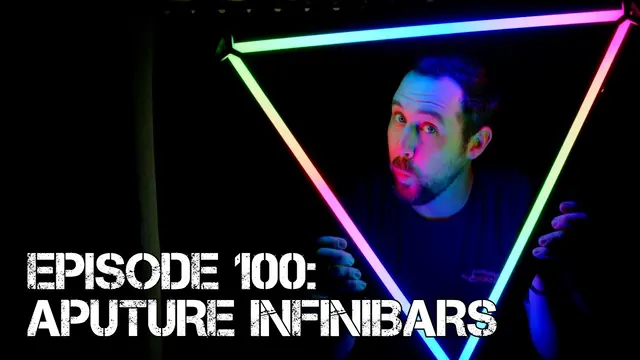 EPISODE 100: APUTURE INFINIBARSGrip Tips · Lesson
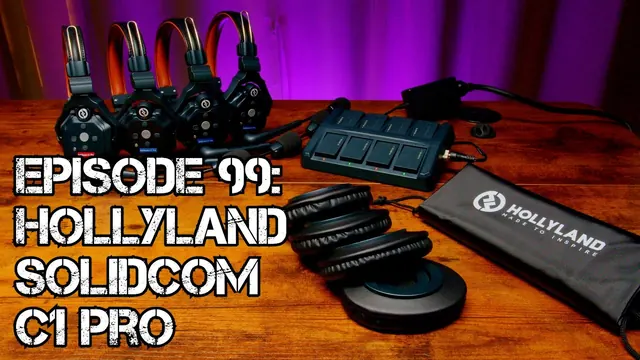 Ep 99: Hollyland Solidcom C1 proGrip Tips · Lesson
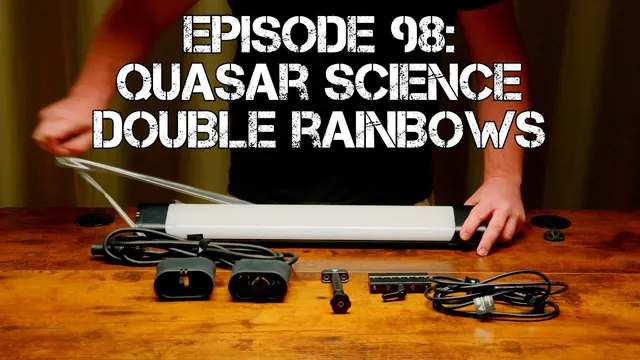 Episode 98: Quasar Science Double Rainbow's (RR50 and RR100)Grip Tips · Lesson
Career ladder
From first job to head of department
Bectu's Grips Branch keeps a list of certified grips. The route ScreenSkills describes: trainee, then after two years as a grip the Level 2 Diploma in Professional Competence for Grips, then after two to three more years the Level 3 Diploma for Advanced Grips.
Grips
-
Entry grade Trainee grip Carrying, loading, laying track, helping the grip.
-
 Step 2
Grip
Building and running rigs, track, dollies and mounts.Watch and read
-
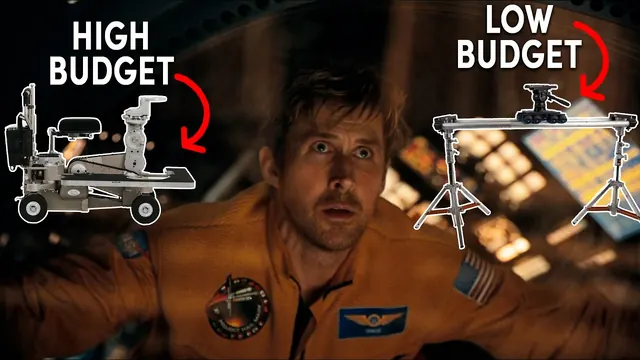 Step 3
A-camera gripAlso: dolly grip; best boy grip
Runs the dolly on A camera, in time with the actors; or the best boy's logistics.Watch and read
-
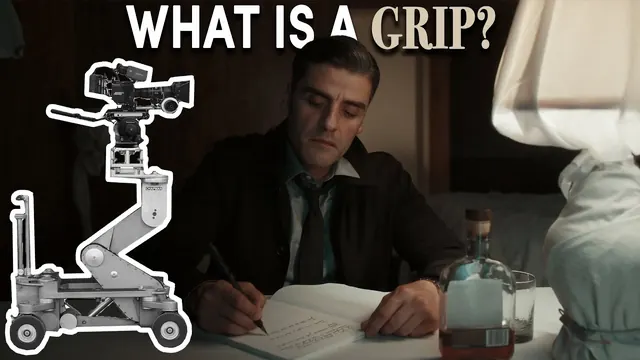 Top of the ladder
Key grip
Head of department: planning, crew, kit and safety.Watch and read
Specialists branch off the ladder at the grade shown; they aren't steps on it
- Crane gripbeside GripBuilds and runs cranes and arms.
- Rigging gripbeside GripPre-rigs mounts, car rigs and heavy builds.
- Crane technicianbeside A-camera gripTelescopic cranes and remote heads.
Grade by grade: what you need before moving up
| Grade | What you do | Before moving up |
|---|---|---|
| Trainee grip | Carrying, loading, laying track, helping the grip. | Credits and safe handling of every piece of kit. |
| Grip | Building and running rigs, track, dollies and mounts. | Two years as a grip, then the Level 2 diploma for Bectu certification. |
| A-camera gripAlso: dolly grip; best boy grip | Runs the dolly on A camera, in time with the actors; or the best boy's logistics. | Experience across rigs and the Level 3 advanced diploma. |
| Key grip | Head of department: planning, crew, kit and safety. | Credits as best boy or A-camera grip and the DoP's trust. |
Bectu Grips Branch card, April 2024 · Route in: Junior grip apprenticeship (ST1318) · Every department's ladder: Careers A–Z · Getting work · Working freelance
Learn it, step by step
4 paths- Camera · New to set to working crewAI for camera departments12 lessons · about 3.5 hours · freeStart path
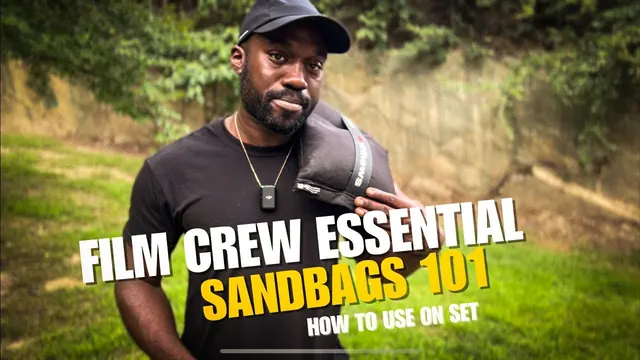 Grip · New to set to working crewGrip19 lessons · about 2 hours · freeStart path
 Lighting · New to set to working crewLighting (gaffer and sparks)18 lessons · about 3.5 hours · freeStart path
 Editorial and post · New to set to working crewAI tools in film and TV production18 lessons · about 3 hours; refreshed monthly · freeStart path
Safety first
Stands, sandbags, loads and height
Grips move the camera and everything that holds it. Weight, height and moving kit are the hazards. The key grip runs it; the trainee's job is to carry right, bag everything and never guess.
Watch first
Module 1 of Grip. Mark them done there to track your progress.
- 5:22How to Use Sandbags on Set | Grip 101Everything Grip and Electric · 5:22
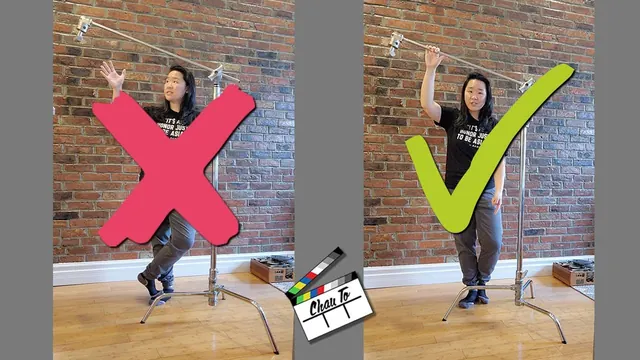 1:47C-Stand Safety TipsNatalie Chau Films · 1:47
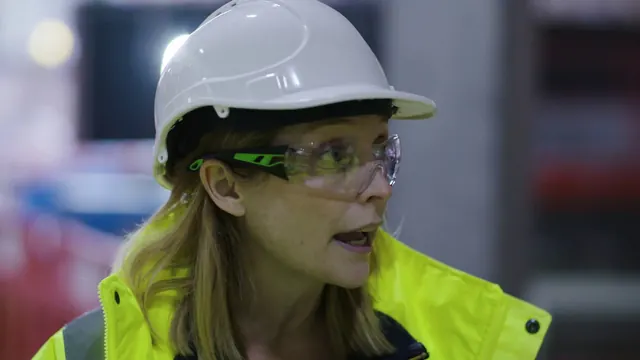 3:31Working from Height - Site Safety Plus Short FilmCITB · 3:31
The hazards
7What hurts people in this department on UK sets, and what keeps them safe.
- Stands and bagsA C-stand goes up with the heavy leg under the load and a sandbag on it. Every stand, every time. A stand that falls on someone is the most common grip accident.
- Carrying and liftingDolly track, weights and cases are heavy. Lift with two people, use the trolley, and say "coming through" and "corner" as you move.
- Dollies and trackKeep feet, fingers and cables out from under the wheels. Nobody sits on track. The dolly grip calls the move.
- Cranes and armsOnly trained, certified grips build and swing a crane. Everyone else stays out of the swing and never steps on or off a loaded crane without the operator saying so.
- Working at heightTowers, scaffold and platforms go up only with the right training and a check. Tools are tied off. Nobody works under a load being lifted.
- VehiclesCar rigs and tracking vehicles are planned with the key grip and the 1st AD, on closed roads or with police and permits. Nobody rides on a rig unless it was planned that way.
- Overhead linesCranes, arms and long poles stay well clear of overhead power lines, outdoors and on backlots.
Who is responsible
- The key grip runs grip safety and signs off every rig.
- The dolly grip owns the dolly and the move.
- Crane and vehicle rigs are built only by certified grips.
- The 1st AD briefs the unit and calls stop.
As a trainee, never
- Never leave a stand un-bagged.
- Never sit or stand on track, a dolly or a crane unless the grip tells you to.
- Never touch a rig you haven't been shown, even to move it an inch.
Anyone can say stop. If something feels wrong, say so to your head of department or the 1st AD.
Where this comes from
- HSE: theatre, film and TVThe Health and Safety Executive's guidance for screen and stage.
- HSE: manual handlingAvoid, assess, reduce (Manual Handling Operations Regulations 1992).
- HSE: work at heightLadders, towers and platforms (Work at Height Regulations 2005).
- HSE: LOLERLifting equipment and anything lifted overhead (LOLER 1998).
- HSE GS6: overhead power linesWhy poles, booms, ladders and cranes stay well clear of overhead lines.
- Mark Milsome FoundationSafety training and support for crew and new entrants.
Checked 13 November 2026. This is awareness, not a safety qualification: follow your production's risk assessment and your head of department.
AI in film and TV
How AI fits this department
Camera paths planned in 3D and previs are increasingly handed to grips and robotic rigs. Safe, repeatable moves on set are what makes reference-driven AI shots work.
Learning path: AI for camera departments The AI channel Consent and credit
Grip, in detail
What grip does
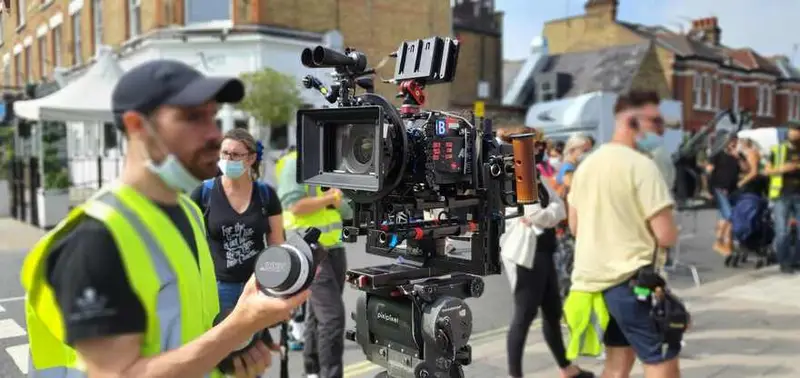
Grips put the camera where it needs to be and move it. They lay and level track, push the dolly, build cranes and jibs, rig cameras to vehicles and structures, and mount heads and sliders. In prep they plan camera support with the DoP and operator, and write the risk assessment for every rig.
UK grip teams are often small: a key grip, a best boy grip and grips, with specialists for cranes and remote heads.
Who grip works with
The DoP and camera operator, on every move. The focus puller on rigs and builds. The 1st AD on safety and timings. Lighting on shared rigs and power. Locations and the art department on what can be fixed to a set or building.
Kit and vocabulary
- Dolly: the wheeled camera platform, run on track or floor.
- Track: straight and curved rails, levelled with wedges.
- Jib and crane: arms that lift and swing the camera; larger cranes may carry a remote head.
- Remote head: a camera head operated from a distance.
- Rostrum / high hat / low boy: platforms and mounts for low and high positions.
- Car rig / low loader: for shooting in and around moving vehicles.
- Sandbag and apple box: the most-used pieces of kit on any set.
How to get in
Start as a trainee grip with a rental house or a key grip. In England the Junior grip apprenticeship (ST1318) is a formal route. Bectu certification follows experience and the diplomas above.
Pay: Bectu Grips Branch card, April 2024.
Where Futures in Film helps
Grip has its own apprenticeship and branch grading. Grip: where to go sets out the routes, and on a production simulation week (dates soon: register interest) you can work alongside grips on a crewed unit.
Who to know: Grip
 BFC Skills and Social Responsibility Directory Searchable directory of UK organisations running screen training, skills and inclusion schemes.
 ScreenSkills job profiles Profiles of hundreds of screen jobs: what each role does and how to get in.
 ScreenSkills Select ScreenSkills' endorsement of university and college courses that are relevant to industry.
 6ft From the Spotlight Wellbeing and welfare support for UK productions and crew.
 BEAU (Broadcasting, Entertainment and Arts Unions) Brings together Bectu, Equity, the Musicians' Union and the Writers' Guild; formerly FEU and FEU Training.
 Bectu branches Bectu's craft and regional branches (camera, grips, costume and wardrobe, hair and make-up, art department and more) represent each grade.

Other departments
17 departments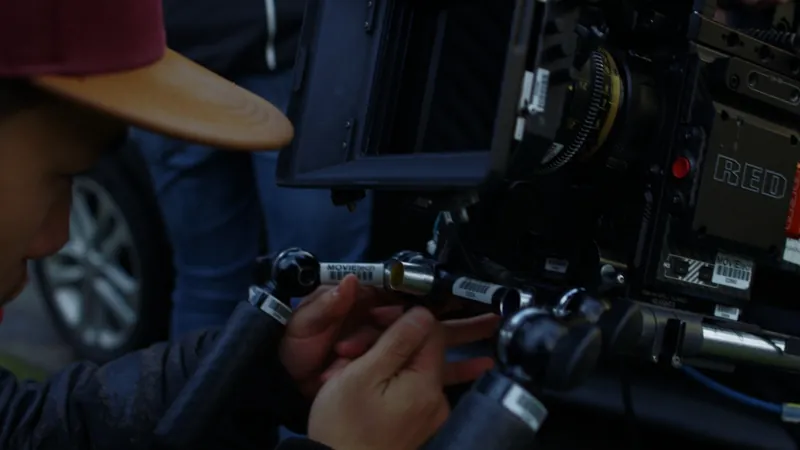 Camera, 1187 films
 Lighting, 252 films
 Sound, 214 films
 Virtual production New, 118 films
 AI tools New, 83 films
 Art department, 149 films
 Costume, 94 films
 Hair and make-up, 54 films
 Assistant directors, 54 films
 Production, 654 films
 Locations, 84 films
 Script supervision, 108 films
 Editorial and post, 469 films
 VFX, 218 films
 SFX, 20 films
 Stunts, 32 films
 Health and safety, 73 films
Where we come in
Grip trainees work on our units with dollies, track and remote heads, alongside a key grip.
Read for grip
The magazines and books people in grip read. Borrow the books free from a library.
 Free online; print by subscriptionBritish CinematographerThe UK magazine of cinematography: how camera, lighting and grip teams built the look, issue by issue.UKRead British Cinematographer
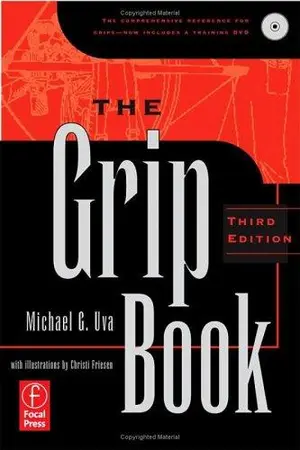 The Grip BookMichael G. UvaStands, rigging, dollies and cranes, explained by a working key grip.Look it up The Grip Book (opens Open Library)
All resources and reading: trade press, directories, libraries and more
Events for grip
5Shows, festivals and careers days where grip crew go to learn and meet people. Dates checked on each organiser's site.
-
CamerimageA week where cinematographers talk about nothing but the image.Toruń, Poland
Entry cards on the festival siteGo to the event site : Camerimage -
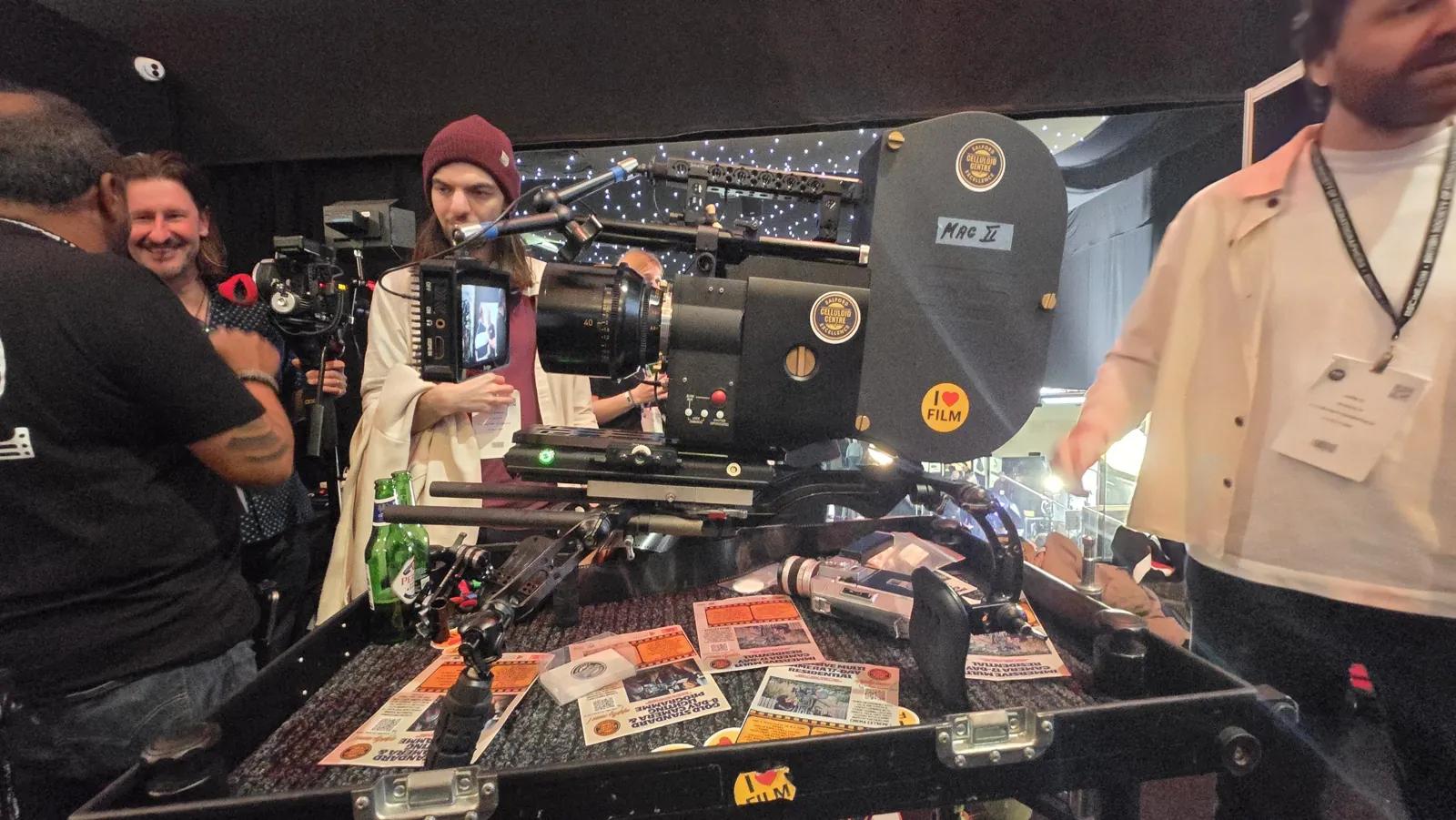
Free to registerGo to the event site : BSC Expo -
PLASA Focus LeedsThe lighting show for the North: easier to talk to people.Leeds
Register freeGo to the event site : PLASA Focus Leeds -
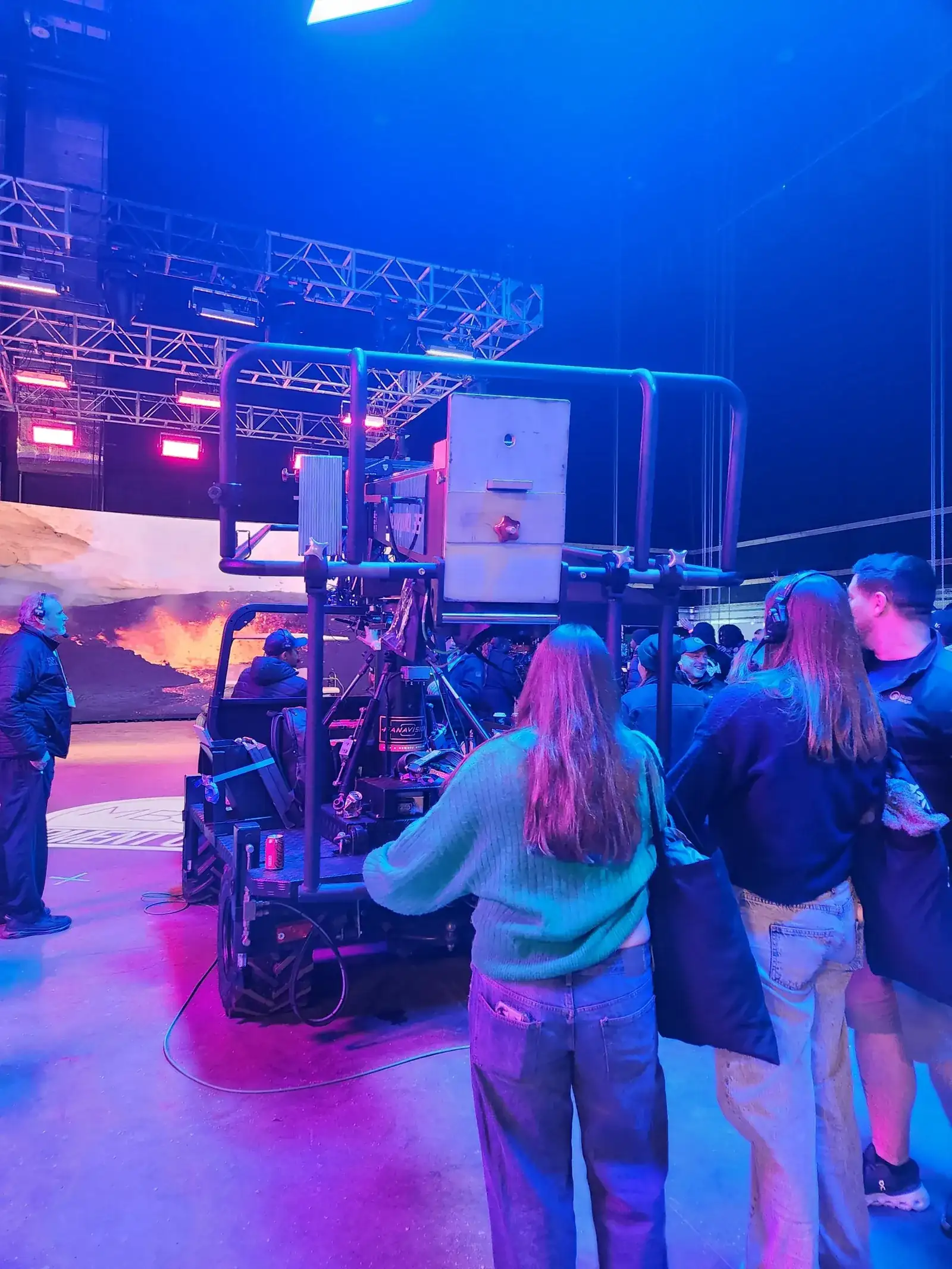
Free; book a sessionGo to the event site : Pinewood Futures Festival -
Dates usually announced for OctoberInternational Motor Film Awards and Trade ExpoWhere vehicle-rigging, tracking vehicle and camera car crews meet.Alexandra Palace, London
Free to register for the expoGo to the event site : International Motor Film Awards and Trade Expo


Last reviewed 9 November 2026