
Department guide · Costume
Every costume designed, sourced, fitted, aged and kept in continuity.
The costume department dresses every actor and supporting artist, and keeps them looking the same from take to take.

Career ladder · 6 grades
Costume trainee to Costume designer
Laundry, rails, labelling, runs, helping in fittings.

Learning path · free · 19 films
Costume, hair and make-up
Hygiene, patch tests and dignity in fittings first. Then how costume and hair and make-up design, fit, keep continuity and create effects for the screen.
Watch: Costume
8 items Paul Laverty | BAFTA Screenwriters' Lecture SeriesBAFTA Guru · Masterclass
 Moira Buffini | BAFTA Screenwriters' Lecture SeriesBAFTA Guru · Masterclass
 William Nicholson | BAFTA Screenwriters' Lecture SeriesBAFTA Guru · Masterclass
 Frank Cottrell Boyce | BAFTA Screenwriters' Lecture SeriesBAFTA Guru · Masterclass
 Nadine Labaki | BAFTA Screenwriters' Lecture SeriesBAFTA Guru · Masterclass
 Guillermo Arriaga | BAFTA Screenwriters' Lecture SeriesBAFTA Guru · Masterclass
 John Logan | BAFTA Screenwriters' Lecture SeriesBAFTA Guru · Masterclass
 How writer/director Ben Sharrock took Limbo from idea to big screen release | BAFTA Guru LiveBAFTA Guru · Masterclass
Career ladder
From first job to head of department
The supervisor runs the department; the designer leads it. Designers come up through supervision or through design assisting.
Costume department
- Entry grade Costume trainee Laundry, rails, labelling, runs, helping in fittings.Read the role
-
Step 2 Junior costume assistant Dressing supporting artists, continuity notes, maintenance.
-
Step 3
Costume assistantAlso: standby costume
Dressing principals, standing by on set, the continuity record.Watch and read
-
Step 4 Assistant costume supervisor Running a section: crowd, a truck, a second unit.
-
Step 5 Costume supervisor Runs the department: budget, crew, schedule, hires, returns.
-
 Top of the ladder
Costume designer
Head of department: the look of every character.Watch and read
Specialists branch off the ladder at the grade shown; they aren't steps on it
- Costume makerbeside Costume assistantMakes garments from pattern.
- Cutterbeside Costume assistantDrafts and cuts patterns.
- Breakdown artistbeside Costume assistantAges and distresses costume.
- Millinerbeside Costume assistantHats and headwear.
- Dyer and textile artistbeside Costume assistantDyes, prints and finishes fabric.
Design
Parallel ladder-
Entry grade Design assistant Research and references for the designer.
-
Step 2 Assistant costume designer Research, sourcing and fittings for the designer.
- Top of the ladder Costume designer Many designers come up this way rather than through supervision.Read the role
Grade by grade: what you need before moving up
| Grade | What you do | Before moving up |
|---|---|---|
| Costume trainee | Laundry, rails, labelling, runs, helping in fittings. | Knowing the truck, the paperwork and how the department runs. |
| Junior costume assistant | Dressing supporting artists, continuity notes, maintenance. | Reliable continuity, basic sewing and alterations. |
| Costume assistantAlso: standby costume | Dressing principals, standing by on set, the continuity record. | A full shoot standing by on your own cast. |
| Assistant costume supervisor | Running a section: crowd, a truck, a second unit. | Managing people and stock. |
| Costume supervisor | Runs the department: budget, crew, schedule, hires, returns. | Budgets, logistics, several shows as ACS. |
| Costume designer | Head of department: the look of every character. | A body of work and a director who trusts you. |
| Grade | What you do | Before moving up |
|---|---|---|
| Design assistant | Research and references for the designer. | |
| Assistant costume designer | Research, sourcing and fittings for the designer. | Design eye, research and sourcing skill. |
| Costume designer | Many designers come up this way rather than through supervision. |
Bectu Costume film card, November 2025 (rate cards index) · Every department's ladder: Careers A–Z · Getting work · Working freelance
Learn it, step by step
4 paths- Costume · New to set to working crewCostume, hair and make-up19 lessons · about 3.5 hours · freeStart path
 Art department · New to set to working crewProduction design and the art department21 lessons · about 3 hours · freeStart path
 Health and safety · New to setYour first day on set19 lessons · about 3 hours · freeStart path
- Health and safety · New to setStunts, SFX and armoury: awareness for everyone on set19 lessons · about 4.5 hours · freeStart path
Safety first
Fittings, dignity, tools and dyes
Costume works close to people's bodies, often when they are partly dressed. Dignity, consent and a chaperone are part of the job. So are sharp tools, hot irons, dyes and heavy rails.
Watch first
Module 1 of Costume, hair and make-up. Mark them done there to track your progress.
 16:29Screen Careers: Costume DesignerFfilm Cymru Wales · 16:29
 6:02What does a Wardrobe Supervisor do?Alina Asks · 6:02
- 17:44Introduction to Health and Safety in Film and TelevisionXpoNorth Digital · 17:44
The hazards
6What hurts people in this department on UK sets, and what keeps them safe.
- Fittings and dignityAsk before you touch. Explain what you're doing. Offer a robe. Fittings with children or vulnerable adults have a chaperone, and a performer can always ask for one.
- Intimate scenesCostume for nude or intimate scenes (modesty garments, robes) is agreed with the performer and the intimacy coordinator. Closed set, minimum crew, robe ready the moment the take ends.
- Sharp tools and ironsScissors, blades and pins go back in the kit, not left on chairs. Steamers and irons are hot and heavy; switch them off and keep cables tidy.
- Dyes, sprays and breakdownDyes, fabric paint, sprays and solvents used to break costumes down need ventilation, gloves and a mask where the label says so. Check COSHH sheets.
- Heat, cold and weightHeavy, period or armour-style costumes and wetsuits put strain on actors. Plan breaks, water and warm layers. Watch for overheating under lights.
- Rails and the truckLoaded rails are heavy and tip. Push, don't pull, with two people on ramps and tail lifts.
Who is responsible
- The costume designer and supervisor run the department and its safety.
- The intimacy coordinator and 1st AD agree closed-set arrangements.
- Chaperones are booked by the production for children.
- Every assistant is responsible for their own tools and kit.
As a trainee, never
- Never touch a performer without asking and explaining first.
- Never be alone in a fitting with a child.
- Never leave pins, blades or a hot iron where someone can sit or lean on them.
Anyone can say stop. If something feels wrong, say so to your head of department or the 1st AD.
Where this comes from
- HSE: theatre, film and TVThe Health and Safety Executive's guidance for screen and stage.
- HSE: COSHHHazardous substances: solvents, adhesives, dyes, sprays and dust.
- HSE: manual handlingAvoid, assess, reduce (Manual Handling Operations Regulations 1992).
- The Children (Performances and Activities) (England) Regulations 2014Licences, chaperones, hours and breaks. Scotland, Wales and Northern Ireland have their own rules.
- Bectu: intimacy coordinators branchThe branch for intimacy coordinators, with guidance on closed sets and consent.
- CIISAThe Creative Industries Independent Standards Authority: report bullying and harassment.
Checked 13 November 2026. This is awareness, not a safety qualification: follow your production's risk assessment and your head of department.
AI in film and TV
How AI fits this department
AI appears in concept and continuity tools. Real costume on real performers remains the reference that digital work depends on.
Learning path: Rights, consent and disclosure The AI channel Consent and credit
Costume, in detail
What it does on a UK unit
The costume designer decides what every character wears and why. The department buys, hires and makes the costumes, fits them, breaks them down so they look lived in, and keeps continuity across a shoot that runs out of order.
The costume supervisor runs logistics and budget. On the day, standby costume stay on set with the cast and a second team dresses the crowd.
Fittings, approvals and making can take weeks before the shoot. A period drama or big crowd day can add a costume house, a workroom and dozens of dailies.
Who it works with
- Director and cast: character, fittings and approvals.
- Hair and make-up: the whole look of each character, decided together.
- Production designer: palette and period.
- ADs: cast and supporting artist call times, and the costume time on the call sheet.
- Stunts and SFX: doubles' costumes, padding, multiples and anything that gets wet, burned or torn.
Kit and vocabulary
| Term | What it means |
|---|---|
| Fitting | A session where an actor tries on costume for approval and alteration |
| Breakdown | Ageing, dirtying or distressing a costume so it looks worn |
| Multiples | Identical copies of a costume for stunts, blood or water scenes |
| Continuity photos | Pictures of each actor in costume, logged per scene |
| Costume bible | The record of every character's costumes, scene by scene |
| Dailies | Extra costume crew booked for big crowd days |
| Standby kit | The bag of tape, pins, sewing kit and stain remover carried on set |
How to get in
Most people start as a costume trainee. Costume, fashion and textile courses are common, but sewing, alterations, laundry and organisation matter more than the degree. Costume houses and theatre wardrobes are good first employers. The ScreenSkills Trainee Finder places costume trainees. Dailies work on crowd days is a common way to be seen.
Pay
Use the current Bectu cards: costume film rate card, November 2025 and costume TV rate card, November 2025.
Where Futures in Film helps
We don't run a costume course. These pages will help you get to a first costume job:
- Your first day on set: the floor, the call sheet and the radio, and what to do before you arrive.
- Routes in: trainee schemes that place costume trainees.
- Representation and rates: unions, guilds and rate cards.
Who to know: Costume
 BFC Skills and Social Responsibility Directory Searchable directory of UK organisations running screen training, skills and inclusion schemes.
 ScreenSkills job profiles Profiles of hundreds of screen jobs: what each role does and how to get in.
 ScreenSkills Select ScreenSkills' endorsement of university and college courses that are relevant to industry.
 6ft From the Spotlight Wellbeing and welfare support for UK productions and crew.
 BEAU (Broadcasting, Entertainment and Arts Unions) Brings together Bectu, Equity, the Musicians' Union and the Writers' Guild; formerly FEU and FEU Training.
 Bectu branches Bectu's craft and regional branches (camera, grips, costume and wardrobe, hair and make-up, art department and more) represent each grade.
 The Costume Society Society for the study of dress history; bursaries, talks and research useful to costume designers.
Other departments
17 departments Camera, 1187 films
 Lighting, 252 films
 Grip, 147 films
 Sound, 214 films
 Virtual production New, 118 films
 AI tools New, 83 films
 Art department, 149 films
 Hair and make-up, 54 films
 Assistant directors, 54 films
 Production, 654 films
 Locations, 84 films
 Script supervision, 108 films
 Editorial and post, 469 films
 VFX, 218 films
 SFX, 20 films
 Stunts, 32 films
 Health and safety, 73 films
Read for costume
6The magazines and books people in costume read. Borrow the books free from a library.
- Free to Costume Society members; libraries may subscribeCostumeThe Costume Society's dress-history journal, twice a year: the research behind period costume.UKRead Costume
- Back issues listed onlineThe Costume DesignerThe Costume Designers Guild's quarterly: designers, assistants and illustrators on their work.USRead The Costume Designer
 Make-up, Hair and Costume for Film and TelevisionJan MusgroveA UK guide to continuity, design and the working day in HMU and costume.Look it up Make-up, Hair and Costume for Film and Television (opens Open Library)
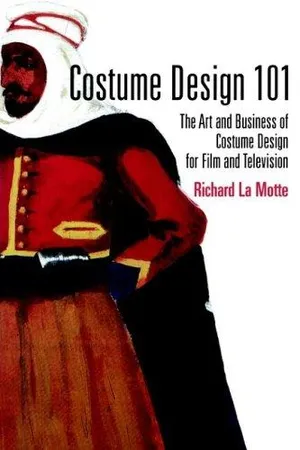 Costume Design 101Richard La MotteThe art and business of costume design for film and TV: breakdowns, budgets, fittings and the shoot.Look it up Costume Design 101 (opens Open Library)
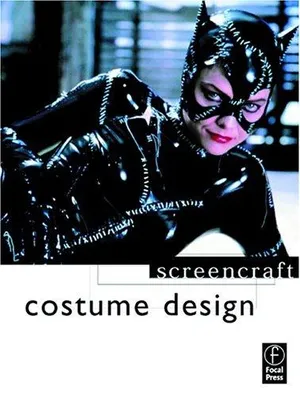 Costume DesignDeborah Nadoolman LandisScreencraft series: leading costume designers talk through their films, with drawings and stills.Look it up Costume Design (opens Open Library)
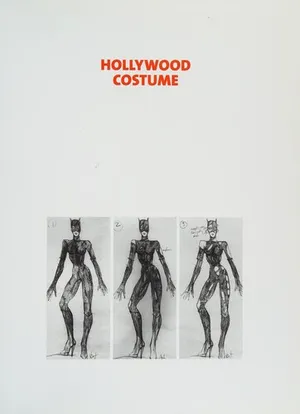 Hollywood CostumeDeborah Nadoolman LandisThe book of the V&A exhibition: how costume builds character, from the silent era to now.Look it up Hollywood Costume (opens Open Library)
All resources and reading: trade press, directories, libraries and more
Events for costume
Shows, festivals and careers days where costume crew go to learn and meet people. Dates checked on each organiser's site.
-
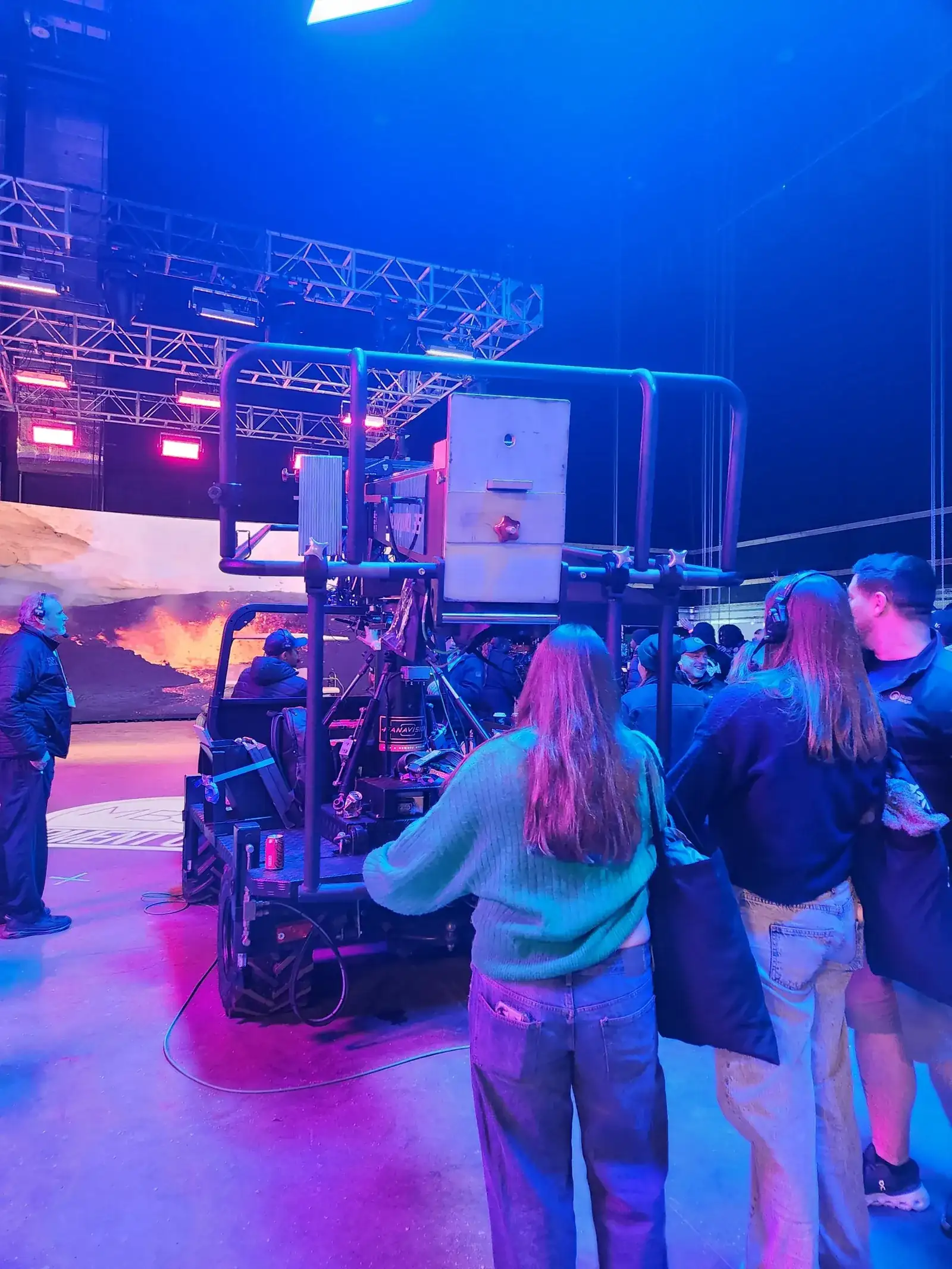
Free; book a sessionGo to the event site : Pinewood Futures Festival  Month by monthEvery event and expoShows, festivals and careers days across the UK for every department, with dates checked on each organiser's site.See the calendar

Last reviewed 9 November 2026