

Department guide · Hair and make-up
Every face and every head of hair, designed, applied and kept in continuity.
Hair and make-up design each character's look, apply it every morning and maintain it through the shooting day.
-
Career ladder · 6 grades
Hair and make-up trainee to Hair and make-up designer
Kit, the trailer, helping artists, simple looks on crowd.

Learning path · free · 19 films
Costume, hair and make-up
Hygiene, patch tests and dignity in fittings first. Then how costume and hair and make-up design, fit, keep continuity and create effects for the screen.
Watch: Hair and make-up
8 items Paul Laverty | BAFTA Screenwriters' Lecture SeriesBAFTA Guru · Masterclass
 Moira Buffini | BAFTA Screenwriters' Lecture SeriesBAFTA Guru · Masterclass
 William Nicholson | BAFTA Screenwriters' Lecture SeriesBAFTA Guru · Masterclass
 Frank Cottrell Boyce | BAFTA Screenwriters' Lecture SeriesBAFTA Guru · Masterclass
 Nadine Labaki | BAFTA Screenwriters' Lecture SeriesBAFTA Guru · Masterclass
 Guillermo Arriaga | BAFTA Screenwriters' Lecture SeriesBAFTA Guru · Masterclass
 John Logan | BAFTA Screenwriters' Lecture SeriesBAFTA Guru · Masterclass
 How writer/director Ben Sharrock took Limbo from idea to big screen release | BAFTA Guru LiveBAFTA Guru · Masterclass
Career ladder
From first job to head of department
Common UK practice and ScreenSkills profiles; check names against the Bectu hair, make-up and prosthetics card.
Hair and make-up
- Entry grade Hair and make-up trainee Kit, the trailer, helping artists, simple looks on crowd.Read the role
-
Step 2 Junior artist Supporting artists, crowd, assisting on cast.
- Step 3 Hair and make-up artist Your own cast in the chair; standing by on set.Read the role
-
Step 4 Key artistAlso: senior artist; crowd supervisor Lead cast, or running a crowd team.
-
Step 5 Hair and make-up supervisor Runs the department day to day: crew, schedule, stock.
-
Top of the ladder
Hair and make-up designer
Head of department: the look of every character.Watch and read
Prosthetics
Parallel ladder-
Entry grade Prosthetics technician Moulding, casting and running pieces in the workshop.
-
Step 2 Prosthetics artist Applies and maintains prosthetics on set.
-
Top of the ladder Prosthetics designerAlso: prosthetics supervisor Designs and supervises the prosthetic work.
Grade by grade: what you need before moving up
| Grade | What you do | Before moving up |
|---|---|---|
| Hair and make-up trainee | Kit, the trailer, helping artists, simple looks on crowd. | Hygiene, kit care and speed. |
| Junior artist | Supporting artists, crowd, assisting on cast. | Speed and consistency on crowd; continuity notes. |
| Hair and make-up artist | Your own cast in the chair; standing by on set. | A full shoot with your own actors. |
| Key artistAlso: senior artist; crowd supervisor | Lead cast, or running a crowd team. | Leading a team on big crowd days. |
| Hair and make-up supervisor | Runs the department day to day: crew, schedule, stock. | Managing a department under the designer. |
| Hair and make-up designer | Head of department: the look of every character. | A body of work and a director who trusts you. |
| Grade | What you do |
|---|---|
| Prosthetics technician | Moulding, casting and running pieces in the workshop. |
| Prosthetics artist | Applies and maintains prosthetics on set. |
| Prosthetics designerAlso: prosthetics supervisor | Designs and supervises the prosthetic work. |
Bectu hair, make-up and prosthetics card (rate cards index) · Every department's ladder: Careers A–Z · Getting work · Working freelance
Learn it, step by step
4 paths- Costume · New to set to working crewCostume, hair and make-up19 lessons · about 3.5 hours · freeStart path
 Art department · New to set to working crewProduction design and the art department21 lessons · about 3 hours · freeStart path
 Health and safety · New to setYour first day on set19 lessons · about 3 hours · freeStart path
- Health and safety · New to setStunts, SFX and armoury: awareness for everyone on set19 lessons · about 4.5 hours · freeStart path
Safety first
Hygiene, skin tests and dignity
Hair and make-up work on faces, eyes and skin, all day. Hygiene stops infections, patch tests stop reactions, and consent and dignity matter in a chair as much as on set.
Watch first
Module 1 of Costume, hair and make-up. Mark them done there to track your progress.
- 17:01Makeup Kit Sanitation | Your ultimate step-by-step guideJulie Ruby · 17:01
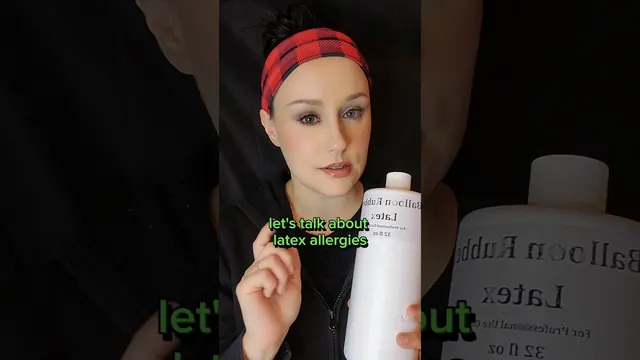 0:49Latex patch testLinko Jelenova · 0:49
 20:40Screen Careers: Hair & Make-Up DesignFfilm Cymru Wales · 20:40
The hazards
6What hurts people in this department on UK sets, and what keeps them safe.
- HygieneClean brushes, disposables for eyes and lips, no double-dipping, sanitised tools between performers. A dirty kit spreads infection across a cast.
- Patch tests and allergiesAdhesives, latex, dyes and some products cause reactions. Ask about allergies at the first chair and patch-test in good time before the shoot day.
- Prosthetics and chemicalsProsthetic materials, adhesives and removers need ventilation and the right handling. Prosthetics are applied and removed by trained artists only.
- Heat and sharpsTongs, irons and dryers are hot. Razors and blades go in a sharps box. Cables tidy in a busy trailer.
- Consent and touchExplain what you're doing before you do it, especially around the face, neck and hair. Some performers have faith or cultural needs about hair and touch. Ask, and plan with them.
- Long chair timesEarly calls and long prosthetic applications mean fatigue for artists and performers. Plan breaks, posture and water.
Who is responsible
- The HMU designer and supervisor run the department and its safety.
- Prosthetics are applied and removed by trained artists.
- The production books chaperones for children.
- Each artist owns their kit's hygiene.
As a trainee, never
- Never use a product on someone without asking about allergies first.
- Never apply or remove a prosthetic you haven't been trained on.
- Never share an eye or lip product between performers.
Anyone can say stop. If something feels wrong, say so to your head of department or the 1st AD.
Where this comes from
- HSE: theatre, film and TVThe Health and Safety Executive's guidance for screen and stage.
- HSE: COSHHHazardous substances: solvents, adhesives, dyes, sprays and dust.
- The Children (Performances and Activities) (England) Regulations 2014Licences, chaperones, hours and breaks. Scotland, Wales and Northern Ireland have their own rules.
- NHS: contact dermatitisSigns of an allergic skin reaction.
- CIISAThe Creative Industries Independent Standards Authority: report bullying and harassment.
Checked 13 November 2026. This is awareness, not a safety qualification: follow your production's risk assessment and your head of department.
AI in film and TV
How AI fits this department
Digital de-ageing and clean-up now sit alongside prosthetics and make-up. Consent for a performer's likeness is written and specific.
Learning path: Rights, consent and disclosure The AI channel Consent and credit
Hair and make-up, in detail
What it does on a UK unit
The designer decides how every character looks, from a natural day look to period wigs, wounds, ageing and prosthetics. The department applies the looks every morning, often hours before unit call, and keeps them right through every take and across a schedule that jumps about, sometimes for months.
In UK drama hair and make-up is one department and one craft: artists do both. Prosthetics may be a separate team or a specialist company.
Who it works with
- Director and cast: character looks, tests and approvals.
- Costume designer: the whole look of each character, agreed together.
- ADs: the time each actor needs in the chair, which shapes the whole call sheet.
- DoP and the grade: how skin reads on camera and in the colour grade.
- Prosthetics, SFX and VFX: wounds, blood, ageing, and tracking markers on faces.
Kit and vocabulary
| Term | What it means |
|---|---|
| The chair | Make-up time before an actor goes to set, listed on the call sheet |
| Checks / last looks | The final touch-up the AD calls for just before a take |
| Continuity sheet | The record of each character's look per scene, with photographs |
| Lace-front wig | A wig with a fine lace hairline, glued for a natural edge |
| Appliance | A prosthetic piece applied to the skin |
| Patch test | Testing a product on skin before use, to check for a reaction |
| Crowd base | The area where supporting artists are prepared |
How to get in
Most people start as a hair and make-up trainee. You need both hair and make-up skills: a hairdressing qualification and a media or theatrical make-up course are a common combination. Salon, theatre, fashion and bridal work all help. The ScreenSkills Trainee Finder places hair and make-up trainees, and crowd days are a common first job.
Pay
Check the hair and make-up branch card on the Bectu rate cards index. The index shows the current version.
Where Futures in Film helps
We don't run a hair and make-up course. These pages will help you get to a first job:
- Your first day on set: how the floor works, for people who have never been on a set.
- Routes in: trainee schemes that place hair and make-up trainees.
- Faith-literate production (planned): schedules and working conditions that suit crews and cast of all faiths and none.
- Representation and rates: unions, guilds and rate cards.
Who to know: Hair and make-up
 BFC Skills and Social Responsibility Directory Searchable directory of UK organisations running screen training, skills and inclusion schemes.
 ScreenSkills job profiles Profiles of hundreds of screen jobs: what each role does and how to get in.
 ScreenSkills Select ScreenSkills' endorsement of university and college courses that are relevant to industry.
 6ft From the Spotlight Wellbeing and welfare support for UK productions and crew.
 BEAU (Broadcasting, Entertainment and Arts Unions) Brings together Bectu, Equity, the Musicians' Union and the Writers' Guild; formerly FEU and FEU Training.
 Bectu branches Bectu's craft and regional branches (camera, grips, costume and wardrobe, hair and make-up, art department and more) represent each grade.
Other departments
17 departments Camera, 1187 films
 Lighting, 252 films
 Grip, 147 films
 Sound, 214 films
 Virtual production New, 118 films
 AI tools New, 83 films
 Art department, 149 films
 Costume, 94 films
 Assistant directors, 54 films
 Production, 654 films
 Locations, 84 films
 Script supervision, 108 films
 Editorial and post, 469 films
 VFX, 218 films
 SFX, 20 films
 Stunts, 32 films
 Health and safety, 73 films
Read for hair and make-up
5The magazines and books people in hair and make-up read. Borrow the books free from a library.
- SubscriptionMake-Up Artist MagazineThe trade magazine for film, TV and stage make-up artists: prosthetics, techniques and products.US and internationalRead Make-Up Artist Magazine
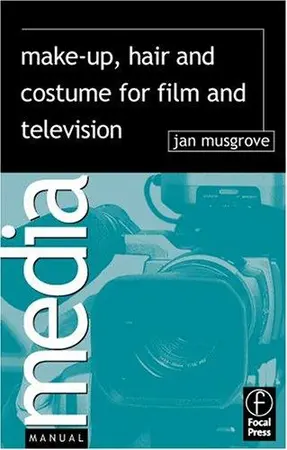 Make-up, Hair and Costume for Film and TelevisionJan MusgroveA UK guide to continuity, design and the working day in HMU and costume.Look it up Make-up, Hair and Costume for Film and Television (opens Open Library)
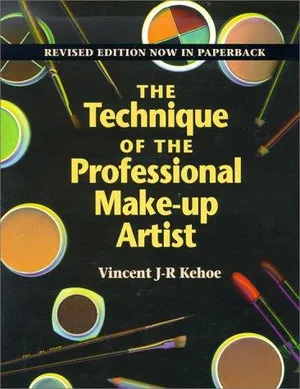 The Technique of the Professional Make-up ArtistVincent J-R KehoeThe classic make-up text for film and TV: skin, colour, ageing, hair work and continuity.Look it up The Technique of the Professional Make-up Artist (opens Open Library)
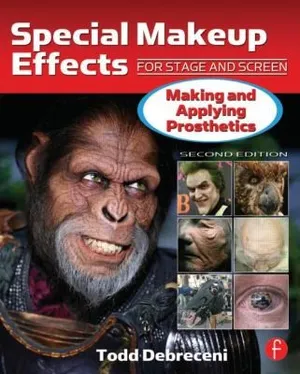 Special Makeup Effects for Stage and ScreenTodd DebreceniMaking and applying prosthetics, step by step, with the safety of the performer first.Look it up Special Makeup Effects for Stage and Screen (opens Open Library)
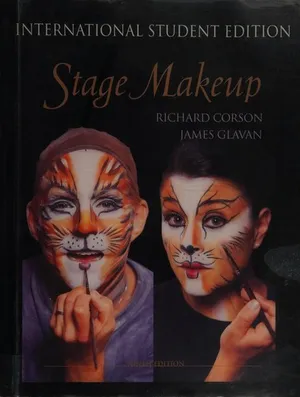 Stage MakeupRichard CorsonThe long-running reference on faces, ageing and character make-up, in print for decades.Look it up Stage Makeup (opens Open Library)
All resources and reading: trade press, directories, libraries and more
Events for hair and make-up
Shows, festivals and careers days where hair and make-up crew go to learn and meet people. Dates checked on each organiser's site.
-
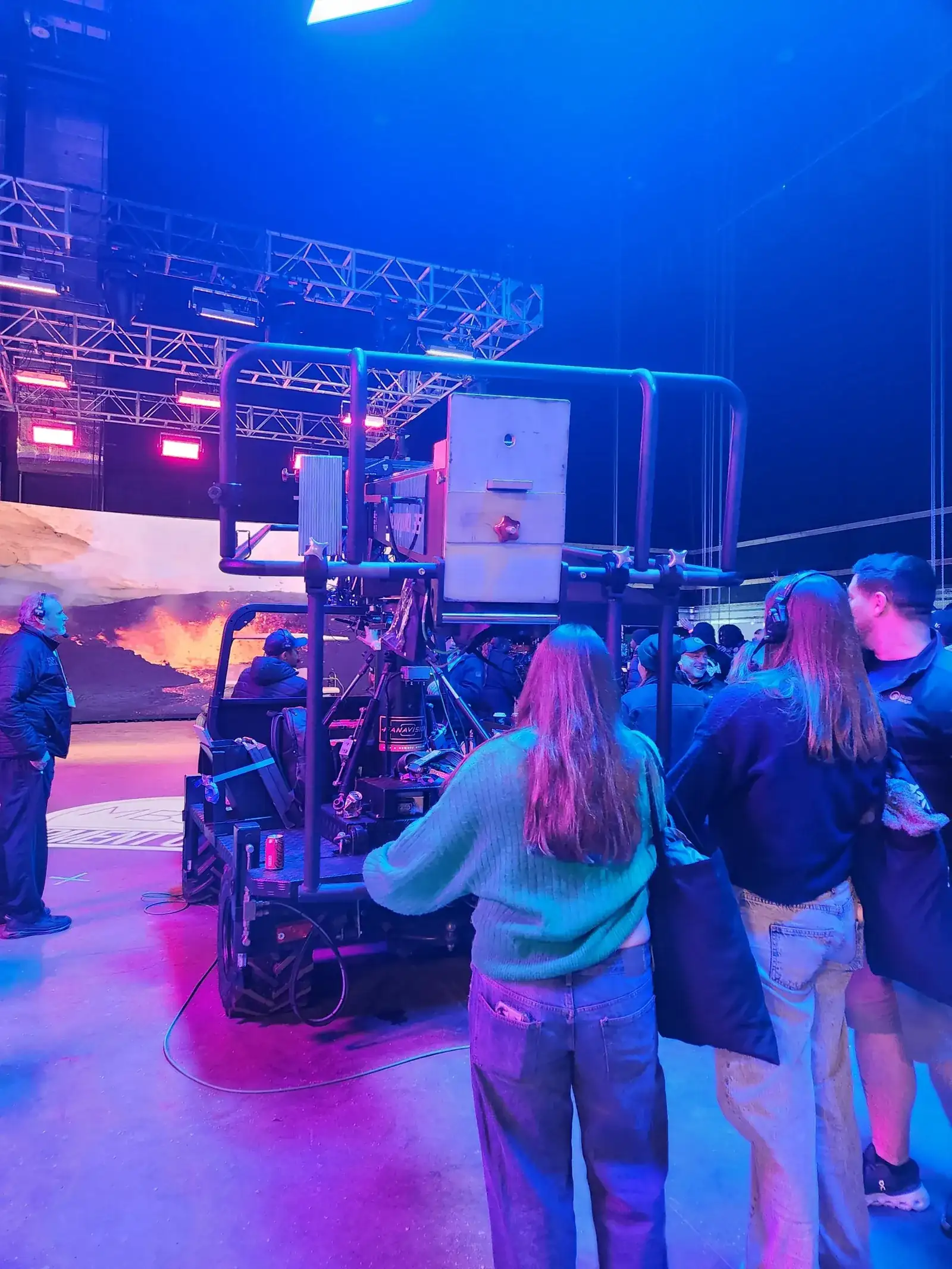
Free; book a sessionGo to the event site : Pinewood Futures Festival  Month by monthEvery event and expoShows, festivals and careers days across the UK for every department, with dates checked on each organiser's site.See the calendar

Next for Hair and make-up
Last reviewed 9 November 2026