
Department · Locations
Locations finds the places and keeps the permission.
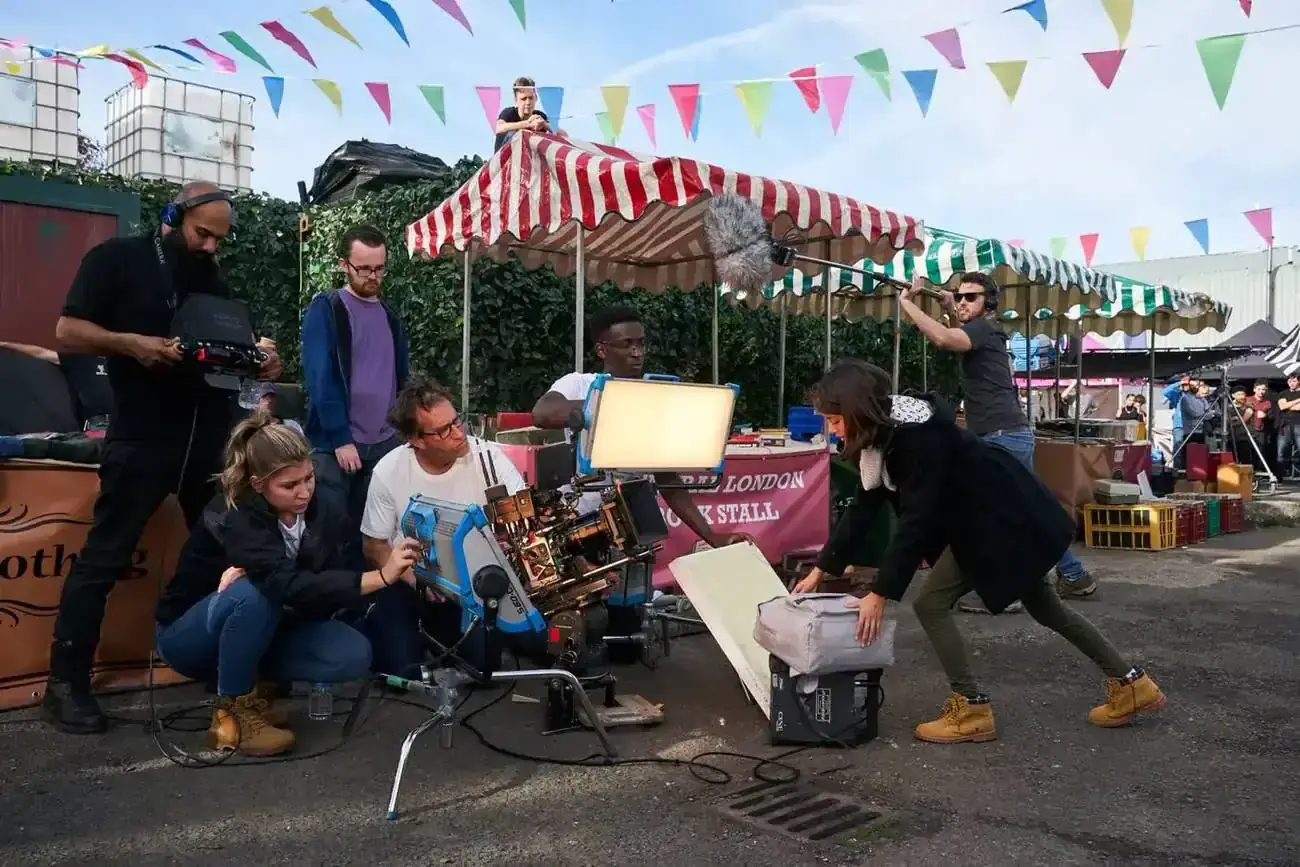
The locations department finds where the story is shot, negotiates the right to be there and leaves each place as it was found.

Learning path · free · 12 films
AI for producers
Where AI saves time and money in development, prep and delivery, what it costs, and the consent, copyright, disclosure and union rules UK producers must follow. Last checked 11 November 2026.

Watch: Locations
8 items Bound for Lagos (1960) | BFI National ArchiveBFI National Archive · Archive
 Duel to the Death (1898) | BFI National ArchiveBFI National Archive · Archive
 Beauty in Brief (1955) | BFI National ArchiveBFI National Archive · Archive
 Alice in Wonderland (1903) - Lewis Carroll | BFI National ArchiveBFI National Archive · Archive
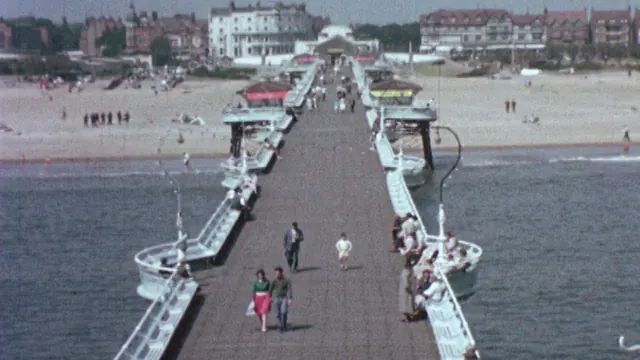 We Chose Skegness (1961) | Britain on FilmBFI National Archive · Archive
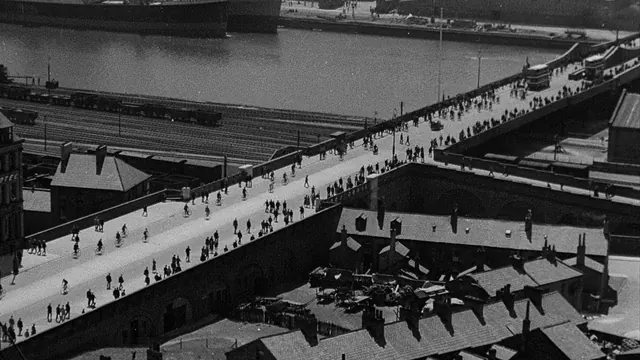 Shipyard (1935) | Britain on FilmBFI National Archive · Archive
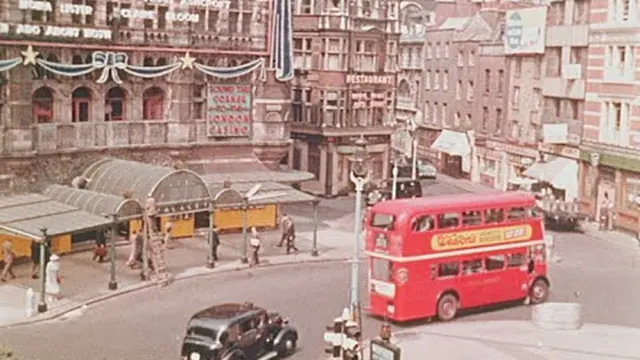 Sunshine in Soho (1956) | Britain On FilmBFI National Archive · Archive
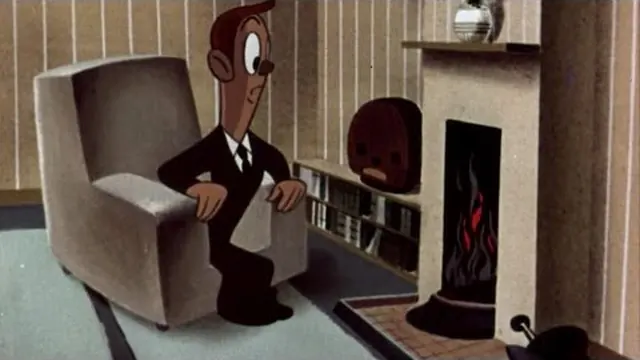 Halas & Batchelor: Charley's Black Magic (1949) | BFI National ArchiveBFI National Archive · Archive
Career ladder
From first job to head of department
Unit managers and assistant location managers work side by side: one runs the day, the other finds and secures the places.
Locations
-
Entry grade Location marshal Parking, cones, security, guiding crew in.
-
 Step 2
Locations assistantAlso: unit assistant
Unit base set-up, signage, facilities, the public, the clean-up.Watch and read
-
Step 3 Assistant location manager Finding and managing locations for the location manager.
-
 Step 4
Location manager
Finds, secures and runs every location.Watch and read
-
Top of the ladder Supervising location manager The department head on large productions.
Specialists branch off the ladder at the grade shown; they aren't steps on it
- Location coordinatorbeside Assistant location managerContracts, permits and letters to residents.
- Location scoutbeside Assistant location managerFinds options in prep; often freelance.
Unit base
Parallel ladder-
Entry grade Assistant unit manager Unit base on the day: vehicles, power, facilities, marshals.
-
Top of the ladder Unit manager Runs unit base and the location on the shoot day for the location manager.
Grade by grade: what you need before moving up
| Grade | What you do | Before moving up |
|---|---|---|
| Location marshal | Parking, cones, security, guiding crew in. | Reliability, safety awareness, a driving licence. |
| Locations assistantAlso: unit assistant | Unit base set-up, signage, facilities, the public, the clean-up. | Several credits and running a location day without help. |
| Assistant location manager | Finding and managing locations for the location manager. | Recce leadership and negotiating fees. |
| Location manager | Finds, secures and runs every location. | Credits as assistant location manager. |
| Supervising location manager | The department head on large productions. | Several shows as location manager. |
| Grade | What you do |
|---|---|
| Assistant unit manager | Unit base on the day: vehicles, power, facilities, marshals. |
| Unit manager | Runs unit base and the location on the shoot day for the location manager. |
Bectu Locations card, 2026 (rate cards index) · Every department's ladder: Careers A–Z · Getting work · Working freelance
Learn it, step by step
4 paths- Production · New to set to working crewAI for producers12 lessons · about 8 hours · freeStart path
 Locations · New to set to stepping upLocations13 lessons · about 1.5 hours · freeStart path
 Production · New to set to working crewProducing and development10 lessons · about 7 hours · freeStart path
 Production · New to set to working crewBudgeting12 lessons · about 4 hours · freeStart path
Safety first
The public, permissions, weather and working alone
Locations brings the unit into the real world: roads, homes, farms, beaches and derelict buildings. The department's safety job is to find the hazards first, get the permissions, and keep the public and the crew apart.
Watch first
Module 1 of Locations. Mark them done there to track your progress.
- 2:42Lone WorkersHealth and Safety Executive · 2:42
 17:44Introduction to Health and Safety in Film and TelevisionXpoNorth Digital · 17:44
The hazards
6What hurts people in this department on UK sets, and what keeps them safe.
- Recces and lone workingScouts and location managers often go alone to empty or remote places. Tell someone where you're going and when you'll be back, keep your phone charged, and don't enter a building that looks unsafe. HSE treats this as lone working.
- Old and derelict buildingsRotten floors, open shafts, pigeon waste, sharps and asbestos. A building is surveyed before the unit arrives, and nobody drills, scrapes or rigs into old fabric until it's cleared.
- The public and the roadPavements stay passable, cables are covered or flown, and vehicles move under a marshal. Stopping or controlling traffic is done only with the council and the police, by licensed traffic management. Tell the police in advance about anything that could alarm the public.
- PermissionsWritten agreement from the owner, the council's film office for public land, and parking and unit base agreed in advance. Letter drops tell neighbours what's happening and who to call.
- Weather, water and tidesCheck Met Office warnings before every exterior day and recce. Coasts, rivers and cliffs need a specialist plan: tides turn fast.
- Unit baseGenerators sit away from doors, windows and vents (exhaust fumes), with fuel stored safely. Toilets, water, shelter and a clear emergency route. A&E and the location address go on the call sheet.
Who is responsible
- The location manager finds the hazards, gets the permissions and writes the location's part of the risk assessment.
- The unit manager runs the unit base and facilities on the day.
- Location assistants and marshals keep the public safe and the routes clear.
- The producer signs off the risk assessment and the insurance.
As a trainee, never
- Never recce alone without telling someone where you are.
- Never enter a building that hasn't been checked, or go past a 'do not enter' sign.
- Never stop traffic yourself.
Anyone can say stop. If something feels wrong, say so to your head of department or the 1st AD.
Where this comes from
- HSE: lone workingKeeping people safe when they work alone, including on recces and late calls.
- HSE: asbestosWhy old buildings are surveyed before anyone drills, scrapes or rigs.
- HSE: managing risks and risk assessmentWhat a risk assessment is, and the employer's duty under the Management of Health and Safety at Work Regulations 1999.
- Met Office: UK weather warningsCheck before every exterior day and recce.
- Your council's film officeMost UK councils have a film office or filming officer for permits on public land. Your regional screen agency can point you to them.
- HSE: theatre, film and TVThe Health and Safety Executive's guidance for the screen and stage industries.
Checked 13 November 2026. This is awareness, not a safety qualification: follow your production's risk assessment and your head of department.
AI in film and TV
How AI fits this department
Scouting with 3D capture and generated set extensions can reduce travel. Real places still carry the authenticity audiences notice.
Learning path: AI for producers The AI channel Consent and credit
Locations, in detail
What locations does
Locations finds, secures and runs every place the production shoots outside a studio.
- Prep: scout and photograph options, lead recces, negotiate fees and contracts, get filming and parking permission from the council, write to residents.
- Shoot: unit base, parking, signs, toilets, waste, and the neighbours.
- After: make good any damage and get the owner's sign-off.
Who locations works with
The production designer and director on what each location must look like. The 1st AD on access, timings and safety. The production manager on fees and budget. Transport on the unit's vehicles. Health and safety advisers on the risk assessment.
Kit and vocabulary
- Recce: a visit to a location to plan the shoot. A tech recce brings the heads of department.
- Unit base: the vehicles, trailers, catering and parking that support the set.
- Location agreement: the contract with the owner.
- Film office: the local authority team that grants filming permission.
- Letter drop: the notice that goes to residents before a shoot.
- Reinstatement: putting the location back as you found it.
- Movement order: the map and directions to each location and unit base.
How to get in
Most people start as location marshals or location assistants. A clean driving licence is usually essential. Security, events and site-management experience helps. ScreenSkills publishes a locations trainee profile and skills checklists.
Pay: Bectu Locations Branch film and scripted TV rates, 2026.
Where Futures in Film helps
Locations work starts with knowing how a unit moves. Day One (free, online) covers etiquette, radios and safety; the practical is on our unit. Our production office course (dates soon: register interest) includes the movement order.
Who to know: Locations
 BFC Skills and Social Responsibility Directory Searchable directory of UK organisations running screen training, skills and inclusion schemes.
 ScreenSkills job profiles Profiles of hundreds of screen jobs: what each role does and how to get in.
 ScreenSkills Select ScreenSkills' endorsement of university and college courses that are relevant to industry.
 6ft From the Spotlight Wellbeing and welfare support for UK productions and crew.
 BEAU (Broadcasting, Entertainment and Arts Unions) Brings together Bectu, Equity, the Musicians' Union and the Writers' Guild; formerly FEU and FEU Training.
 Bectu branches Bectu's craft and regional branches (camera, grips, costume and wardrobe, hair and make-up, art department and more) represent each grade.
 Guild of Location Managers Guild for location managers and assistants.
Other departments
17 departments Camera, 1187 films
 Lighting, 252 films
 Grip, 147 films
 Sound, 214 films
 Virtual production New, 118 films
 AI tools New, 83 films
 Art department, 149 films
 Costume, 94 films
 Hair and make-up, 54 films
 Assistant directors, 54 films
 Production, 654 films
 Script supervision, 108 films
 Editorial and post, 469 films
 VFX, 218 films
 SFX, 20 films
 Stunts, 32 films
 Health and safety, 73 films
Events for locations
Shows, festivals and careers days where locations crew go to learn and meet people. Dates checked on each organiser's site.
-
FOCUSMeet the film offices and studios that decide where productions shoot.Business Design Centre, London
Apply for a delegate badgeGo to the event site : FOCUS -
Free; book a sessionGo to the event site : Pinewood Futures Festival  Month by monthEvery event and expoShows, festivals and careers days across the UK for every department, with dates checked on each organiser's site.See the calendar

Last reviewed 9 November 2026