
Department guide · SFX
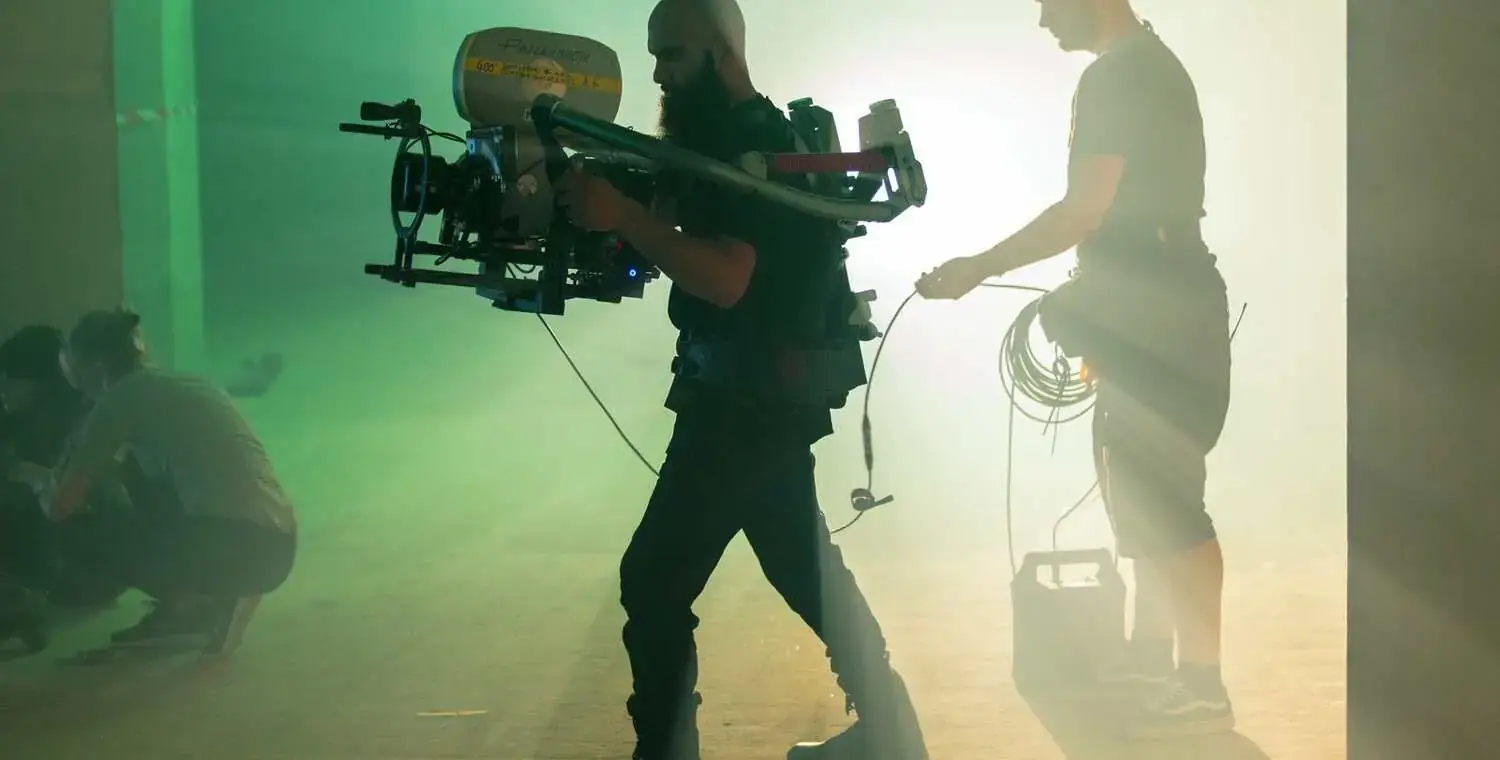
Rain, wind, fire, smoke and breakaways, done for real and done safely.
Special effects create physical effects on set, in camera, from atmospherics to mechanical rigs and pyrotechnics.

Learning path · free · 19 films
Stunts, SFX and armoury: awareness for everyone on set
Awareness only, never how-to. How UK sets plan action and effects safely, who's in charge (stunt coordinator, SFX supervisor, armourer, medic), the British Stunt Register, and what you do as a bystander. Checked 11 November 2026.
Watch: Special effects (SFX)
6 items RED KOMODO vs Canon C70 - Which One For You?Indy Mogul · Lesson
 How the Sony A7S Changed the Film Industry ForeverIndy Mogul · Lesson
 How Filmmaking Changed in 2020 | Camera & Industry News RecapIndy Mogul · Lesson
 How to Setup DMX | Guide to Entry-Level Wireless LightingIndy Mogul · Lesson
 iPhone vs $70,000 Hollywood Camera ft. iJustine & Armando FerreiraIndy Mogul · Lesson
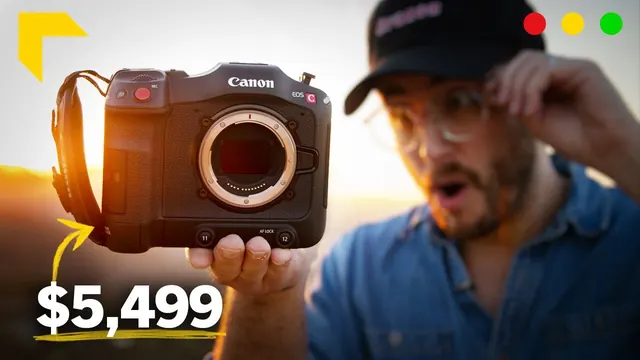 Canon C70 Cinema Camera - The DSLR Evolved?Indy Mogul · Lesson
Career ladder
From first job to head of department
Pyrotechnics and explosives need licensed, qualified people.
Special effects
-
Entry grade SFX trainee Workshop support, loading, cleaning, atmospherics under supervision.
-
Step 2 SFX assistant Smoke, rain and wind; helping build rigs.
-
 Step 3
SFX technician
Builds and runs effects; workshop fabrication.Watch and read
-
Step 4 Senior technician Complex rigs and effects; leading on the floor.
-
Step 5 Floor supervisorAlso: lead technician Runs the SFX crew with the unit on the day.
-
 Top of the ladder
SFX supervisor
Head of department: designs, budgets and answers for every effect.Watch and read
Specialists branch off the ladder at the grade shown; they aren't steps on it
- SFX modellerbeside SFX technicianBuilds models and miniatures.
- SFX engineerbeside SFX technicianDesigns and builds mechanical rigs.
- Pyrotechnicianbeside Senior technicianLicensed for explosives and pyrotechnics.
Grade by grade: what you need before moving up
| Grade | What you do | Before moving up |
|---|---|---|
| SFX trainee | Workshop support, loading, cleaning, atmospherics under supervision. | Knowing the kit, the workshop and the safety rules. |
| SFX assistant | Smoke, rain and wind; helping build rigs. | Trusted on standard effects; relevant tickets. |
| SFX technician | Builds and runs effects; workshop fabrication. | Engineering skill; effects run safely and repeatably. |
| Senior technician | Complex rigs and effects; leading on the floor. | Leading effects and crew. |
| Floor supervisorAlso: lead technician | Runs the SFX crew with the unit on the day. | Running the floor for a supervisor. |
| SFX supervisor | Head of department: designs, budgets and answers for every effect. | Experience, competence and the production's trust. |
Bectu SFX card, 2025 (rate cards index) · Every department's ladder: Careers A–Z · Getting work · Working freelance
Learn it, step by step
4 paths- Health and safety · New to setStunts, SFX and armoury: awareness for everyone on set19 lessons · about 4.5 hours · freeStart path
- Health and safety · New to setYour first day on set19 lessons · about 3 hours · freeStart path
 Learning path · step-up → proStep up: your first time as HoD or supervisor18 lessons · about 6 hours · freeStart path
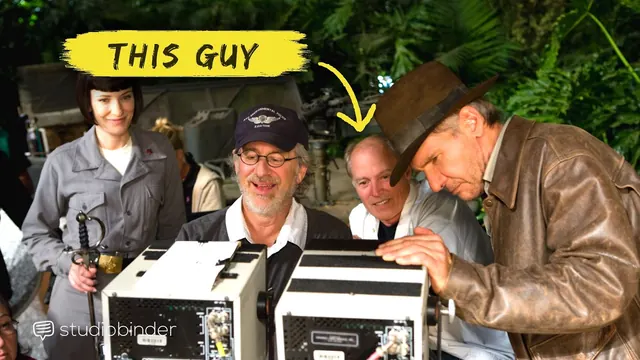 Production · New to set to working crewProducing and development10 lessons · about 7 hours · freeStart path
Safety first
Exclusion zones, who's in control, and keeping clear
SFX work involves real hazards. Only competent, named SFX crew plan and run an effect, and the person in control of it is in charge of its safety while it runs. Everyone else's job is to know the plan, keep clear and listen.
Watch first
Module 1 of Stunts, SFX and armoury: awareness for everyone on set. Mark them done there to track your progress.
- 17:44Introduction to Health and Safety in Film and TelevisionXpoNorth Digital · 17:44
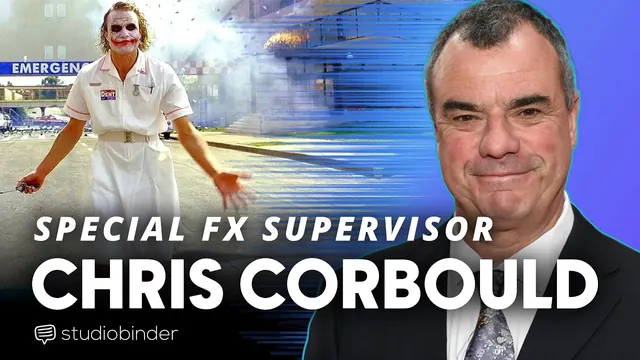 53:49SFX Supervisor Chris Corbould InterviewStudioBinder Academy · 53:49
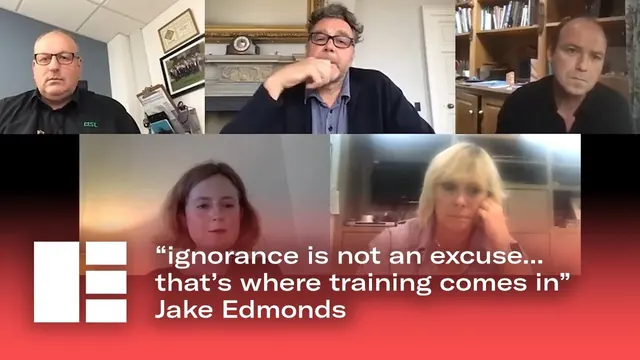 13:52Keeping Our Sets Safe: The Health & Safety DebateThe TV Festival · 13:52
The hazards
6What hurts people in this department on UK sets, and what keeps them safe.
- Who's in controlThe SFX supervisor plans each effect with the 1st AD and the safety adviser. During the effect, the person in control has the final say. Nobody else changes anything.
- Exclusion zonesEach effect has a zone marked out in the briefing. Only the named crew are inside it. If you don't know where it is, ask before you walk on set.
- The briefing and the callEffects are briefed to the whole unit, rehearsed, and called clearly. You stand where the briefing put you and stay there until the all-clear.
- Rain, wind, smoke and waterEven "simple" effects carry risk: slippery floors, electrics near water, visibility, breathing in smoke or haze. Follow what the SFX crew and the best boy say about kit and cables.
- Rigs and pressureSFX rigs can store energy in springs, air and hydraulics. Never touch, step over or move one. It's not a set prop.
- Licensed materialsPyrotechnics and explosives are licensed by law and handled only by named, competent SFX crew. Trainees don't handle them.
Who is responsible
- The producer must use competent SFX crew.
- The SFX supervisor plans every effect and names who runs it.
- The person in control of an effect is in charge of its safety while it runs.
- The 1st AD briefs the unit, rehearses and calls the effect.
As a trainee, never
- Never enter an exclusion zone, or move a marker, unless the SFX supervisor tells you to.
- Never touch, move or step over an SFX rig.
- Never handle pyrotechnics or explosives. They are licensed for named crew only.
Anyone can say stop. If something feels wrong, say so to your head of department or the 1st AD.
Where this comes from
- HSE ETIS16: special effects for entertainmentThe producer uses competent SFX crew; the person in control of an effect is in charge of its safety while it runs.
- HSE: theatre, film and TVThe Health and Safety Executive's guidance for screen and stage.
- HSE: explosivesExplosives and pyrotechnics are licensed and handled only by named, competent people (Explosives Regulations 2014).
- HSE: managing risks and risk assessmentThe employer's duty to assess risk (Management of Health and Safety at Work Regulations 1999).
- HSE: noise at workAction values at 80 and 85 dB(A), and hearing protection.
Checked 13 November 2026. This is awareness, not a safety qualification: follow your production's risk assessment and your head of department.
Special effects (SFX), in detail
What it does on a UK unit
SFX make it happen in front of camera: rain, snow, wind, smoke and haze, fire, water, breakaway glass and furniture, collapsing sets, moving rigs, bullet hits, explosions. Some are small, like a steaming cup. Some take weeks in the workshop, like a car on a gimbal or a building that falls apart on cue.
Much of it involves real hazards: fire, pressure, water, heavy machinery and explosives. The HSE says the producer must use SFX crew who are competent to plan and safely carry out each effect, and the person in control of an effect has authority over its safety arrangements while it runs (HSE ETIS16). Explosives and pyrotechnics are regulated by the Explosives Regulations 2014, and only nominated, competent SFX crew handle them.
SFX is physical, on the day. VFX is added afterwards. The two plan together.
Who it works with
- Director and 1st AD: what the effect must do, and when it runs.
- Stunt coordinator: fire gags, falls, vehicle hits and anything with a performer near an effect.
- Production designer and construction: breakaways, collapses and rigs built into sets.
- VFX supervisor: where the physical effect stops and the digital one starts.
- Health and safety adviser and unit medic: risk assessments, exclusion zones and cover.
Kit and vocabulary
| Term | What it means |
|---|---|
| Atmos | Smoke or haze in the air to show light |
| Rain bar | A rig of pipes and nozzles that makes rain over a set |
| Breakaway | Glass, furniture or props made to break safely |
| Squib | A small pyrotechnic charge for a bullet hit |
| Fire bar | A gas burner rig that makes controlled flame |
| Exclusion zone | The area that must be clear when an effect runs |
| Misfire | A charge that fails to fire; only competent SFX crew deal with it |
How to get in
Most people start as a trainee with an SFX company or a supervisor's crew. Practical engineering is the common background: mechanical, welding and fabrication, electrical, plumbing, carpentry and model-making. Driving licences and plant tickets help. Work comes through SFX companies, many based near the big studios.
Pay
Use the Bectu SFX rate card, 2025.
Where Futures in Film helps
We don't run an SFX course. These pages are a start:
- Your first day on set: how the floor works, including how a risk assessment reaches you.
- Routes in: apprenticeships and trainee schemes.
- Running a department: budgets, your team and the safety you sign for as a head of department.
- Representation and rates: unions, guilds and rate cards.
Who to know: Special effects (SFX)
 BFC Skills and Social Responsibility Directory Searchable directory of UK organisations running screen training, skills and inclusion schemes.
 ScreenSkills job profiles Profiles of hundreds of screen jobs: what each role does and how to get in.
 ScreenSkills Select ScreenSkills' endorsement of university and college courses that are relevant to industry.
 6ft From the Spotlight Wellbeing and welfare support for UK productions and crew.
 BEAU (Broadcasting, Entertainment and Arts Unions) Brings together Bectu, Equity, the Musicians' Union and the Writers' Guild; formerly FEU and FEU Training.
 Bectu branches Bectu's craft and regional branches (camera, grips, costume and wardrobe, hair and make-up, art department and more) represent each grade.
Other departments
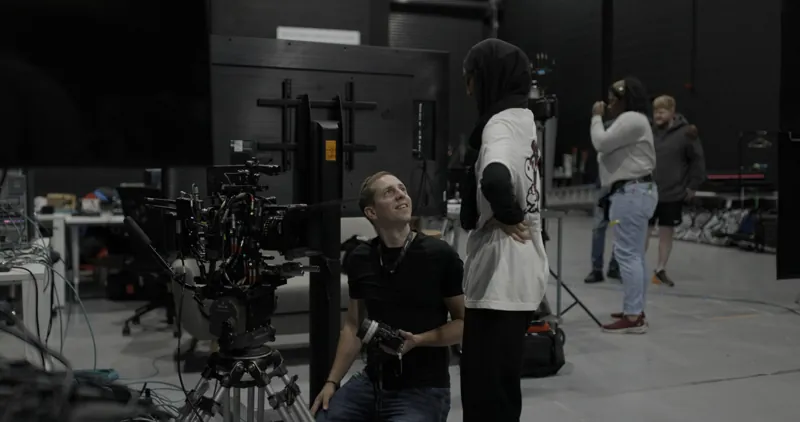
17 departments Camera, 1187 films
 Lighting, 252 films
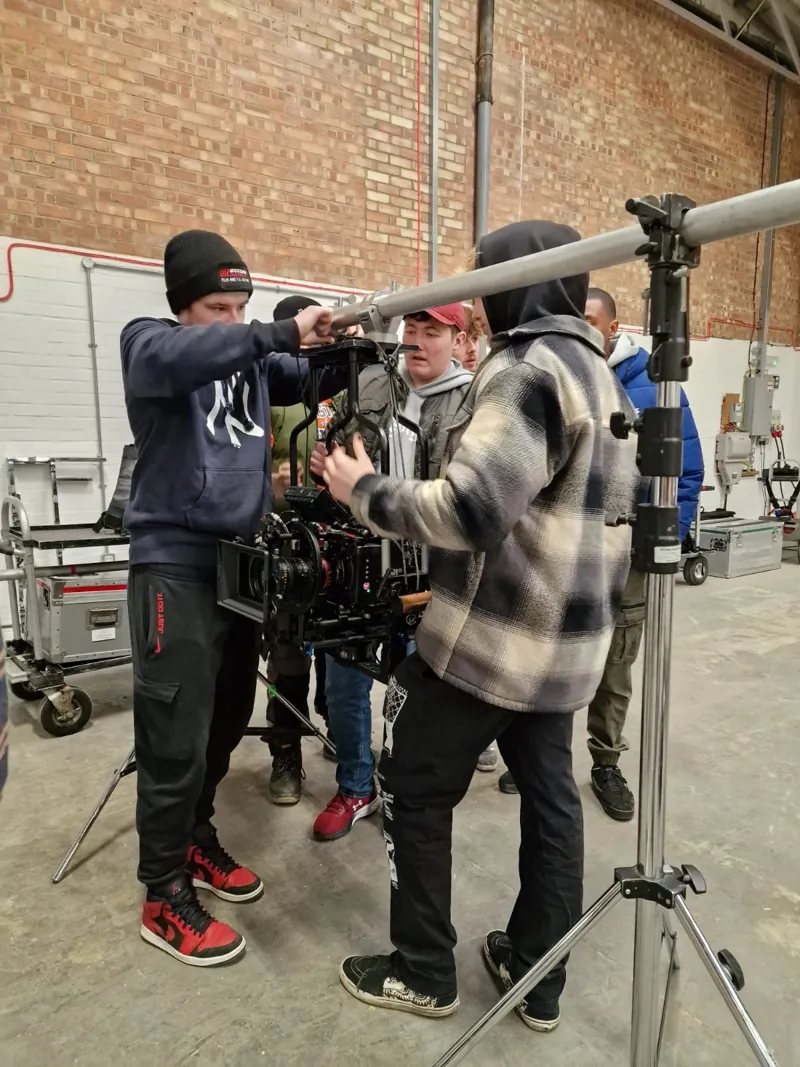 Grip, 147 films
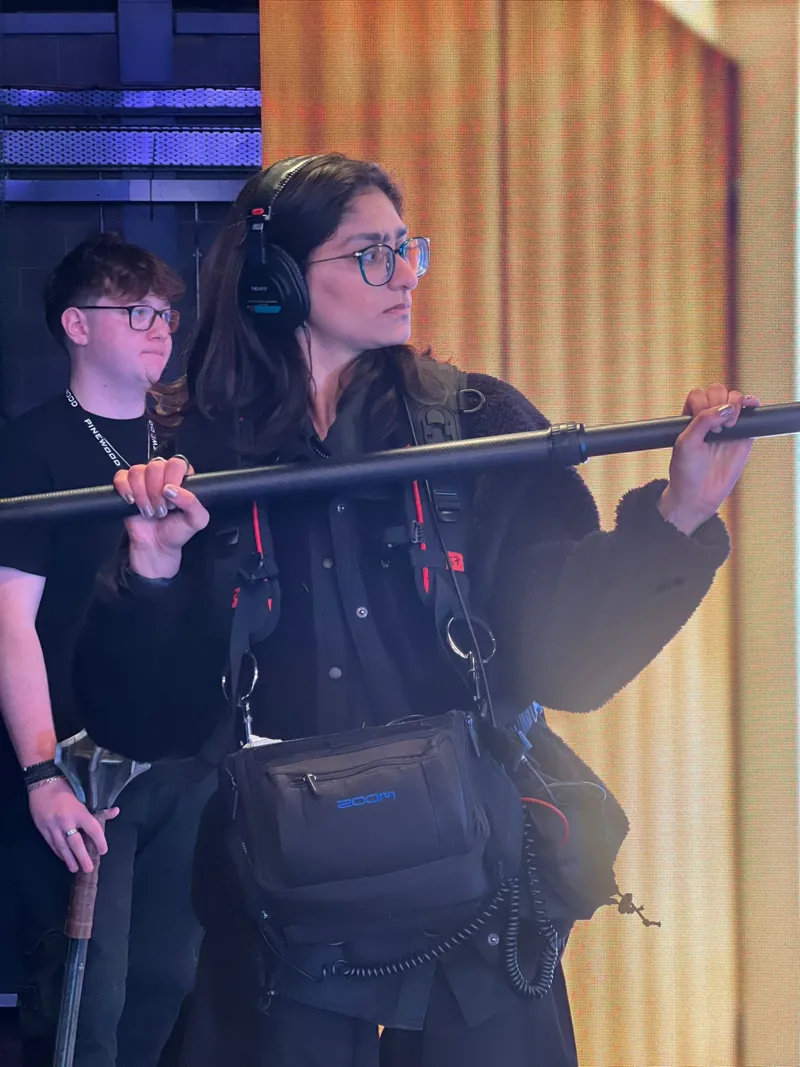 Sound, 214 films
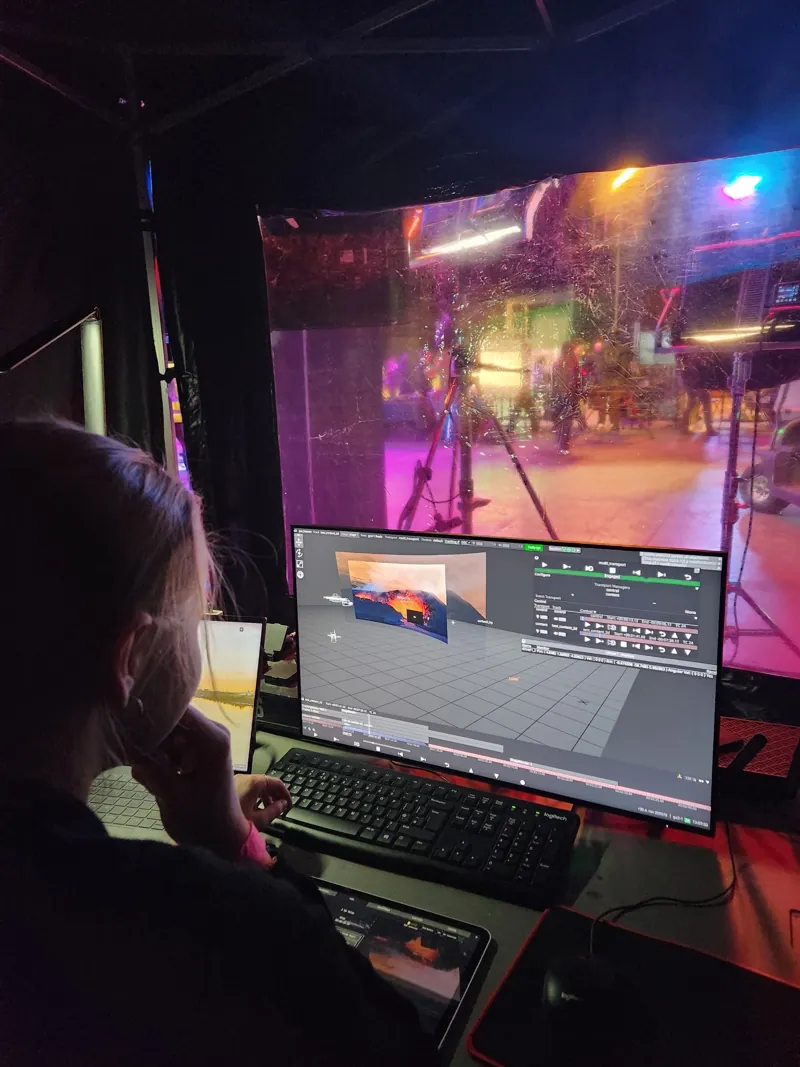 Virtual production New, 118 films
 AI tools New, 83 films
 Art department, 149 films
 Costume, 94 films
 Hair and make-up, 54 films
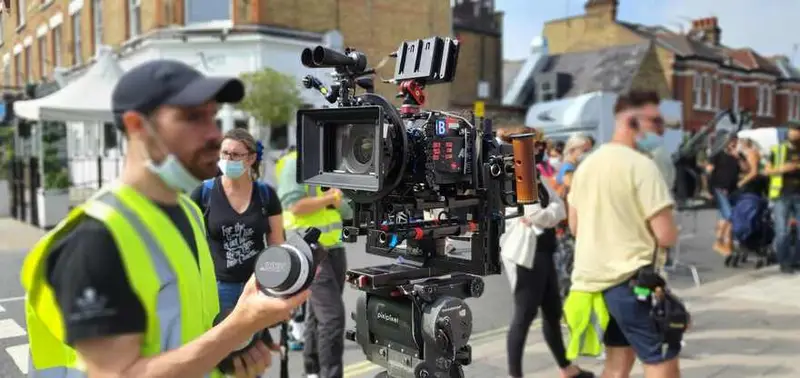 Assistant directors, 54 films
 Production, 654 films
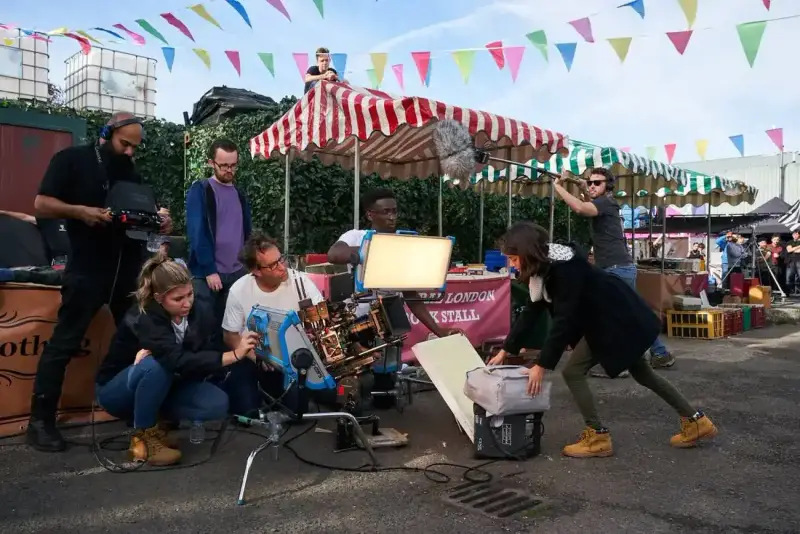 Locations, 84 films
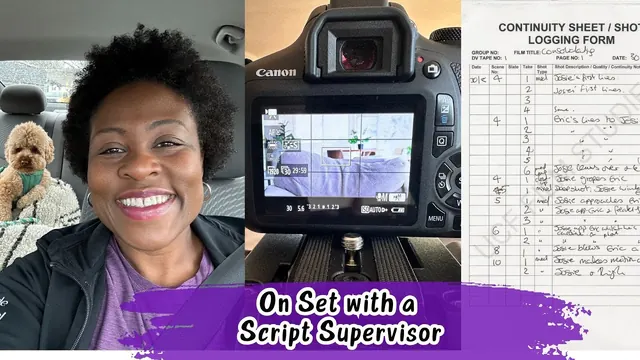 Script supervision, 108 films
 Editorial and post, 469 films
 VFX, 218 films
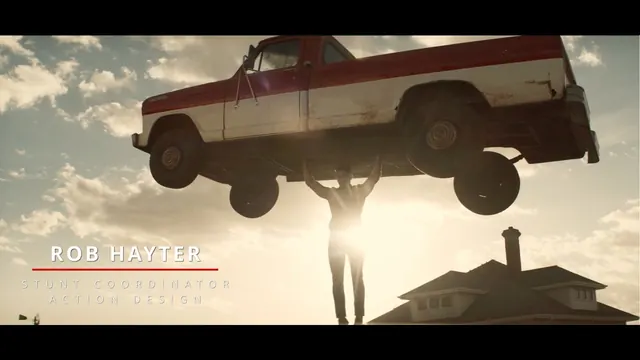 Stunts, 32 films
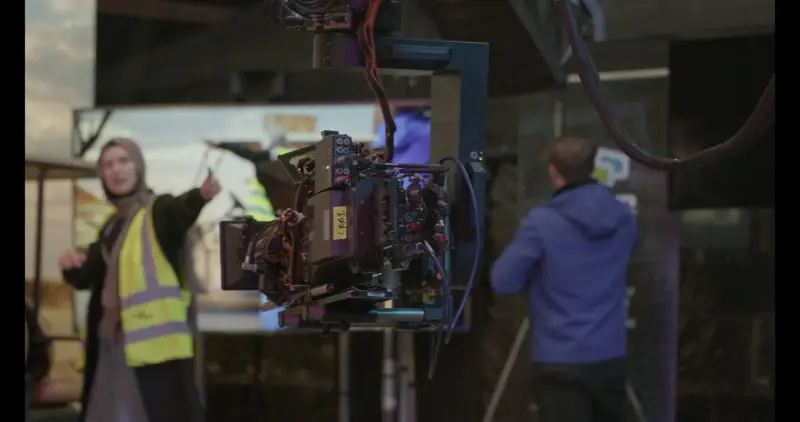 Health and safety, 73 films
Where we come in
Hold a special effects (sfx) grade on a crewed unit.
Events for special effects (sfx)
Shows, festivals and careers days where special effects (sfx) crew go to learn and meet people. Dates checked on each organiser's site.
-
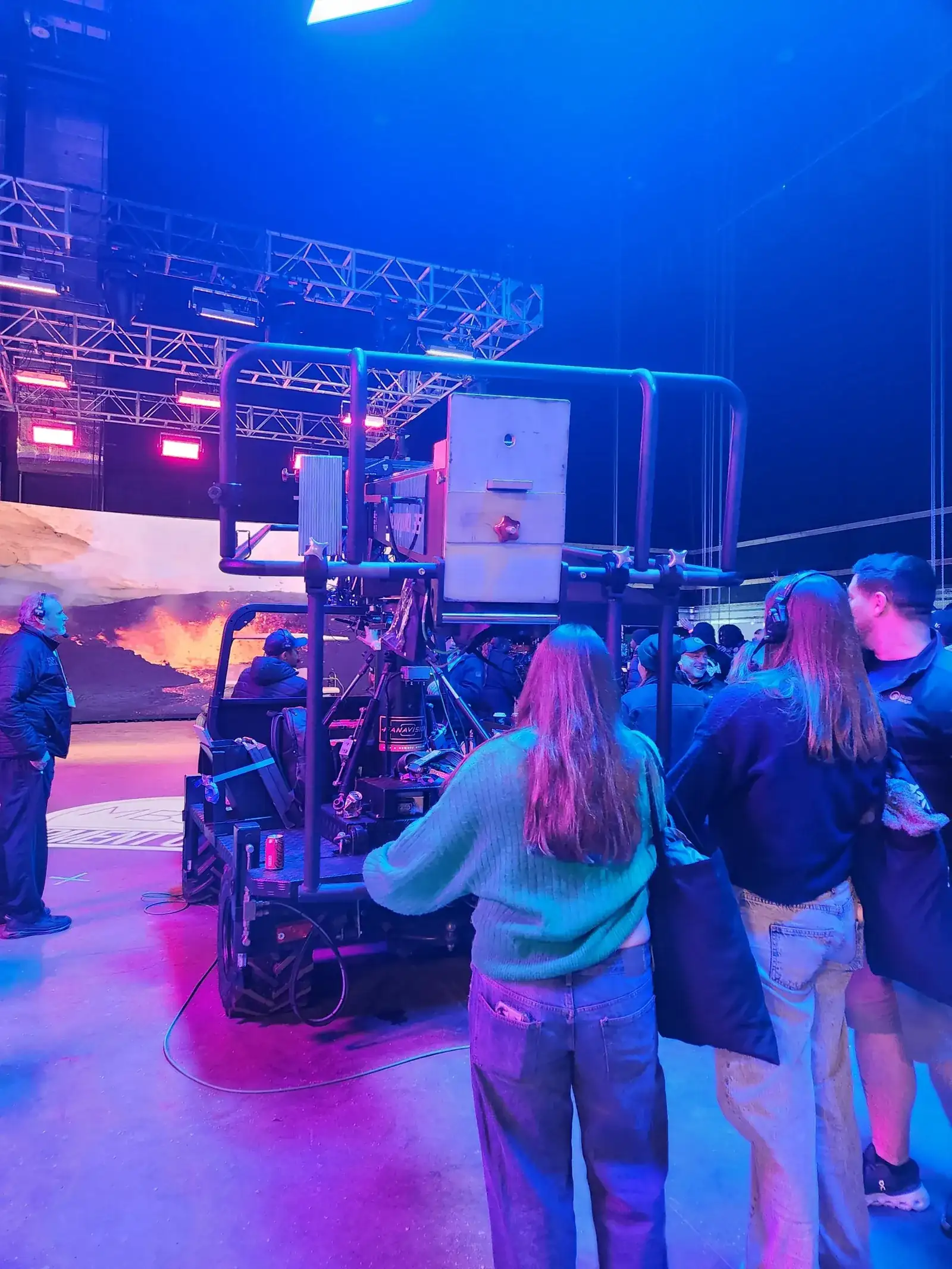
Free; book a sessionGo to the event site : Pinewood Futures Festival 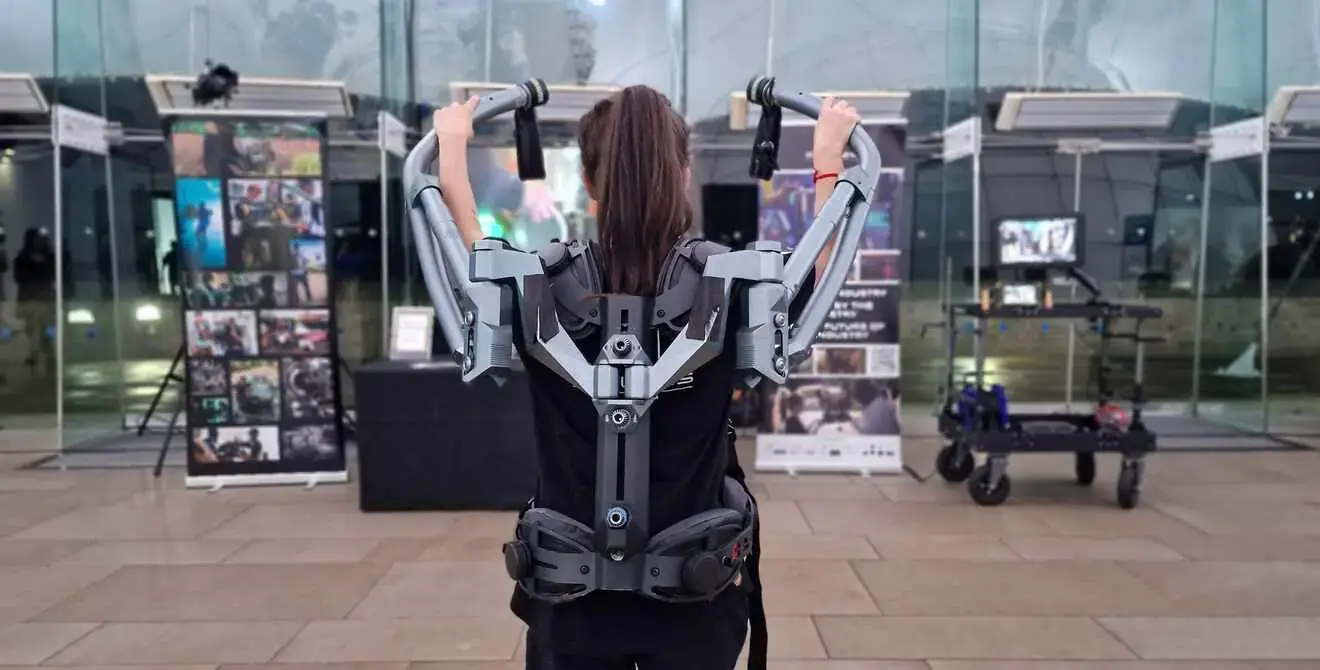 Month by monthEvery event and expoShows, festivals and careers days across the UK for every department, with dates checked on each organiser's site.See the calendar

Next for Special effects (SFX)
Last reviewed 9 November 2026