
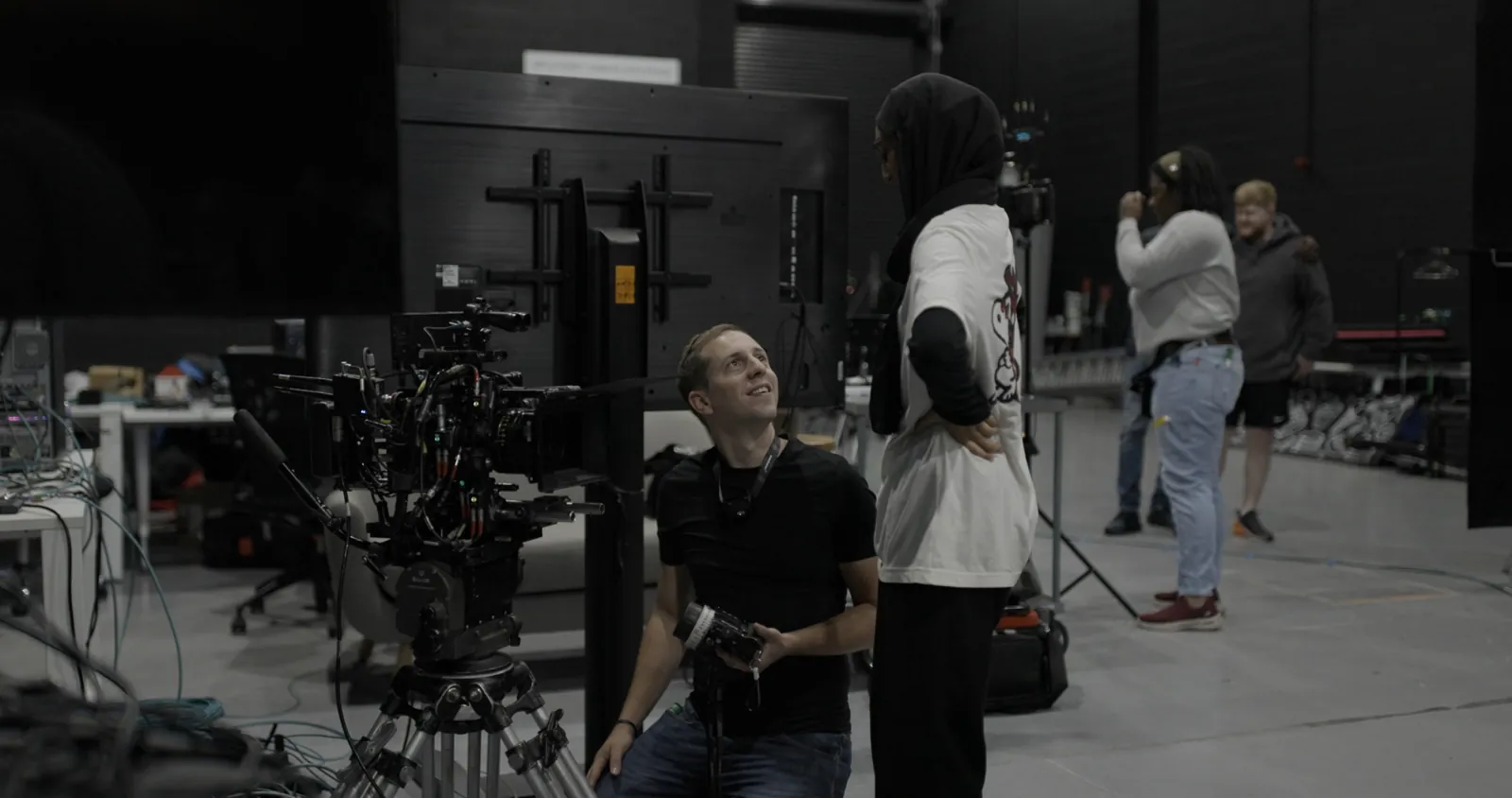
Department · Lighting
Lighting turns the DoP's intent into lamps and power.
The electrical department rigs, powers and runs every light on the unit, to the DoP's design and to electrical safety standards.
Learning path · free · 12 films
AI for camera departments
What AI changes for DoPs, operators and ACs: smart focus, AI previs and virtual scouting, plates for hybrid work, AI-assisted images in post. Do the camera and lighting paths first. Last checked 11 November 2026.

Watch: Lighting
8 items How I'd Fix This Two-Light CommercialWandering DP · Lesson
 Black & White Exposes Flat LightingWandering DP · Lesson
 How I'd Relight This Coffee CommercialWandering DP · Lesson
 Episode 97: Godox UL60 & SL100bi lightsGrip Tips · Lesson
 Episode 95D: SSI, Filter, Mired Shift, Multi- lights, White Balance Correction, Settings, Text modesGrip Tips · Lesson
 Gaffer & Gear 336 - Evoke 5CGaffer & Gear · Lesson
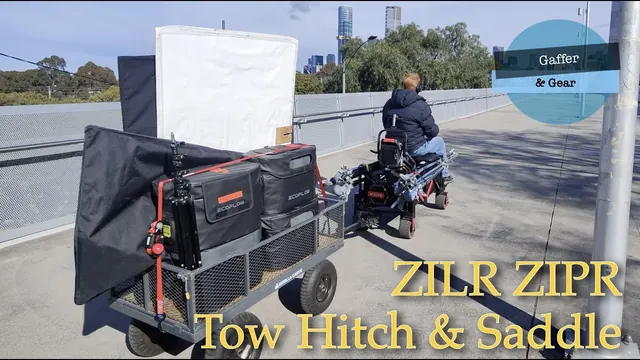 Gaffer & Gear 335 - Ziler Zipr Tow Hitch & Saddle (& Profoto Propanel)Gaffer & Gear · Lesson
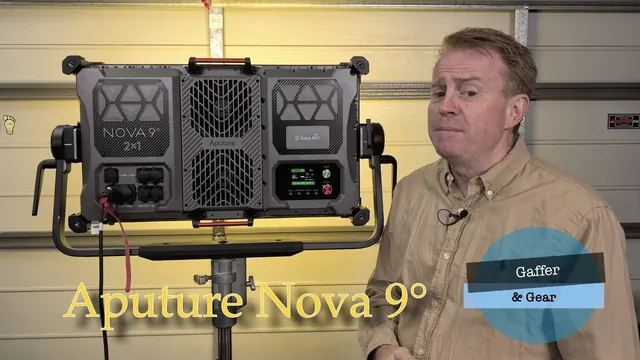 Gaffer & Gear 334 Aputure Nova 9°Gaffer & Gear · Lesson
Career ladder
From first job to head of department
Rigging is a parallel crew that works ahead of the floor crew, not a step between best boy and gaffer.
Floor crew
-
Entry grade Lighting trainee Carrying cable and lamps, the truck, learning the kit.
- Step 2 ElectricianAlso: spark; lighting technician Rigging, cabling, operating and focusing lamps.Read the role
-
 Step 3
Best boyAlso: chargehand
Crew, kit, power distribution and paperwork for the gaffer.Watch and read
-
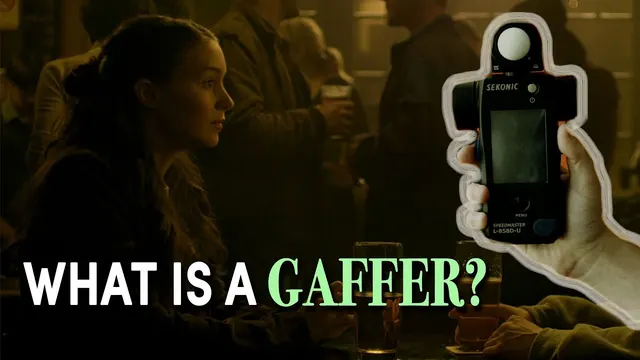 Top of the ladder
Gaffer
Head of department: lighting with the DoP, crew and kit.Watch and read
Specialists branch off the ladder at the grade shown; they aren't steps on it
- Desk operatorbeside ElectricianRuns the lighting console and wireless control.
- Generator operatorbeside ElectricianRuns and fuels the generator; power on location.
- Practical electricianbeside ElectricianWires and dims the lamps you see in shot.
Rigging crew
Parallel ladder-
 Entry grade
Rigging electrician
Pre-rigs lamps and power ahead of the shooting crew.Watch and read
-
Step 2 Rigging chargehandAlso: rigging best boy Runs the rigging crew's kit and people.
-
Top of the ladder Rigging gaffer Plans and leads the pre-rig with the gaffer.
Grade by grade: what you need before moving up
| Grade | What you do | Before moving up |
|---|---|---|
| Lighting trainee | Carrying cable and lamps, the truck, learning the kit. | Credits, safe handling and basic electrical knowledge. |
| ElectricianAlso: spark; lighting technician | Rigging, cabling, operating and focusing lamps. | Electrical training and credits as a spark. |
| Best boyAlso: chargehand | Crew, kit, power distribution and paperwork for the gaffer. | Credits as a senior spark and a gaffer who trusts you. |
| Gaffer | Head of department: lighting with the DoP, crew and kit. | Credits as best boy and a DoP who wants you. |
| Grade | What you do |
|---|---|
| Rigging electrician | Pre-rigs lamps and power ahead of the shooting crew. |
| Rigging chargehandAlso: rigging best boy | Runs the rigging crew's kit and people. |
| Rigging gaffer | Plans and leads the pre-rig with the gaffer. |
Bectu lighting technicians card · Route in: Screen Lighting Technician apprenticeship option · Every department's ladder: Careers A–Z · Getting work · Working freelance
Learn it, step by step
4 paths- Camera · New to set to working crewAI for camera departments12 lessons · about 3.5 hours · freeStart path
 Lighting · New to set to working crewLighting (gaffer and sparks)18 lessons · about 3.5 hours · freeStart path
 Grip · New to set to working crewGrip19 lessons · about 2 hours · freeStart path
 Editorial and post · New to set to working crewAI tools in film and TV production18 lessons · about 3 hours; refreshed monthly · freeStart path
Safety first
Power, heat and the department
The electrical department handles mains power, hot lamps, heavy kit and height. The gaffer runs it and the best boy runs the power. A trainee spark learns the rules before touching a plug.
Watch first
Module 1 of Lighting (gaffer and sparks). Mark them done there to track your progress.
- 45:53Electrical Safety in Film & TV + 18th EditionPhil Crawley · 45:53
- 9:40What A Gaffer Does On Set: Crew BreakdownIn Depth Cine · 9:40
 2:18Lighting technician Mark Leeming talks about a typical day on a film or TV setScreen Yorkshire · 2:18
The hazards
7What hurts people in this department on UK sets, and what keeps them safe.
- ElectricityGenerators and distribution carry power that kills. Only competent sparks connect, patch and distro. Cables are run tidy, ramped where people walk and kept out of water.
- HeatTungsten and HMI lamps get hot enough to burn skin and scorch a set. Gloves on, lamps off before you move or re-gel them, and keep diffusion and dressing back from the lens.
- HMI and bulbsNever open an HMI head that's on or hot. Damaged bulbs and lenses are dangerous; report a cracked lens or a flickering lamp.
- Height and riggingLamps over people are rigged with safety bonds and checked. Towers, scaffold and platforms need training. Nobody stands under a lamp being raised.
- Wet locationsWater and mains power is the classic killer. On rain days and near water, the best boy decides what runs and how it's protected.
- Manual handlingLamps, stands and cable are heavy. Two people on big heads, roll the cable, use the trolleys.
- Bright light and UVDon't stare into lamps, lasers or LED panels at full. Some sources need eye protection, and cast and crew need warning.
Who is responsible
- The gaffer runs the department and its safety.
- The best boy runs the power: generator, distro and who may connect.
- The rigging gaffer signs off rigs at height.
- The 1st AD briefs the unit and calls stop.
As a trainee, never
- Never connect, disconnect or patch power you haven't been told to.
- Never touch a hot lamp without gloves, or open a lamp that's on.
- Never leave a cable across a walkway without a ramp or a mat.
Anyone can say stop. If something feels wrong, say so to your head of department or the 1st AD.
Where this comes from
- HSE: theatre, film and TVThe Health and Safety Executive's guidance for screen and stage.
- HSE: electrical safetyThe Electricity at Work Regulations 1989.
- HSE: work at heightLadders, towers and platforms (Work at Height Regulations 2005).
- HSE: LOLERLifting equipment and anything lifted overhead (LOLER 1998).
- HSE: manual handlingAvoid, assess, reduce (Manual Handling Operations Regulations 1992).
- HSE GS6: overhead power linesWhy poles, booms, ladders and cranes stay well clear of overhead lines.
Checked 13 November 2026. This is awareness, not a safety qualification: follow your production's risk assessment and your head of department.
AI in film and TV
How AI fits this department
Previs and virtual production tools let gaffers test light before the shoot, and LED volumes change how scenes are lit. Light on set still sets the look a model has to match.
Learning path: AI for camera departments The AI channel Consent and credit
Lighting, in detail
What lighting does
Lighting (or the electrical department) lights the set and powers the unit.
- Gaffer: designs the lighting with the DoP and leads the crew.
- Best boy: logistics, crew and power distribution.
- Sparks (lighting technicians): rig and operate the lamps.
Bigger shows add a rigging crew who pre-rig sets, and a desk op running the lamps from a console.
Who lighting works with
The DoP above all. Grip, on shared rigs and flags. Camera, on exposure and what's in shot. The art department on practical lamps and set rigging. Locations on power access. The 1st AD on timings, and SFX on electrical effects.
Kit and vocabulary
- LED fixtures, HMIs and tungsten: the main light sources.
- Distribution: cables, boxes and the power plan from generator or mains to lamps.
- Generator ("genny"): mobile power for location work.
- DMX and the lighting desk: control of lamps from a console.
- Flags, nets and diffusion: shaping and softening light.
- Pre-rig: rigging done before the shooting crew arrives.
- Practical: a lamp that appears in shot and is part of the set.
How to get in
Many sparks start as trainees after electrical training or a theatre or events background. In England the Screen Lighting Technician apprenticeship option is a formal route. ScreenSkills publishes skills checklists for each grade.
Pay: Bectu lighting technicians card.
Where Futures in Film helps
Our lighting and electrical course (dates soon: register interest) covers load calculations, cable runs and rigging, working to a gaffer and a best boy. On a production simulation week you hold a lighting grade on a crewed unit.
Who to know: Lighting
 BFC Skills and Social Responsibility Directory Searchable directory of UK organisations running screen training, skills and inclusion schemes.
 ScreenSkills job profiles Profiles of hundreds of screen jobs: what each role does and how to get in.
 ScreenSkills Select ScreenSkills' endorsement of university and college courses that are relevant to industry.
 6ft From the Spotlight Wellbeing and welfare support for UK productions and crew.
 BEAU (Broadcasting, Entertainment and Arts Unions) Brings together Bectu, Equity, the Musicians' Union and the Writers' Guild; formerly FEU and FEU Training.
 Bectu branches Bectu's craft and regional branches (camera, grips, costume and wardrobe, hair and make-up, art department and more) represent each grade.
 Society of Television Lighting and Design (STLD) Non-profit body for TV lighting professionals; events and knowledge-sharing.

Other departments
17 departments Camera, 1187 films
 Grip, 147 films
 Sound, 214 films
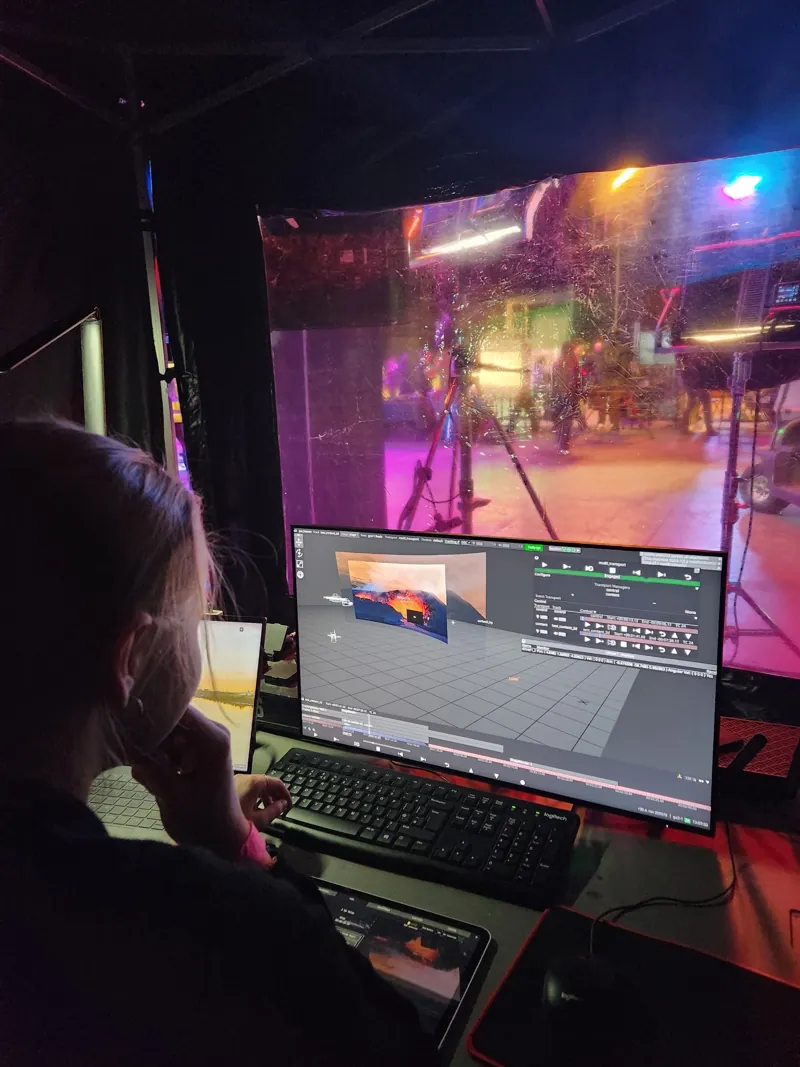 Virtual production New, 118 films
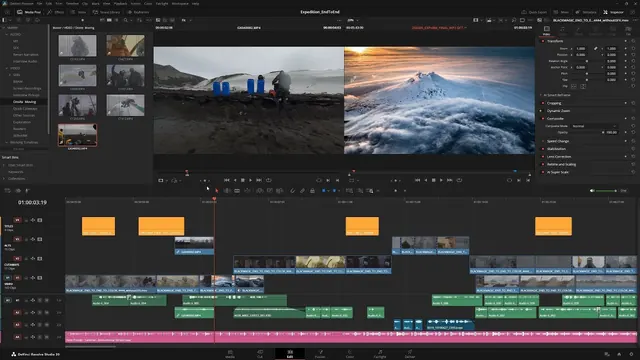 AI tools New, 83 films
 Art department, 149 films
 Costume, 94 films
 Hair and make-up, 54 films
 Assistant directors, 54 films
 Production, 654 films
 Locations, 84 films
 Script supervision, 108 films
 Editorial and post, 469 films
 VFX, 218 films
 SFX, 20 films
 Stunts, 32 films
 Health and safety, 73 films
Read for lighting
8The magazines and books people in lighting read. Borrow the books free from a library.
 Free online; print by subscriptionBritish CinematographerThe UK magazine of cinematography: how camera, lighting and grip teams built the look, issue by issue.UKRead British Cinematographer
 Free onlineCinematography WorldUK-published magazine on the art and craft behind the camera.UK and internationalRead Cinematography World
- Some free; subscriptionAmerican CinematographerThe ASC's magazine: the global reference for how a film was shot, in detail.USRead American Cinematographer
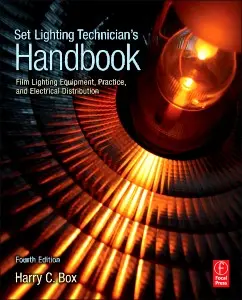 Set Lighting Technician's HandbookHarry C. BoxThe electrician's bible: lamps, power, distro and working safely.Look it up Set Lighting Technician's Handbook (opens Open Library)
 Cinematography: Theory and PracticeBlain BrownLight, lenses, exposure and the language of the shot.Look it up Cinematography: Theory and Practice (opens Open Library)
 Masters of LightDennis Schaefer and Larry SalvatoGreat cinematographers talk about how they work.Look it up Masters of Light (opens Open Library)
 Painting with LightJohn AltonA film-noir master on lighting, written for working crew.Look it up Painting with Light (opens Open Library)
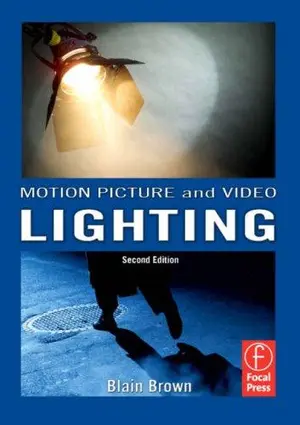 Motion Picture and Video LightingBlain BrownPractical lighting, from units and control to whole setups.Look it up Motion Picture and Video Lighting (opens Open Library)
All resources and reading: trade press, directories, libraries and more
Events for lighting
7Shows, festivals and careers days where lighting crew go to learn and meet people. Dates checked on each organiser's site.
-
CamerimageA week where cinematographers talk about nothing but the image.Toruń, Poland
Entry cards on the festival siteGo to the event site : Camerimage -
Production Futures ON TOURLighting and sound skills carry straight from live events into film and TV.Production Park, Wakefield
Free to registerGo to the event site : Production Futures ON TOUR -
ISESee the LED panels and processors that build virtual production stages.Fira de Barcelona Gran Via
Registration on the ISE siteGo to the event site : ISE -
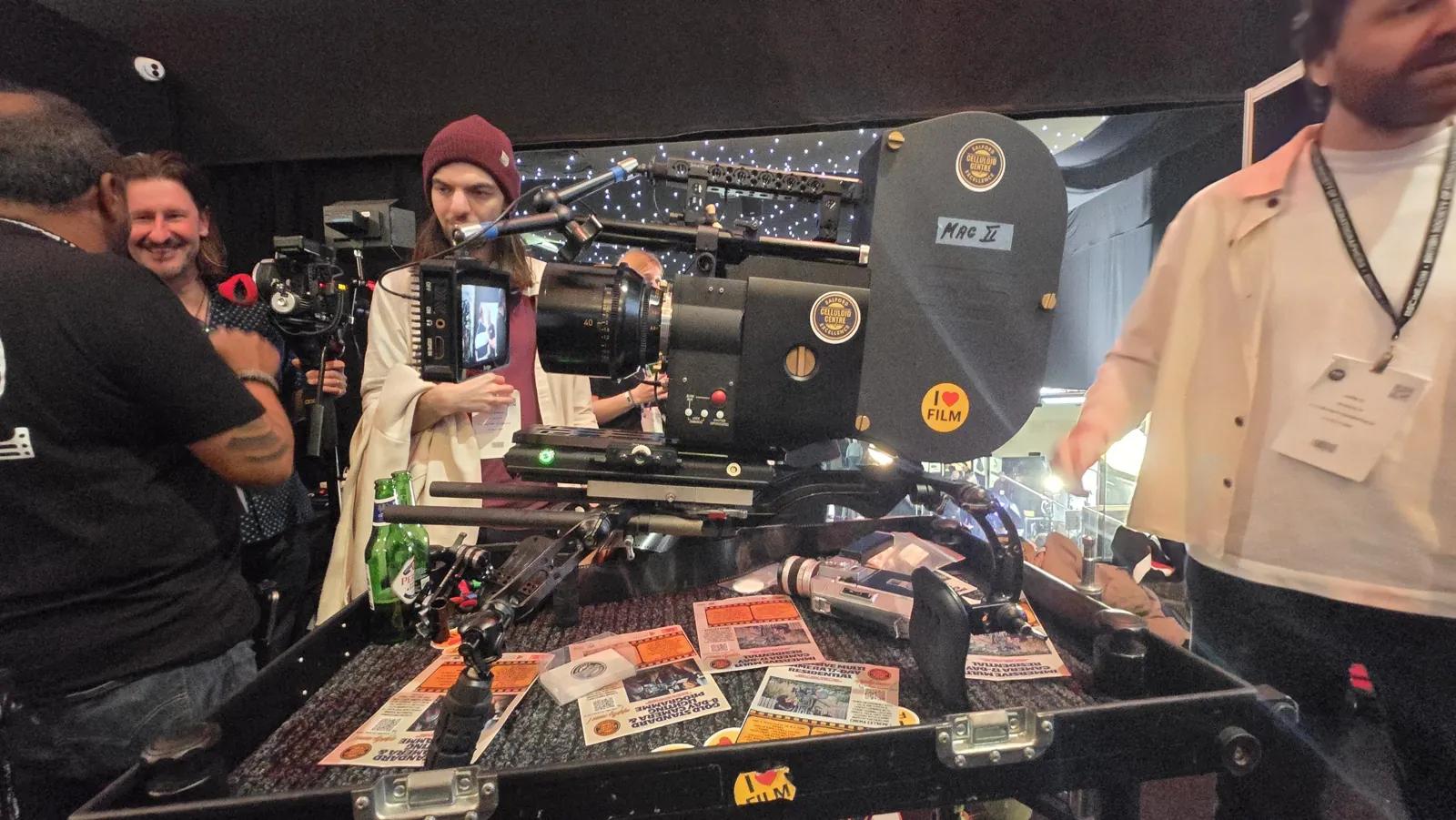
Free to registerGo to the event site : BSC Expo -
PLASA Focus LeedsThe lighting show for the North: easier to talk to people.Leeds
Register freeGo to the event site : PLASA Focus Leeds -
Dates usually announced for NovemberCVP Education FestivalMade for students: kit demos and careers talks a short walk apart.Fitzrovia (four venues), London
Book a place on the CVP siteGo to the event site : CVP Education Festival -
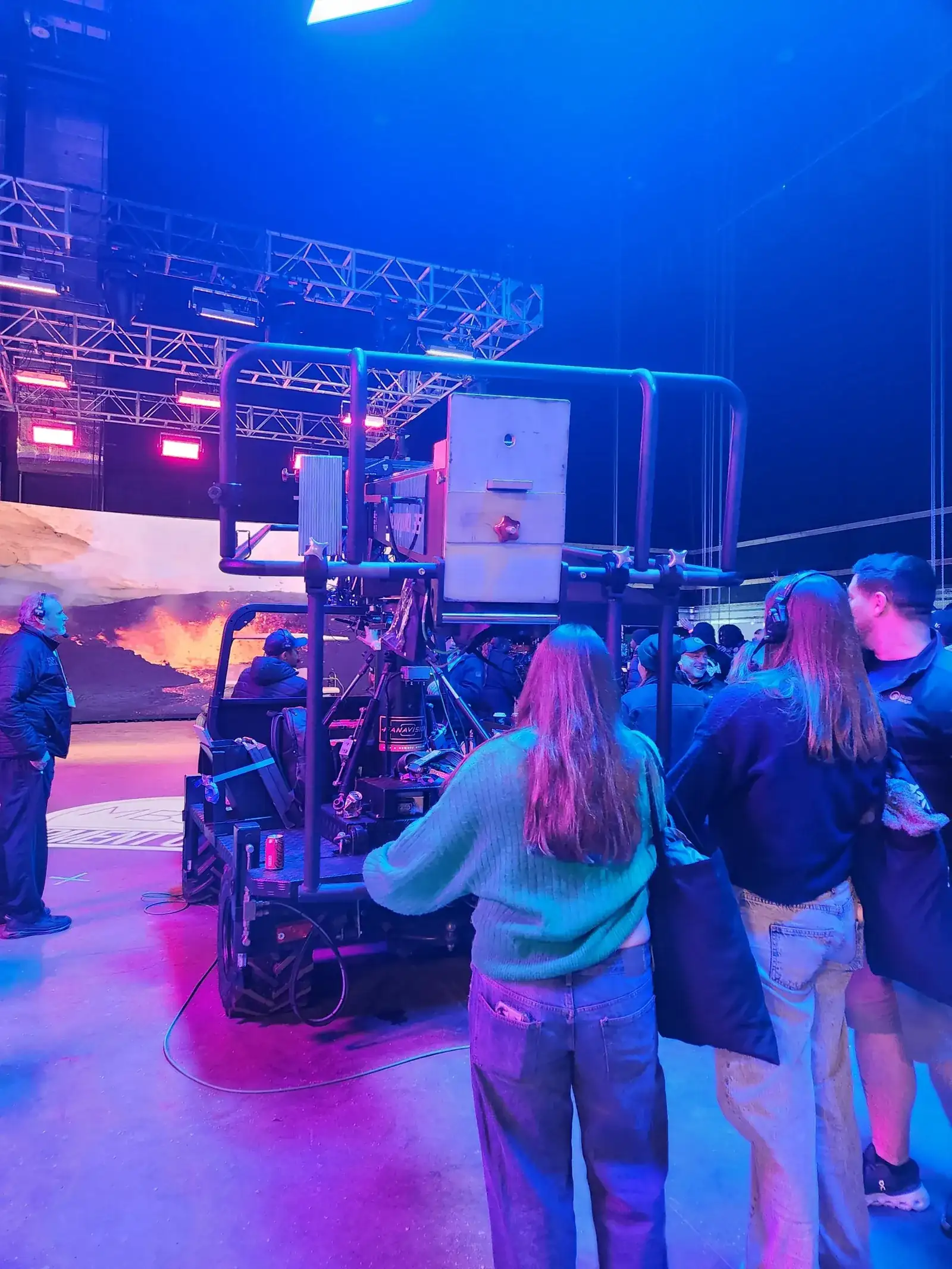
Free; book a sessionGo to the event site : Pinewood Futures Festival


Last reviewed 9 November 2026