
Department · Sound
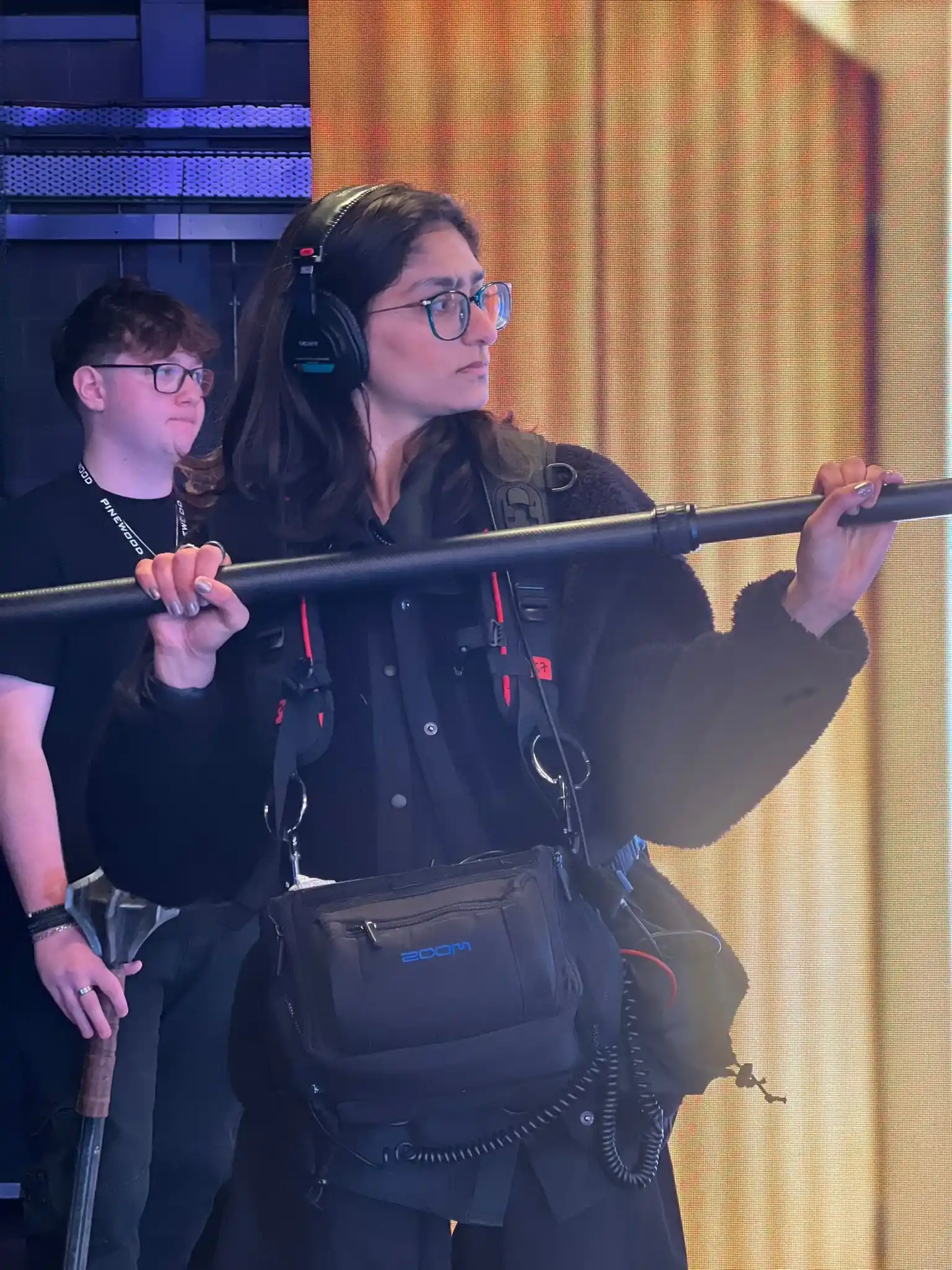
Production sound records the dialogue the film depends on.
The production sound department records dialogue and sound on set, cleanly enough that post can build the soundtrack around it.
Learning path · free · 16 films
AI in post
The AI already inside Avid, Premiere, Resolve, Boris FX, Topaz, iZotope and ElevenLabs: editing, roto, generative fixes, colour, sound and dubbing. Last checked 11 November 2026.

Watch: Sound
8 items Day In The Life of A Sound Re-Recording Mixer: What It's Like Mixing Sound For TVMastering Post-Production Sound · Lesson12 min.
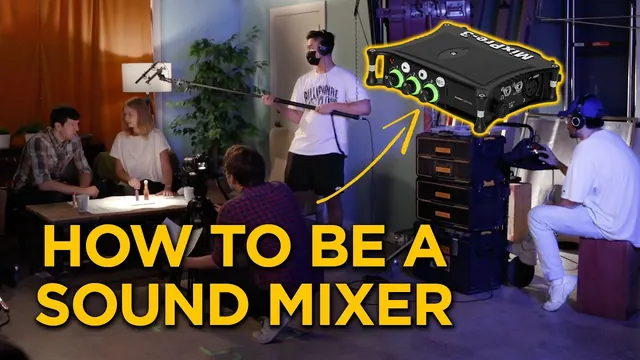 How to Be a Sound Mixer | On-Set Audio MasterclassDeity Microphones · Masterclass
 Nadine Labaki | BAFTA Screenwriters' Lecture SeriesBAFTA Guru · Masterclass
 Amazing Effects in Classic Films - How Did They Pull It Off? | Part 15Film Riot · Lesson
 Amazing Effects in Classic Films - How Did They Pull It Off? | Part 14Film Riot · Lesson
 Paul Laverty | BAFTA Screenwriters' Lecture SeriesBAFTA Guru · Masterclass
 Moira Buffini | BAFTA Screenwriters' Lecture SeriesBAFTA Guru · Masterclass
 William Nicholson | BAFTA Screenwriters' Lecture SeriesBAFTA Guru · Masterclass
Career ladder
From first job to head of department
"Sound recordist" is the factual grade name and is common in conversation. Post sound is in Editorial and post.
Production sound
-
Entry grade Sound traineeAlso: third assistant sound Cables, batteries, the cart, helping the assistants.
-
Step 2
Second assistant sound
Radio mics, timecode, the second boom, the sound cart.Watch and read
-
 Step 3
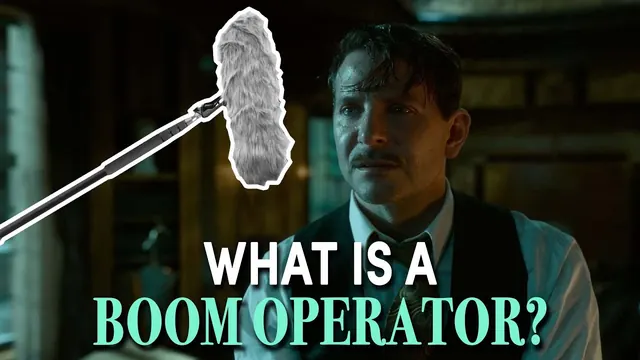
Boom operatorAlso: first assistant sound
The main boom, and the department on the floor.Watch and read
-
 Top of the ladder
Production sound mixer
Recording, mixing and the sound report; head of department.Watch and read
Grade by grade: what you need before moving up
| Grade | What you do | Before moving up |
|---|---|---|
| Sound traineeAlso: third assistant sound | Cables, batteries, the cart, helping the assistants. | Credits and safe handling of the kit. |
| Second assistant sound | Radio mics, timecode, the second boom, the sound cart. | Confident radio mic fitting and booming practice. |
| Boom operatorAlso: first assistant sound | The main boom, and the department on the floor. | Credits as boom operator and a mixer's trust. |
| Production sound mixer | Recording, mixing and the sound report; head of department. | A body of work and a production that wants you. |
Bectu production sound rates, April 2026 · Every department's ladder: Careers A–Z · Getting work · Working freelance
Learn it, step by step
4 paths- Editorial and post · New to set to working crewAI in post16 lessons · about 1.5 hours · freeStart path
 Sound · New to set to working crewProduction sound19 lessons · about 3 hours · freeStart path
 Editorial and post · New to set to working crewAI tools in film and TV production18 lessons · about 3 hours; refreshed monthly · freeStart path
 VFX · New to set to working crewPrompting and directing AI shots18 lessons · about 2 hours · freeStart path
Safety first
Hearing, radio mics, cables and power lines
Sound protects everyone else's ears and its own. The department's hazards are noise, cable runs, long poles near power, and fitting mics on other people's bodies.
Watch first
Module 1 of Production sound. Mark them done there to track your progress.
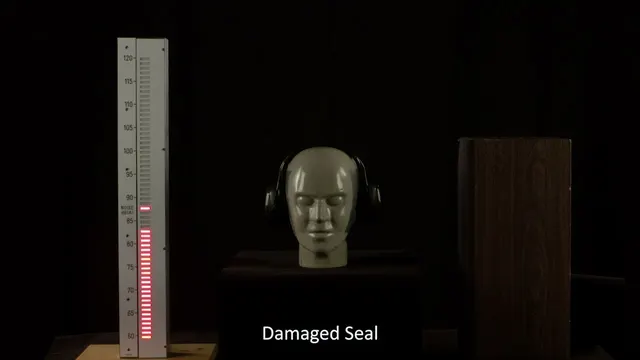
- 1:28HSE Hearing Protection demonstrationSolutions from HSE · 1:28
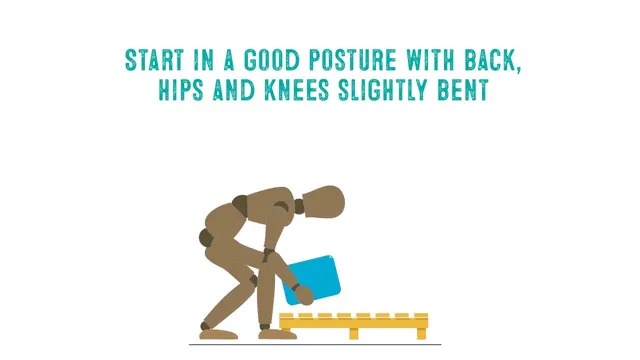 1:30Preventing injuries from manual handling - Go Home HealthyHealth and Safety Executive · 1:30
 17:44Introduction to Health and Safety in Film and TelevisionXpoNorth Digital · 17:44
The hazards
6What hurts people in this department on UK sets, and what keeps them safe.
- Your hearingYou listen on headphones all day, and some scenes are loud (SFX, vehicles, crowds, music playback). Keep headphone levels sensible, take the hearing protection you're offered on loud scenes, and tell someone if your ears ring. The Control of Noise at Work Regulations 2005 set action levels at 80 and 85 dB(A).
- Fitting radio mics: consent and dignityAsk before you touch anyone. Explain where the mic and transmitter will go, offer to let the performer place it themselves, and work where they're comfortable (often in the costume truck, with costume). With children, the chaperone is present. On a closed set, follow the intimacy coordinator's plan.
- Boom poles and overhead linesA boom pole is long, and carbon fibre conducts electricity. Look up before you raise it outdoors; stay well clear of overhead power lines and rail lines.
- Cables and the cartRoute cables along walls and edges, tape or cover them where people walk, and never across a doorway or fire exit. Sound carts are heavy on rough ground and ramps: two people.
- Radio frequenciesRadio mics use licensed frequencies: the mixer arranges the Ofcom programme-making licence. Don't change frequencies or add transmitters without the mixer.
- Batteries and long daysSpent and charged batteries in labelled bags; lithium cells handled like camera batteries. Booming is hard on shoulders and backs: rotate, rest the pole, and warm up.
Who is responsible
- The production sound mixer is head of department and holds the radio licence.
- The boom operator runs the floor for sound; the sound assistant runs cables, radio mics and batteries.
- The 1st AD and armourer or SFX supervisor tell sound when a scene will be loud and what protection to use.
As a trainee, never
- Never fit a mic on anyone without asking and explaining first.
- Never raise a boom pole near overhead power lines.
- Never run cable across a doorway or fire exit.
Anyone can say stop. If something feels wrong, say so to your head of department or the 1st AD.
Where this comes from
- HSE: noise at workThe Control of Noise at Work Regulations 2005: action values at 80 and 85 dB(A), and hearing protection.
- HSE GS6: avoiding danger from overhead power linesWhy long poles, booms and ladders stay well away from overhead lines.
- HSE: electrical safetyThe Electricity at Work Regulations 1989.
- Ofcom: programme-making and special events (PMSE) licensingThe licences that cover radio mics and in-ear monitors in the UK.
- The Children (Performances and Activities) (England) Regulations 2014Licences, chaperones, hours and breaks for children on set. Scotland, Wales and Northern Ireland have their own rules.
- Bectu: health and safetyThe union's health and safety guidance and reps.
Checked 13 November 2026. This is awareness, not a safety qualification: follow your production's risk assessment and your head of department.
AI in film and TV
How AI fits this department
AI dialogue clean-up, transcription and voice tools are already in edit suites. Consent for any voice work is written and specific, and AI-generated music is rarely cleared for broadcast; ask the production first.
Sound, in detail
What sound does
Production sound records dialogue and sound on set. It's small, often three people, and the only department entitled to stop a take for a noise nobody else can hear.
- Production sound mixer: leads, and records from the cart.
- 1st assistant sound: usually the boom operator on UK drama.
- 2nd assistant sound: radio mics, timecode, cables and the cart.
- Sound trainee or 3rd assistant: supports them.
Who sound works with
Camera, on the slate, timecode and where the boom can go. Lighting, on boom shadows. Costume, on hiding radio mics. The 1st AD on lock-ups and quiet. Locations, on noise at each location. Post-production, which receives the sound files and reports.
Kit and vocabulary
- Boom and boom pole: a directional microphone on a pole above the actors.
- Radio mics: small microphones hidden on actors, with transmitters.
- Sound cart: the mixer's recorder, mixer, receivers and monitors.
- Timecode: the clock that syncs sound to picture.
- Wild track / buzz track: sound recorded without picture for the edit.
- Room tone: the silence of a location, recorded for post.
- Sound report: the record of every take and track.
How to get in
Formal entry routes into production sound are thin. Many people start as sound trainees after audio training or a music, theatre or broadcast background. ScreenSkills publishes skills checklists for each grade. The Association of Motion Picture Sound (AMPS) represents the craft.
Pay: Bectu production sound rates, April 2026.
Where Futures in Film helps
Our production sound course (dates soon: register interest) is taught by crew working in sound now. On a production simulation week you hold a sound grade on a crewed unit.
Who to know: Sound
 BFC Skills and Social Responsibility Directory Searchable directory of UK organisations running screen training, skills and inclusion schemes.
 ScreenSkills job profiles Profiles of hundreds of screen jobs: what each role does and how to get in.
 ScreenSkills Select ScreenSkills' endorsement of university and college courses that are relevant to industry.
 6ft From the Spotlight Wellbeing and welfare support for UK productions and crew.
 BEAU (Broadcasting, Entertainment and Arts Unions) Brings together Bectu, Equity, the Musicians' Union and the Writers' Guild; formerly FEU and FEU Training.
 Bectu branches Bectu's craft and regional branches (camera, grips, costume and wardrobe, hair and make-up, art department and more) represent each grade.
 Association of Motion Picture Sound (AMPS) Society for film and TV sound crews (production sound and post); runs awards, events and guidance.
 Institute of Professional Sound (IPS) Professional body for sound recordists and mixers; trainee membership.
Other departments
17 departments Camera, 1187 films
 Lighting, 252 films
 Grip, 147 films
 Virtual production New, 118 films
 AI tools New, 83 films
 Art department, 149 films
 Costume, 94 films
 Hair and make-up, 54 films
 Assistant directors, 54 films
 Production, 654 films
 Locations, 84 films
 Script supervision, 108 films
 Editorial and post, 469 films
 VFX, 218 films
 SFX, 20 films
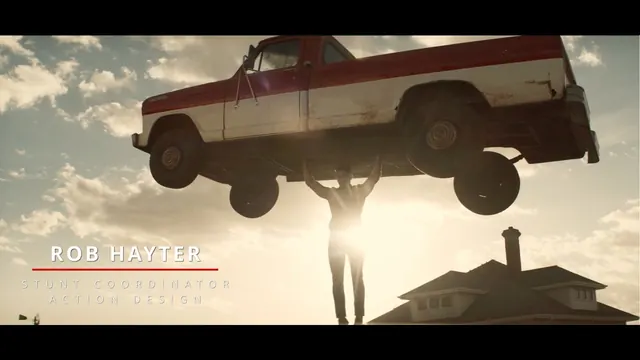 Stunts, 32 films
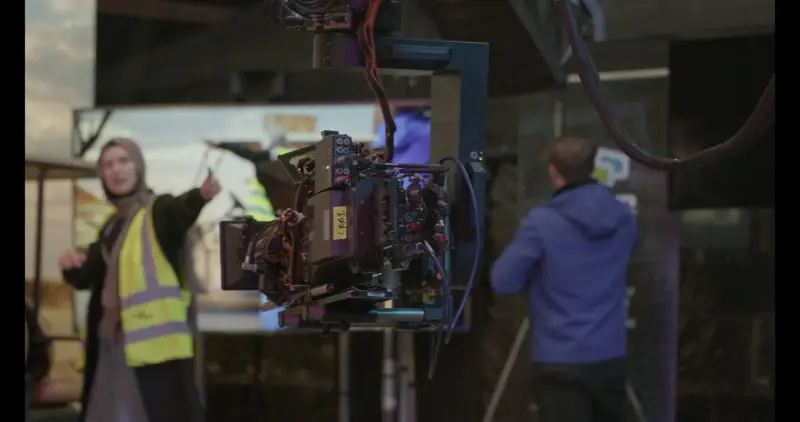 Health and safety, 73 films
Read for sound
4The magazines and books people in sound read. Borrow the books free from a library.
- Archive free; membershipLine UpThe Institute of Professional Sound's journal, with its archive of back issues online.UKRead Line Up
 FreeKitPlusUK broadcast kit news, product guides and show coverage, plus a podcast.UKRead KitPlus
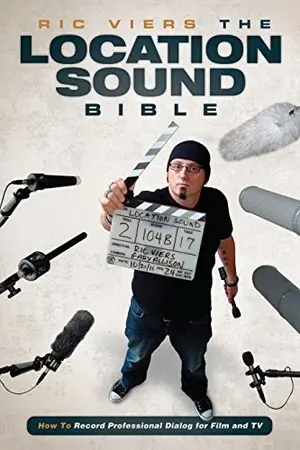 The Location Sound BibleRic ViersBooming, radio mics and getting clean dialogue on location.Look it up The Location Sound Bible (opens Open Library)
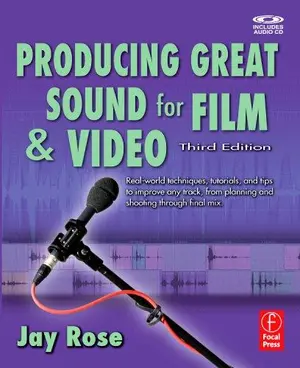 Producing Great Sound for Film and VideoJay RoseRecording and post sound, from mic choice to the final mix.Look it up Producing Great Sound for Film and Video (opens Open Library)
All resources and reading: trade press, directories, libraries and more
Events for sound
6Shows, festivals and careers days where sound crew go to learn and meet people. Dates checked on each organiser's site.
-
Into Film FestivalFree screenings for schools, with people who work behind the camera.Cinemas across the UK
Free; book with an Into Film accountGo to the event site : Into Film Festival -
Production Futures ON TOURLighting and sound skills carry straight from live events into film and TV.Production Park, Wakefield
Free to registerGo to the event site : Production Futures ON TOUR -
NAB ShowNew cameras and post tools are launched here each spring.Las Vegas
Paid registrationGo to the event site : NAB Show -
PLASA Focus LeedsThe lighting show for the North: easier to talk to people.Leeds
Register freeGo to the event site : PLASA Focus Leeds -
Dates usually announced for NovemberCVP Education FestivalMade for students: kit demos and careers talks a short walk apart.Fitzrovia (four venues), London
Book a place on the CVP siteGo to the event site : CVP Education Festival -
Dates usually announced for OctoberNFTS open daysSee the stages and kit, and ask current students what the course is really like.NFTS campus and online
Book through the NFTSGo to the event site : NFTS open days
Last reviewed 9 November 2026