
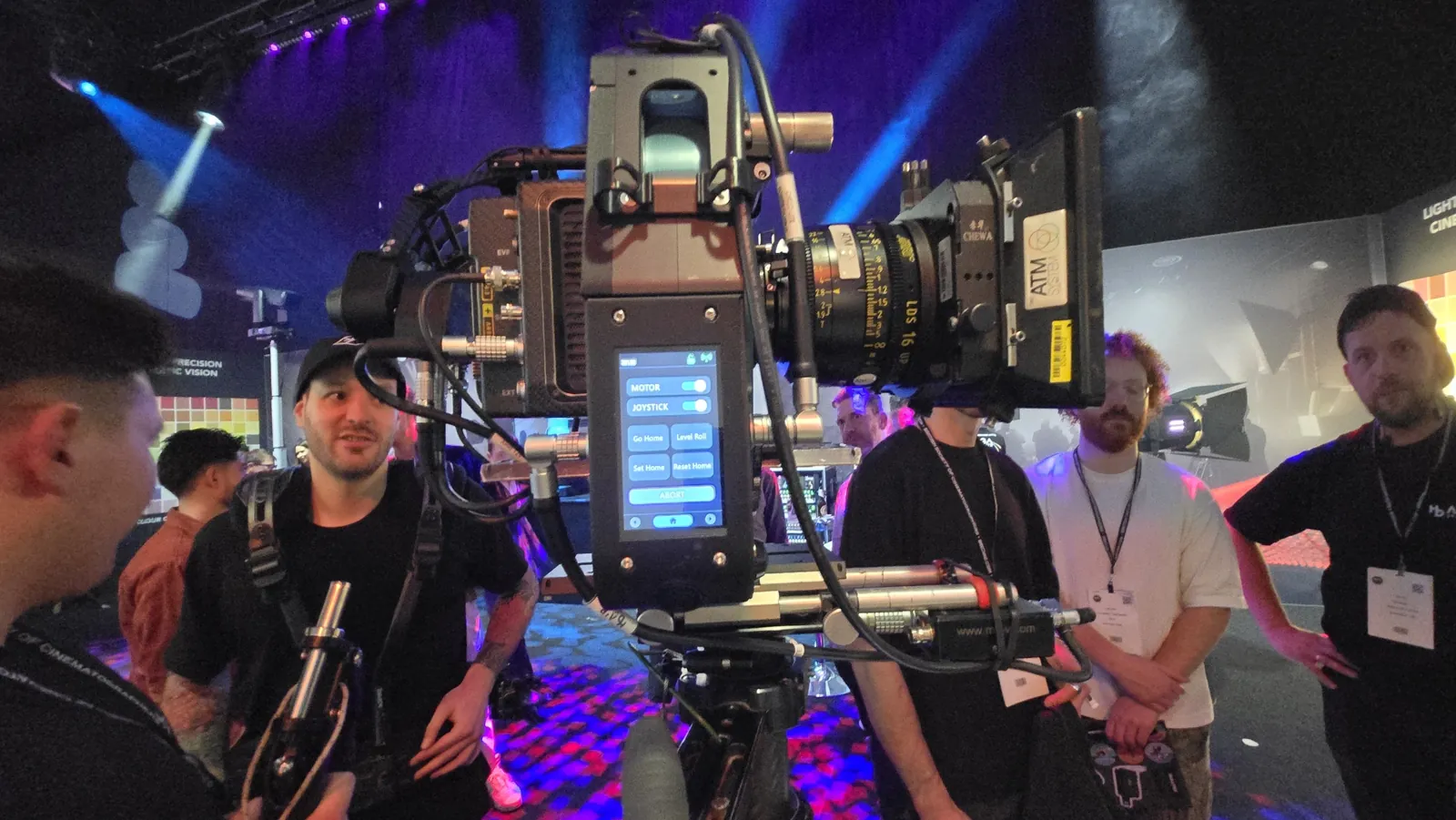
Department · Camera
The camera department captures the image the DoP designs.
Camera builds, prepares and runs the cameras, pulls focus, slates every take and looks after the day's media until it is safely copied.
Career ladder · 5 grades
Camera trainee to Director of photography
Batteries, media runs, kit cases, the truck, helping the 2nd AC.
Learning path · free · 12 films
AI for camera departments
What AI changes for DoPs, operators and ACs: smart focus, AI previs and virtual scouting, plates for hybrid work, AI-assisted images in post. Do the camera and lighting paths first. Last checked 11 November 2026.

Watch: Camera
8 items Digital Cinema Cameras Can Look (Almost) Exactly Like FilmIn Depth Cine · Lesson
 Cinematography Style: Łukasz ŻalIn Depth Cine · Lesson
 The NEW Cinema Camera Dominating The Film IndustryIn Depth Cine · Lesson
 Future-Ready Lens Technology | Horizon AnamorphicZEISS Cinematography · Lesson
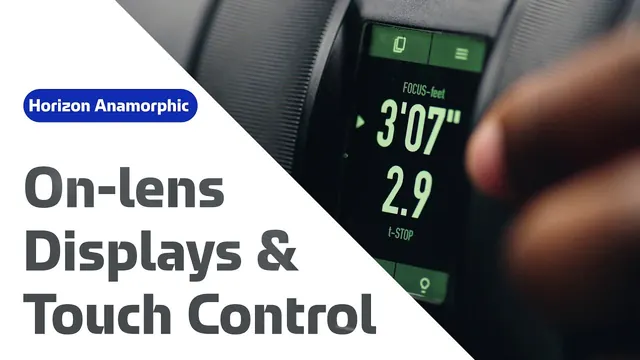 On-Lens Displays & Touch Control | Horizon AnamorphicZEISS Cinematography · Lesson
 NIKOLAUS SUMMERER - CinematographerTeam Deakins · Lesson
 The cinematography of "The Pitt" by DP Johanna Coelho AFCARRIChannel · Lesson
 Legendary cinematographer CALEB DESCHANEL ASC on shooting Laika animation WILDWOODBritish Cinematographer · Lesson
Career ladder
From first job to head of department
On larger shows each camera (A, B, C) has its own team.
Camera crew
-
Entry grade
Camera trainee
Batteries, media runs, kit cases, the truck, helping the 2nd AC.Watch and read
-
 Step 2
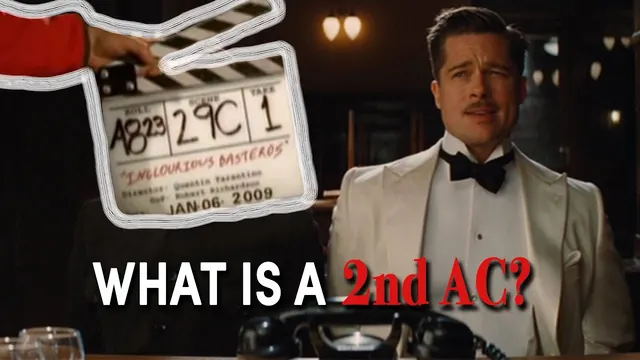
Clapper loaderAlso: 2nd AC
Slate, camera reports, marks, media, building and moving the camera.Watch and read
-
 Step 3
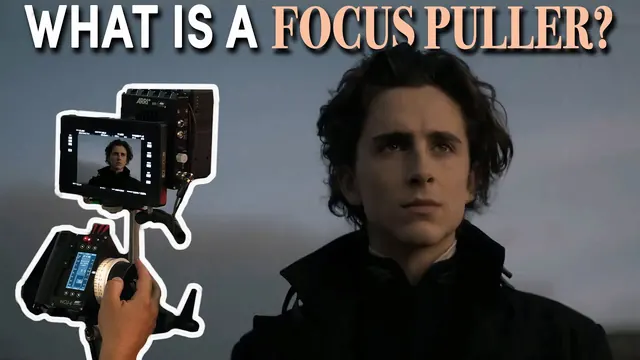
Focus pullerAlso: 1st AC
Focus, the camera build and its working order, lens choice with the DoP.Watch and read
-
 Step 4
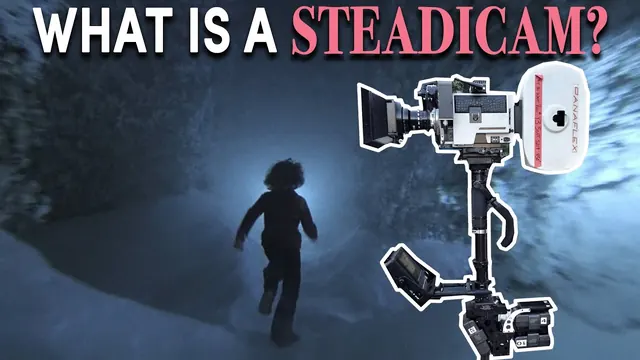
Camera operator
Framing and moving the camera to the DoP and director's design.Watch and read
-
 Top of the ladder
Director of photographyAlso: DoP
The look of the film; runs camera, lighting and grip.Watch and read
Specialists branch off the ladder at the grade shown; they aren't steps on it
- DITbeside Focus pullerImage, looks and the data chain to post. Paid near the 1st AC; not a step to DoP.Read the role
- Data managerbeside Clapper loaderCopies and verifies the media; often called the data wrangler.
- DIT assistantbeside Clapper loaderSupports the DIT and the data manager.
- Video playback operatorbeside Clapper loaderPlayback and monitors for the director and video village (VT).
- Steadicam operatorbeside Camera operatorOperates the Steadicam; owns and maintains the rig.
Grade by grade: what you need before moving up
| Grade | What you do | Before moving up |
|---|---|---|
| Camera trainee | Batteries, media runs, kit cases, the truck, helping the 2nd AC. | Credits, total reliability, knowing every case and its contents. |
| Clapper loaderAlso: 2nd AC | Slate, camera reports, marks, media, building and moving the camera. | Clean slating and reports, a fast build, focus practice. |
| Focus pullerAlso: 1st AC | Focus, the camera build and its working order, lens choice with the DoP. | Credits as 2nd AC and the trust of a 1st who will recommend you. |
| Camera operator | Framing and moving the camera to the DoP and director's design. | Credits as 1st AC or as an operator on smaller work. |
| Director of photographyAlso: DoP | The look of the film; runs camera, lighting and grip. | A body of work and a director who wants you. |
Bectu Camera Branch card, 2025 · Route in: GBCT camera trainee programme (on hold, checked 11 November 2026) · Every department's ladder: Careers A–Z · Getting work · Working freelance
Learn it, step by step
13 paths- Camera · New to set to working crewAI for camera departments12 lessons · about 3.5 hours · freeStart path
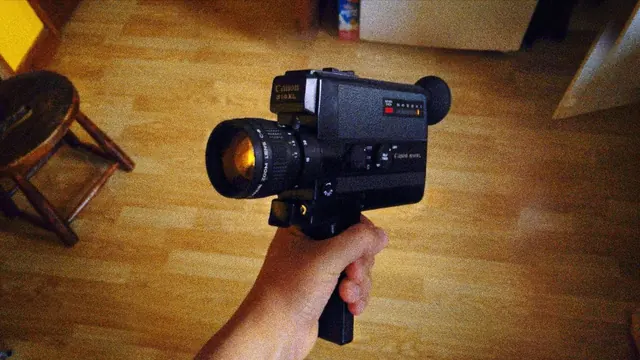 Camera · New to set to working crewSuper 8 and 8mm15 lessons · about 3 hours · freeStart path
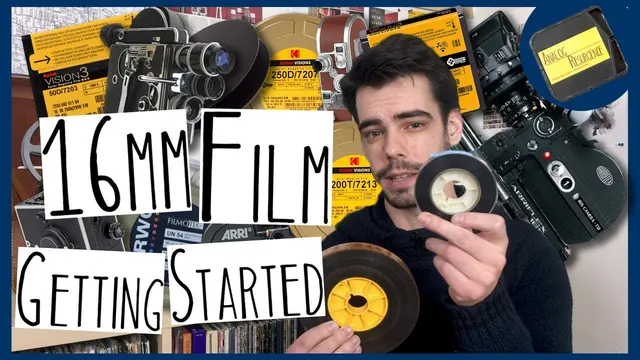 Camera · New to set to working crew16mm and Super 1615 lessons · about 3 hours · freeStart path
 Camera · New to set to working crew35mm cinematography15 lessons · about 3 hours · freeStart path
 Camera · New to set to working crew65mm, 70mm and IMAX16 lessons · about 4 hours · freeStart path
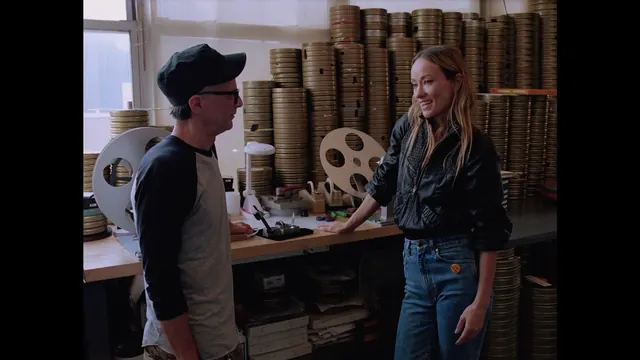 Camera · New to set to working crewThe film lab17 lessons · about 3.5 hours · freeStart path
 Camera · New to set to working crewCinematography (Director of Photography)17 lessons · about 4 hours · freeStart path
 Camera · New to set to working crewCamera operating18 lessons · about 3.5 hours · freeStart path
- Camera · New to set to working crewFocus pulling (1st AC)18 lessons · about 4 hours · freeStart path
 Camera · New to set to working crew2nd AC, clapper loader and loading film20 lessons · about 3 hours · freeStart path
 Camera · New to set to working crewDIT and data management14 lessons · about 3.5 hours · freeStart path
 Virtual production · New to set to working crewVirtual production18 lessons · about 5.5 hours · freeStart path
 Camera · Working crewDrones: flying legally for film in the UK16 lessons · about 2.5 hours · freeStart path
Safety first
Weight, heights, vehicles and batteries
Camera kit is heavy, expensive and lives on heads, cranes, cars and boats. Trainees carry the most and know the least, so this comes before any camera skill.
Watch first
Module 1 of 2nd AC, clapper loader and loading film. Mark them done there to track your progress.
- 17:44Introduction to Health and Safety in Film and TelevisionXpoNorth Digital · 17:44
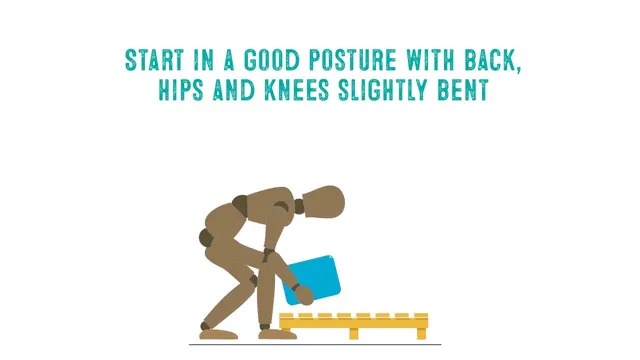 1:30Preventing injuries from manual handling - Go Home HealthyHealth and Safety Executive · 1:30
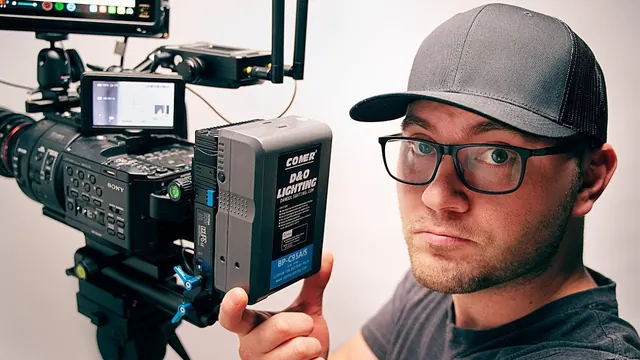 11:15Everything You Need to Know About V-Mount BatteriesDSLR Video Shooter · 11:15
The hazards
7What hurts people in this department on UK sets, and what keeps them safe.
- Manual handlingCases are heavy and awkward. Use the trolley, team-lift, and never carry so much you can't see where you're going.
- Cranes, towers and heightsCranes, scaffold towers and platforms are built and run by grips. Camera crew go up only when the key grip says, with the right access and, where needed, a harness. Nothing is ever left loose up there.
- Vehicle rigsCar mounts, tracking vehicles and process trailers are rigged by grips and driven by specialist drivers. Nobody rides on a rig, or in a tracking vehicle, unless they're seated and secured as the grip says. Moving-vehicle scenes are briefed by the 1st AD.
- Lithium-ion batteriesHigh-capacity batteries can catch fire if damaged. Charge them where the 2nd AC says, label them, cover the terminals, and take any swollen, dented or hot battery out of use at once. Flying with them follows airline and Civil Aviation Authority rules.
- Lasers and LiDARSome rangefinders and focus aids use a laser. Check its class label and never point it at anyone's eyes. HSE's artificial optical radiation guidance applies to anything brighter.
- Long hours and the drive homeCamera has some of the longest days on the unit: prep before call, data and wrap after. Fatigue causes most of the worst accidents, often on the road home. Use production transport or rest before driving.
- Water and weatherRain covers on, cables out of puddles, nothing electrical in standing water. Work on or near water needs a marine safety plan.
Who is responsible
- The DoP is head of department; the 1st AC runs the camera team's safety day to day, with the 2nd AC.
- The key grip owns cranes, rigs, towers and vehicle mounts.
- The 1st AD briefs every moving-vehicle and hazardous scene.
As a trainee, never
- Never climb onto a crane, tower or vehicle rig without the grip's say-so.
- Never charge or use a swollen or damaged battery.
- Never leave a camera unattended on a stand or head.
Anyone can say stop. If something feels wrong, say so to your head of department or the 1st AD.
Where this comes from
- HSE: manual handlingThe Manual Handling Operations Regulations 1992: avoid, assess, reduce.
- HSE: work at heightThe Work at Height Regulations 2005: ladders, towers, platforms and who may use them.
- HSE: non-ionising radiationIncluding the Control of Artificial Optical Radiation at Work Regulations 2010 (lasers and very bright sources).
- Bectu: Eyes Half ShutThe union's campaign on long hours, fatigue and safety in film and TV.
- Mark Milsome FoundationSafety training and support for camera crew and new entrants.
- UK Civil Aviation Authority: air passengersThe rules for flying with spare lithium batteries.
Checked 13 November 2026. This is awareness, not a safety qualification: follow your production's risk assessment and your head of department.
AI in film and TV
How AI fits this department
AI already helps with previs, shot planning, camera tracking and virtual production. The camera team's craft is what makes a hybrid shot hold up: real lenses, real light and real reference.
Learning path: AI for camera departments The AI channel Consent and credit
Camera, in detail
What camera does
The DoP leads camera, designs the look, and runs lighting and grip through their HoDs.
Each camera has its own team: an operator who frames, a focus puller (1st AC) who keeps it sharp, a clapper loader (2nd AC) who slates and does the paperwork, and often a trainee. The DIT looks after image and data. In prep the department tests and builds its package at the rental house.
Who camera works with
Lighting and grip, every setup. The director, the 1st AD and script supervision on coverage. Sound on the slate and on where the boom can go. The art department and costume on what the lens sees. The rental house in prep, and post-production through the DIT.
Kit and vocabulary
- Camera package: body, lenses, matte box, follow focus, monitors and accessories, prepped at the rental house.
- Slate / clapperboard: identifies the take and syncs picture to sound.
- Camera report: the record of every take, roll and lens.
- Marks: tape on the floor where actors stop, set by the 2nd AC.
- Wireless follow focus: the remote focus system the 1st AC works from.
- Media / mag: the camera's recording card or, on film, the magazine.
- Checking the gate: the last technical check before moving on.
How to get in
Most start as camera trainees, often after a rental house job, where prep teaches the kit. ScreenSkills Trainee Finder places trainees.
Most focus pullers and camera assistants join the Guild of British Camera Technicians (GBCT). Its camera trainee programme is on hold (checked 11 November 2026): watch its page. The BSC runs a mentoring scheme for cinematographers.
Pay: Bectu Camera Branch card, 2025.
Where Futures in Film helps
Our Camera Foundation course (in the Academy pilot now) covers build, lenses, matte box, follow focus, slating, media and reports, taught by people in camera departments now. Shooting on 35mm covers loading and handling film. On a production simulation week you hold a camera grade on a crewed unit.
Who to know: Camera
 BFC Skills and Social Responsibility Directory Searchable directory of UK organisations running screen training, skills and inclusion schemes.
 ScreenSkills job profiles Profiles of hundreds of screen jobs: what each role does and how to get in.
 ScreenSkills Select ScreenSkills' endorsement of university and college courses that are relevant to industry.
- Film Care: TRINITY2 and Steadicam training Hands-on workshops and masterclasses in TRINITY2 and Steadicam operating, plus one-to-one sessions you shape yourself. Finish with an ARRI Academy certificate.
- Women Behind The Camera (WBTC) Community and crew directory for women in camera, lighting and grip: DoPs, operators, ACs, trainees, DITs and grips, with events and webinars.
 6ft From the Spotlight Wellbeing and welfare support for UK productions and crew.
 BEAU (Broadcasting, Entertainment and Arts Unions) Brings together Bectu, Equity, the Musicians' Union and the Writers' Guild; formerly FEU and FEU Training.
 Bectu branches Bectu's craft and regional branches (camera, grips, costume and wardrobe, hair and make-up, art department and more) represent each grade.
 Association of Camera Operators (ACO) Voluntary organisation of feature, commercials and TV drama camera operators; supports CineCertified.
 British Society of Cinematographers (BSC) Society of the UK's leading cinematographers and camera operators; runs BSC Expo, mentoring, awards and knowledge resources.
 CineCertified Camera Trainee Logbook ("See One, Do One, Teach One") signed off by working crew; includes Mark Milsome H&S and first aid. Run as a CIC by camera crew.
- Guild of British Camera Technicians (GBCT) The guild for camera, grip and electrical crew, with many focus pullers (1st ACs) and 2nd ACs, a crew directory and training. Its camera trainee programme is on hold.
- Guild of Television Camera Professionals (GTC) Camera guild (about 1,700 members) with workshops, careers lunches and BSC Expo presence.

Other departments
17 departments Lighting, 252 films
 Grip, 147 films
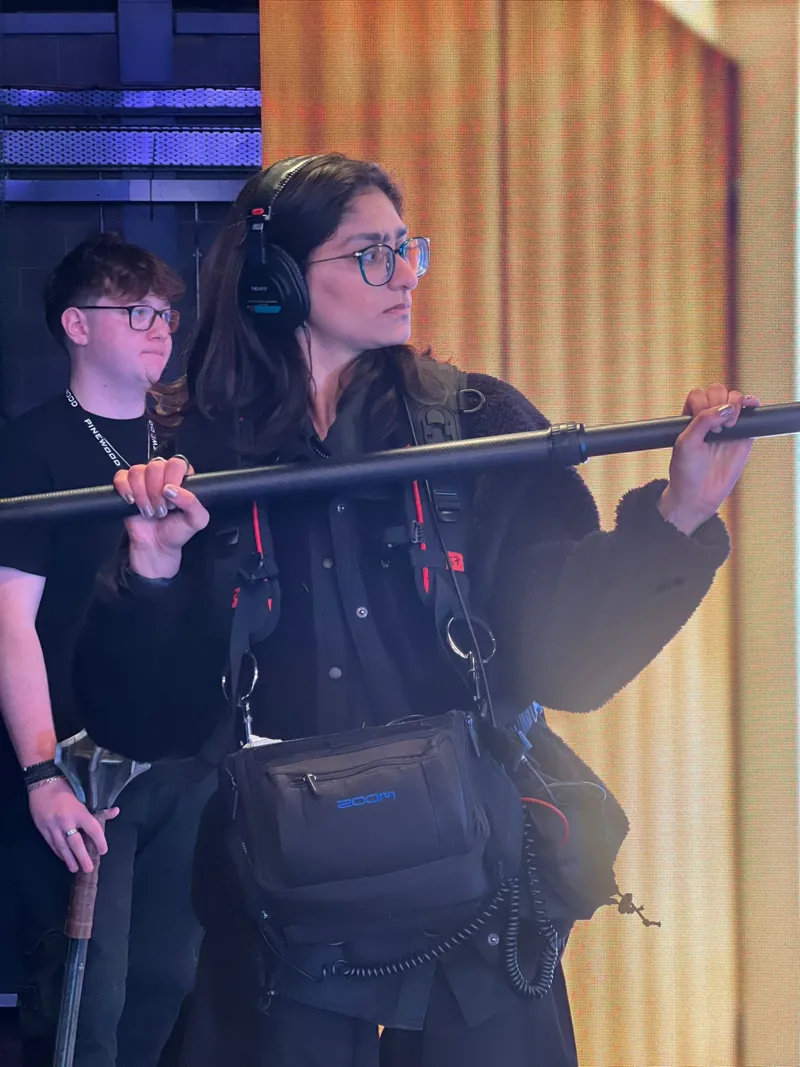 Sound, 214 films
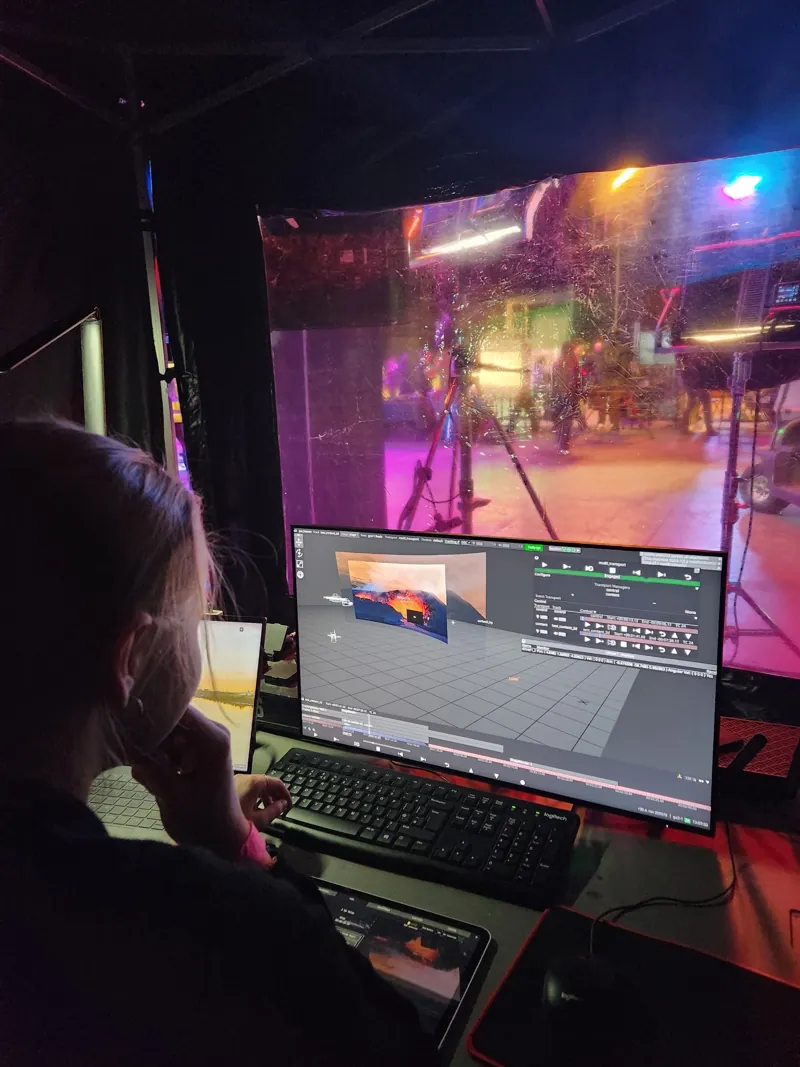 Virtual production New, 118 films
 AI tools New, 83 films
 Art department, 149 films
 Costume, 94 films
 Hair and make-up, 54 films
 Assistant directors, 54 films
 Production, 654 films
 Locations, 84 films
 Script supervision, 108 films
 Editorial and post, 469 films
 VFX, 218 films
 SFX, 20 films
 Stunts, 32 films
 Health and safety, 73 films
Magazines for camera
7What people in camera read to keep up with the craft and the kit.
 Free online; print by subscriptionBritish CinematographerThe UK magazine of cinematography: how camera, lighting and grip teams built the look, issue by issue.UKRead British Cinematographer
 Free online; print by subscriptionDefinitionCinema technology, virtual production, post and kit, from the UK.UKRead Definition
 Archive free; membershipZerbThe Guild of Television Camera Professionals' magazine. Back issues are free to read online; the newest is for members.UKRead Zerb
 Free onlineCinematography WorldUK-published magazine on the art and craft behind the camera.UK and internationalRead Cinematography World
- Some free; subscriptionAmerican CinematographerThe ASC's magazine: the global reference for how a film was shot, in detail.USRead American Cinematographer
 FreeKitPlusUK broadcast kit news, product guides and show coverage, plus a podcast.UKRead KitPlus
 Free online; print by subscriptionPro MoviemakerUK magazine for independent filmmakers and self-shooters, with kit reviews.UKRead Pro Moviemaker
Books for camera
6Borrow them free from your local library, or read them at the BFI Reuben Library.
 The Camera Assistant's ManualDavid ElkinsPrep, loading, focus, slates and reports, the AC's job step by step.Look it up The Camera Assistant's Manual (opens Open Library)
 Cinematography: Theory and PracticeBlain BrownLight, lenses, exposure and the language of the shot.Look it up Cinematography: Theory and Practice (opens Open Library)
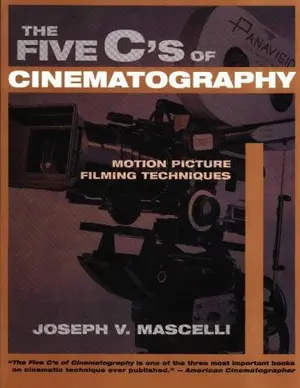 The Five C's of CinematographyJoseph V. MascelliCamera angles, continuity, cutting, close-ups and composition: the classic.Look it up The Five C's of Cinematography (opens Open Library)
 Masters of LightDennis Schaefer and Larry SalvatoGreat cinematographers talk about how they work.Look it up Masters of Light (opens Open Library)
 Painting with LightJohn AltonA film-noir master on lighting, written for working crew.Look it up Painting with Light (opens Open Library)
 American Cinematographer ManualASCThe camera department's reference for tables, formats and data.Look it up American Cinematographer Manual (opens Open Library)
All resources and reading: trade press, directories, libraries and more
Events for camera
13Shows, festivals and careers days where camera crew go to learn and meet people. Dates checked on each organiser's site.
-
Into Film FestivalFree screenings for schools, with people who work behind the camera.Cinemas across the UK
Free; book with an Into Film accountGo to the event site : Into Film Festival -
CamerimageA week where cinematographers talk about nothing but the image.Toruń, Poland
Entry cards on the festival siteGo to the event site : Camerimage -
Production Futures ON TOURLighting and sound skills carry straight from live events into film and TV.Production Park, Wakefield
Free to registerGo to the event site : Production Futures ON TOUR -
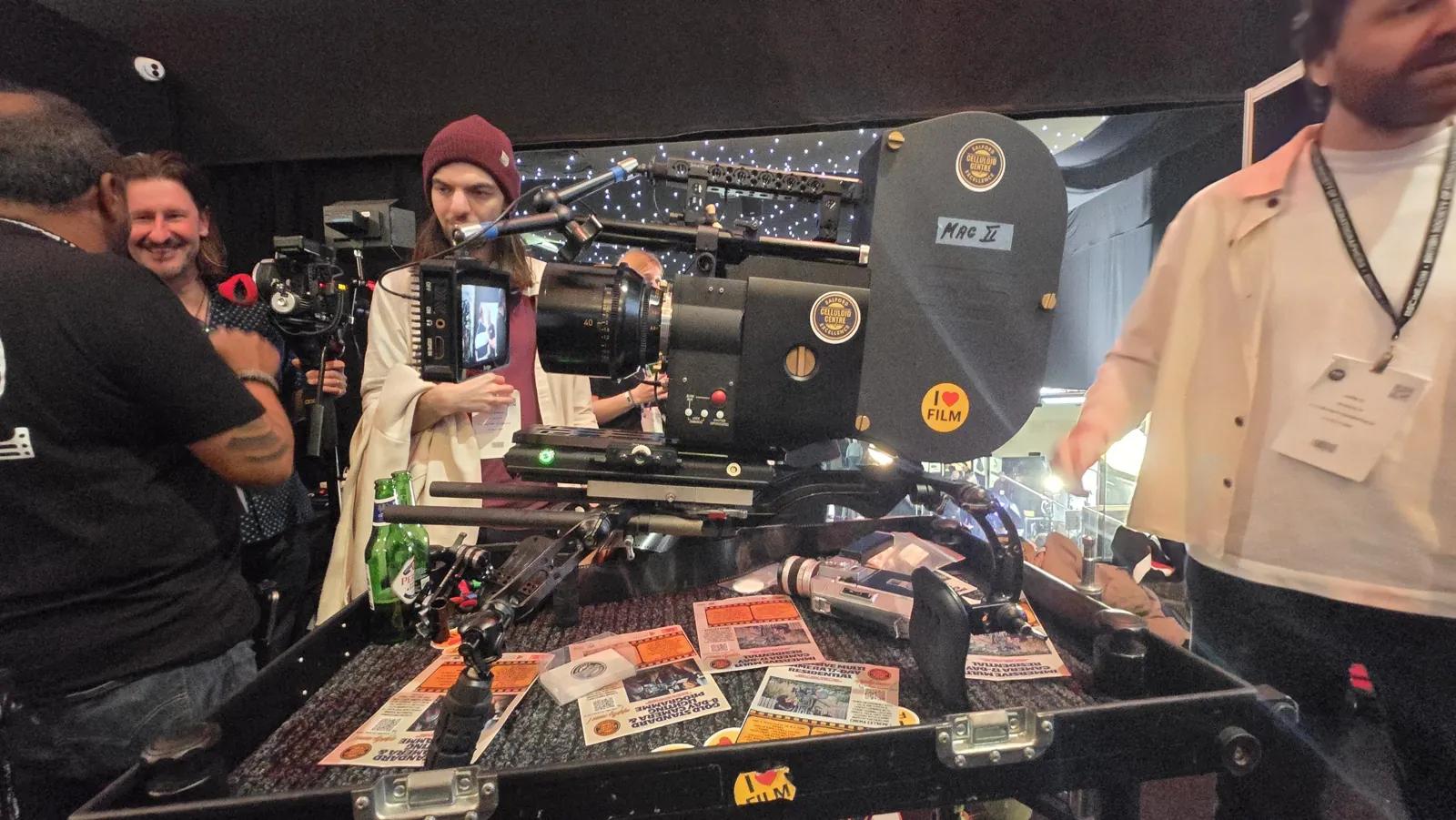
Free to registerGo to the event site : BSC Expo -
Glasgow Film FestivalScotland's big festival, with guests from every department.Glasgow Film Theatre and venues across the city
Tickets per screeningGo to the event site : Glasgow Film Festival -
NAB ShowNew cameras and post tools are launched here each spring.Las Vegas
Paid registrationGo to the event site : NAB Show -
Dates usually announced for NovemberCVP Education FestivalMade for students: kit demos and careers talks a short walk apart.Fitzrovia (four venues), London
Book a place on the CVP siteGo to the event site : CVP Education Festival -
Free; book a sessionGo to the event site : Pinewood Futures Festival -
Dates announced through the yearRTS Futures FestivalTV companies come to you: ask how they hire runners and trainees.Venues around the UK
Free; book a placeGo to the event site : RTS Futures Festival -
Dates usually announced for OctoberNFTS open daysSee the stages and kit, and ask current students what the course is really like.NFTS campus and online
Book through the NFTSGo to the event site : NFTS open days -
Dates usually announced for OctoberBFI London Film FestivalQ&As with the crews behind the year's biggest films.BFI Southbank and cinemas across London
Tickets per screeningGo to the event site : BFI London Film Festival -
Dates usually announced for OctoberInternational Motor Film Awards and Trade ExpoWhere vehicle-rigging, tracking vehicle and camera car crews meet.Alexandra Palace, London
Free to register for the expoGo to the event site : International Motor Film Awards and Trade Expo -
Dates usually announced for FebruaryBFI Future Film FestivalBuilt for people starting out: talks on how to get the first job.BFI Southbank, online and UK-wide
See the BFI siteGo to the event site : BFI Future Film Festival


Last reviewed 9 November 2026