
Department · Script
The script supervisor is the edit's memory on set.
Script supervision records what was shot, how and in what order, so the editor can cut it together.

Learning path · free · 11 films
Rights, consent and disclosure
What UK makers can and can't own, use, copy or fake with AI, and what unions, broadcasters and streamers expect you to disclose. Last checked 11 November 2026.
Watch: Script supervision
8 items Paul Laverty | BAFTA Screenwriters' Lecture SeriesBAFTA Guru · Masterclass
 Moira Buffini | BAFTA Screenwriters' Lecture SeriesBAFTA Guru · Masterclass
 William Nicholson | BAFTA Screenwriters' Lecture SeriesBAFTA Guru · Masterclass
 Frank Cottrell Boyce | BAFTA Screenwriters' Lecture SeriesBAFTA Guru · Masterclass
 Nadine Labaki | BAFTA Screenwriters' Lecture SeriesBAFTA Guru · Masterclass
 Guillermo Arriaga | BAFTA Screenwriters' Lecture SeriesBAFTA Guru · Masterclass
 John Logan | BAFTA Screenwriters' Lecture SeriesBAFTA Guru · Masterclass
 How writer/director Ben Sharrock took Limbo from idea to big screen release | BAFTA Guru LiveBAFTA Guru · Masterclass
Career ladder
From first job to head of department
The trainee rate sits on the Bectu camera card. The assistant grade only exists on some productions.
Script supervision
-
Entry grade Script supervisor trainee Shadowing, typing up notes, continuity photographs.
-
Step 2 Assistant script supervisor Notes and continuity on large or multi-camera shows.
-
 Top of the ladder
Script supervisor
Continuity, the shot record, timing and the editor's notes.Watch and read
Grade by grade: what you need before moving up
| Grade | What you do | Before moving up |
|---|---|---|
| Script supervisor trainee | Shadowing, typing up notes, continuity photographs. | Accurate notes and a working knowledge of coverage. |
| Assistant script supervisor | Notes and continuity on large or multi-camera shows. | Running the notes for a full day without help. |
| Script supervisor | Continuity, the shot record, timing and the editor's notes. | Credits as assistant or trainee, and directors' trust. |
Bectu Camera Branch card, 2025 · Every department's ladder: Careers A–Z · Getting work · Working freelance
Learn it, step by step
4 paths- Production · New to set to working crewRights, consent and disclosure11 lessons · about 3 hours · freeStart path
 Script supervision · New to set to working crewScreenwriting and storytelling17 lessons · about 6.5 hours · freeStart path
 Production · New to set to working crewDirecting13 lessons · about 4 hours · freeStart path
 Production · New to set to working crewDirecting actors15 lessons · about 3.5 hours · freeStart path
Safety first
On the floor, long days and other people's images
The script supervisor sits closer to camera than almost anyone and stays there all day. The hazards are moving kit, long sedentary hours, and the photographs and notes they keep about other people.
Watch first
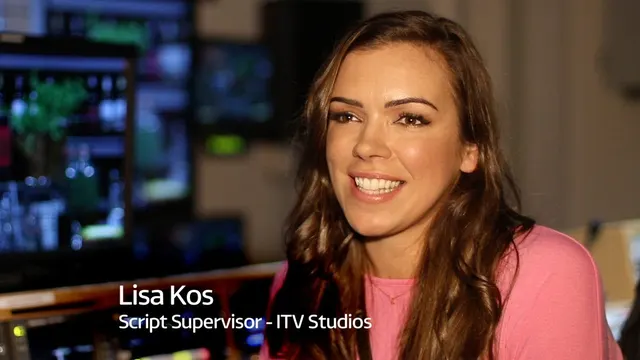 1:39A Day In The Life Of - Script Supervisor - ITV Studios UKITV Studios · 1:39
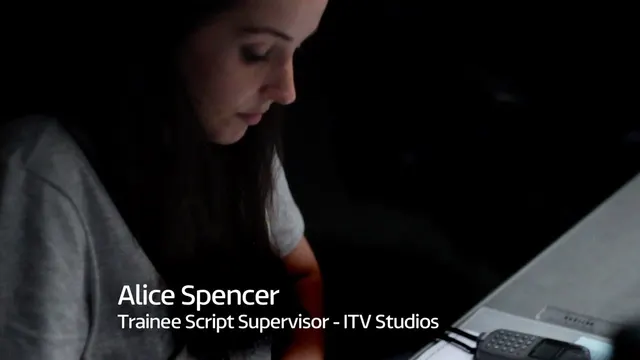 1:47A Day In The Life Of - Trainee Script Supervisor - ITV Studios UKITV Studios · 1:47
 23:38Why on-set safety and speaking up is our collective responsibility, with Samantha WainsteinWorkWise for Screen · 23:38
The hazards
6What hurts people in this department on UK sets, and what keeps them safe.
- Where you sitYour chair is by the monitors or the camera, near dolly track, cranes, cables and moving actors. Sit where the grips and the 1st AD say, never on the track or in a camera move, and move when you're asked.
- Long days without a breakScript supervisors often work through lunch catching up on notes. Take the break: tired people make continuity mistakes and accidents. Raise unworkable hours with the 1st AD or production.
- Screens and postureHours on a laptop or tablet on your knee strain neck, back and eyes. A proper chair, a stand for the screen and short breaks help. HSE's display screen guidance applies.
- Continuity photographsYour photos show actors in costume, make-up and sometimes undress. Take only what continuity needs, keep them on the production's device or system, never post them, and delete them when the production says. They're personal data under UK GDPR.
- Closed setsOn an intimate scene, follow the closed-set plan: you may be asked to work from a monitor feed outside the set, with no photographs.
- Cold, heat and travelYou sit still on exteriors, so you get cold faster than people who move. Dress for it. Early calls and late wraps mean travelling tired: use production transport where it's offered.
Who is responsible
- The 1st AD decides where people sit or stand during a set-up.
- The grips own the track and moving kit; move when they ask.
- The production sets the rules for photos, devices and data. The script supervisor follows them for every image taken.
As a trainee, never
- Never sit on dolly track or in the path of a camera move.
- Never post or share continuity photographs, or keep them on a personal cloud.
- Never take photographs on a closed set unless the plan allows it.
Anyone can say stop. If something feels wrong, say so to your head of department or the 1st AD.
Where this comes from
- HSE: display screen equipmentThe Health and Safety (Display Screen Equipment) Regulations 1992: workstation set-up, breaks and eye tests.
- GOV.UK: maximum weekly working hoursThe Working Time Regulations 1998: the 48-hour average, opting out, and rest breaks.
- Bectu: Eyes Half ShutThe union's campaign on long hours, fatigue and safety in film and TV.
- ICO: biometric data guidanceWhen face and voice data used to recognise someone is special category data.
- ICO: UK GDPR guidancePersonal data, including photographs of identifiable people.
- The Film and TV Charity: get supportFree 24-hour Support Line on 0800 054 0000, plus money, mental health and bullying advice.
Checked 13 November 2026. This is awareness, not a safety qualification: follow your production's risk assessment and your head of department.
AI in film and TV
How AI fits this department
Writers' bodies set clear lines on AI and credit. Tools help with research, coverage and formatting; the writing and authorship stay with the writer.
Learning path: Rights, consent and disclosure The AI channel Consent and credit
Script supervision, in detail
What script supervision does
Usually a department of one, sometimes with an assistant or trainee. The script supervisor sits beside the director and records every take: what was shot, the lens, the action, the dialogue as spoken, the director's preferred takes.
They track continuity, screen direction and eyelines, and time each scene. Their notes go to the editor every day, and the edit is built from them.
Who script supervision works with
The director, first. Then the camera department on slates, lenses and shot numbers; the 1st AD on coverage and timings; costume, hair and make-up, and props on continuity; and the editor and assistant editors, who read the notes each night.
Kit and vocabulary
- Lined script: the script marked with a line for every setup, showing what each covers.
- Continuity: keeping action, props, costume and position consistent between takes and setups.
- Screen direction / the line: the imaginary axis that keeps characters looking the right way.
- Eyeline: where an actor is looking, matched across shots.
- Slate and take: the setup and take numbers on the clapperboard.
- Circled take: the director's preferred take.
- Script timing: an estimate of each scene's running time.
How to get in
Many script supervisors start as trainees or assistants. Some come from editing, the AD department or production. Short courses in continuity exist; credits matter more. ScreenSkills publishes skills checklists for each grade.
Pay: the trainee rate sits on the Bectu Camera Branch card, 2025. Check the Bectu rate cards index for the script supervisor's rate.
Where Futures in Film helps
On a production simulation week (dates soon: register interest) every department is crewed, so you can hold the script supervisor's position through a shoot day. Your first day on set is the place to start if you have never been on a set.
Who to know: Script supervision
 BFC Skills and Social Responsibility Directory Searchable directory of UK organisations running screen training, skills and inclusion schemes.
 ScreenSkills job profiles Profiles of hundreds of screen jobs: what each role does and how to get in.
 ScreenSkills Select ScreenSkills' endorsement of university and college courses that are relevant to industry.
 6ft From the Spotlight Wellbeing and welfare support for UK productions and crew.
 BEAU (Broadcasting, Entertainment and Arts Unions) Brings together Bectu, Equity, the Musicians' Union and the Writers' Guild; formerly FEU and FEU Training.
 Bectu branches Bectu's craft and regional branches (camera, grips, costume and wardrobe, hair and make-up, art department and more) represent each grade.
 Writers' Guild of Great Britain (WGGB) Union for writers; rates, contracts and Candidate membership for new writers.
Other departments
17 departments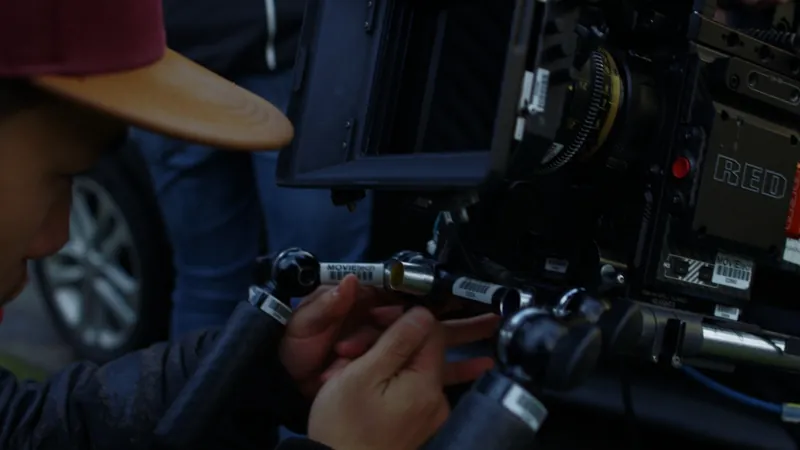 Camera, 1187 films
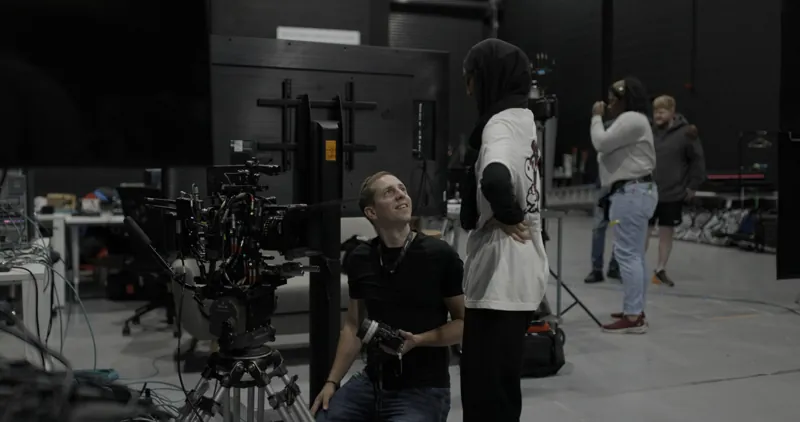 Lighting, 252 films
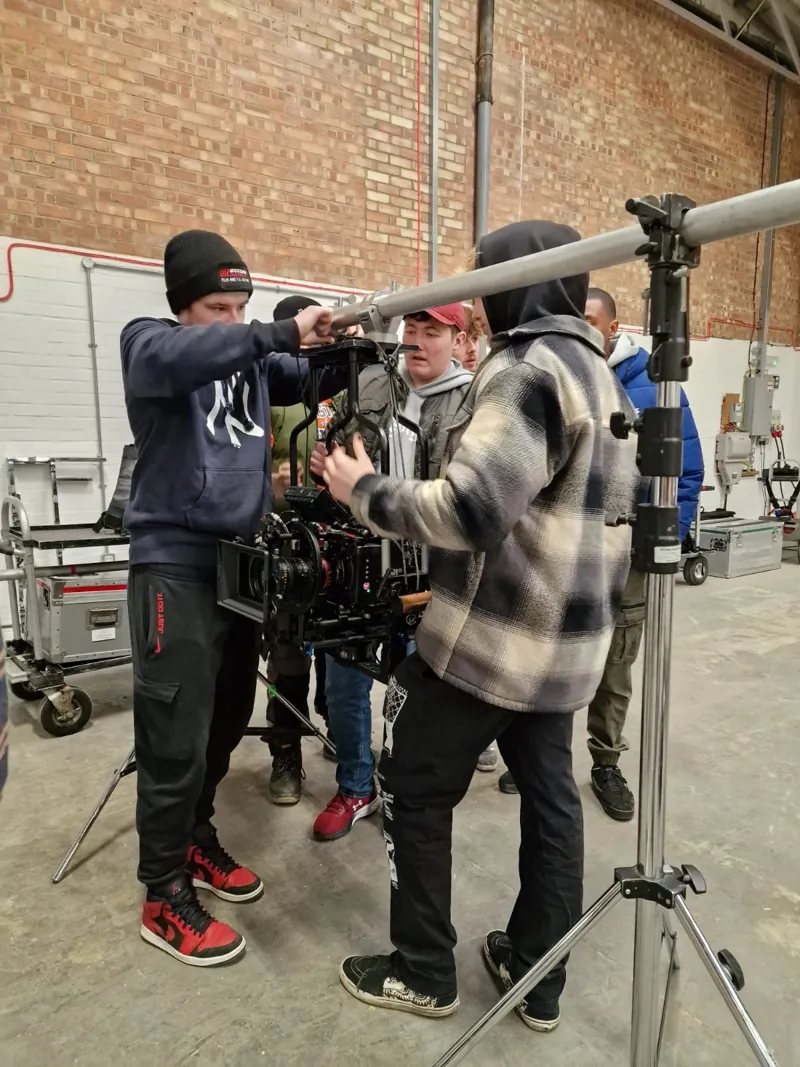 Grip, 147 films
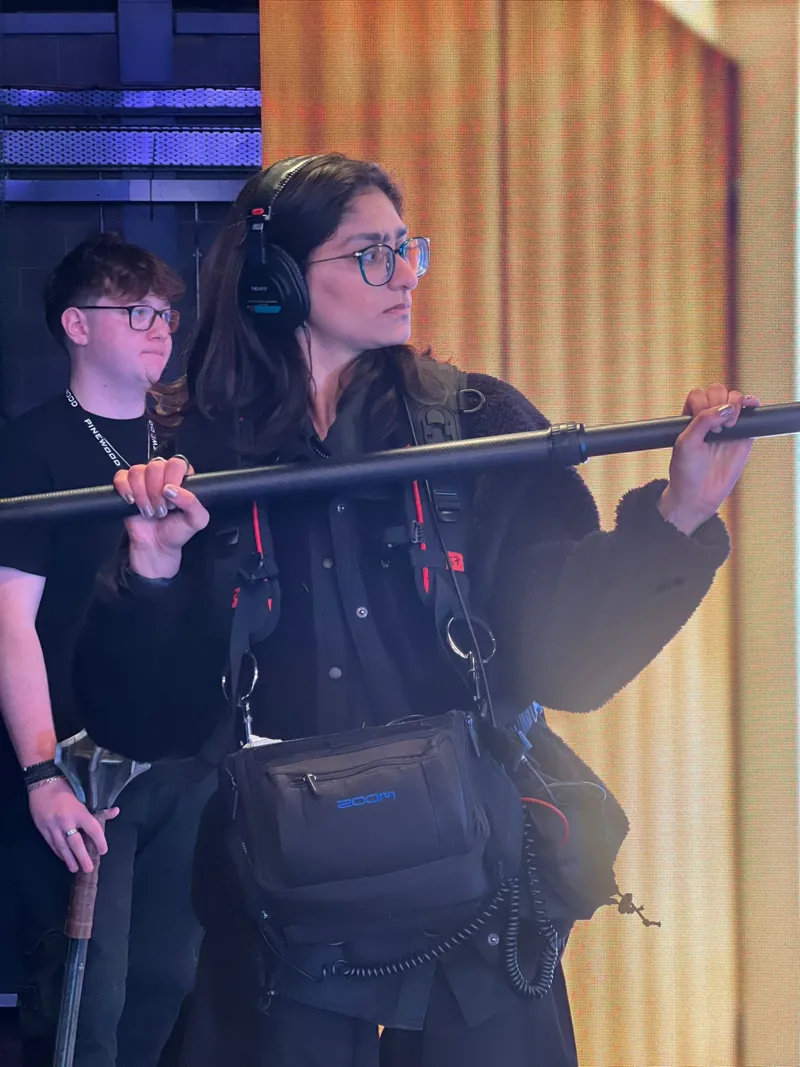 Sound, 214 films
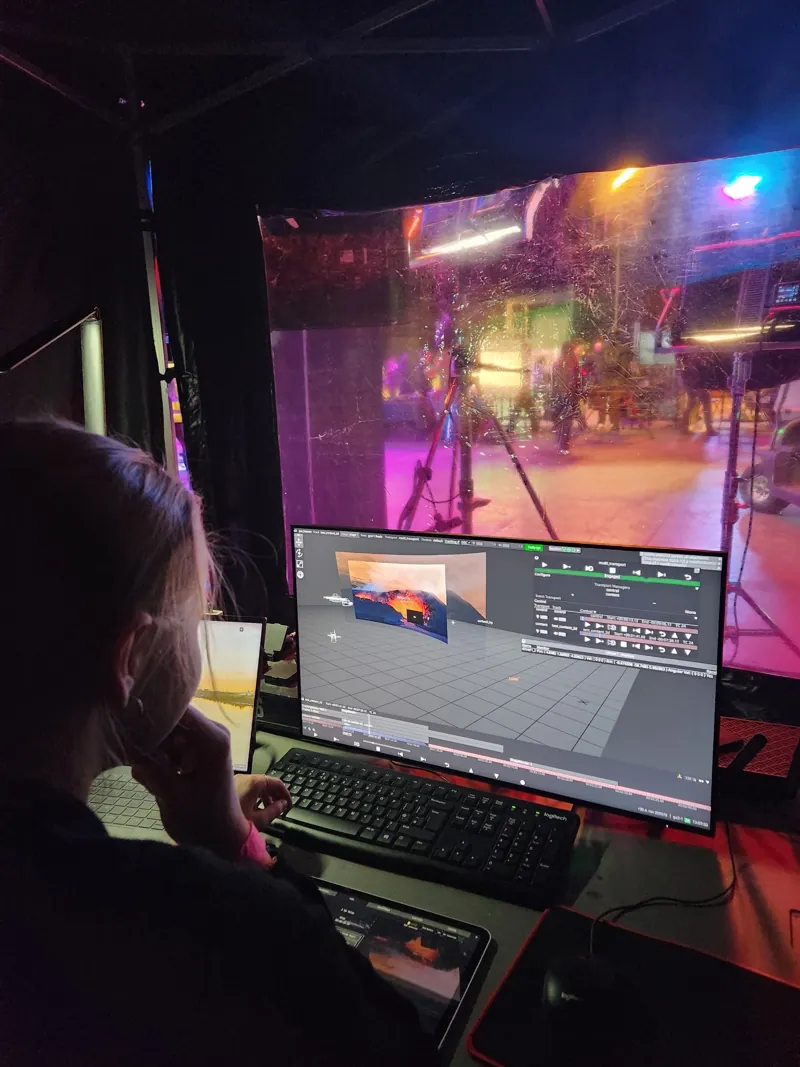 Virtual production New, 118 films
 AI tools New, 83 films
 Art department, 149 films
 Costume, 94 films
 Hair and make-up, 54 films
 Assistant directors, 54 films
 Production, 654 films
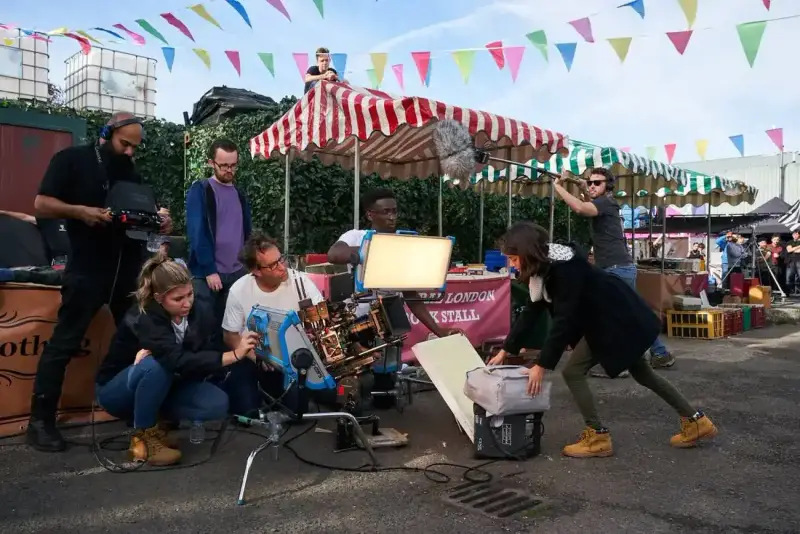 Locations, 84 films
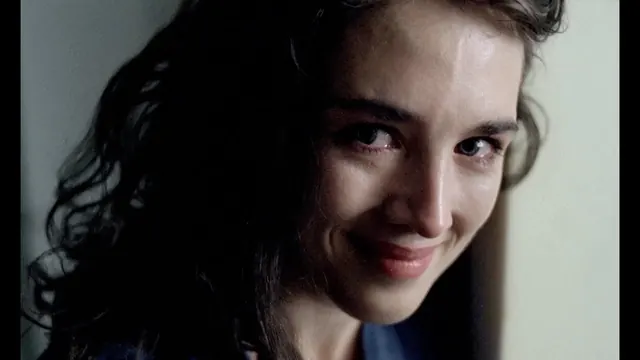 Editorial and post, 469 films
 VFX, 218 films
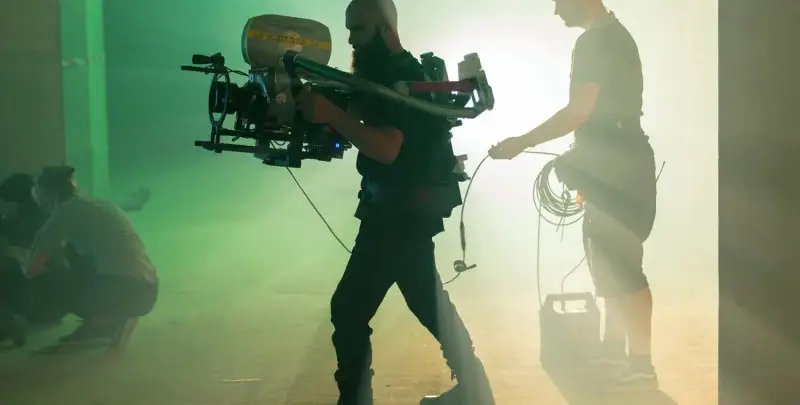 SFX, 20 films
 Stunts, 32 films
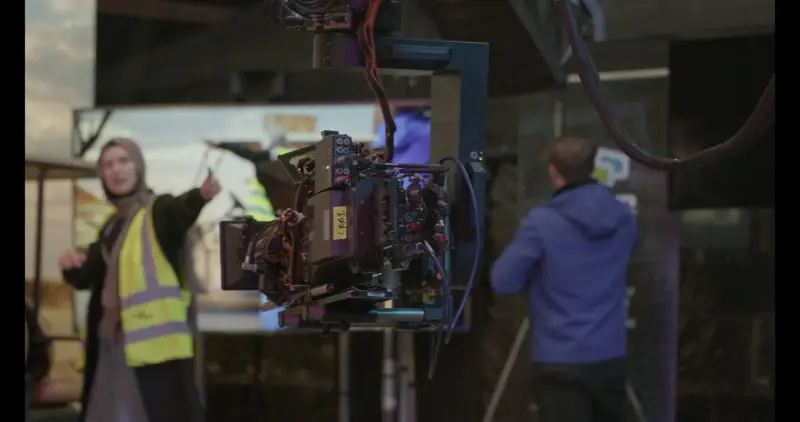 Health and safety, 73 films
Read for script supervision
The magazines and books people in script supervision read. Borrow the books free from a library.
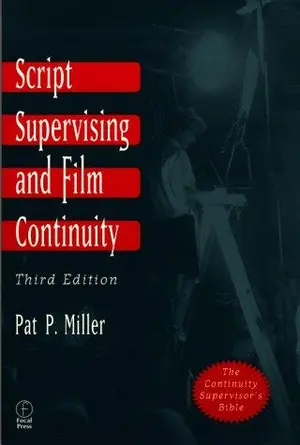 Script Supervising and Film ContinuityPat P. MillerNotes, continuity and coverage: the script supervisor's standard text.Look it up Script Supervising and Film Continuity (opens Open Library)
 The Continuity SupervisorAvril RowlandsA UK guide to continuity and script supervision: notes, timings and the daily report.Look it up The Continuity Supervisor (opens Open Library)
- The Role of Script Supervision in Film and TelevisionShirley Ulmer and C. R. SevillaA working script supervisor's handbook, from breaking down the script to the last shot.Look it up The Role of Script Supervision in Film and Television (opens Open Library)
All resources and reading: trade press, directories, libraries and more
Events for script supervision
Shows, festivals and careers days where script supervision crew go to learn and meet people. Dates checked on each organiser's site.
-
London Screenwriters' FestivalPitch to producers and learn how writers' rooms run.Regent's University London
Paid ticketsGo to the event site : London Screenwriters' Festival  Month by monthEvery event and expoShows, festivals and careers days across the UK for every department, with dates checked on each organiser's site.See the calendar
Next for Script supervision
Last reviewed 9 November 2026