
Learning path · Art department
Production design and the art department
How an art department turns a script into a world: design, drawings, set dressing, props, construction and scenic art.
Free films in teaching order, for one craft. Watch, tick them off and test yourself. It's practice that prepares you for an Academy course. This one prepares you for the art department course (coming).
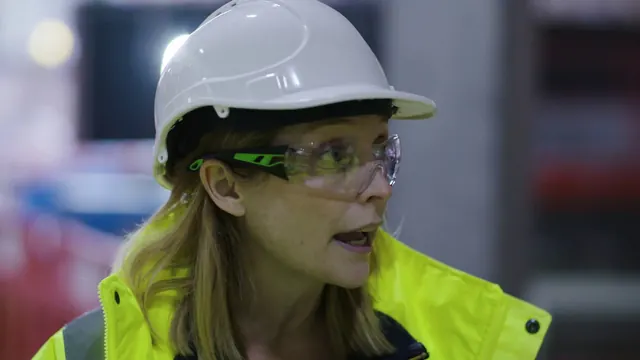
Lesson 1
Working from Height - Site Safety Plus Short Film
CITB · 3:31 · original on YouTube
You will learn: Recognise what makes working at height dangerous, and how it's planned.
Note: UK construction source (CITB). The same rules apply on a stage.
Safety first
Tools, height, paints and dressing the set
The art department builds, paints and dresses real spaces fast. Its hazards are workshop tools, working at height, chemicals and dust, heavy dressing, and making sure a set is safe for the people who will act in it.
The hazards
- Workshop and power toolsSaws, routers and nail guns are used only by people trained on them, with guards on and the right protection. Trainees watch and fetch until they're signed off.
- Working at heightLadders for short, light work; scaffold towers built by trained people (PASMA); mobile elevating work platforms only with IPAF training. Nothing is left loose overhead.
- Paints, solvents, resins and dustRead the safety data sheet. Use ventilation, masks and gloves as it says, especially for spray, resin and fibreglass, and for MDF dust. That's COSHH.
- Fire safety of scenerySet materials, drapes and dressing are flame-retardant where the fire risk assessment needs it. Keep exits, extinguishers and fire routes clear of dressing.
- Heavy and fragile dressingFix tall furniture and flats so they can't topple, team-lift, and tell standby props about anything glass or sharp. Breakaway glass and anything rigged to break belongs to SFX.
- Props that look dangerousAny real or replica weapon is the armourer's, not props'. Prop food is handled hygienically and checked for allergies, because actors eat it take after take.
Who is responsible
- The production designer leads the department; the construction manager runs construction safety and the build.
- The supervising art director and set decorator manage their teams' risk assessments.
- Standby props hand over the set safely and flag hazards to the 1st AD.
As a trainee, never
- Never use a power tool you haven't been trained and signed off on.
- Never handle a real or replica weapon: that's the armourer's job.
- Never block a fire exit or extinguisher with dressing.
Anyone can say stop. If something feels wrong, say so to your head of department or the 1st AD.
Where this comes from
- HSE: work at heightThe Work at Height Regulations 2005: ladders, towers, platforms and who may use them.
- HSE: COSHHControl of Substances Hazardous to Health: paints, solvents, resins, adhesives and dust.
- HSE: CDM 2015The Construction (Design and Management) Regulations 2015. Ask the construction manager whether a build falls under them.
- PASMATraining for building and using mobile access towers.
- IPAFTraining for mobile elevating work platforms (cherry pickers and scissor lifts).
- Bectu agreements: constructionThe Pact/Bectu construction agreement and grades.
Checked 13 November 2026. This is awareness, not a safety qualification: follow your production's risk assessment and your head of department.
By the end you will be able to
- Break down a script for design needs and present a mood board and colour palette
- Read and produce simple set drawings and a 3D model in SketchUp
- Break down props and dressing for a shoot and stand by on set
- Explain how sets are built and aged, and the roles in a UK art department
Test yourself
Could you do it on a set?
4 real situations, one for each thing this path teaches. It's optional practice, not pass or fail, and your answers stay on this device.
Next: do it for real
Art department course: coming.
There isn't an Academy course for art department yet. Register interest and we'll tell you when it opens. Meanwhile, Day One covers safety and how a set runs for every department, and experienced crew can book a competency check directly.
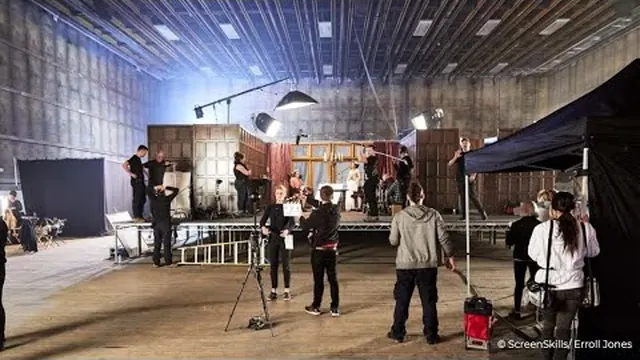
How learning with FIF works
Learning path. Free films in teaching order, for one craft. Watch, tick them off and test yourself. It's practice that prepares you for an Academy course.
- Learn onlineFree films, paths and Academy coursesYou are here
- Competency checkA short check with us, online or in person
- In-person practicalOn our unit at Pinewood or 3 Mills
- FIF CertificateFrom the practical only
The FIF Certificate comes only from the practical. How it works · Book a competency check
 The Art Department EssentialsCreative Media Skills · Lesson2 min.
 The Role of the Art Director and Production Designer || Terry Ackland SnowCooke Optics · Lesson
 Art Director Shaun Clark talks about his typical day working on a film or TV setScreen Yorkshire · Careers2 min.
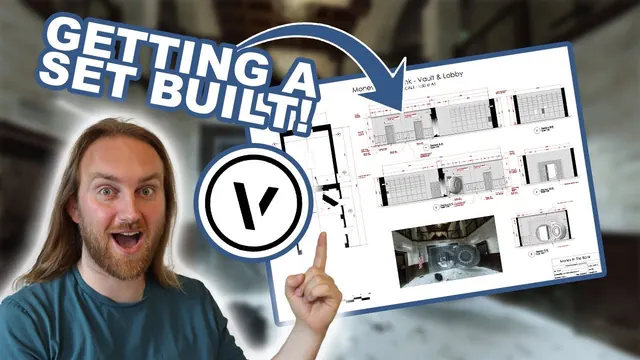 Drawing Plans and Elevations Using Vectorworks (Set-Designer Explains)The Set-Design Channel · Lesson24 min.
 #7: George Price, Standby Props - Behind Every Prop: Couches, Keys, and ContinuityFilmmaking Framed · Lesson1 h 12 min.
 How To Create Authentic Looking Aged Paper In Three Minutes - Film PropsUglyMcGregor · Lesson4 min.
 #23: Becca Salter, Standby Art Director - Secrets to Success in the Art DepartmentFilmmaking Framed · Lesson54 min.
 Career Advice on becoming a Standby Art Director by Abbi S (Full Version)icould career stories · Lesson5 min.
Go further
Beyond YouTube, labelled honestly. Free first. Paid options are labelled.
- Introduction to the Film and TV Art Department Paid (check site)
NFTS. Short course on how a UK art department runs. - Screen Craft Pathways: Assisting Art Department Paid (from approx £375; check for funded places)
NFTS. New-entrant pathway into art department assisting. - Art Department: Three Key Crafts Paid (approx £1,645–£2,525)
NFTS. Longer practical course. - SketchUp Free Free
Trimble. Browser version for practising set models. - Vectorworks education licence Free for students
Vectorworks. Drafting software widely used by UK art departments. - ScreenSkills e-learning (incl. Getting into the screen industries, safety and anti-bullying modules) Free with sign-up
ScreenSkills. UK industry body; free modules that productions expect new entrants to have done. - MA Production Design Paid (£15,950 a year UK)
NFTS. Two-year master's. - Apprenticeship standard: Props technician (Level 3) Free to the apprentice (paid job; employer and government fund training)
Skills England. Shows what the apprenticeship covers; find live vacancies on Find an Apprenticeship.
For learners and trainers
Every lesson is a free video by its original maker, played from YouTube with privacy-enhanced settings. Found a broken video? Email [email protected].