
Learning path · Costume and make-up
Costume, hair and make-up
Hygiene, patch tests and dignity in fittings first. Then how costume and hair and make-up design, fit, keep continuity and create effects for the screen.
Free films in teaching order, for one craft. Watch, tick them off and test yourself. It's practice that prepares you for an Academy course. This one prepares you for the costume, hair and make-up course (coming).

Lesson 1
Makeup Kit Sanitation | Your ultimate step-by-step guide
Julie Ruby · 17:01 · original on YouTube
You will learn: Sanitise a make-up kit properly between artists.
Note: Hygiene is a professional standard, not optional.
Safety first
Hygiene, skin tests and dignity
Hair and make-up work on faces, eyes and skin, all day. Hygiene stops infections, patch tests stop reactions, and consent and dignity matter in a chair as much as on set.
The hazards
- HygieneClean brushes, disposables for eyes and lips, no double-dipping, sanitised tools between performers. A dirty kit spreads infection across a cast.
- Patch tests and allergiesAdhesives, latex, dyes and some products cause reactions. Ask about allergies at the first chair and patch-test in good time before the shoot day.
- Prosthetics and chemicalsProsthetic materials, adhesives and removers need ventilation and the right handling. Prosthetics are applied and removed by trained artists only.
- Heat and sharpsTongs, irons and dryers are hot. Razors and blades go in a sharps box. Cables tidy in a busy trailer.
- Consent and touchExplain what you're doing before you do it, especially around the face, neck and hair. Some performers have faith or cultural needs about hair and touch. Ask, and plan with them.
- Long chair timesEarly calls and long prosthetic applications mean fatigue for artists and performers. Plan breaks, posture and water.
Who is responsible
- The HMU designer and supervisor run the department and its safety.
- Prosthetics are applied and removed by trained artists.
- The production books chaperones for children.
- Each artist owns their kit's hygiene.
As a trainee, never
- Never use a product on someone without asking about allergies first.
- Never apply or remove a prosthetic you haven't been trained on.
- Never share an eye or lip product between performers.
Anyone can say stop. If something feels wrong, say so to your head of department or the 1st AD.
Where this comes from
- HSE: theatre, film and TVThe Health and Safety Executive's guidance for screen and stage.
- HSE: COSHHHazardous substances: solvents, adhesives, dyes, sprays and dust.
- The Children (Performances and Activities) (England) Regulations 2014Licences, chaperones, hours and breaks. Scotland, Wales and Northern Ireland have their own rules.
- NHS: contact dermatitisSigns of an allergic skin reaction.
- CIISAThe Creative Industries Independent Standards Authority: report bullying and harassment.
Checked 13 November 2026. This is awareness, not a safety qualification: follow your production's risk assessment and your head of department.
By the end you will be able to
- Keep a hygienic kit, patch-test products and run fittings with consent and dignity
- Break down a script for costume, hair and make-up and run a fitting
- Keep costume and make-up continuity and work as an on-set standby
- Apply natural screen make-up, prep hair for wigs and keep a hygienic kit
- Create basic SFX make-up (blood, wounds, old-age stipple) after a patch test, under the HoD
Test yourself
Could you do it on a set?
4 real situations, one for each thing this path teaches. It's optional practice, not pass or fail, and your answers stay on this device.
Next: do it for real
Costume, hair and make-up course: coming.
There isn't an Academy course for costume, hair and make-up yet. Register interest and we'll tell you when it opens. Meanwhile, Day One covers safety and how a set runs for every department, and experienced crew can book a competency check directly.
How learning with FIF works
Learning path. Free films in teaching order, for one craft. Watch, tick them off and test yourself. It's practice that prepares you for an Academy course.
- Learn onlineFree films, paths and Academy coursesYou are here
- Competency checkA short check with us, online or in person
- In-person practicalOn our unit at Pinewood or 3 Mills
- FIF CertificateFrom the practical only
The FIF Certificate comes only from the practical. How it works · Book a competency check
 Working in film and TV: Learn about the costume department from Lisa Phillips DodsworthScreen Yorkshire · Lesson2 min.
 What Makes A Good Hair & Make Up Artist?BAFTA Guru · Lesson9 min.
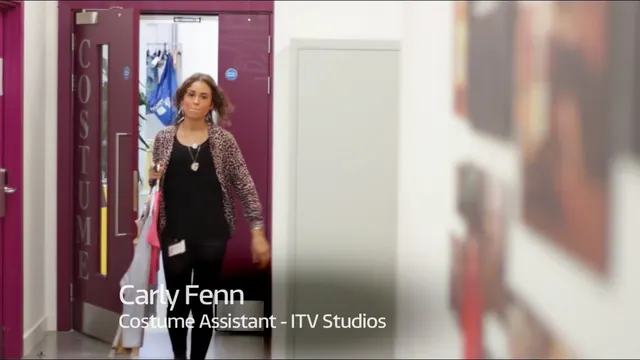 A Day In The Life Of - Costume Assistant - ITV Studios UK[email protected] · Lesson2 min.
 Killing Eve Costume Designer Phoebe de Gaye on Dressing Villanelle and Eve | Talking TVBAFTA Guru · Lesson7 min.
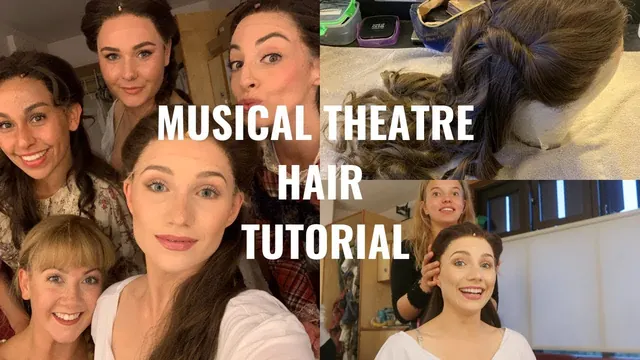 MUSICAL THEATRE HAIR TUTORIAL | WIG PREP & WIG DRESSING FOR A SHOW | Georgie AshfordGeorgie Ashford · Lesson13 min.
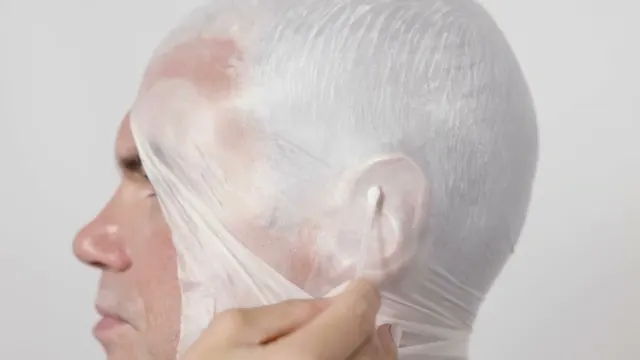 Bald Cap Tutorial - KryolanKryolanOfficial · Lesson8 min.
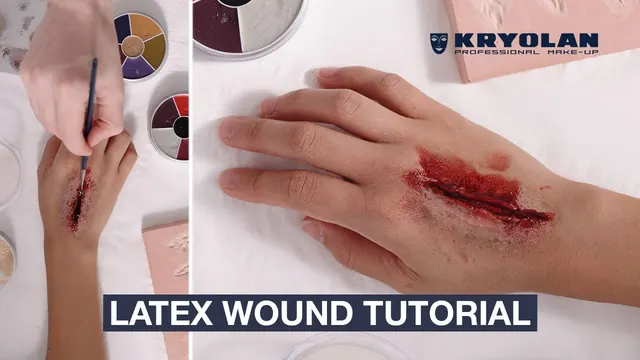 Realistic SFX Wound Tutorial With Liquid LatexKryolanOfficial · Lesson4 min.
 Screen Careers: ProstheticsFfilm Cymru Wales · Lesson17 min.
Go further
Beyond YouTube, labelled honestly. Free first. Paid options are labelled.
- Working in the Hair and Make Up Department for Film and TV Paid (approx £10–£175)
NFTS. Low-cost introduction to the department. - Set Ready Go: Practical Hair and Make-up Check site (funded places may be free)
NFTS. Practical new-entrant course. - Screen Craft Pathways: Assisting Costume Paid (from approx £375; check for funded places)
NFTS. New-entrant pathway into the costume department. - MA Hair and Makeup for Film and Television Paid (MA fees, approx £14,450–£22,450 depending on status; scholarships available)
NFTS. Specialist degree route. - MA Costume Design for Film and Television Paid (MA fees, approx £15,950–£27,600 depending on status; scholarships available)
NFTS. Specialist degree route. - The Costume Society Free resources; membership paid
The Costume Society (UK). Dress history research for period work. - ScreenSkills e-learning (incl. Getting into the screen industries, safety and anti-bullying modules) Free with sign-up
ScreenSkills. UK industry body; free modules that productions expect new entrants to have done. - Afro Hair On-Set masterclass series Supported (Prime Video Pathway)
NFTS. Five-day masterclass. - Select Industry Insight: hair and make-up trainee and designer Free with sign-up
ScreenSkills. Real career routes in HMU. - Apprenticeship standard: Hair, wigs, make-up and prosthetics technician (Level 3) Free to the apprentice (paid job; employer and government fund training)
Skills England. Shows what the apprenticeship covers; find live vacancies on Find an Apprenticeship. - Apprenticeship standard: Costume technician – stage and screen (Level 3) Free to the apprentice (paid job; employer and government fund training)
Skills England. Shows what the apprenticeship covers; find live vacancies on Find an Apprenticeship.
For learners and trainers
Every lesson is a free video by its original maker, played from YouTube with privacy-enhanced settings. Found a broken video? Email [email protected].