Learning path · Shooting on film
16mm and Super 16
16mm and Super 16, Bolex to ARRI 416: loading mags, exposure, stocks and the workflow to a finished film.
Free films in teaching order, for one craft. Watch, tick them off and test yourself. It's practice that prepares you for an Academy course. This one prepares you for Camera department Foundation.
Lesson 1
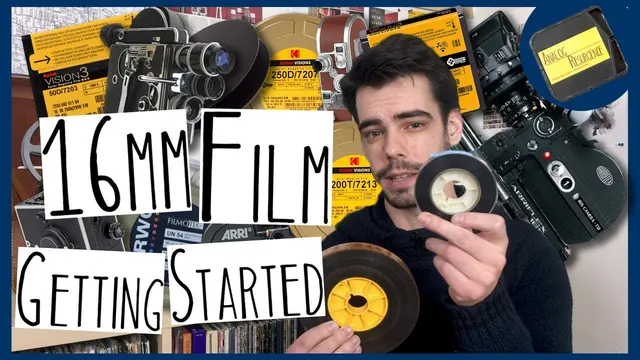
Kodak's 16mm Film: Getting Started
Analog Resurgence · 17:09 · original on YouTube
You will learn: Know Kodak's 16mm stocks, how to buy them and how the workflow runs.
Note: Check current stock list with Kodak.
By the end you will be able to
- Explain 16mm, Ultra 16 and Super 16 and choose the right one
- Load and run a Bolex, a Krasnogorsk-3, an Aaton and an ARRI SR or 416
- Meter and expose Kodak 16mm stocks
- Cost and run a 16mm shoot through lab, scan and edit
Test yourself
Could you do it on a set?
4 real situations, one for each thing this path teaches. It's optional practice, not pass or fail, and your answers stay on this device.
Next: do it for real
This path prepares you for Camera department Foundation.
Eight lessons in the order a camera trainee meets the job: safety, who's who, prep, kit care, slates and camera reports, media, lenses and marks.
It's free and open in the pilot. Finish it to book a competency check, then a practical on our unit.
How learning with FIF works
Learning path. Free films in teaching order, for one craft. Watch, tick them off and test yourself. It's practice that prepares you for an Academy course.
- Learn onlineFree films, paths and Academy coursesYou are here
- Competency checkA short check with us, online or in person
- In-person practicalOn our unit at Pinewood or 3 Mills
- FIF CertificateFrom the practical only
The FIF Certificate comes only from the practical. How it works · Book a competency check
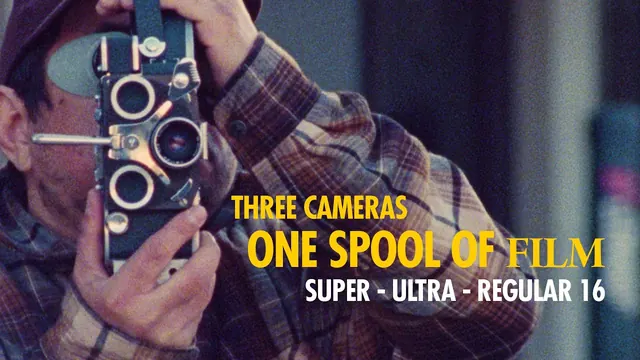 Super 16, Ultra 16 & Regular 16. Testing 3 cameras using one spool of film.The Cinematography Lab · Lesson9 min.
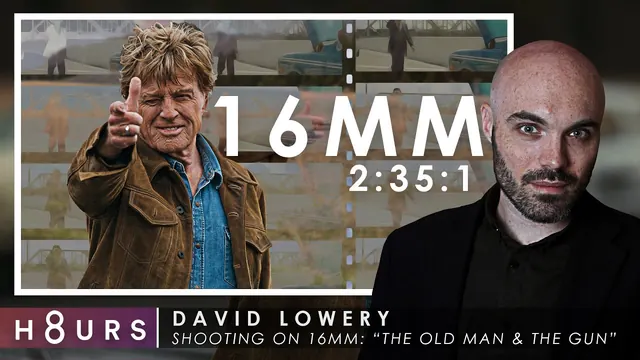 Super 16mm: Creating That Gritty 70s Look Today | Writer/Director David LoweryH8URS · Lesson4 min.
 Loading the Bolex H16 - Sprocket&Claw - Ep 002Midwest Film Co · Lesson5 min.
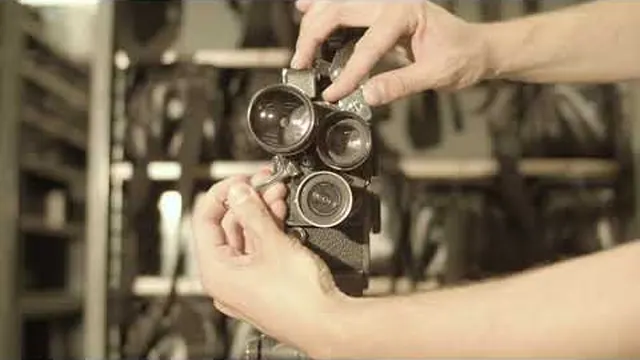 Setting the Bolex's DiopterIsaac Brooks · Lesson1 min.
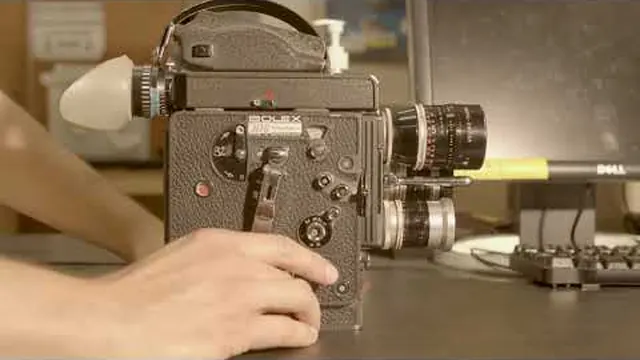 Backwinding the Bolex for a Double ExposureIsaac Brooks · Lesson2 min.
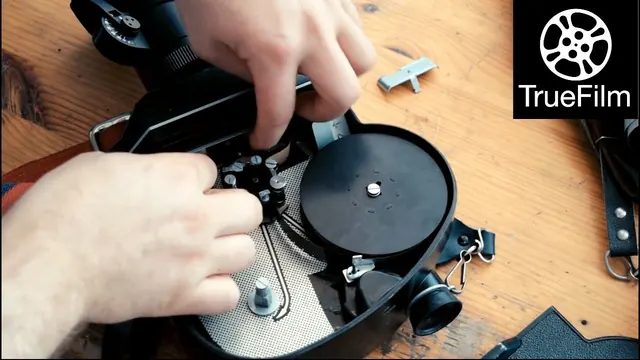 How To Load The Krasnogorsk-3 16mm/S16mm Camera - Loop Formers RemovedTrueFilm · Lesson3 min.
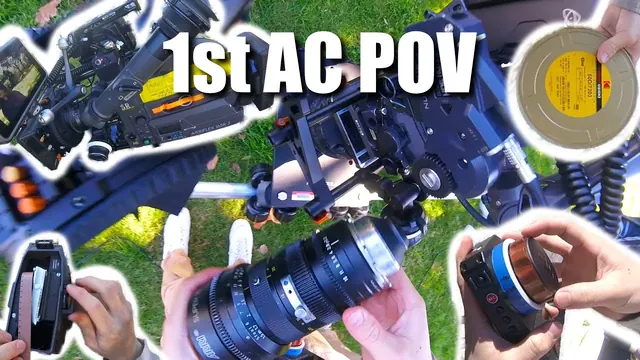 Loading, Unloading, and Pulling 16mm on a Short Film | Arri SR3 & Nucleus MFocusInMotion · Lesson23 min.
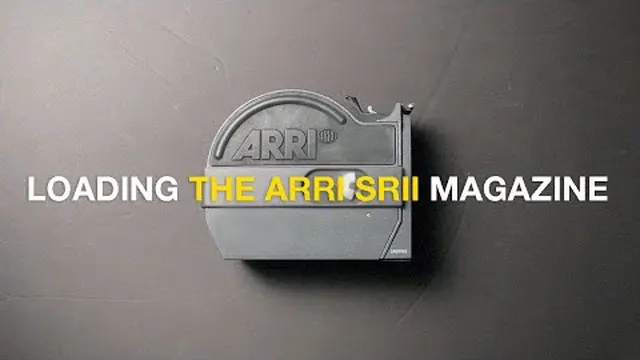 How to Load Arri 16 SR2 MagazineNkosi Roma · Lesson4 min.
 Arri 416 Tutorialcinemyscope · Lesson53 min.
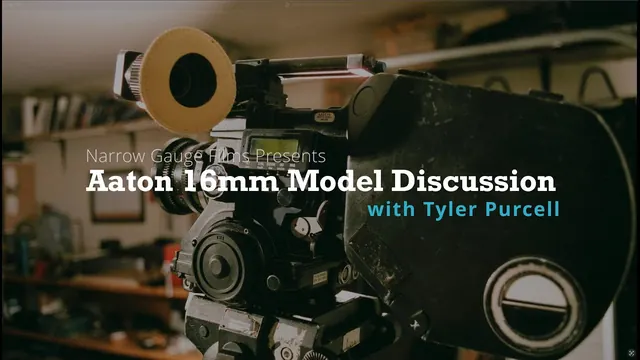 Aaton 16mm camera version breakdown LTR through XteraNarrow Gauge Films LLC · Lesson30 min.
 We shot a SHORT FILM on 16MM FILMChris Ajtony · Lesson18 min.
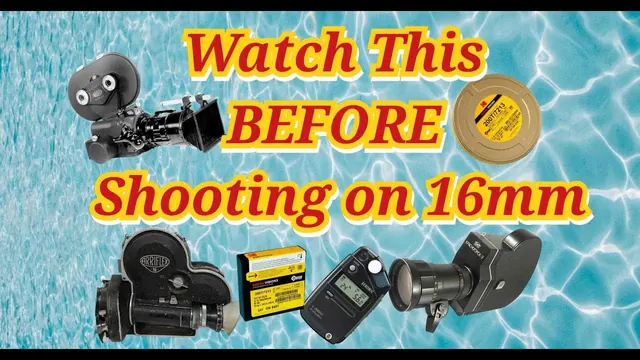 Tips & Tricks for 16mm FilmmakingThe Grain Silo · Lesson36 min.
Go further
Beyond YouTube, labelled honestly. Free first. Paid options are labelled.
- 16mm / 35mm Camera Familiarisation (5 days) Paid (about £965 freelance rate)
NFTS. Hands-on with current 16mm and 35mm camera systems at Beaconsfield, including a rental house visit; next listed Feb 2027. - KODAK Film Lab London (Pinewood Studios) Paid per foot; ask for a quote
Kodak. Kodak's own UK lab: colour and B&W negative processing and scanning for motion picture film. - Cinelab Film & Digital Paid; ask for a quote
Cinelab. UK lab handling Super 8 to 65mm: processing, scanning, prints and film-out. - Kodak camera films (technical data) Free
Kodak. Data sheets for every Vision3, Double-X and Ektachrome stock. - Buy Kodak motion picture film Paid
Kodak. Official ordering route and current stock list. - British Society of Cinematographers Free to browse; events vary
BSC. UK cinematographers' society; BSC Expo is the best place to see film cameras and meet rental houses. - ScreenSkills e-learning Free with sign-up
ScreenSkills. UK industry body's free online modules, including camera department basics. - What film costs
Shooting film is expensive. As a rough 2026 guide, a Super 8 cartridge (about 2.5 minutes at 24fps) plus processing and a decent scan often costs £100+, 16mm runs at hundreds of pounds per 400ft roll (about 11 minutes) once processed and scanned, and 35mm costs more again. Always get a lab quote first.
For learners and trainers
Every lesson is a free video by its original maker, played from YouTube with privacy-enhanced settings. Found a broken video? Email [email protected].