
Learning path · Camera and lighting
Grip
Safety first: stands, sandbags, loads and working at height. Then the kit and craft: flags and frames, dollies and track, and jibs, cranes and car rigs at awareness level.
Free films in teaching order, for one craft. Watch, tick them off and test yourself. It's practice that prepares you for an Academy course. This one prepares you for the grip course (coming).
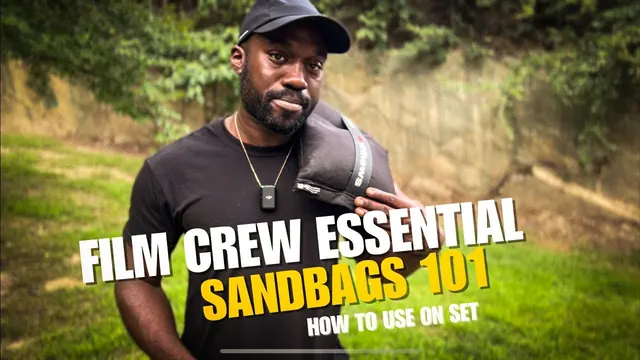
Lesson 1
How to Use Sandbags on Set | Grip 101
Everything Grip and Electric · 5:22 · original on YouTube
You will learn: Bag every stand: where sandbags go and why.
Note: US source. UK terms: a lighting technician is a spark or electrician; the gaffer runs the department and the best boy is the gaffer's second. UK sets run on 230V. Every stand gets a bag, on the leg under the load. Ask your key grip how your crew does it.
Safety first
Stands, sandbags, loads and height
Grips move the camera and everything that holds it. Weight, height and moving kit are the hazards. The key grip runs it; the trainee's job is to carry right, bag everything and never guess.
The hazards
- Stands and bagsA C-stand goes up with the heavy leg under the load and a sandbag on it. Every stand, every time. A stand that falls on someone is the most common grip accident.
- Carrying and liftingDolly track, weights and cases are heavy. Lift with two people, use the trolley, and say "coming through" and "corner" as you move.
- Dollies and trackKeep feet, fingers and cables out from under the wheels. Nobody sits on track. The dolly grip calls the move.
- Cranes and armsOnly trained, certified grips build and swing a crane. Everyone else stays out of the swing and never steps on or off a loaded crane without the operator saying so.
- Working at heightTowers, scaffold and platforms go up only with the right training and a check. Tools are tied off. Nobody works under a load being lifted.
- VehiclesCar rigs and tracking vehicles are planned with the key grip and the 1st AD, on closed roads or with police and permits. Nobody rides on a rig unless it was planned that way.
- Overhead linesCranes, arms and long poles stay well clear of overhead power lines, outdoors and on backlots.
Who is responsible
- The key grip runs grip safety and signs off every rig.
- The dolly grip owns the dolly and the move.
- Crane and vehicle rigs are built only by certified grips.
- The 1st AD briefs the unit and calls stop.
As a trainee, never
- Never leave a stand un-bagged.
- Never sit or stand on track, a dolly or a crane unless the grip tells you to.
- Never touch a rig you haven't been shown, even to move it an inch.
Anyone can say stop. If something feels wrong, say so to your head of department or the 1st AD.
Where this comes from
- HSE: theatre, film and TVThe Health and Safety Executive's guidance for screen and stage.
- HSE: manual handlingAvoid, assess, reduce (Manual Handling Operations Regulations 1992).
- HSE: work at heightLadders, towers and platforms (Work at Height Regulations 2005).
- HSE: LOLERLifting equipment and anything lifted overhead (LOLER 1998).
- HSE GS6: overhead power linesWhy poles, booms, ladders and cranes stay well clear of overhead lines.
- Mark Milsome FoundationSafety training and support for crew and new entrants.
Checked 13 November 2026. This is awareness, not a safety qualification: follow your production's risk assessment and your head of department.
By the end you will be able to
- Set stands, flags and frames safely: bag every stand, handle loads properly, and only work at height when trained
- Lay and level dolly track and operate a professional dolly
- Explain how jibs, telescopic cranes and car rigs are built and kept safe
- Understand UK camera-grip practice and how to get into the grade
Test yourself
Could you do it on a set?
4 real situations, one for each thing this path teaches. It's optional practice, not pass or fail, and your answers stay on this device.
Next: do it for real
Grip course: coming.
There isn't an Academy course for grip yet. Register interest and we'll tell you when it opens. Meanwhile, Day One covers safety and how a set runs for every department, and experienced crew can book a competency check directly.
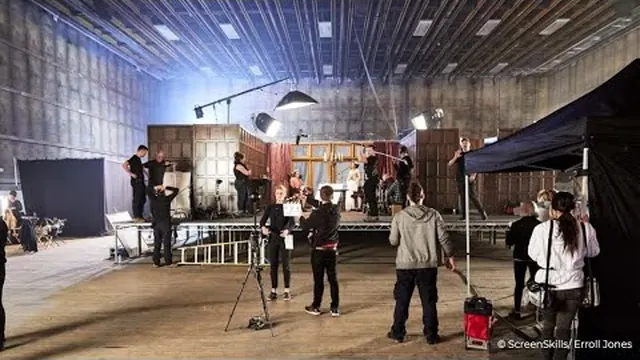
How learning with FIF works
Learning path. Free films in teaching order, for one craft. Watch, tick them off and test yourself. It's practice that prepares you for an Academy course.
- Learn onlineFree films, paths and Academy coursesYou are here
- Competency checkA short check with us, online or in person
- In-person practicalOn our unit at Pinewood or 3 Mills
- FIF CertificateFrom the practical only
The FIF Certificate comes only from the practical. How it works · Book a competency check
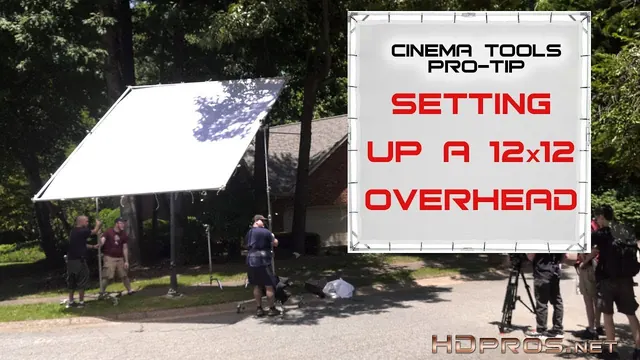 Setting Up a 12x12 Overhead - Using Professional Motion Picture Equipment - Cinema Tools Pro-Tip #2HDPros.net · Lesson7 min.
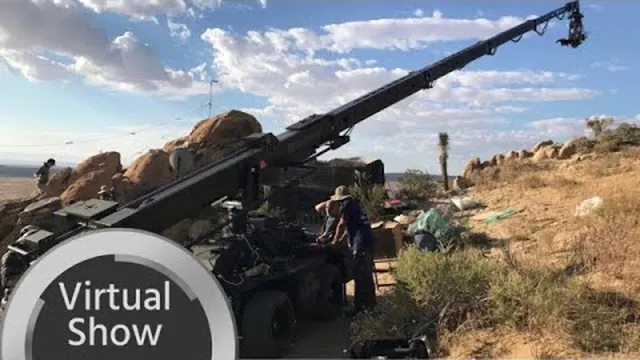 What Exactly Does a Key Grip do on Set? - An Interview with Jake ReederCineD · Lesson14 min.
 Indie Vs. Industry: The Grip Gear You Actually NeedIn Depth Cine · Lesson15 min.
 C-Stand Features and TipsMatthews Studio Equipment · Lesson11 min.
 A Guide to Frames & Fabrics for Filmmaking | Avenger GripAvenger Grip · Lesson21 min.
 Ep 34: Sand Bags VS Shot BagsGrip Tips · Lesson2 min.
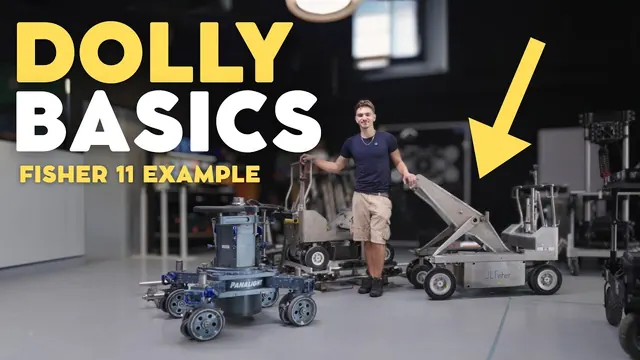 Camera Dolly Basics: How Film Crews Use the J.L. Fisher 11Caffajr · Lesson24 min.
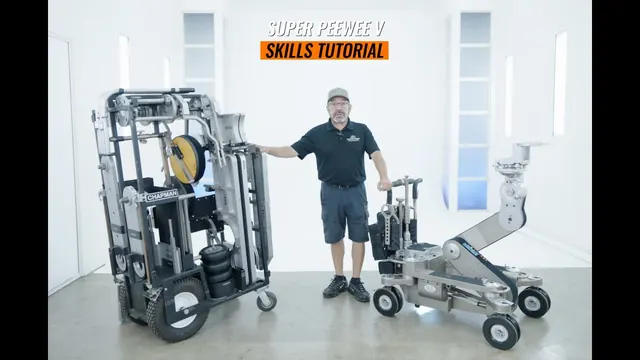 Super Peewee V - Dolly TutorialCHAPMAN / LEONARD STUDIO EQUIPMENT INC. · Lesson8 min.
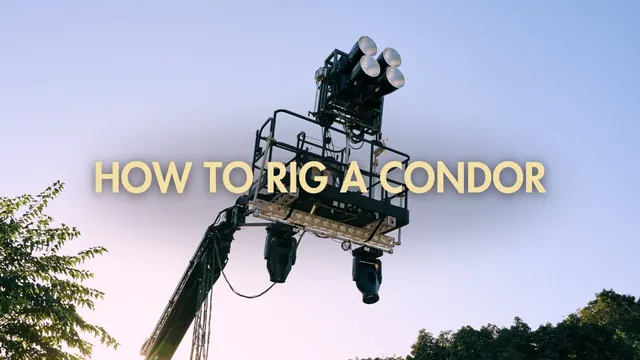 DP & Grip Collaboration: Rigging Condor Boom Lifts for Night ExteriorsFilmmakers Academy · Lesson7 min.
 #19: Paul Synnott, Grip - Engineering the Perfect Shot: Meccano for AdultsFilmmaking Framed · Lesson1 h 16 min.
Go further
Beyond YouTube, labelled honestly. Free first. Paid options are labelled.
- Introduction to Camera Gimbals: Rigging and Stabilising Shots Paid (approx £225–£500)
NFTS. Closest NFTS short course to grip work; no dedicated grip course found. - Matthews grip equipment guides and Matthews University Free
Matthews Studio Equipment. Manufacturer how-to material on stands, hardware and car mounts. - ScreenSkills e-learning (incl. Getting into the screen industries, safety and anti-bullying modules) Free with sign-up
ScreenSkills. UK industry body; free modules that productions expect new entrants to have done. - Bectu rate cards and new-entrant guidance Free (membership paid)
Bectu (union). UK union for crew: rates, hours and grade definitions. - Apprenticeship standard: Junior grip (Level 2) Free to the apprentice (paid job; employer and government fund training)
Skills England. Shows what the apprenticeship covers; find live vacancies on Find an Apprenticeship. - HSE: film, theatre and broadcasting Free
Health and Safety Executive. Working at height, lifting and rigging guidance. - Bectu training and membership Paid membership
Bectu. Grips' rates and union support.
For learners and trainers
Every lesson is a free video by its original maker, played from YouTube with privacy-enhanced settings. Found a broken video? Email [email protected].