
Learning path · Camera and lighting
Lighting (gaffer and sparks)
Safety first: power, heat and the department. Then how light behaves, the units sparks use, and how to shape and motivate it on a UK set.
Free films in teaching order, for one craft. Watch, tick them off and test yourself. It's practice that prepares you for an Academy course. This one prepares you for the lighting course (coming).
Lesson 1
Electrical Safety in Film & TV + 18th Edition
Phil Crawley · 45:53 · original on YouTube
You will learn: Apply UK electrical safety to film and TV lighting: BS 7671:2018 (as amended; Amendment 4, 2026).
Note: UK-specific: 230V single phase, 16A/32A/63A Ceeform and RCD protection. Recorded before Amendment 4: the current edition is BS 7671:2018+A4:2026, published 15 April 2026 (IET, checked 11 November 2026). Trainees never work on distribution: qualified electricians and the gaffer do. Long; watch in two sittings.
Safety first
Power, heat and the department
The electrical department handles mains power, hot lamps, heavy kit and height. The gaffer runs it and the best boy runs the power. A trainee spark learns the rules before touching a plug.
The hazards
- ElectricityGenerators and distribution carry power that kills. Only competent sparks connect, patch and distro. Cables are run tidy, ramped where people walk and kept out of water.
- HeatTungsten and HMI lamps get hot enough to burn skin and scorch a set. Gloves on, lamps off before you move or re-gel them, and keep diffusion and dressing back from the lens.
- HMI and bulbsNever open an HMI head that's on or hot. Damaged bulbs and lenses are dangerous; report a cracked lens or a flickering lamp.
- Height and riggingLamps over people are rigged with safety bonds and checked. Towers, scaffold and platforms need training. Nobody stands under a lamp being raised.
- Wet locationsWater and mains power is the classic killer. On rain days and near water, the best boy decides what runs and how it's protected.
- Manual handlingLamps, stands and cable are heavy. Two people on big heads, roll the cable, use the trolleys.
- Bright light and UVDon't stare into lamps, lasers or LED panels at full. Some sources need eye protection, and cast and crew need warning.
Who is responsible
- The gaffer runs the department and its safety.
- The best boy runs the power: generator, distro and who may connect.
- The rigging gaffer signs off rigs at height.
- The 1st AD briefs the unit and calls stop.
As a trainee, never
- Never connect, disconnect or patch power you haven't been told to.
- Never touch a hot lamp without gloves, or open a lamp that's on.
- Never leave a cable across a walkway without a ramp or a mat.
Anyone can say stop. If something feels wrong, say so to your head of department or the 1st AD.
Where this comes from
- HSE: theatre, film and TVThe Health and Safety Executive's guidance for screen and stage.
- HSE: electrical safetyThe Electricity at Work Regulations 1989.
- HSE: work at heightLadders, towers and platforms (Work at Height Regulations 2005).
- HSE: LOLERLifting equipment and anything lifted overhead (LOLER 1998).
- HSE: manual handlingAvoid, assess, reduce (Manual Handling Operations Regulations 1992).
- HSE GS6: overhead power linesWhy poles, booms, ladders and cranes stay well clear of overhead lines.
Checked 13 November 2026. This is awareness, not a safety qualification: follow your production's risk assessment and your head of department.
By the end you will be able to
- Explain how power and electrical safety work on a UK set (BS 7671:2018 as amended), and why trainees never work on distribution
- Build and explain a key, fill and back light set-up and light any skin tone well
- Choose and safely set up tungsten, HMI and LED units, and correct colour with gels
- Shape light with bounce, diffusion, flags and negative fill, and motivate it for day and night interiors
Test yourself
Could you do it on a set?
4 real situations, one for each thing this path teaches. It's optional practice, not pass or fail, and your answers stay on this device.
Next: do it for real
Lighting course: coming.
There isn't an Academy course for lighting yet. Register interest and we'll tell you when it opens. Meanwhile, Day One covers safety and how a set runs for every department, and experienced crew can book a competency check directly.
How learning with FIF works
Learning path. Free films in teaching order, for one craft. Watch, tick them off and test yourself. It's practice that prepares you for an Academy course.
- Learn onlineFree films, paths and Academy coursesYou are here
- Competency checkA short check with us, online or in person
- In-person practicalOn our unit at Pinewood or 3 Mills
- FIF CertificateFrom the practical only
The FIF Certificate comes only from the practical. How it works · Book a competency check
 Striking a 4K HMI Crash CourseEclipse Lighting and Grip · Lesson3 min.
 Lighting Tips: Bounce and Negative Fill || Bradford Young || SpotlightCooke Optics · Lesson4 min.
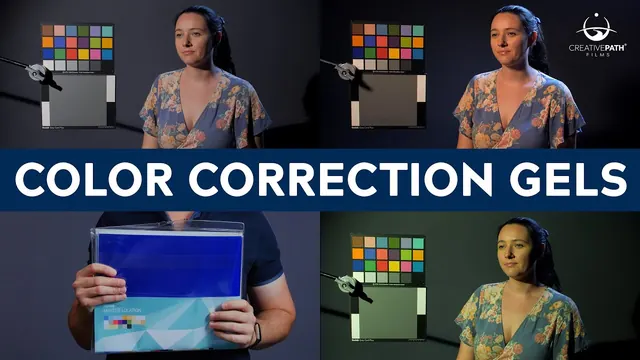 Color Correction Lighting Gels | Lee Master Location Pack Overview (Part 1)Creative Path Films · Lesson11 min.
 How to Light a Night Scene | 4 Cinematic Tips for MoonlightAputure · Lesson4 min.
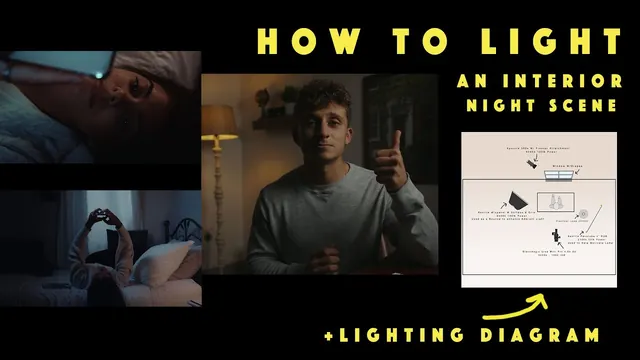 How To Light An Interior Night Scene | Cinematography BreakdownGian Carlo Stigliano · Lesson6 min.
 Electricity Basics for Film SetsPancake Grip & Electric · Lesson6 min.
 Meet The Gaffer #39: Basic DistroMeet The Gaffer · Lesson16 min.
 How to Tell Story With Lighting | Gaffer Breakdown with Harold SkinnerIndy Mogul · Lesson14 min.
Go further
Beyond YouTube, labelled honestly. Free first. Paid options are labelled.
- Introduction to Lighting for Film and Television Paid (approx £545–£1,090)
NFTS. Short course at Beaconsfield; check for bursaries. - Production Guide to Lighting Paid (approx £125)
NFTS. Short, low-cost introduction for production staff and new entrants. - ARRI Academy lighting courses Paid (varies)
ARRI. Manufacturer training on SkyPanel, Orbiter and lighting control. - LEE Filters lighting resources and swatch book Free
LEE Filters (UK). Gel and diffusion reference from the UK manufacturer. - Video lighting courses Paid (subscription, free via many UK libraries)
LinkedIn Learning. Structured video courses; check your local library card for free access. - ScreenSkills e-learning (incl. Getting into the screen industries, safety and anti-bullying modules) Free with sign-up
ScreenSkills. UK industry body; free modules that productions expect new entrants to have done. - Bectu rate cards and new-entrant guidance Free (membership paid)
Bectu (union). UK union for crew: rates, hours and grade definitions. - HSE: film, theatre and broadcasting Free
Health and Safety Executive. UK safety guidance including electrical work. - LinkedIn Learning: film lighting courses Paid subscription (free trial usually offered)
LinkedIn Learning. Short online lighting courses. - Apprenticeship standard: Creative industries production technician (Level 3) Free to the apprentice (paid job; employer and government fund training)
Skills England. Shows what the apprenticeship covers; find live vacancies on Find an Apprenticeship.
For learners and trainers
Every lesson is a free video by its original maker, played from YouTube with privacy-enhanced settings. Found a broken video? Email [email protected].