
Learning path · Sound
Production sound
Clean dialogue on set: boom operating, radio mics, recorder levels, timecode and the sound department's day.
Free films in teaching order, for one craft. Watch, tick them off and test yourself. It's practice that prepares you for an Academy course. This one prepares you for the sound course (coming).
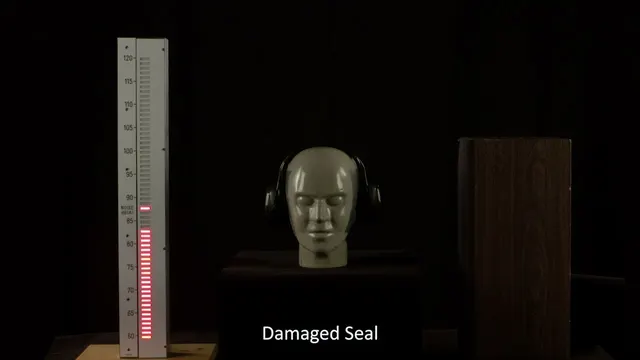
Lesson 1
HSE Hearing Protection demonstration
Solutions from HSE · 1:28 · original on YouTube
You will learn: Fit hearing protection properly so it works.
Watch for: From HSE's science arm. Notice how much a badly fitted plug lets through.
Safety first
Hearing, radio mics, cables and power lines
Sound protects everyone else's ears and its own. The department's hazards are noise, cable runs, long poles near power, and fitting mics on other people's bodies.
The hazards
- Your hearingYou listen on headphones all day, and some scenes are loud (SFX, vehicles, crowds, music playback). Keep headphone levels sensible, take the hearing protection you're offered on loud scenes, and tell someone if your ears ring. The Control of Noise at Work Regulations 2005 set action levels at 80 and 85 dB(A).
- Fitting radio mics: consent and dignityAsk before you touch anyone. Explain where the mic and transmitter will go, offer to let the performer place it themselves, and work where they're comfortable (often in the costume truck, with costume). With children, the chaperone is present. On a closed set, follow the intimacy coordinator's plan.
- Boom poles and overhead linesA boom pole is long, and carbon fibre conducts electricity. Look up before you raise it outdoors; stay well clear of overhead power lines and rail lines.
- Cables and the cartRoute cables along walls and edges, tape or cover them where people walk, and never across a doorway or fire exit. Sound carts are heavy on rough ground and ramps: two people.
- Radio frequenciesRadio mics use licensed frequencies: the mixer arranges the Ofcom programme-making licence. Don't change frequencies or add transmitters without the mixer.
- Batteries and long daysSpent and charged batteries in labelled bags; lithium cells handled like camera batteries. Booming is hard on shoulders and backs: rotate, rest the pole, and warm up.
Who is responsible
- The production sound mixer is head of department and holds the radio licence.
- The boom operator runs the floor for sound; the sound assistant runs cables, radio mics and batteries.
- The 1st AD and armourer or SFX supervisor tell sound when a scene will be loud and what protection to use.
As a trainee, never
- Never fit a mic on anyone without asking and explaining first.
- Never raise a boom pole near overhead power lines.
- Never run cable across a doorway or fire exit.
Anyone can say stop. If something feels wrong, say so to your head of department or the 1st AD.
Where this comes from
- HSE: noise at workThe Control of Noise at Work Regulations 2005: action values at 80 and 85 dB(A), and hearing protection.
- HSE GS6: avoiding danger from overhead power linesWhy long poles, booms and ladders stay well away from overhead lines.
- HSE: electrical safetyThe Electricity at Work Regulations 1989.
- Ofcom: programme-making and special events (PMSE) licensingThe licences that cover radio mics and in-ear monitors in the UK.
- The Children (Performances and Activities) (England) Regulations 2014Licences, chaperones, hours and breaks for children on set. Scotland, Wales and Northern Ireland have their own rules.
- Bectu: health and safetyThe union's health and safety guidance and reps.
Checked 13 November 2026. This is awareness, not a safety qualification: follow your production's risk assessment and your head of department.
By the end you will be able to
- Operate a boom with correct positions and choose the right mic and wind protection
- Wire radio mics on performers respectfully and without rustle
- Set levels, jam-sync timecode, log metadata and write sound reports
- Record room tone and wild tracks, and work to on-set sound etiquette
Test yourself
Could you do it on a set?
4 real situations, one for each thing this path teaches. It's optional practice, not pass or fail, and your answers stay on this device.
Next: do it for real
Sound course: coming.
There isn't an Academy course for sound yet. Register interest and we'll tell you when it opens. Meanwhile, Day One covers safety and how a set runs for every department, and experienced crew can book a competency check directly.
How learning with FIF works
Learning path. Free films in teaching order, for one craft. Watch, tick them off and test yourself. It's practice that prepares you for an Academy course.
- Learn onlineFree films, paths and Academy coursesYou are here
- Competency checkA short check with us, online or in person
- In-person practicalOn our unit at Pinewood or 3 Mills
- FIF CertificateFrom the practical only
The FIF Certificate comes only from the practical. How it works · Book a competency check
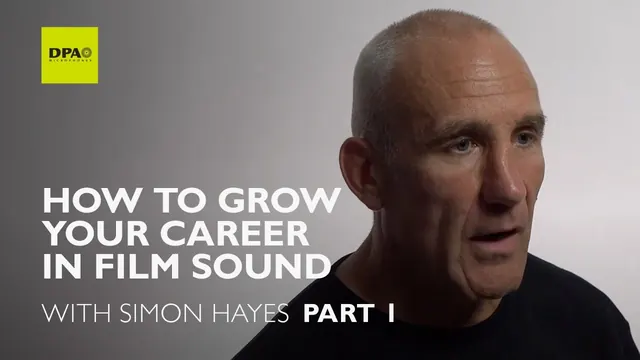 Production Sound Mixer Simon Hayes talks about how to grow your career in film sound (part 1)DPA Microphones A/S · Lesson12 min.
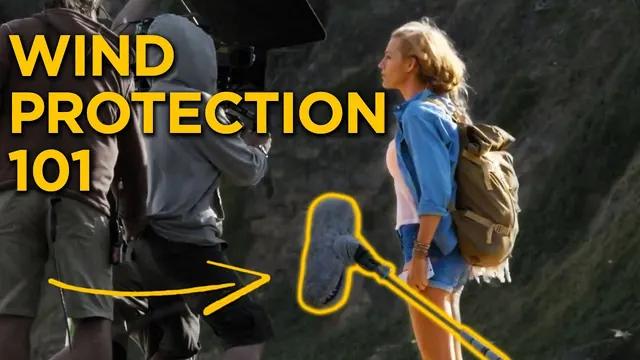 Get Great Audio Outdoors | Wind Protection Buyer's GuideDeity Microphones · Lesson9 min.
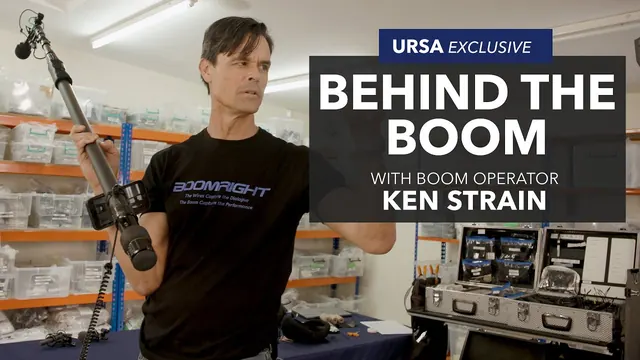 Behind The Boom with Boom Operator Ken Strain | URSA ExclusiveURSA Straps · Lesson1 h 12 min.
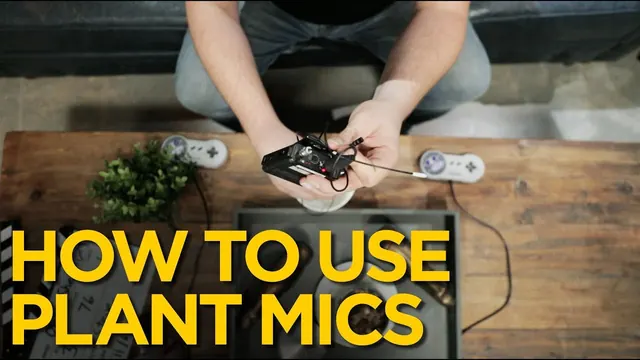 What is a Plant Mic? | Hiding Mics On Set to Get the Best AudioDeity Microphones · Lesson5 min.
 PRO AUDIO & LAV TIPS: The Ones You Probably Didn't KnowMark Bone · Lesson14 min.
 What I Put In My Sound ReportsMatt Price (Soundrolling) · Lesson5 min.
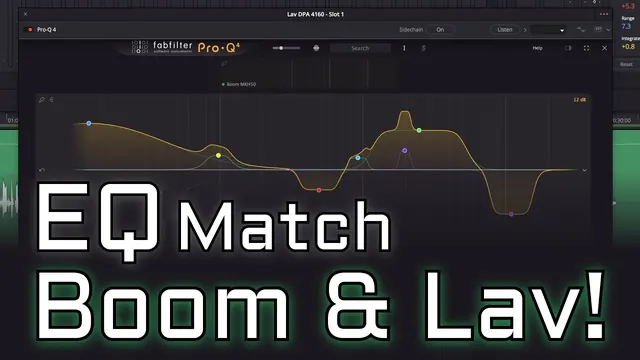 EQ Match Your Boom and Lav MicCurtis Judd · Lesson4 min.
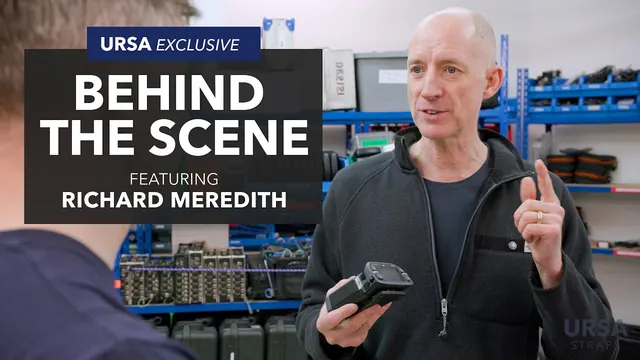 Behind The Scene : The Audio Dept with Richard Meredith | URSA ExclusiveURSA Straps · Lesson39 min.
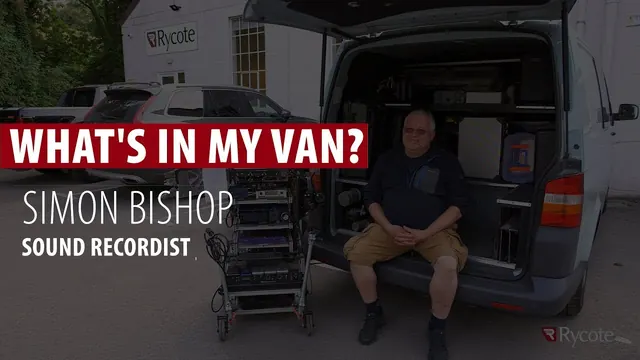 Simon Bishop, Sound Recordist, discusses ‘Location Sound Kit’ | What’s in my van?RycoteUK · Lesson8 min.
Go further
Beyond YouTube, labelled honestly. Free first. Paid options are labelled.
- Introduction to Location Sound Recording Paid (approx £625–£925)
NFTS. Hands-on short course. - Location Sound Essentials Paid (approx £195–£390)
NFTS. Shorter, lower-cost option. - MA Location Sound Recording for Film and Television Paid (MA fees; scholarships available)
NFTS. The UK's specialist degree route into production sound. - Institute of Professional Sound (IPS) Free resources; membership paid
IPS. UK professional body for production sound; events and guidance. - Association of Motion Picture Sound (AMPS) Free resources; membership paid
AMPS. UK sound society with events and newsletters. - URSA radio mic workshops and guides Free guides; workshops vary
URSA Straps. UK company run by working sound crew. - ScreenSkills e-learning (incl. Getting into the screen industries, safety and anti-bullying modules) Free with sign-up
ScreenSkills. UK industry body; free modules that productions expect new entrants to have done. - Apprenticeship standard: Assistant recording technician (Level 4) Free to the apprentice (paid job; employer and government fund training)
Skills England. Shows what the apprenticeship covers; find live vacancies on Find an Apprenticeship.
For learners and trainers
Every lesson is a free video by its original maker, played from YouTube with privacy-enhanced settings. Found a broken video? Email [email protected].