
Learning path · Production
Locations
The locations job: finding and scouting, recces, permission and releases, and looking after a location properly.
Free films in teaching order, for one craft. Watch, tick them off and test yourself. It's practice that prepares you for an Academy course. This one prepares you for Production office and AD Foundation.

Lesson 1
Lone Workers
Health and Safety Executive · 2:42 · original on YouTube
You will learn: Know what lone working means and how to stay safe doing it.
Note: Official HSE film. Think of a recce on your own at an empty farm.
Safety first
The public, permissions, weather and working alone
Locations brings the unit into the real world: roads, homes, farms, beaches and derelict buildings. The department's safety job is to find the hazards first, get the permissions, and keep the public and the crew apart.
The hazards
- Recces and lone workingScouts and location managers often go alone to empty or remote places. Tell someone where you're going and when you'll be back, keep your phone charged, and don't enter a building that looks unsafe. HSE treats this as lone working.
- Old and derelict buildingsRotten floors, open shafts, pigeon waste, sharps and asbestos. A building is surveyed before the unit arrives, and nobody drills, scrapes or rigs into old fabric until it's cleared.
- The public and the roadPavements stay passable, cables are covered or flown, and vehicles move under a marshal. Stopping or controlling traffic is done only with the council and the police, by licensed traffic management. Tell the police in advance about anything that could alarm the public.
- PermissionsWritten agreement from the owner, the council's film office for public land, and parking and unit base agreed in advance. Letter drops tell neighbours what's happening and who to call.
- Weather, water and tidesCheck Met Office warnings before every exterior day and recce. Coasts, rivers and cliffs need a specialist plan: tides turn fast.
- Unit baseGenerators sit away from doors, windows and vents (exhaust fumes), with fuel stored safely. Toilets, water, shelter and a clear emergency route. A&E and the location address go on the call sheet.
Who is responsible
- The location manager finds the hazards, gets the permissions and writes the location's part of the risk assessment.
- The unit manager runs the unit base and facilities on the day.
- Location assistants and marshals keep the public safe and the routes clear.
- The producer signs off the risk assessment and the insurance.
As a trainee, never
- Never recce alone without telling someone where you are.
- Never enter a building that hasn't been checked, or go past a 'do not enter' sign.
- Never stop traffic yourself.
Anyone can say stop. If something feels wrong, say so to your head of department or the 1st AD.
Where this comes from
- HSE: lone workingKeeping people safe when they work alone, including on recces and late calls.
- HSE: asbestosWhy old buildings are surveyed before anyone drills, scrapes or rigs.
- HSE: managing risks and risk assessmentWhat a risk assessment is, and the employer's duty under the Management of Health and Safety at Work Regulations 1999.
- Met Office: UK weather warningsCheck before every exterior day and recce.
- Your council's film officeMost UK councils have a film office or filming officer for permits on public land. Your regional screen agency can point you to them.
- HSE: theatre, film and TVThe Health and Safety Executive's guidance for the screen and stage industries.
Checked 13 November 2026. This is awareness, not a safety qualification: follow your production's risk assessment and your head of department.
By the end you will be able to
- Explain what location managers and scouts do
- Scout a location for story, light, power, sound and logistics
- Run a recce and a tech recce with heads of department
- Know when you need permission, permits and location releases in the UK
Test yourself
Could you do it on a set?
4 real situations, one for each thing this path teaches. It's optional practice, not pass or fail, and your answers stay on this device.
Next: do it for real
This path prepares you for Production office and AD Foundation.
How a production runs from office to floor: call sheets and schedules, breakdowns, paperwork and releases, locations, risk assessments and insurance in a UK frame, and floor running on the radio.
It's coming next: register interest and we'll tell you when it opens. Meanwhile, start with Day One.

How learning with FIF works
Learning path. Free films in teaching order, for one craft. Watch, tick them off and test yourself. It's practice that prepares you for an Academy course.
- Learn onlineFree films, paths and Academy coursesYou are here
- Competency checkA short check with us, online or in person
- In-person practicalOn our unit at Pinewood or 3 Mills
- FIF CertificateFrom the practical only
The FIF Certificate comes only from the practical. How it works · Book a competency check
 #26: Adam Betterton, Location Manager - Navigating Film Locations and Career PathsFilmmaking Framed · Lesson1 h 8 min.
 Nomad - A Day in the Life of a Location ManagerNomad Film · Lesson5 min.
 How To Location Scout For A FilmFilm It Yourself · Lesson7 min.
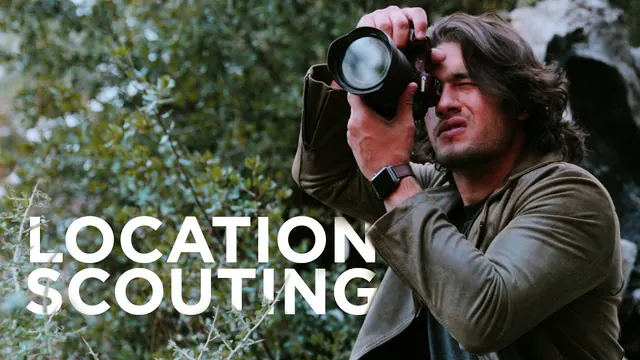 Location scouting for film and tv | Tips from a Hollywood location scoutAXEL AXE · Lesson7 min.
 Directors / Producers / Cinematographers... Why Do We Recce?Scott Peters · Lesson4 min.
 How to do a Location Recce - Video ProductionMedia Studies Production · Lesson2 min.
 Location Releases - Entertainment Law Asked & AnsweredGordon Firemark · Lesson3 min.
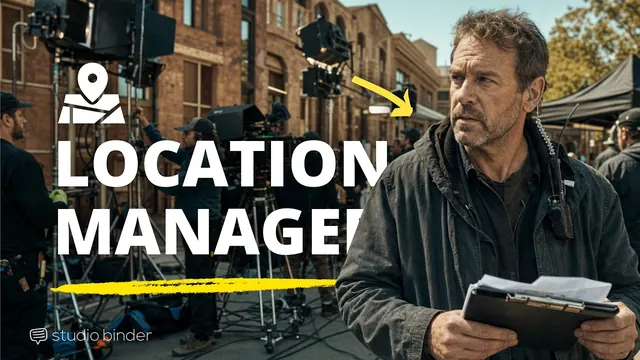 What is a Location Manager?StudioBinder Academy · Lesson8 min.
Go further
Beyond YouTube, labelled honestly. Free first. Paid options are labelled.
- Film London: filming in London Free
Film London. London filming permissions, borough contacts and the location library (site blocks automated checks; URL not machine-verified). - ScreenSkills online learning Free with sign-up
ScreenSkills. Free core industry modules useful for new location assistants and marshals. - HSE: managing risks and risk assessment Free
Health and Safety Executive. Location risk assessments follow the same five steps. - Introduction to Location Management Paid (£465; bursaries)
NFTS. Three-day course. - Location Management for Film and TV Production Paid (£3,950; scholarships)
NFTS. Six-month course. - Screen Production Pathways: Locations Intern Subsidised (75% underwritten)
NFTS. Ten-day pathway with Screen Scotland. - Select Industry Insight: location coordinator and production manager Free with sign-up
ScreenSkills. Career routes in locations. - UK Film Locations Free to browse
UK Film Locations. Directory of UK locations and screen agencies.
For learners and trainers
Every lesson is a free video by its original maker, played from YouTube with privacy-enhanced settings. Found a broken video? Email [email protected].