
Parents and carers
Is it real? Is it safe? Does it pay?
Straight answers about careers behind the camera, and our free Academy. Question not here? Email [email protected] and a person will reply.
What the work looks like
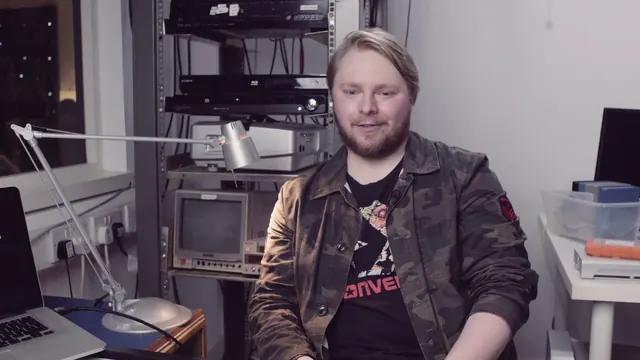 How to get your first job in filmScreenSkills · original on YouTube
 1:03The unit at work, 2023–26Futures in Film
 19:3360 Film Production Roles & What They Each Do - Actor's GuideAugmented Actor · original on YouTube
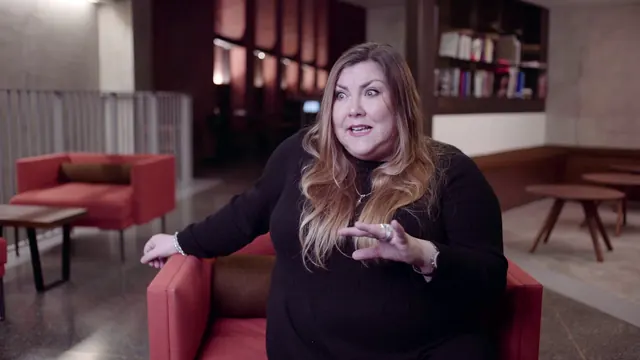 How to make the most of your first jobScreenSkills · original on YouTube
 ScreenSkills High-end TV Skills Fund: HETV careers showreelScreenSkills · original on YouTube
Is it a real career?
Yes. Most of the work is behind the camera.

The jobs
Camera, lighting, grip, sound, art department, construction, costume, hair and make-up, ADs, production, post and VFX. See every department
How people work
Many crew are freelance and go job to job. Runners and trainees are usually paid through payroll (PAYE), like any job.

How people get in
Paid trainee schemes, apprenticeships, entry jobs like runner, and recommendations. A degree helps some roles; it's rarely required.
How pay works
Day rates, rate cards and gaps
By the day or week
Union rate cards from Bectu set out grades and terms. We don't print rates: they change every year. Rates and unions
The legal minimum
Trainees and runners who count as workers must get at least the National Minimum Wage. When unpaid work is legal
Freelance life
Freelancers invoice and pay their own tax. Quiet months are normal; saving for them is part of the job. Working freelance
Is it safe?
Safety comes first on a good set
On set
Productions must assess risks and brief the crew. Anyone can call stop if something's unsafe. Stunts, fire and weapons are run by specialists; new crew stay clear.
Under 18
Young workers get longer breaks and more rest between days. Child performers need a licence from the council. Most paid crew routes start at 16 or 18. GOV.UK
Who to tell
A good production names someone to go to with a concern. Bullying and harassment have routes too. Wellbeing and bullying
Spot a scam
Real productions never charge you to work
Stop and check if…
- There's a fee for a course, crew list, background check or "audition"
- There's no company name, only WhatsApp
- They want ID or bank details before a written offer
- They're rushing you
Check it together
- Find the company on Companies House
- Look for the production online
- Meet in an office or public place
Report it
Scams: Report Fraud, or Police Scotland on 101. Unpaid wages: GOV.UK pay and work rights. Full scams guide
Faith and family
Can they keep their practice on set?
Yes, with planning
Prayer, fasting, food, holy days and modest dress can all be planned for. The trick is to raise it at booking, not on the day.
The guide
What to ask, who to ask, and what the law says. Faith on set
Our work
We're building a Faith Inclusion Toolkit with crew of faith, for productions. Faith Inclusion
How you can help
What helps most
Watch how it's made
Behind-the-scenes films show the jobs. Start with our free Watch and Learn channel.
Back the early calls
Lifts, packed food, warm layers, a charged phone. Call times can be before dawn.
Read the paperwork
Go through a deal memo before they say yes, and help keep invoices and receipts. Deal memo checklist (PDF)
Real routes in
Where to start
BFI Film Academy
Free courses for 16 to 25s across the UK. bfi.org.uk
Paid trainee placements
ScreenSkills Trainee Finder places trainees on productions. Watch for the next intake. Schemes and funds
Our Academy
Free online courses, then a competency check and an in-person practical with us. How it works
Our Academy
About Futures in Film
What is it?
Free short online courses on the jobs behind the camera: how a set works, staying safe, and the first jobs in a department. Each lesson has films from working crew, a short check and a task a person marks.
Who runs it?
Futures in Film CIC, a community interest company based at Pinewood Studios, company number 14621615. Learning provider: Futures in Film CIC. Partner: Screen Sisters CIC.
What does it cost?
Nothing. No fees, nothing to buy. Some films link to makers' own training, but you never need to pay to finish a course.
How old do you need to be?
Learner accounts are 18 and over. Anyone can watch the films. Younger people can do the lessons at school or college, led by a teacher; we collect nothing about them.
Is it safe?
There are no chat rooms, comments, messages or public profiles. Safety comes first in every course. Stunts, special effects and weapons are taught as awareness only: who's in charge and why you stay clear.
What do you keep about learners?
For adults with an account: name, email, age band, the courses taken, results and tasks. Never faith or ethnicity. We don't sell it or share it for marketing. Read the privacy notice.
Is the certificate a qualification?
No. Online courses give a learning record. The FIF Certificate comes only from an in-person practical, signed off by the trainer. Neither is accredited or endorsed by ScreenSkills or any awarding body.
What does it lead to?
Adults who finish a course can book a short competency check with us, then a practical on our unit at Pinewood or 3 Mills. Places are limited. Practical days are for people aged 18 and over, except programmes we arrange with schools and colleges under their own safeguarding. How learning with FIF works.
What if something worries us?
Tell our safeguarding lead at [email protected], or see how to report a concern. If someone needs help now, these services can help.
Where learners train
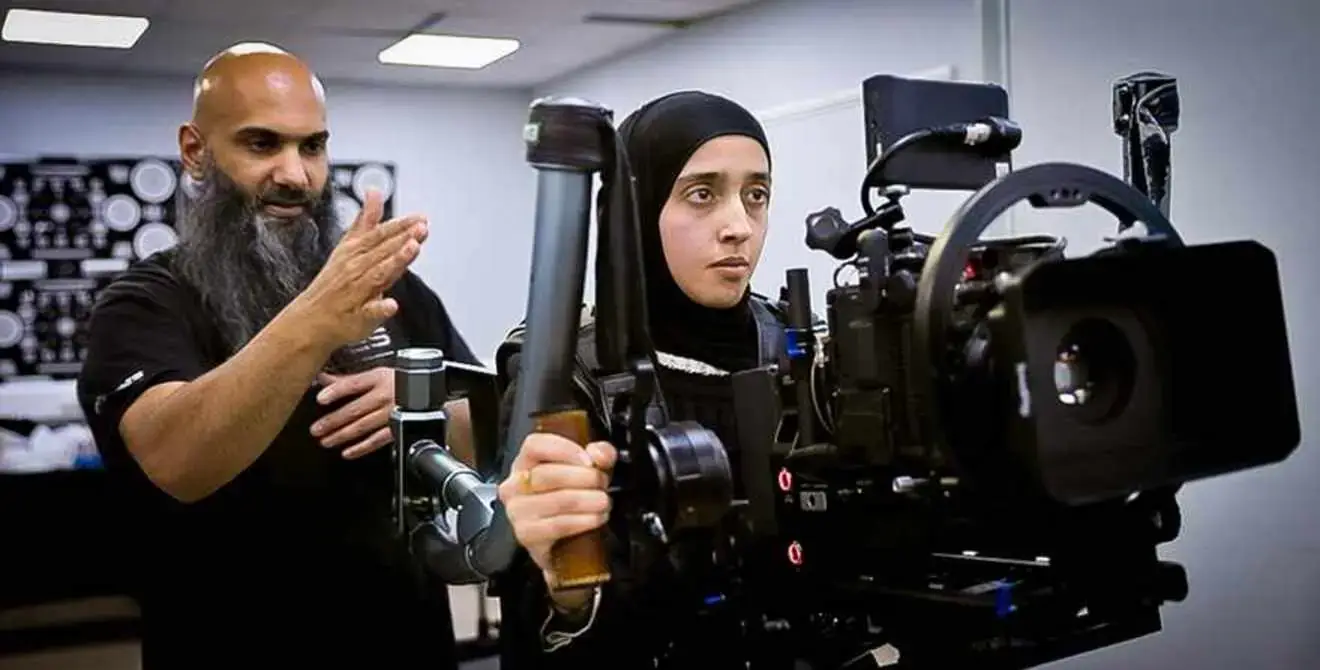
A technician talks a trainee through a stabilised rig
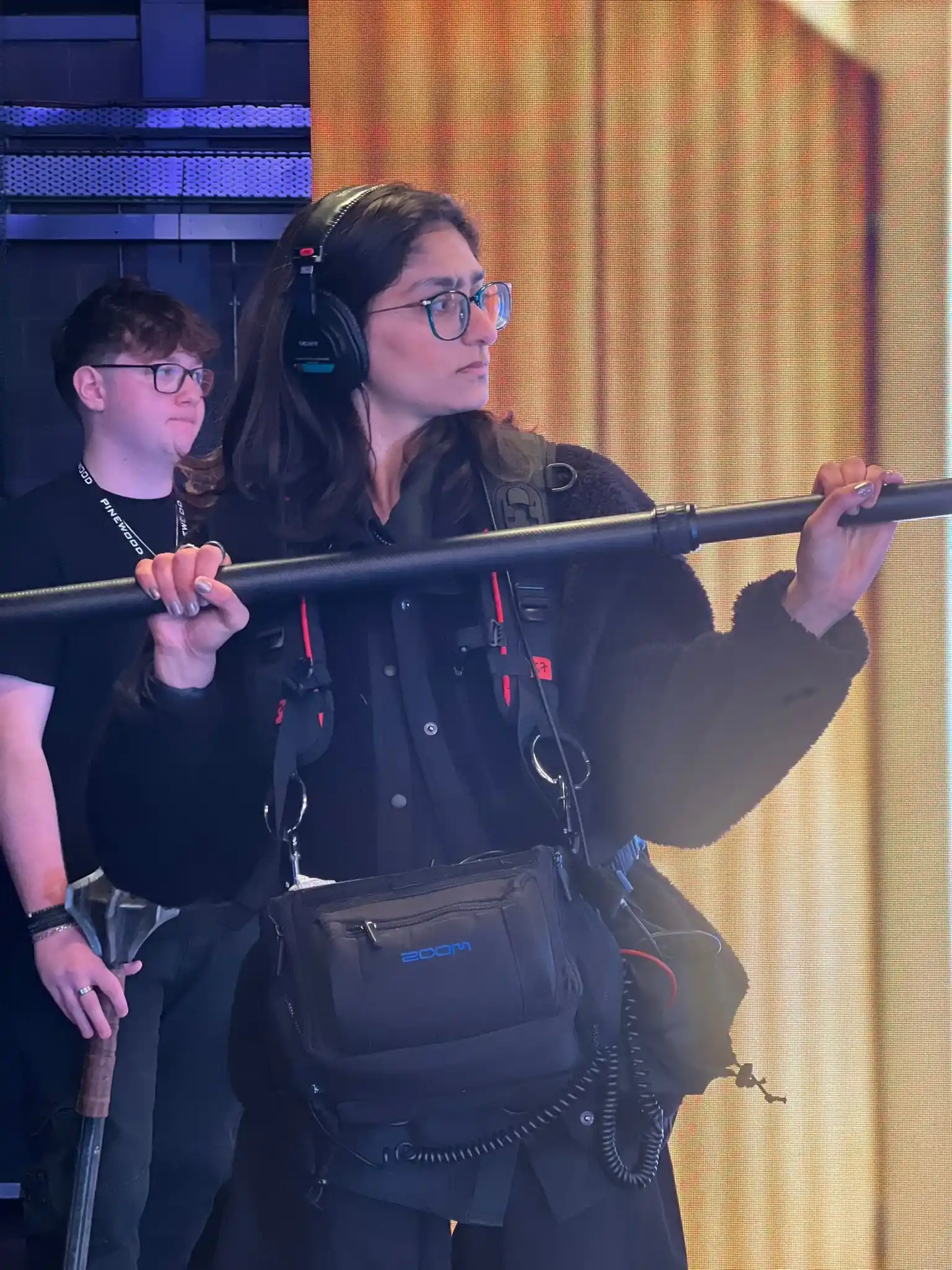
A sound trainee on the boom
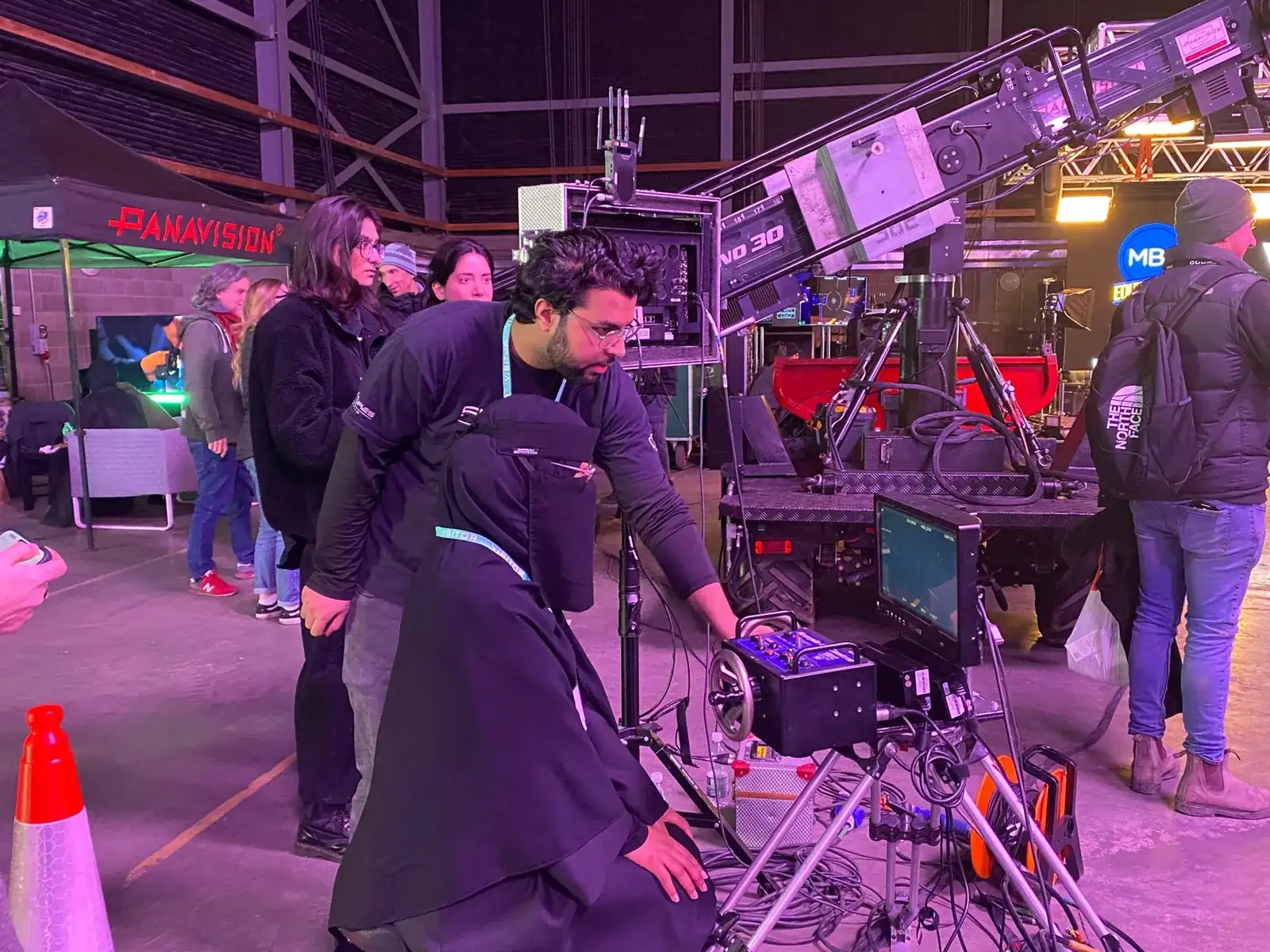
Trainees on a tracking vehicle at the Pinewood Futures Festival
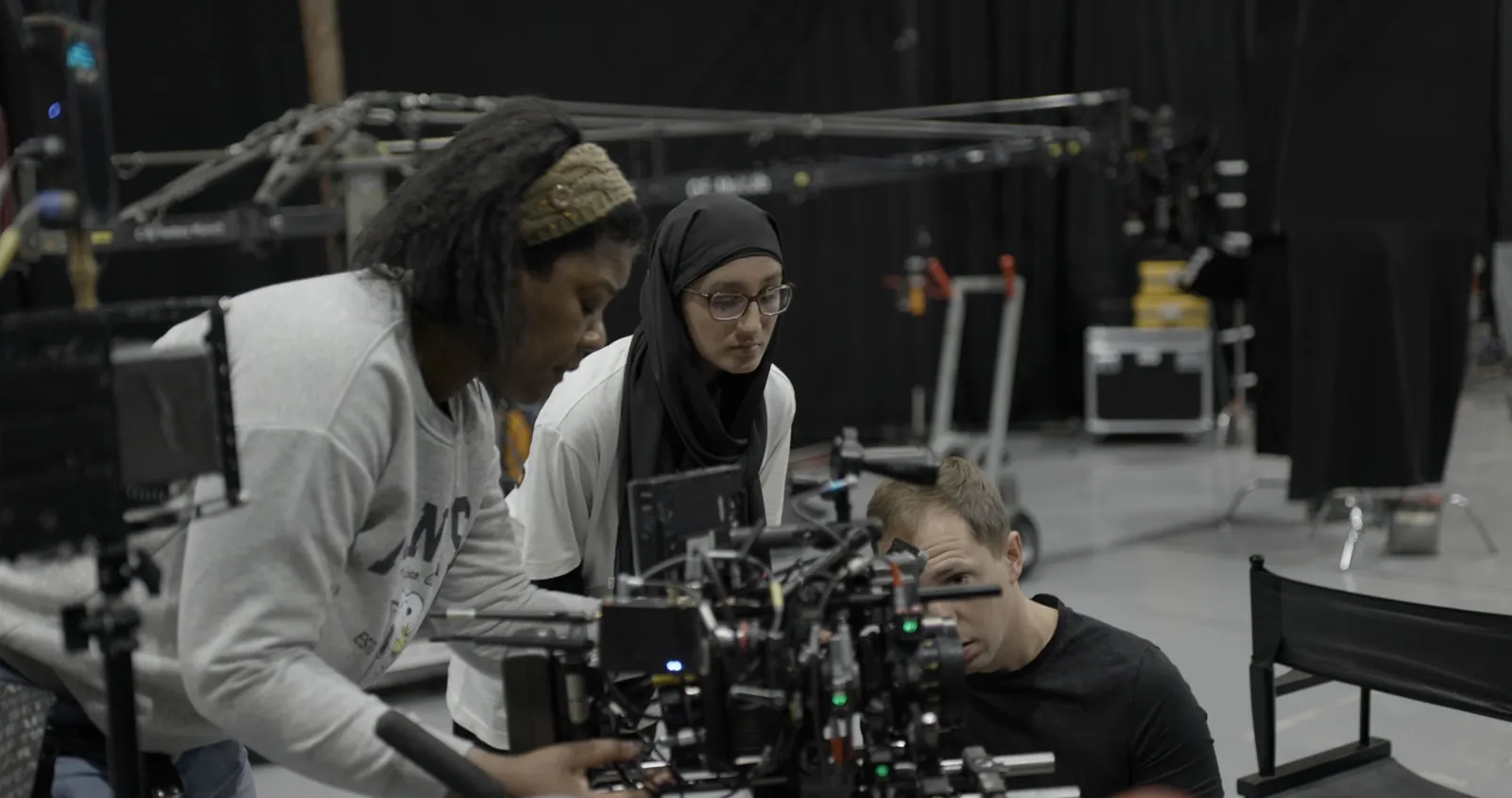
Building a camera on a studio floor
Print it or pass it on
Both checked 13 Nov 2026. No sign-up.
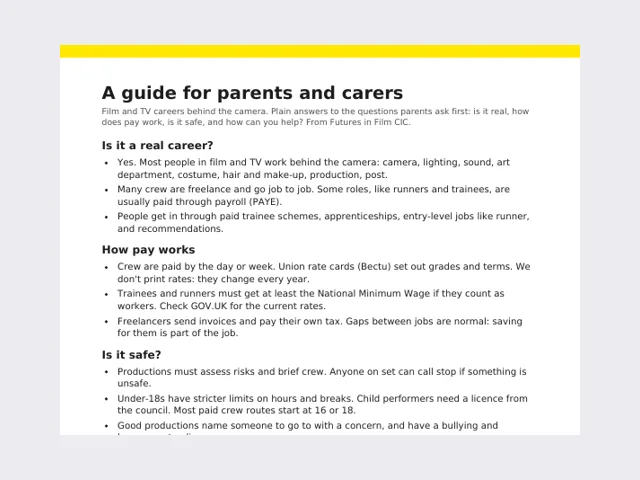 PDF · two pagesGuide for parents and carersCareers, pay, safety, scams and how to help, to print or share.Download Guide for parents and carers (PDF · two pages)
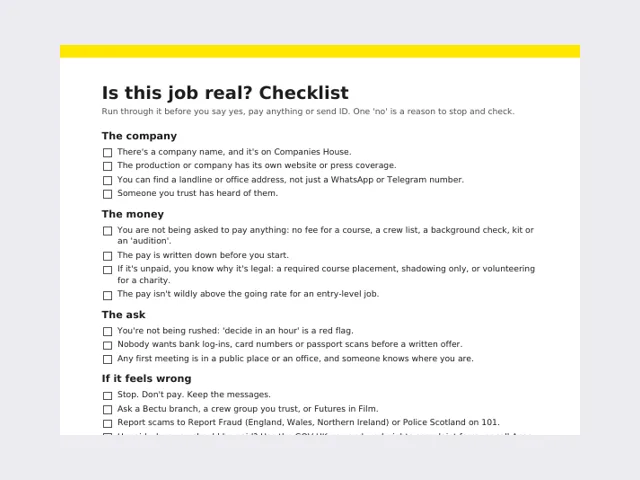 PDF · one pageIs this job real? ChecklistGo through it together before anyone pays or sends ID.Download Is this job real? Checklist (PDF · one page)
See it for yourself.
Every lesson is open to watch. Try the first one: safety on set.