
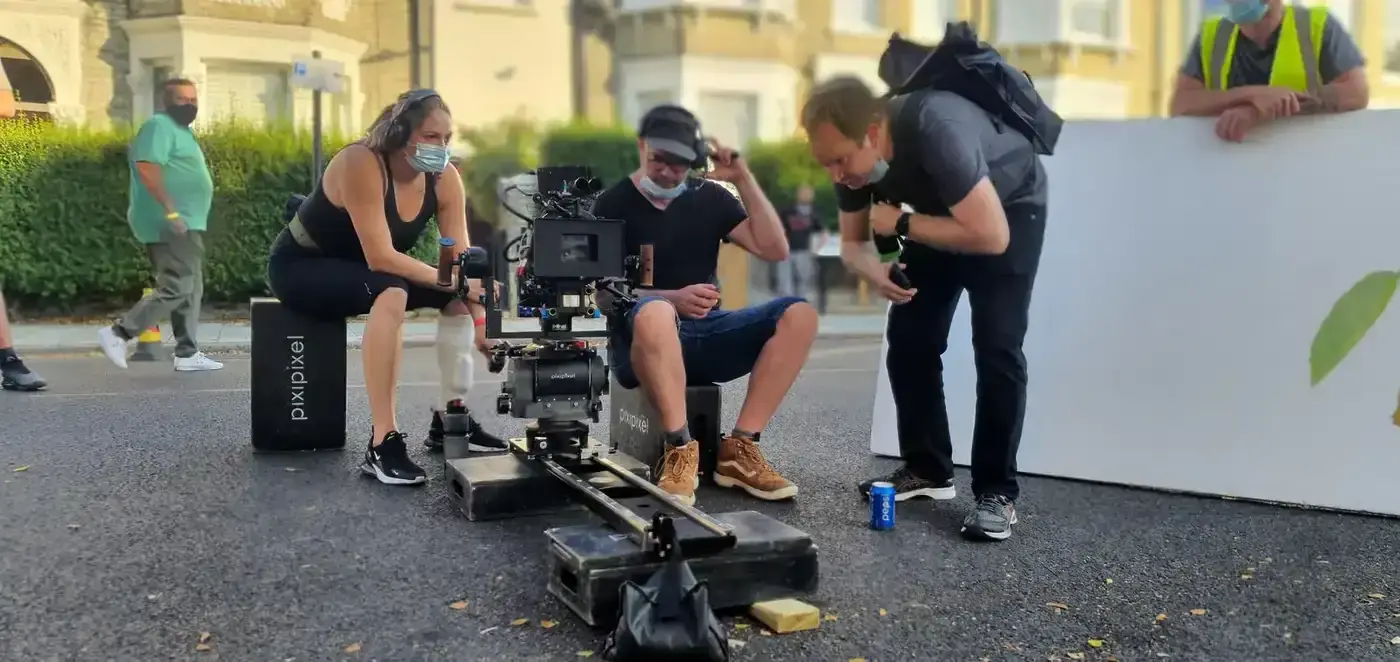
Making your own film · Shooting it properly
Small crew, proper shoot.
A short is the best way to learn, and the best reel material. Do the boring parts properly: it keeps people safe and keeps you welcome where you film.
Watch first
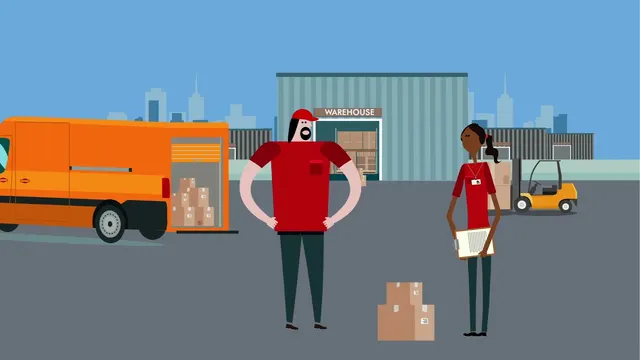
Official health and safety films, a recce explained, and albert's carbon toolkit.

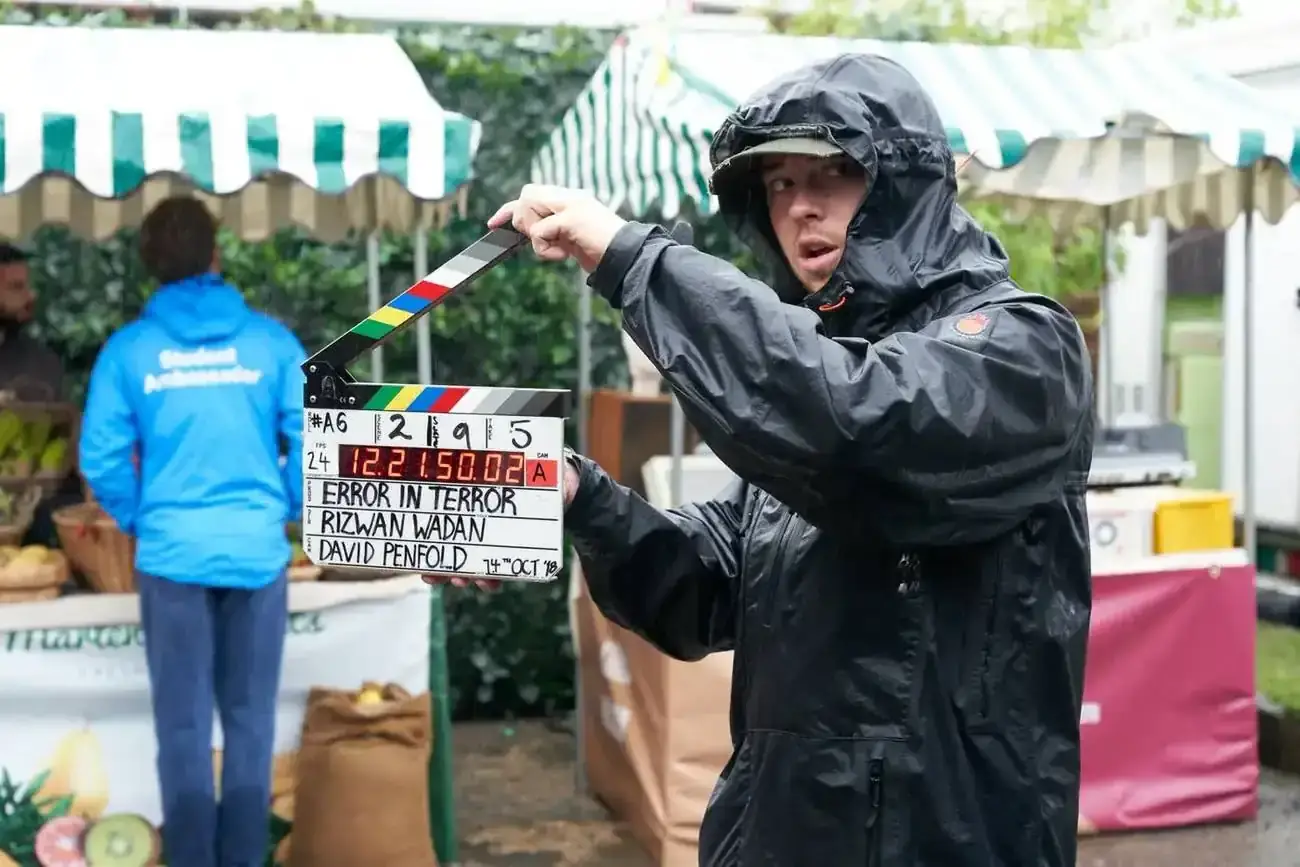
Before you film
Permission and locations
Every location belongs to someone. Get written permission, before the shoot, from whoever can actually give it.
Streets and public spaces
Ask the council's film office
Most councils have a film office or contact, often with a simple process for small crews. London: Film London. England: Filming in England points you to the right council. Elsewhere: Screen Scotland, Creative Wales or Northern Ireland Screen.
Filming in England · Film London · Screen Scotland · Creative Wales · NI Screen
Private places
A location agreement, signed
Who you're dealing with, the dates and hours, which rooms and areas, parking, power, any fee, what happens if something is damaged, and that you can use the footage. Take photos before you start and leave it as you found it.
People
Release forms
Get a signed release from everyone who's recognisable on screen and from anyone whose property, artwork or music you feature. Clear your music before you edit to it.
Fake weapons, uniforms, crime scenes
Tell the police first
A replica gun or a fake fight in public can look real. Contact the local police and the film office before the shoot, and have someone on the street to explain to passers-by.
More film offices and screen agencies near you are on Get support.
Cover
Insurance
Councils, locations and hire companies will usually ask to see it before you shoot.
Public liability
Covers injury to the public or damage to property. Film offices and most locations want proof of it, and some name a minimum.
Employers' liability
If you employ anyone, even for a day, the law usually requires it, with cover of at least £5 million. Some family members are exempt. Ask a broker whether unpaid crew count on your shoot.
Hired kit
Rental houses ask for hired-in equipment cover or charge you a damage waiver. Read what's excluded: kit left in vehicles, overnight and in the rain.
Short-film policies
Specialist brokers sell short-term packages that bundle these. Get two quotes and say exactly what you're doing: stunts, water, heights, vehicles, drones.
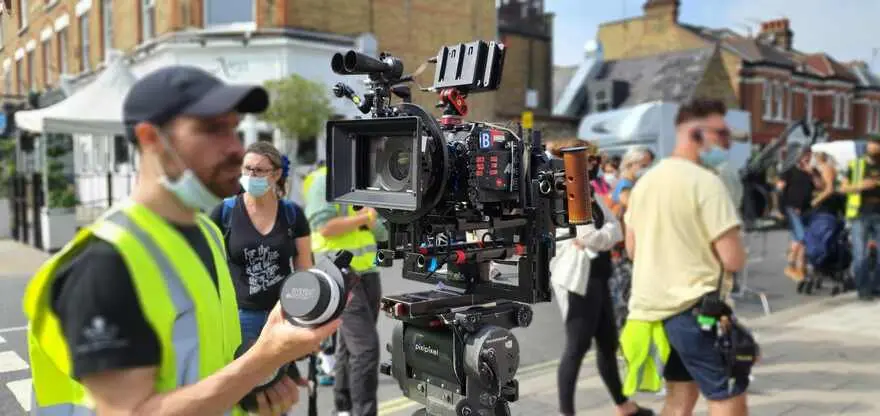
Safety
Safety on a small shoot
A small crew has the same duty of care as a big one. Someone has to own it: on most shorts, the producer.
Every shoot
- A written risk assessment, shared with the crew before the day
- A named first aider and a first aid kit; the nearest A&E on the call sheet
- Realistic hours, proper breaks, food and water
- No driving home exhausted: plan the wrap and the drive home
- Anyone can call stop, and everyone knows it
Get a specialist
- Stunts and fights: a stunt coordinator
- Weapons, pyrotechnics, smoke and haze: qualified people
- Water, heights and vehicles: specialist crew and kit
- Intimate scenes: an intimacy coordinator
If you can't afford the specialist, rewrite the scene.
Learn it free
Safety first modules
Short, department-by-department safety modules on this site.
Locations · ADs · Camera · Safety department
You may need a licence
A child under school leaving age may need a performance licence to appear in a film. The person running the production applies to the child's local council. Ask the council early: it takes time.
A chaperone
If the child isn't with their parent, teacher or home tutor, they must be supervised by a council-approved chaperone. Plan their hours, breaks and a quiet space, and keep them away from adult content on set.
The Civil Aviation Authority sets the rules: registration, the right certificate, and limits near people, buildings and airports. Locations and councils want the pilot's insurance and take-off permission. Near people, hire a qualified drone operator with film experience.
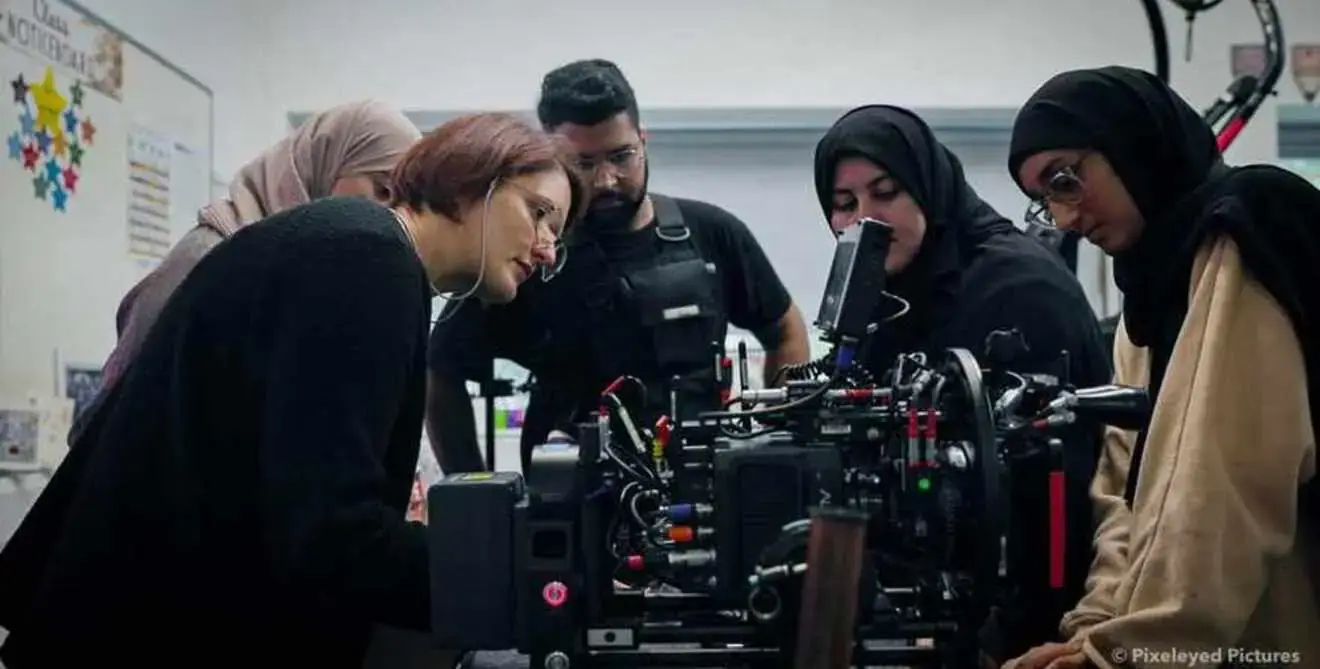
Captions
Make an accurate captions file (subtitles for d/Deaf and hard of hearing viewers, with sound cues like [door slams]) as part of your deliverables. Festivals and online platforms increasingly expect it.
Audio description
A narrated track describing what's on screen, for blind and partially sighted viewers. Write the film with space for it in mind, and budget for a describer if you can.
On set
Ask every crew and cast member, privately and before the shoot, what they need. Step-free access, rest areas, clear written call sheets and realistic hours help everyone. Disabled crew may get Access to Work.
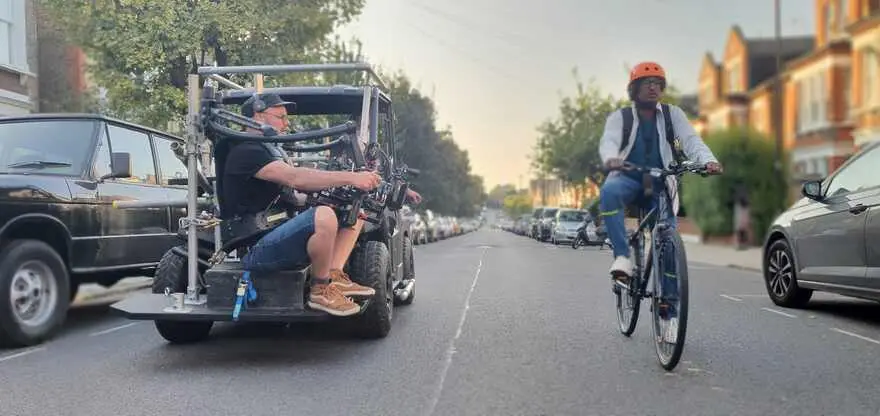
The easy wins
- Lift-share and use public transport; pick locations near each other
- Mains power or batteries rather than a diesel generator, where safe
- Refillable bottles, real cutlery, no single-use plastic at catering
- Hire, borrow and reuse sets and costume; give them on afterwards
albert
The industry's sustainability body, part of BAFTA. It runs a carbon calculator and toolkit for productions, and lists free introductory courses, including ScreenSkills' Introduction to Sustainability for the Screen Industries.
Last reviewed 13 November 2026