

Play · Call sheet
Read a call sheet like you've done it before.
Your whole day runs on it. Tap each part of a fictional call sheet, then test what stuck.
Watch: the call sheet and the ADs who write it
 The Anatomy Of A Call SheetStudioBinder · original on YouTube
 The Role of the 2nd AD in Film — 2nd Assistant Director Pete Dress InterviewStudioBinder Academy · original on YouTube
 Assistant Director Film Duties Explained — AD Donald Sparks InterviewStudioBinder Academy · original on YouTube
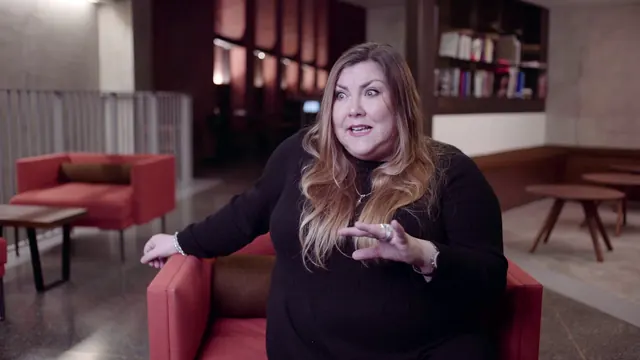 How to make the most of your first jobScreenSkills · original on YouTube
[FICTIONAL] 'The Long Light': call sheet
Shooting day 4 · Tuesday 17 November · Call sheet issued 18:00 the evening before
| On the sheet | It says | What it means | Why it matters |
|---|---|---|---|
| Unit call | 06:30 | The start time for the whole unit. Trucks open, breakfast is on and departments prep. | The day's clock starts here. A good unit aims to turn over the first shot within about ninety minutes of call, and the first shot tells you whether the day is winnable. |
| Your call time | 07:00 | The time you start work, on set and ready. It is not the time you arrive, and not the time you park. | Call time is a commitment made on your behalf. Work out your real leaving time and allow at least an extra half hour. |
| Unit base and location | BASE: Quarry car park, Marsh Lane · LOCATION: Old Pilot Station, Shingle Point (shuttle) | Two places, often a shuttle apart. The unit base is where trucks, trailers and catering sit, away from set. | Going to the wrong one is the commonest first-day mistake. Check which one you are meant to go to before you leave. |
| Nearest hospital | Riverside District Hospital, A&E · route on page 2 | The nearest hospital, with the route. | It is on there because it has been needed. Nobody wants to be looking it up in the middle of an emergency. |
| Weather, sunrise and sunset | 6°C · cloud clearing by 11:00 · rain from 15:00 · Sunrise 07:17 · Sunset 16:07 | The forecast and the hours of daylight. On an exterior day this is the real schedule. | It decides what gets shot when. In November the light runs out early, so a scene set in daylight has to be shot before the sun goes, and the 1st AD plans the exterior scenes around the weather. |
| Scenes, in shooting order | Sc 12 EXT. SHORE, DAWN, 1 4/8 pgs · Sc 14 EXT. SHORE, DAY, 2 pgs · Sc 15 INT. LAMP ROOM, DAY, 3 2/8 pgs | The scenes in the order they will be shot, with page counts, a one-line description, day or night, interior or exterior. | You will not shoot in story order. Scenes are reordered by location, cast availability and daylight, so the order on the sheet is the order of your day. |
| Cast numbers and times | 1 The Keeper: pick-up 05:15, make-up 05:45, on set 07:30 · 2 The Visitor: pick-up 06:30, on set 09:00 | Cast are numbered. Their pick-up, hair and make-up, costume and on-set times are listed separately. | It tells every department when each actor will be ready, which is what the lighting, camera and sound plan is built around. |
| Transport and parking | Crew shuttle leaves unit base 06:50, every 15 minutes to 07:30 · Parking at unit base only | How to reach the location and the unit base, and where to park. The movement order carries the full detail. | Get this wrong and you are late for a reason that was in writing. Read the movement order as well as the sheet. |
| Departmental notes | SOUND: radio mics in use, phones OFF, not silent · ART: lamp room dressed before unit call · GRIP: track on the shore | One line per department. Yours will tell you something nobody repeats out loud. | Read your department's line twice. The risk assessment is a separate document, and you may read it and ask questions. |
| Advance schedule | Wed 18 Nov (provisional): Stage 2, call 08:30 · Thu 19 Nov (provisional): Stage 2, call 07:30 | Tomorrow and the day after, provisionally. | Do not treat it as firm. The final call sheet arrives the evening before, and a late wrap moves the whole of the next day. |
Five questions
Your call is 07:00. When should you aim to be at the gate?
Options: 07:00 sharp / At least half an hour earlier / Whenever the shuttle first runs / 07:15, once you have parked.
Answer: At least half an hour earlier. Call time is when you start work, ready, not when you arrive. Allow at least an extra half hour.
The sheet lists a unit base and a location. What should you do before you leave?
Options: Go to whichever is nearer / Go to the location, because that is where filming happens / Work out which one you are meant to go to, from the sheet and the movement order / Ring the 1st AD from the road.
Answer: Work out which one you are meant to go to, from the sheet and the movement order. They are often a shuttle apart, and going to the wrong one is the commonest first-day mistake.
Who produces the call sheet?
Options: The director / The 2nd assistant director / The production sound mixer / The line producer.
Answer: The 2nd assistant director. The 2nd AD produces it. The 1st AD and the production manager sign it off.
Why is the nearest hospital on the call sheet?
Options: It is a formality that nobody reads / Because it has been needed / So cast know where to go at lunch / Only for days with stunts.
Answer: Because it has been needed. It is on there because it has been needed, on every kind of day.
The advance schedule lists tomorrow's call. Is it firm?
Options: Yes, it is firm / No, it is provisional / Firm for cast, provisional for crew / Firm if it is in bold.
Answer: No, it is provisional. Tomorrow and the day after are provisional. The final sheet arrives the evening before.
This is original practice material, written from our own page on how a set works. The production, places and characters are invented. For real examples with the same fields, StudioBinder's call sheet template and examples are free to read.
Last reviewed 9 November 2026