
Live
Learn · Your first week
Your first week on set.
What HoDs wish someone had told their trainee. Read it the night before, print it for your bag.
Watch before your first day
6Short films from ScreenSkills, the Production Guild and working crew. Some are American: the etiquette travels, the job titles differ.
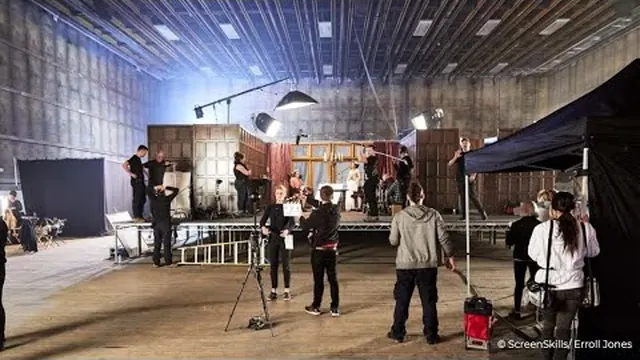 11:20First day: on set (360 video)ScreenSkills · 11:20
 3:245 top tips for film and TV runnersThe Production Guild · 3:24
 3:03Walkie talkie lingo everyone on set should knowStudioBinder · 3:03
 1:32How to make the most of your first jobScreenSkills · 1:32
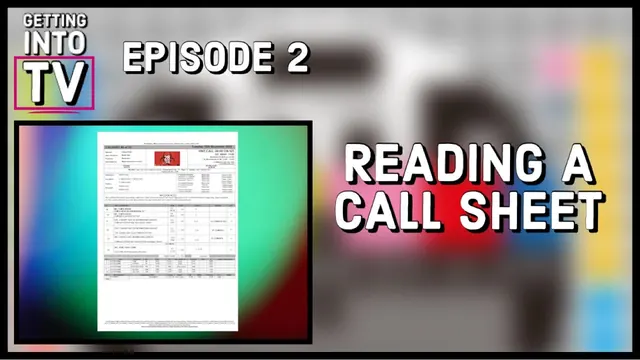 14:32How to read a call sheet: being a runnerGetting into TV podcast · 14:32
 6:4810 things not to do on a film setFilm Jams · 6:48
The one-pager
Tick it off as you go. It's the same text as the PDF.
The night before
- Read the call sheet twice: your call time, unit base, parking, nearest A&E, weather.
- Plan your route. Add 30 minutes. Late is the one thing nobody forgets.
- Save the production office and your HoD's numbers. Charge your phone and a battery pack.
- Pack: waterproofs, layers, boots your department needs, head torch, pen, notebook, water bottle, snacks, any medicine.
- Bring bank details, NI number and right-to-work ID for your start forms.
Walkies and calls
- Ask which channel your department is on. Channel 1 is usually the ADs: keep off it unless you're told.
- Press, wait a second, then talk. Keep it short. Say who you want, then who you are.
- "Copy" means heard and understood. "Go for…" means I'm listening. "Stand by" means wait.
- "Turning over", "rolling", "action": freeze and go silent. "Cut": you can move again.
- "Checking the gate": stay put, we may go again. "Moving on": next set-up. "That's a wrap": done for the day.
On the floor
- Never walk through a lit set or across an actor's eyeline. Go round, behind camera.
- Don't touch another department's kit. Ask its HoD or trainee.
- Phone on silent and away. No photos or posts from set unless the production says you can.
- Ask once, write it down, then do it. If you don't know, say so.
- If something is unsafe, say "stop" and tell your HoD or the 1st AD. You are never wrong to.
Lunch and wrap
- Crew eat after cast and the shooting crew are served. Don't jump the queue on day one.
- Lunch is usually 1 hour. Be back before the call to return.
- At wrap, help your department pack down before you leave.
- Check tomorrow's call time. Log your hours tonight.
Days one to five
- Day 1: learn names. Your HoD, the 2nd AD, the production coordinator, the trainee next to you.
- Day 2: learn your department's kit by name and where it lives on the truck.
- Day 3: be one step ahead. Have the next thing ready before you're asked.
- Day 4: ask your HoD one question about the job you want next.
- Day 5: hand in your timesheet on time. Thank people. Get numbers for the next job.
Who to ask
- About the work: your HoD or the person they put you with.
- About where to be and when: the 2nd or 3rd AD.
- About paperwork, pay or travel: the production office.
- About anything that feels wrong: your HoD, the 1st AD, or the Film and TV Charity's 24-hour line (0800 054 0000).
One A4 page. Print it, fold it, keep it in your back pocket for the week.
Download the PDF: Your first week on setBefore you go
 PaperworkDownloads and templatesCall sheet, timesheet, invoice, CV and more. Free.


Last reviewed 13 November 2026