
Watch and Learn · Films to study
Films to study.
The films film schools tell you to watch, from the canon to world cinema. Pick one: each comes with one thing to look for, and where to watch it in the UK.
The canon: Sight and Sound poll classics
20 films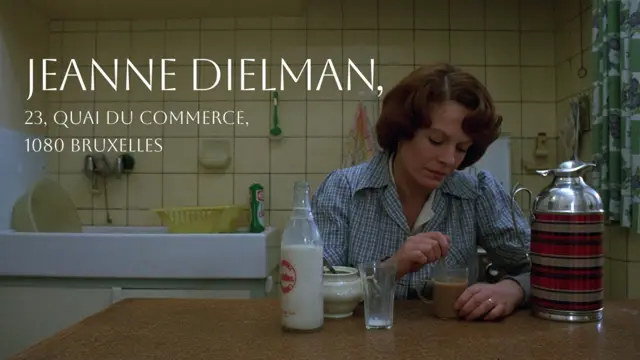 Jeanne Dielman, 23 quai du Commerce, 1080 Bruxelles. Film to study · 1975.Dir. Chantal AkermanDoP Babette Mangolte
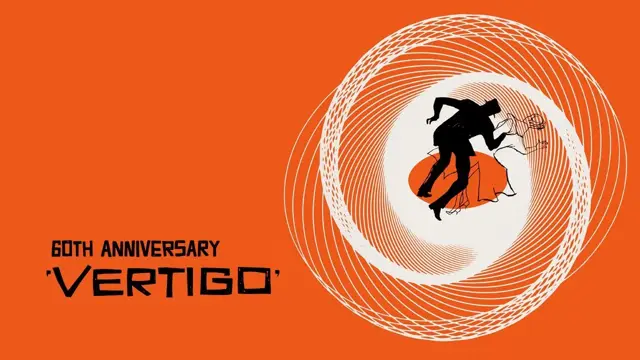 Vertigo. Film to study · 1958.Dir. Alfred HitchcockDoP Robert Burks
 Citizen Kane. Film to study · 1941.Dir. Orson WellesDoP Gregg Toland
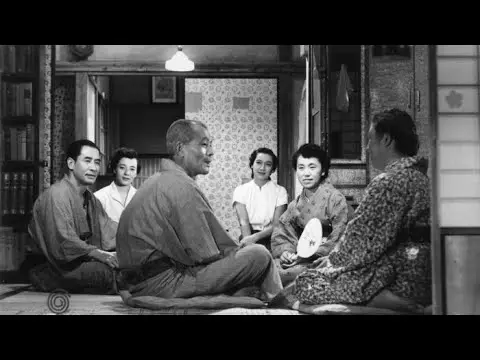 Tokyo Story. Film to study · 1953.Dir. Yasujirō OzuDoP Yūharu Atsuta
 In the Mood for Love. Film to study · 2000.Dir. Wong Kar-waiDoP Christopher Doyle, Mark Lee Ping-bing
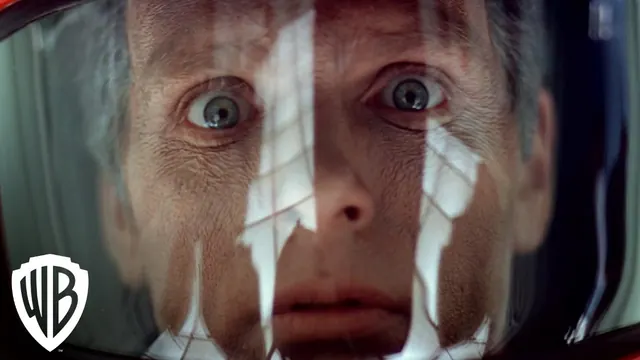 2001: A Space Odyssey. Film to study · 1968.Dir. Stanley KubrickDoP Geoffrey Unsworth
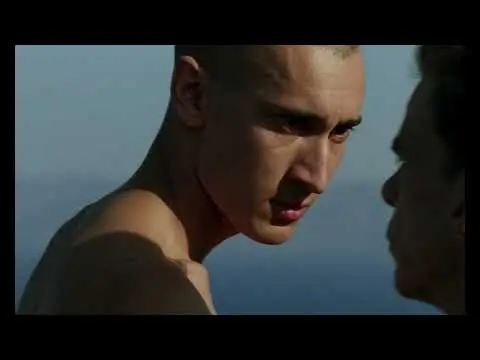 Beau Travail. Film to study · 1999.Dir. Claire DenisDoP Agnès Godard
 Mulholland Drive. Film to study · 2001.Dir. David LynchDoP Peter Deming
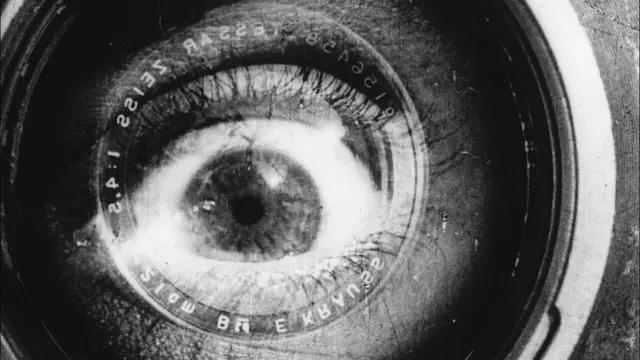 Man with a Movie Camera. Film to study · 1929.Dir. Dziga VertovDoP Mikhail Kaufman
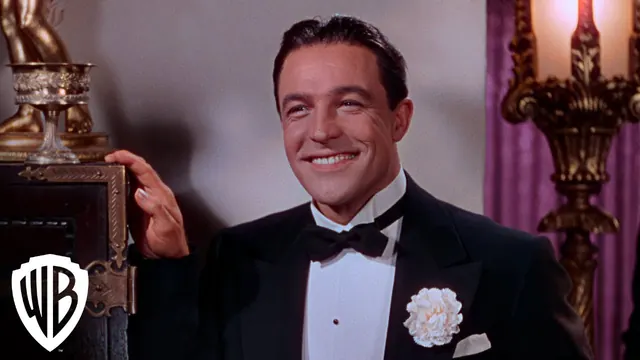 Singin' in the Rain. Film to study · 1952.Dir. Gene Kelly, Stanley DonenDoP Harold Rosson
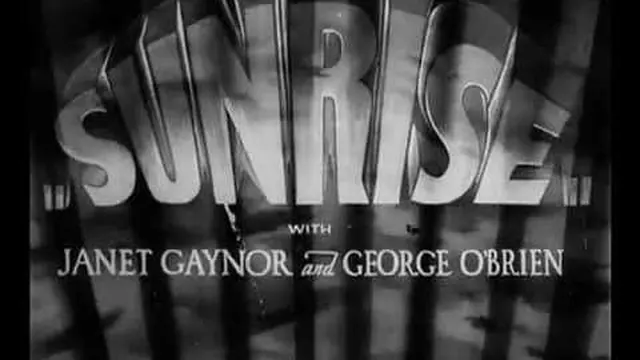 Sunrise. Film to study · 1927.Dir. F. W. MurnauDoP Charles Rosher, Karl Struss
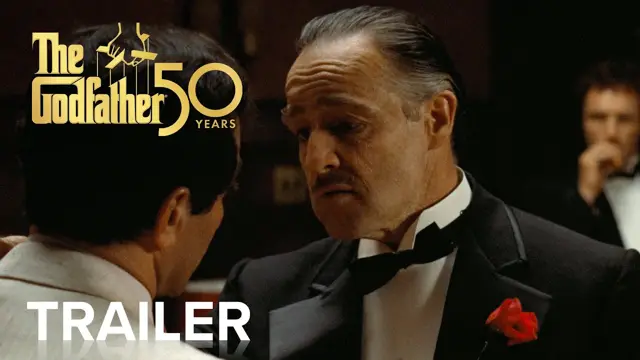 The Godfather. Film to study · 1972.Dir. Francis Ford CoppolaDoP Gordon Willis
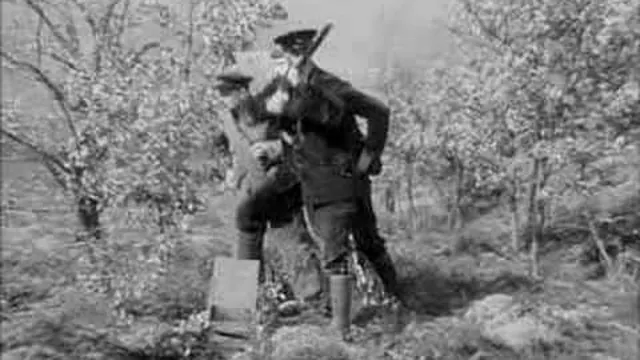 La Règle du jeu. Film to study · 1939.Dir. Jean RenoirDoP Jean Bachelet
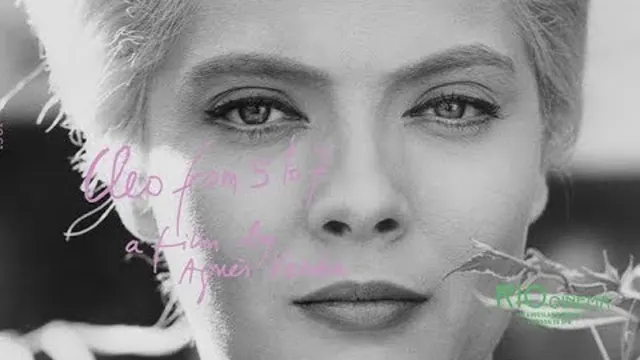 Cléo from 5 to 7. Film to study · 1962.Dir. Agnès VardaDoP Jean Rabier
 Persona. Film to study · 1966.Dir. Ingmar BergmanDoP Sven Nykvist
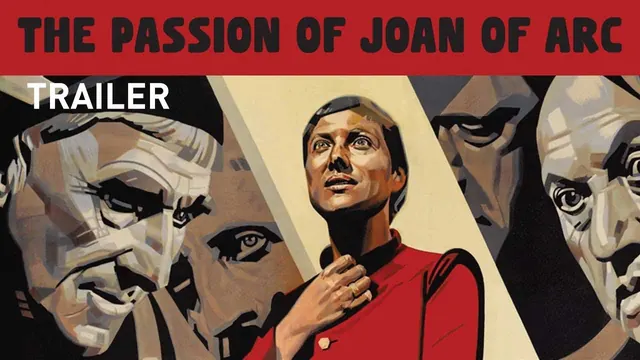 The Passion of Joan of Arc. Film to study · 1928.Dir. Carl Theodor DreyerDoP Rudolph Maté
 8½. Film to study · 1963.Dir. Federico FelliniDoP Gianni Di Venanzo
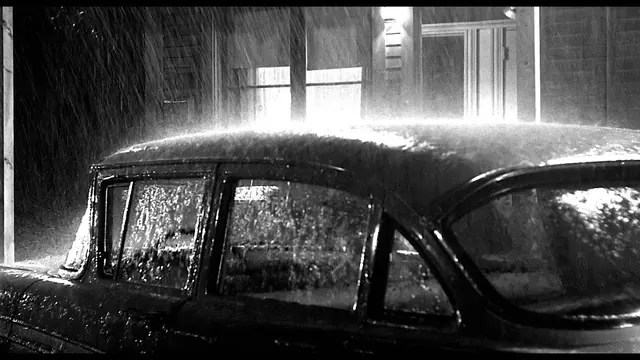 Psycho. Film to study · 1960.Dir. Alfred HitchcockDoP John L. Russell
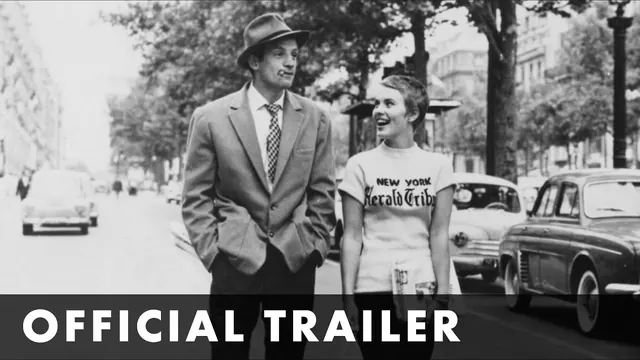 Breathless. Film to study · 1960.Dir. Jean-Luc GodardDoP Raoul Coutard
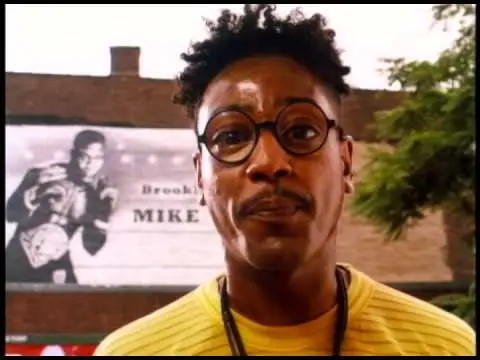 Do the Right Thing. Film to study · 1989.Dir. Spike LeeDoP Ernest Dickerson
British cinema essentials
18 films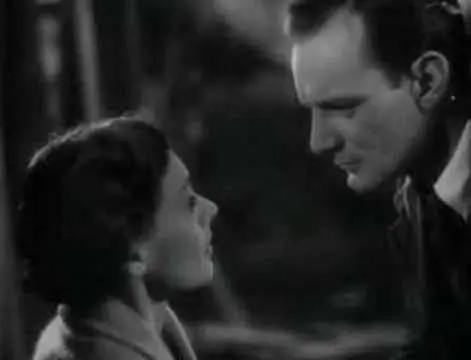 Brief Encounter. Film to study · 1945.Dir. David LeanDoP Robert Krasker
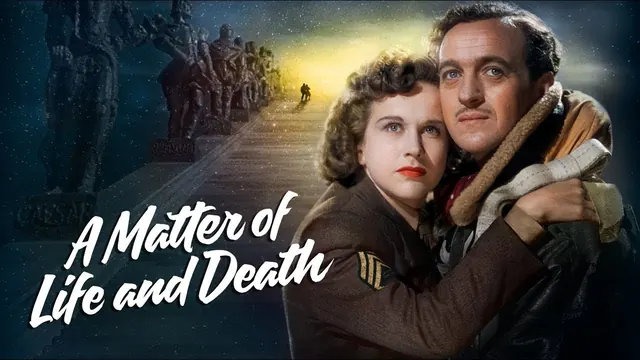 A Matter of Life and Death. Film to study · 1946.Dir. Michael Powell, Emeric PressburgerDoP Jack Cardiff
 Black Narcissus. Film to study · 1947.Dir. Michael Powell, Emeric PressburgerDoP Jack Cardiff
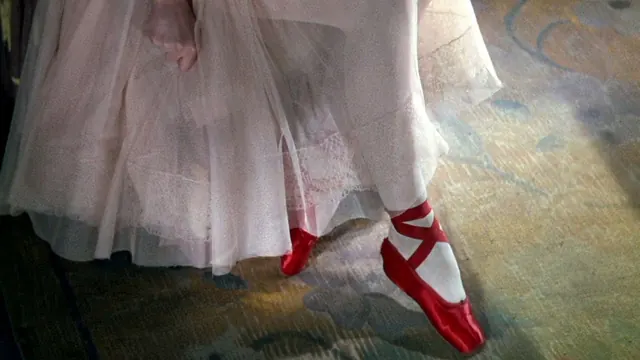 The Red Shoes. Film to study · 1948.Dir. Michael Powell, Emeric PressburgerDoP Jack Cardiff
 Kind Hearts and Coronets. Film to study · 1949.Dir. Robert HamerDoP Douglas Slocombe
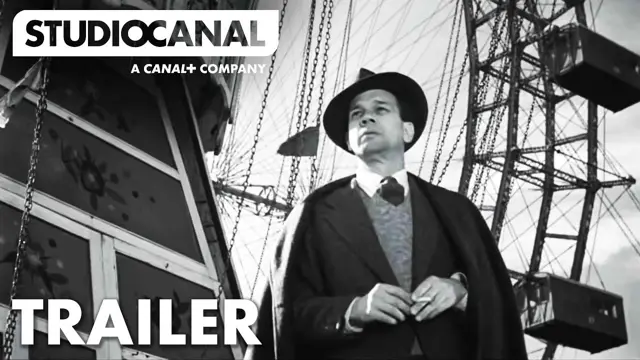 The Third Man. Film to study · 1949.Dir. Carol ReedDoP Robert Krasker
 Lawrence of Arabia. Film to study · 1962.Dir. David LeanDoP Freddie Young
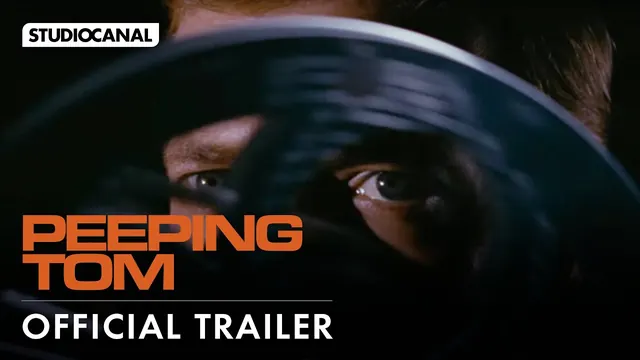 Peeping Tom. Film to study · 1960.Dir. Michael PowellDoP Otto Heller
- Saturday Night and Sunday Morning. Film to study · 1960.Dir. Karel ReiszDoP Freddie Francis
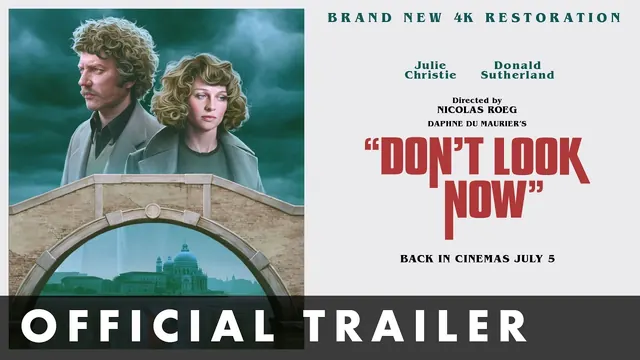 Don't Look Now. Film to study · 1973.Dir. Nicolas RoegDoP Anthony B. Richmond
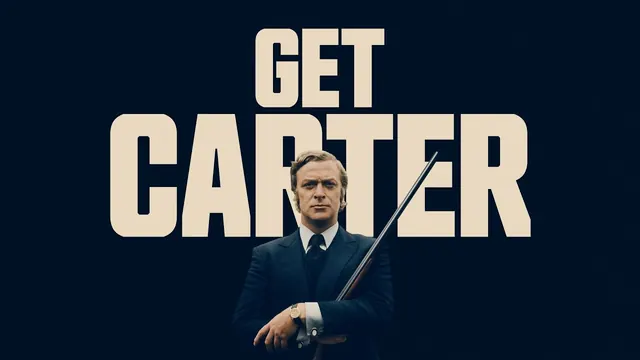 Get Carter. Film to study · 1971.Dir. Mike HodgesDoP Wolfgang Suschitzky
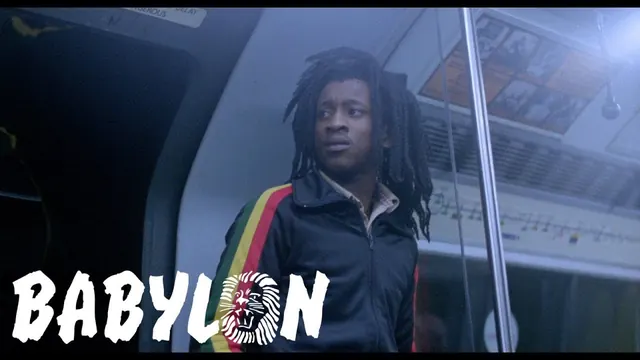 Babylon. Film to study · 1980.Dir. Franco RossoDoP Chris Menges
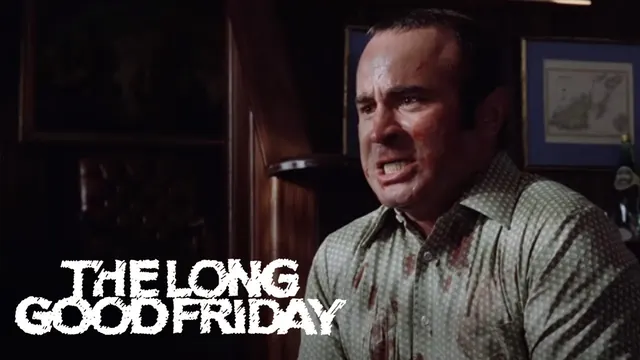 The Long Good Friday. Film to study · 1980.Dir. John MackenzieDoP Phil Meheux
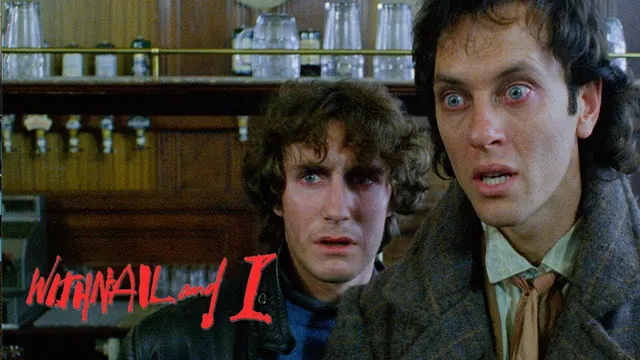 Withnail and I. Film to study · 1987.Dir. Bruce RobinsonDoP Peter Hannan
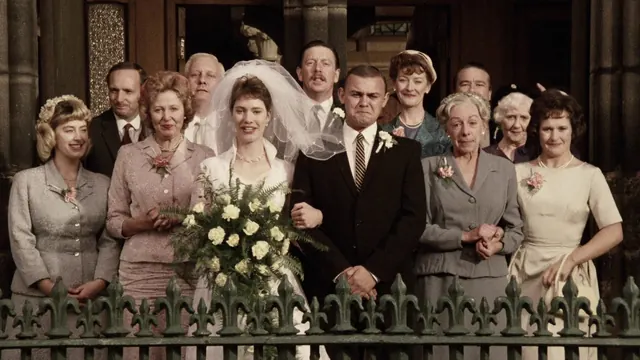 Distant Voices, Still Lives. Film to study · 1988.Dir. Terence DaviesDoP William Diver, Patrick Duval
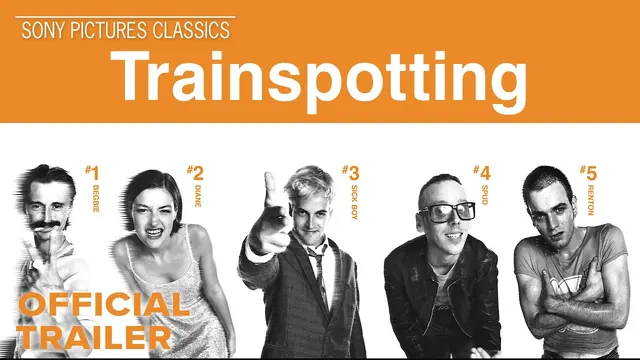 Trainspotting. Film to study · 1996.Dir. Danny BoyleDoP Brian Tufano
 Secrets & Lies. Film to study · 1996.Dir. Mike LeighDoP Dick Pope
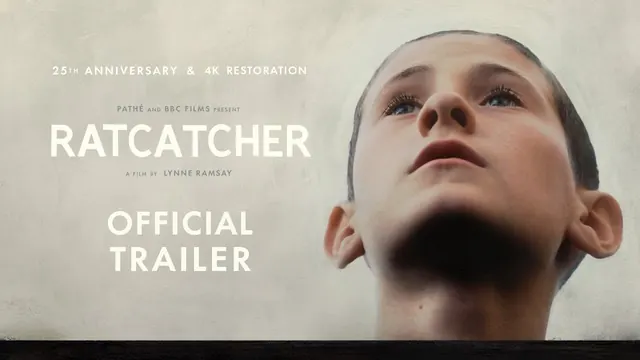 Ratcatcher. Film to study · 1999.Dir. Lynne RamsayDoP Alwin Küchler
International cinema: Europe
14 films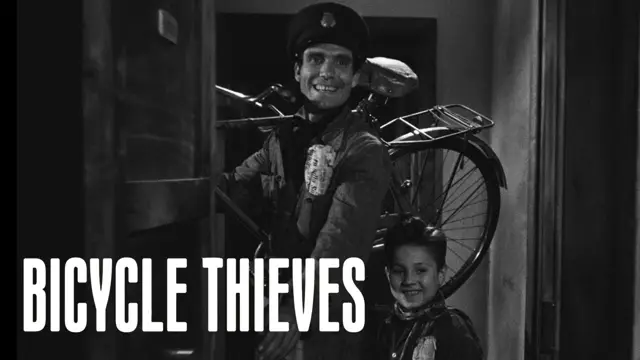 Bicycle Thieves. Film to study · 1948.Dir. Vittorio De SicaDoP Carlo Montuori
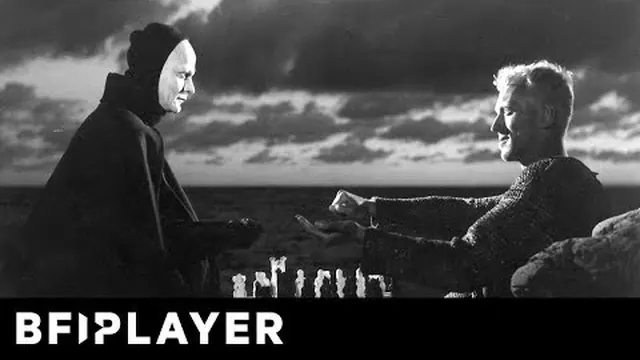 The Seventh Seal. Film to study · 1957.Dir. Ingmar BergmanDoP Gunnar Fischer
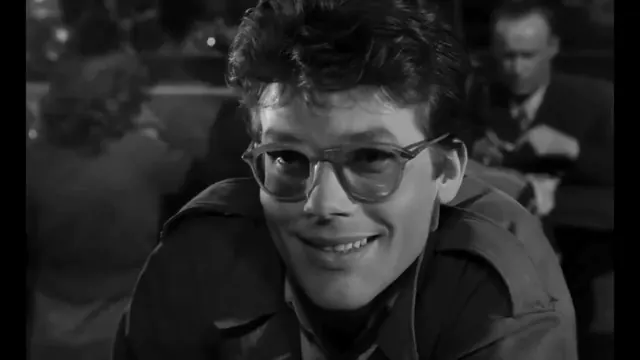 Ashes and Diamonds. Film to study · 1958.Dir. Andrzej WajdaDoP Jerzy Wójcik
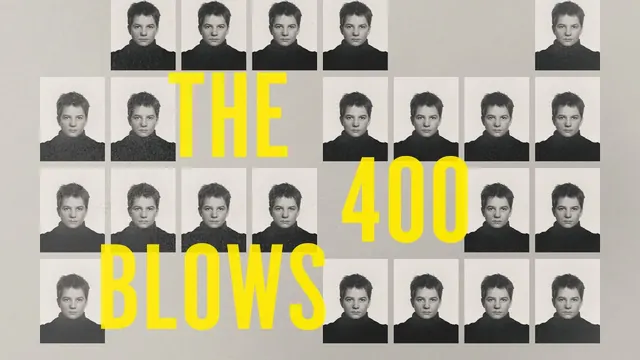 The 400 Blows. Film to study · 1959.Dir. François TruffautDoP Henri Decaë
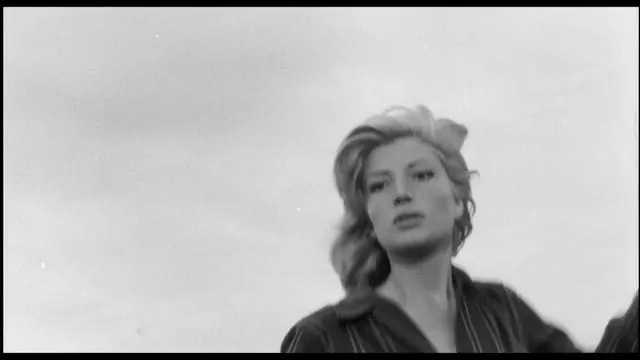 L'Avventura. Film to study · 1960.Dir. Michelangelo AntonioniDoP Aldo Scavarda
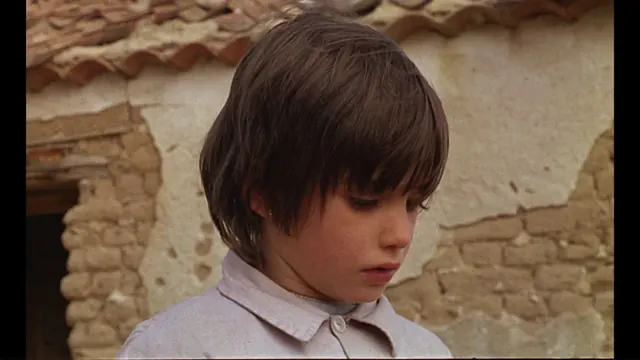 The Spirit of the Beehive. Film to study · 1973.Dir. Víctor EriceDoP Luis Cuadrado
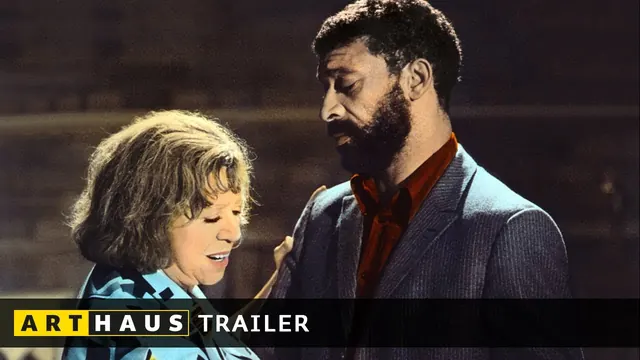 Ali: Fear Eats the Soul. Film to study · 1974.Dir. Rainer Werner FassbinderDoP Jürgen Jürges
 Wings of Desire. Film to study · 1987.Dir. Wim WendersDoP Henri Alekan
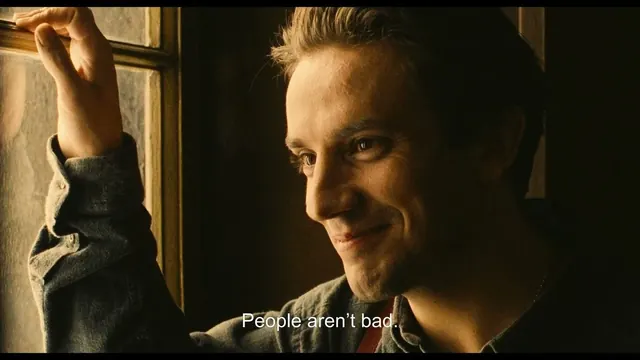 Three Colours: Blue. Film to study · 1993.Dir. Krzysztof KieślowskiDoP Sławomir Idziak
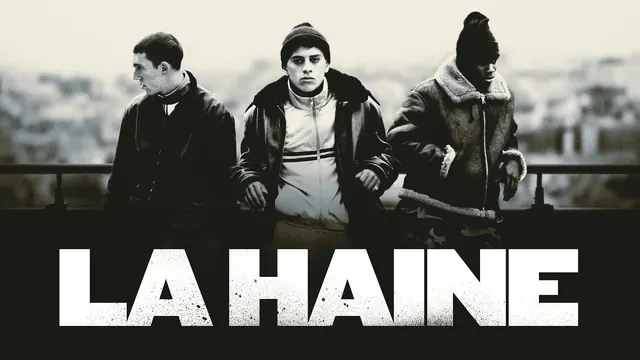 La Haine. Film to study · 1995.Dir. Mathieu KassovitzDoP Pierre Aïm
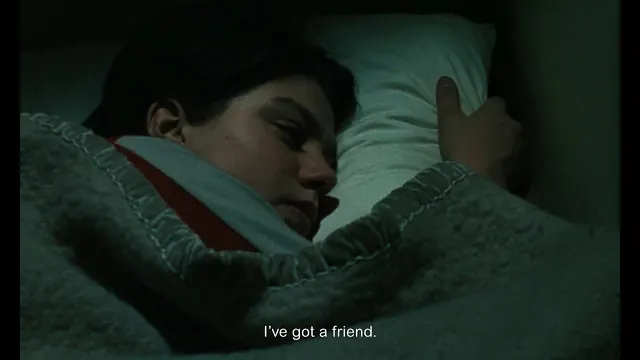 Rosetta. Film to study · 1999.Dir. Jean-Pierre Dardenne, Luc DardenneDoP Alain Marcoen
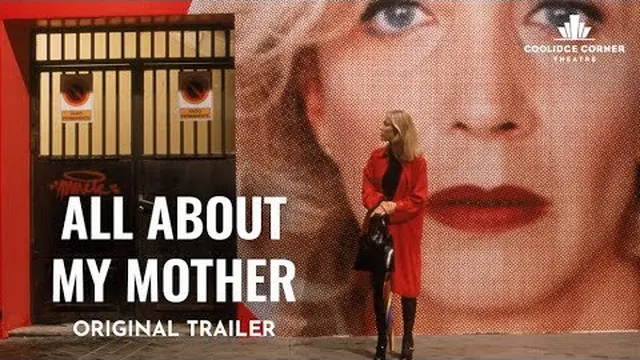 All About My Mother. Film to study · 1999.Dir. Pedro AlmodóvarDoP Affonso Beato
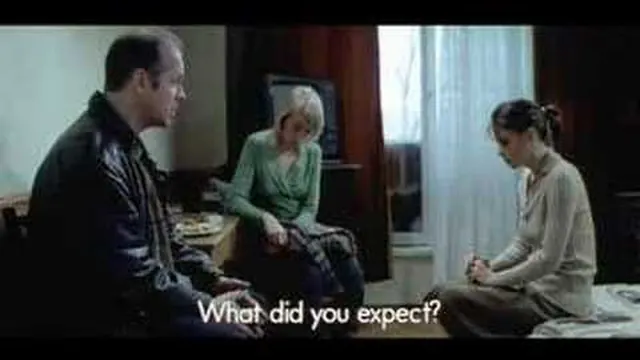 4 Months, 3 Weeks and 2 Days. Film to study · 2007.Dir. Cristian MungiuDoP Oleg Mutu
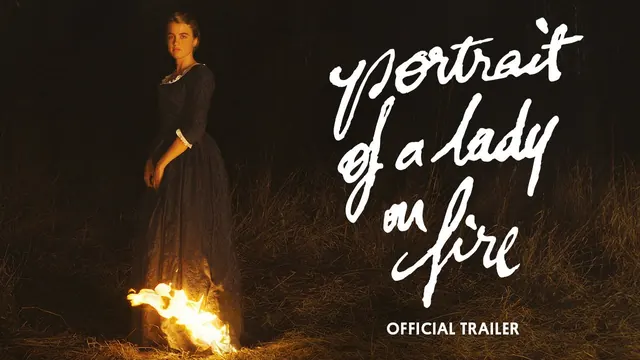 Portrait of a Lady on Fire. Film to study · 2019.Dir. Céline SciammaDoP Claire Mathon
International cinema: Asia
15 films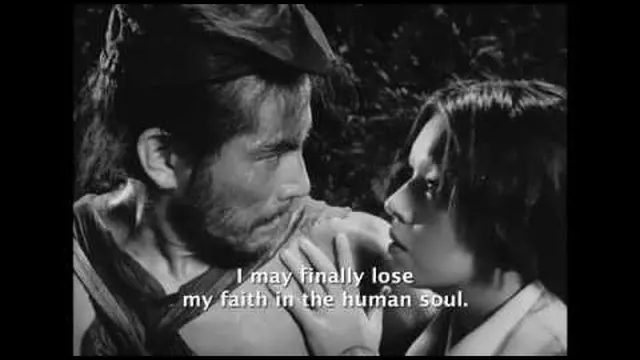 Rashomon. Film to study · 1950.Dir. Akira KurosawaDoP Kazuo Miyagawa
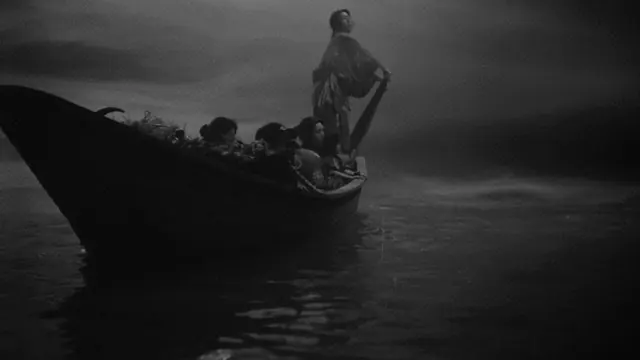 Ugetsu. Film to study · 1953.Dir. Kenji MizoguchiDoP Kazuo Miyagawa
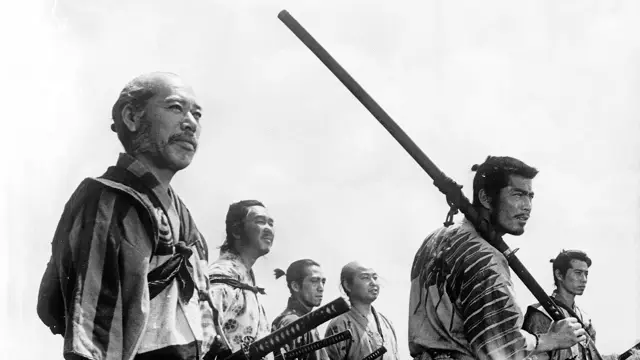 Seven Samurai. Film to study · 1954.Dir. Akira KurosawaDoP Asakazu Nakai
 Pather Panchali. Film to study · 1955.Dir. Satyajit RayDoP Subrata Mitra
- Charulata. Film to study · 1964.Dir. Satyajit RayDoP Subrata Mitra
 A Touch of Zen. Film to study · 1971.Dir. King HuDoP Hua Hui-ying
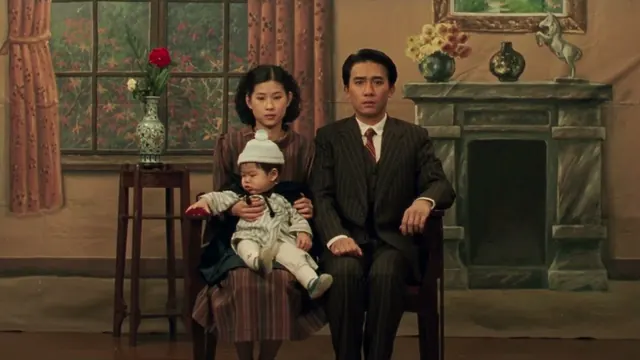 A City of Sadness. Film to study · 1989.Dir. Hou Hsiao-hsienDoP Chen Huai-en
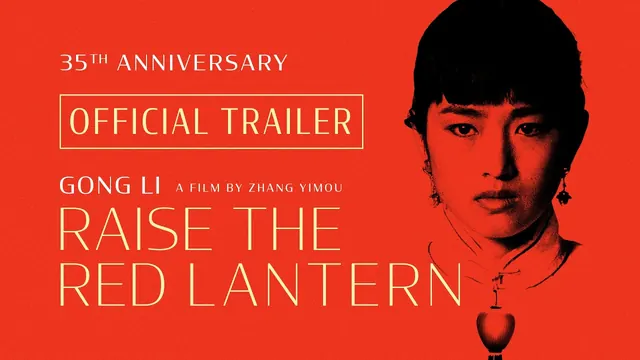 Raise the Red Lantern. Film to study · 1991.Dir. Zhang YimouDoP Zhao Fei
 Chungking Express. Film to study · 1994.Dir. Wong Kar-waiDoP Christopher Doyle, Andrew Lau
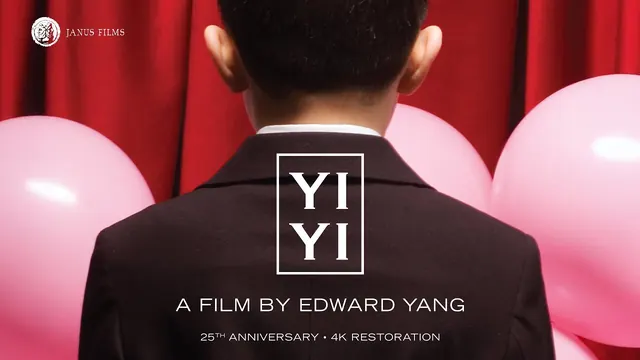 Yi Yi. Film to study · 2000.Dir. Edward YangDoP Yang Wei-han
 Spirited Away. Film to study · 2001.Dir. Hayao MiyazakiDoP Atsushi Okui
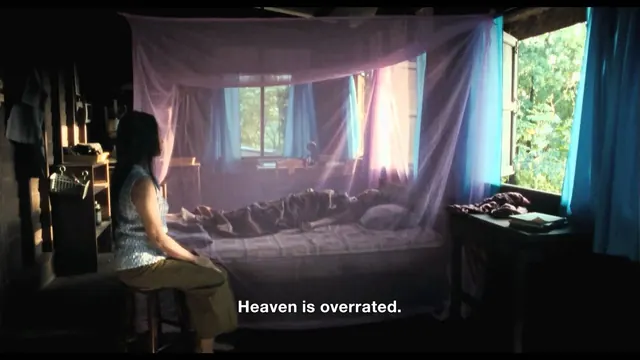 Uncle Boonmee Who Can Recall His Past Lives. Film to study · 2010.Dir. Apichatpong WeerasethakulDoP Sayombhu Mukdeeprom, Yukontorn Mingmongkon, Charin Pengpanich
 Burning. Film to study · 2018.Dir. Lee Chang-dongDoP Hong Kyung-pyo
 Parasite. Film to study · 2019.Dir. Bong Joon-hoDoP Hong Kyung-pyo
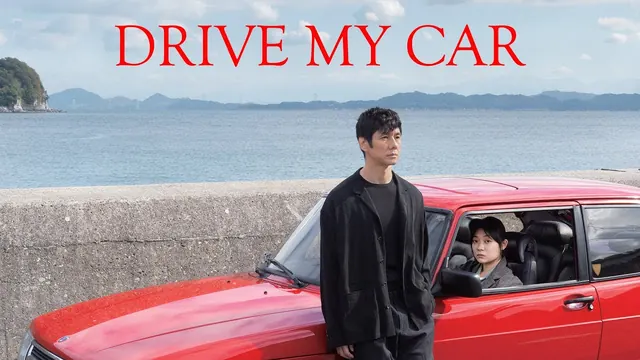 Drive My Car. Film to study · 2021.Dir. Ryusuke HamaguchiDoP Hidetoshi Shinomiya
International cinema: Latin America
12 films- Los Olvidados. Film to study · 1950.Dir. Luis BuñuelDoP Gabriel Figueroa
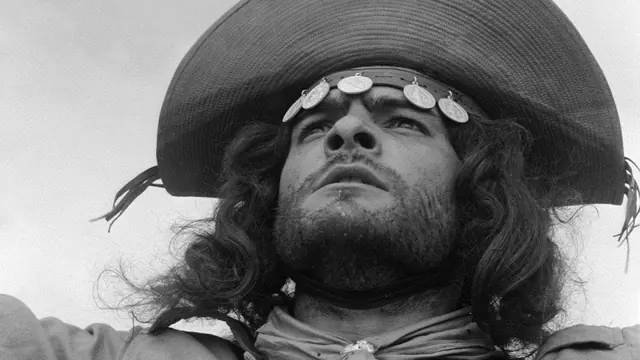 Black God, White Devil. Film to study · 1964.Dir. Glauber RochaDoP Waldemar Lima
- Memories of Underdevelopment. Film to study · 1968.Dir. Tomás Gutiérrez AleaDoP Ramón F. Suárez
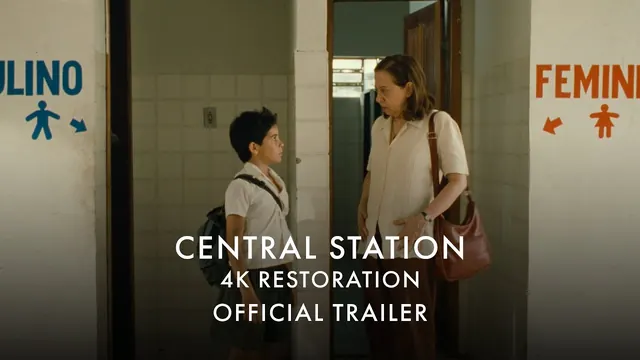 Central Station. Film to study · 1998.Dir. Walter SallesDoP Walter Carvalho
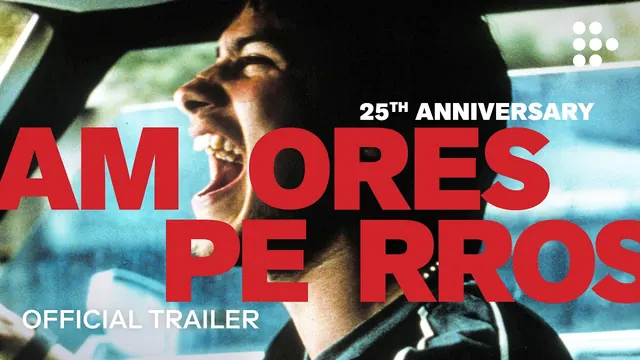 Amores perros. Film to study · 2000.Dir. Alejandro G. IñárrituDoP Rodrigo Prieto
- Y tu mamá también. Film to study · 2001.Dir. Alfonso CuarónDoP Emmanuel Lubezki
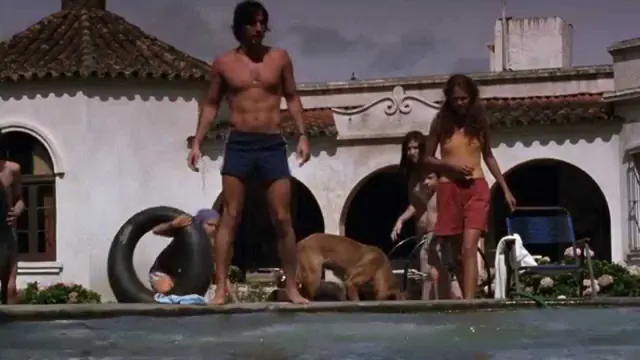 La Ciénaga. Film to study · 2001.Dir. Lucrecia MartelDoP Hugo Colace
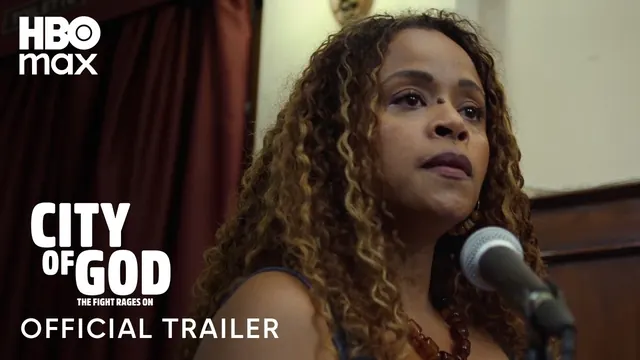 City of God. Film to study · 2002.Dir. Fernando Meirelles, Kátia LundDoP César Charlone
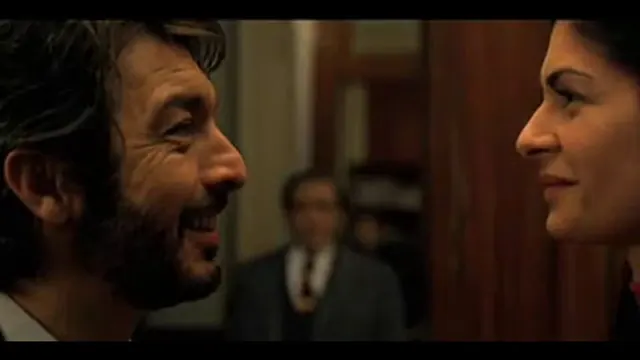 The Secret in Their Eyes. Film to study · 2009.Dir. Juan José CampanellaDoP Félix Monti
 Embrace of the Serpent. Film to study · 2015.Dir. Ciro GuerraDoP David Gallego
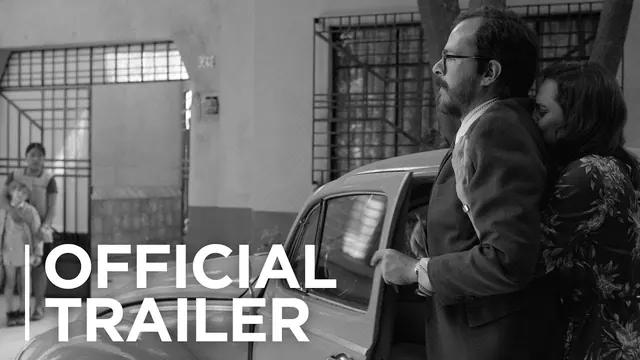 Roma. Film to study · 2018.Dir. Alfonso CuarónDoP Alfonso Cuarón
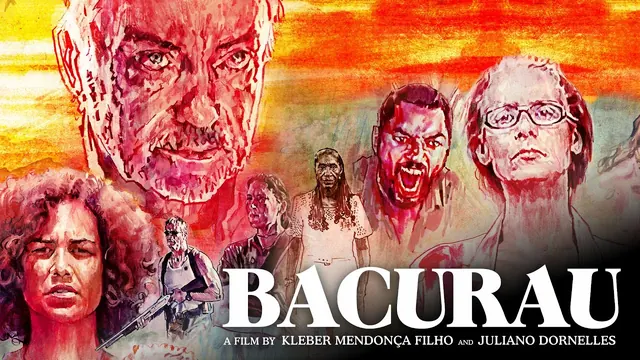 Bacurau. Film to study · 2019.Dir. Kleber Mendonça Filho, Juliano DornellesDoP Pedro Sotero
International cinema: Africa and the Middle East
15 films Cairo Station. Film to study · 1958.Dir. Youssef ChahineDoP Alevise Orfanelli
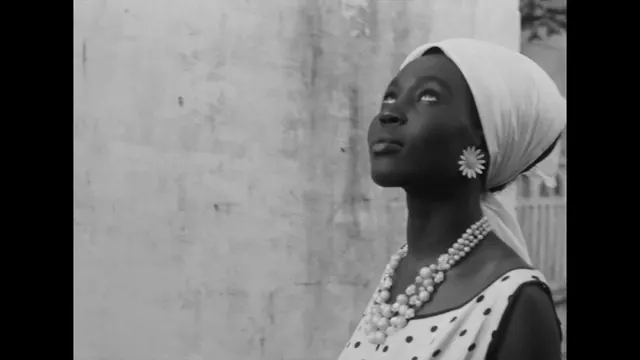 Black Girl. Film to study · 1966.Dir. Ousmane SembèneDoP Christian Lacoste
 The Battle of Algiers. Film to study · 1966.Dir. Gillo PontecorvoDoP Marcello Gatti
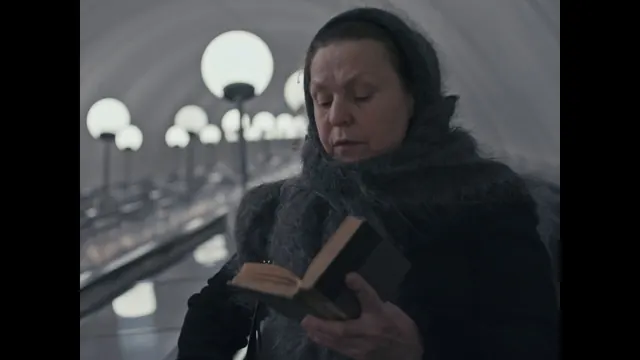 The Cow. Film to study · 1969.Dir. Dariush MehrjuiDoP Fereydoun Ghovanlou
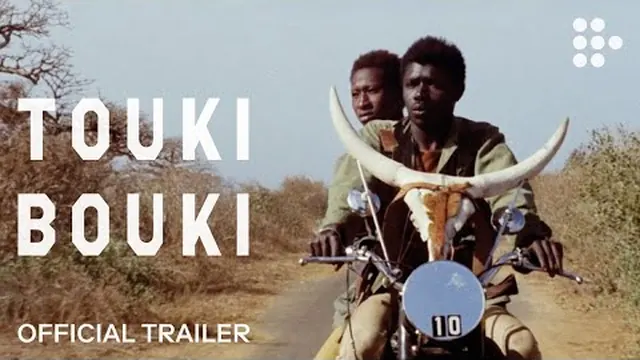 Touki Bouki. Film to study · 1973.Dir. Djibril Diop MambétyDoP Georges Bracher
- Yeelen. Film to study · 1987.Dir. Souleymane CisséDoP Jean-Noël Ferragut, Jean-Michel Humeau
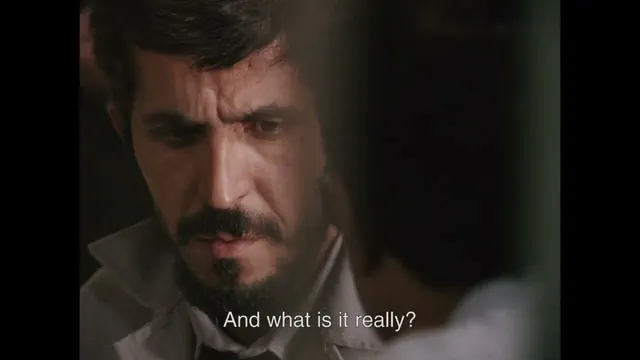 Close-Up. Film to study · 1990.Dir. Abbas KiarostamiDoP Ali Reza Zarrindast
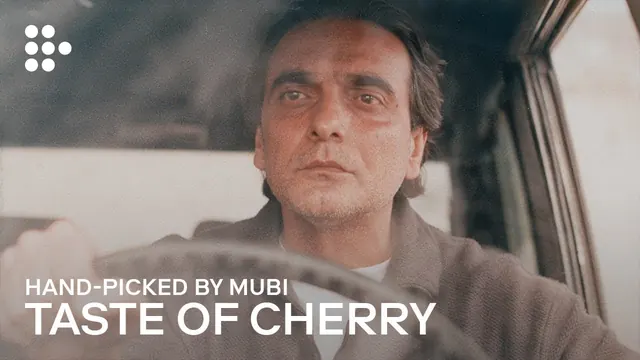 Taste of Cherry. Film to study · 1997.Dir. Abbas KiarostamiDoP Homayun Payvar
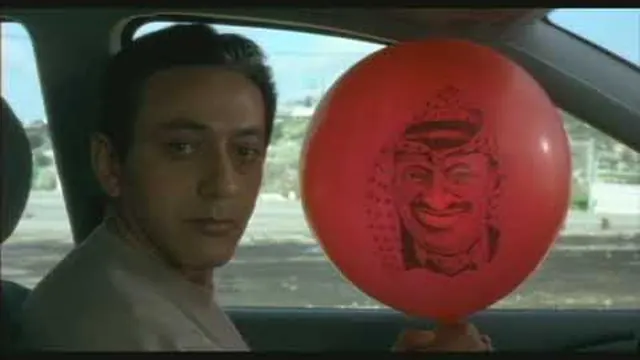 Divine Intervention. Film to study · 2002.Dir. Elia SuleimanDoP Marc-André Batigne
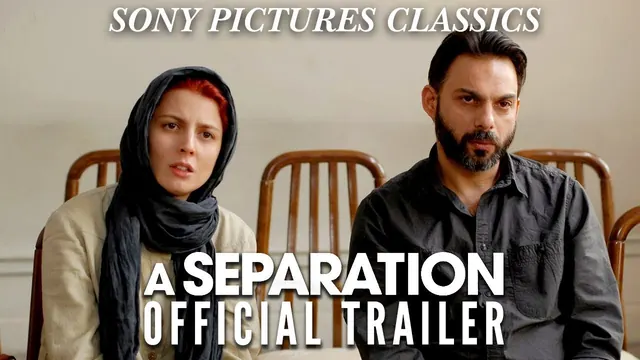 A Separation. Film to study · 2011.Dir. Asghar FarhadiDoP Mahmoud Kalari
 Wadjda. Film to study · 2012.Dir. Haifaa al-MansourDoP Lutz Reitemeier
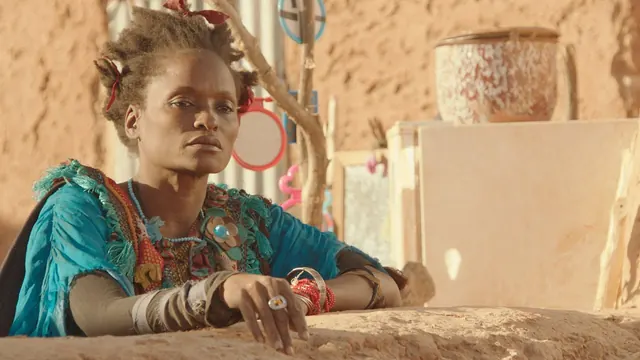 Timbuktu. Film to study · 2014.Dir. Abderrahmane SissakoDoP Sofian El Fani
 Capernaum. Film to study · 2018.Dir. Nadine LabakiDoP Christopher Aoun
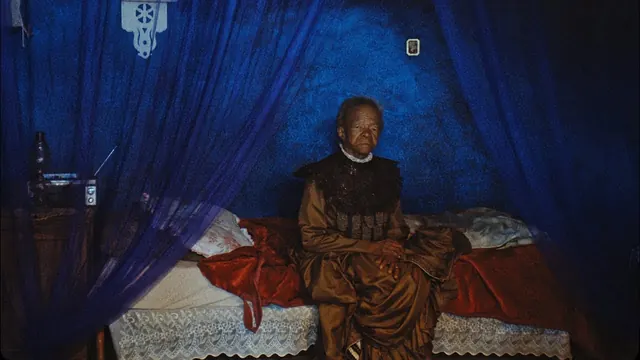 This Is Not a Burial, It's a Resurrection. Film to study · 2019.Dir. Lemohang Jeremiah MoseseDoP Pierre de Villiers
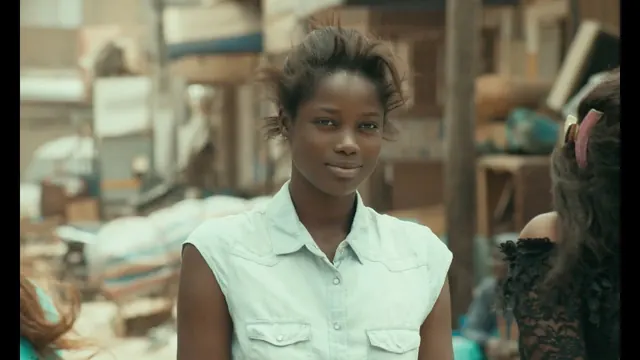 Atlantics. Film to study · 2019.Dir. Mati DiopDoP Claire Mathon
Cinematography masterclasses
17 films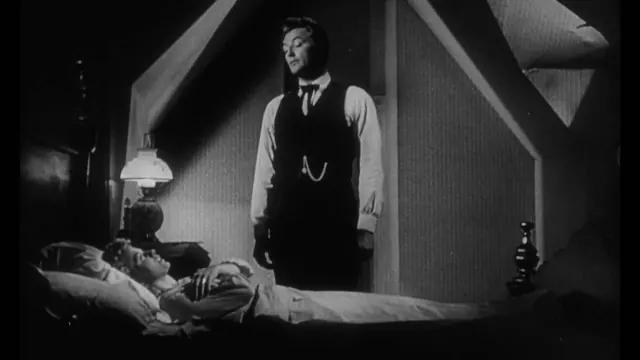 The Night of the Hunter. Film to study · 1955.Dir. Charles LaughtonDoP Stanley Cortez
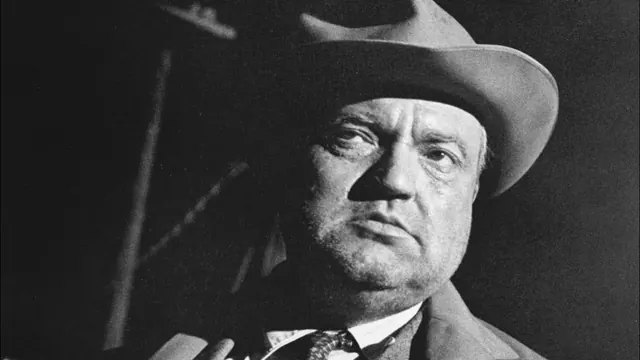 Touch of Evil. Film to study · 1958.Dir. Orson WellesDoP Russell Metty
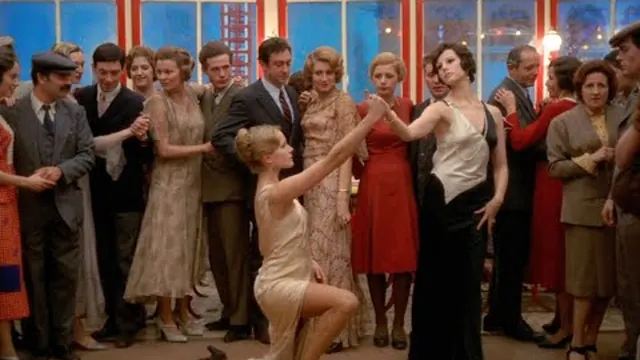 The Conformist. Film to study · 1970.Dir. Bernardo BertolucciDoP Vittorio Storaro
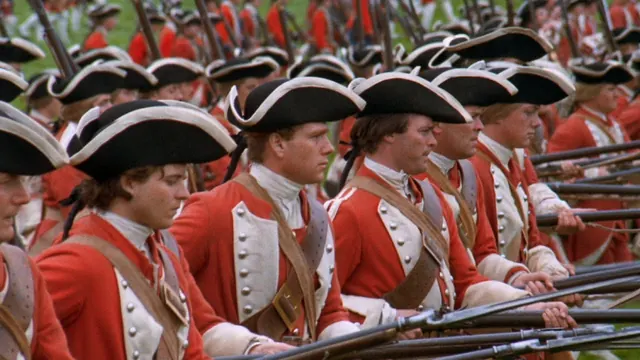 Barry Lyndon. Film to study · 1975.Dir. Stanley KubrickDoP John Alcott
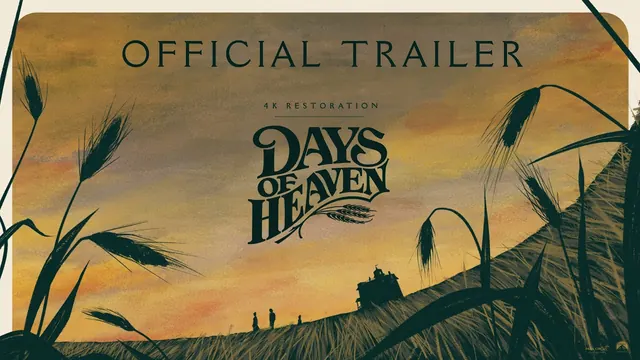 Days of Heaven. Film to study · 1978.Dir. Terrence MalickDoP Néstor Almendros, Haskell Wexler
 Paris, Texas. Film to study · 1984.Dir. Wim WendersDoP Robby Müller
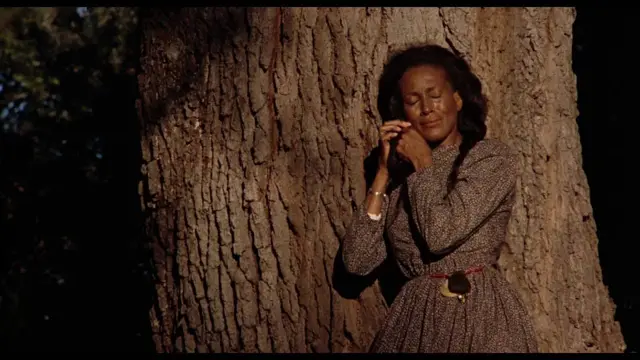 Daughters of the Dust. Film to study · 1991.Dir. Julie DashDoP Arthur Jafa
 Hero. Film to study · 2002.Dir. Zhang YimouDoP Christopher Doyle
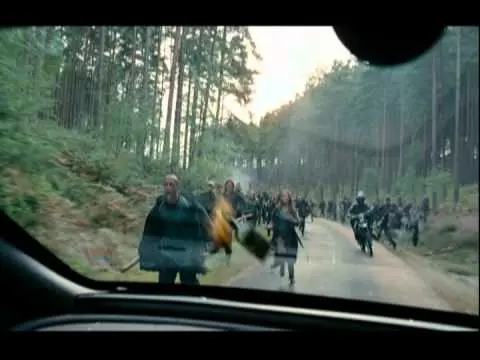 Children of Men. Film to study · 2006.Dir. Alfonso CuarónDoP Emmanuel Lubezki
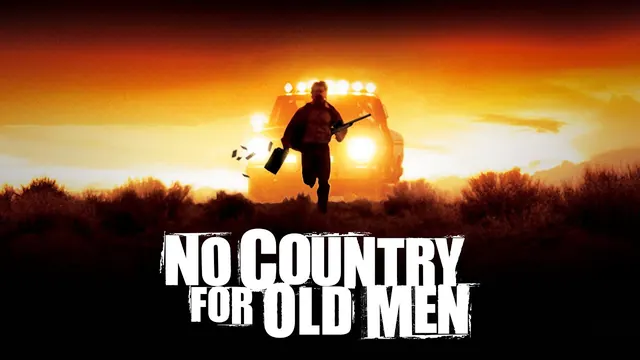 No Country for Old Men. Film to study · 2007.Dir. Joel Coen, Ethan CoenDoP Roger Deakins
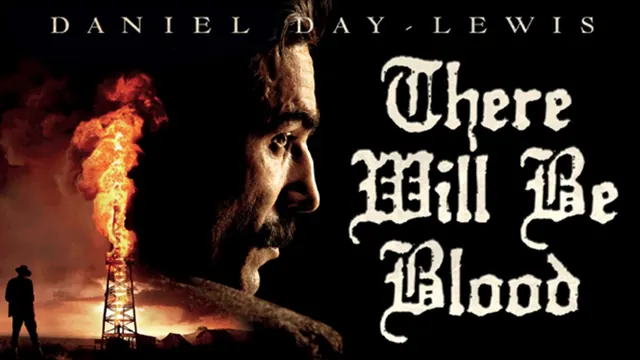 There Will Be Blood. Film to study · 2007.Dir. Paul Thomas AndersonDoP Robert Elswit
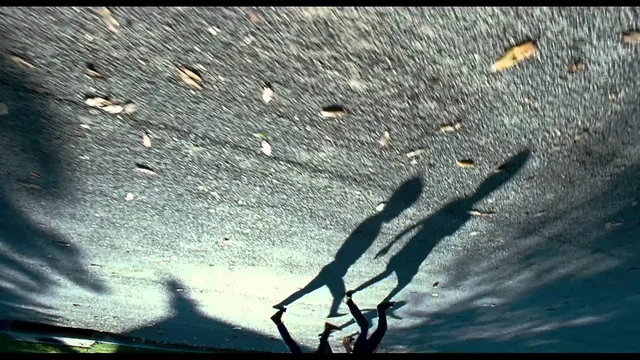 The Tree of Life. Film to study · 2011.Dir. Terrence MalickDoP Emmanuel Lubezki
 Skyfall. Film to study · 2012.Dir. Sam MendesDoP Roger Deakins
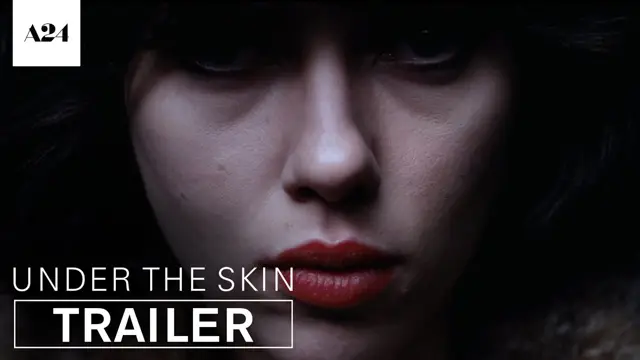 Under the Skin. Film to study · 2013.Dir. Jonathan GlazerDoP Daniel Landin
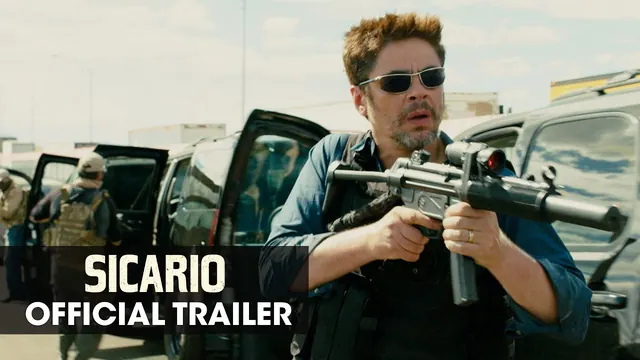 Sicario. Film to study · 2015.Dir. Denis VilleneuveDoP Roger Deakins
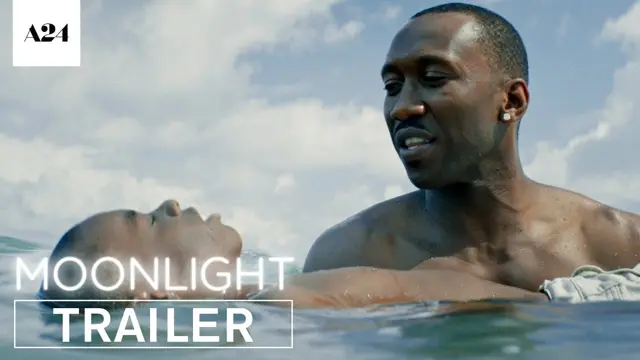 Moonlight. Film to study · 2016.Dir. Barry JenkinsDoP James Laxton
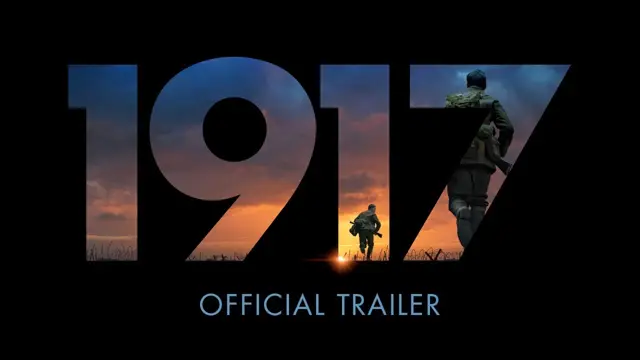 1917. Film to study · 2019.Dir. Sam MendesDoP Roger Deakins
Editing and sound landmarks
15 films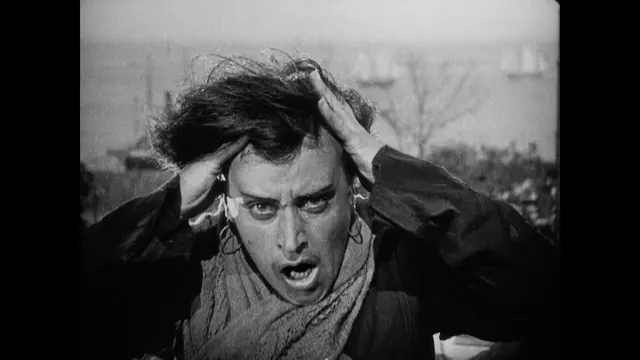 Battleship Potemkin. Film to study · 1925.Dir. Sergei EisensteinDoP Eduard Tisse
 Jaws. Film to study · 1975.Dir. Steven SpielbergDoP Bill Butler
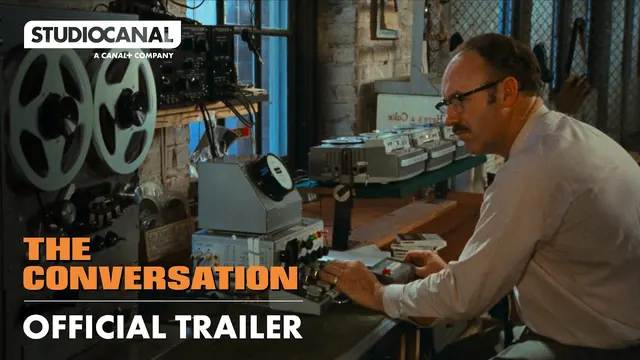 The Conversation. Film to study · 1974.Dir. Francis Ford CoppolaDoP Bill Butler
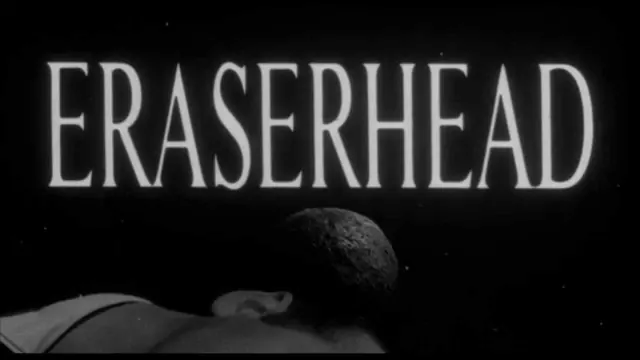 Eraserhead. Film to study · 1977.Dir. David LynchDoP Frederick Elmes, Herbert Cardwell
 Apocalypse Now. Film to study · 1979.Dir. Francis Ford CoppolaDoP Vittorio Storaro
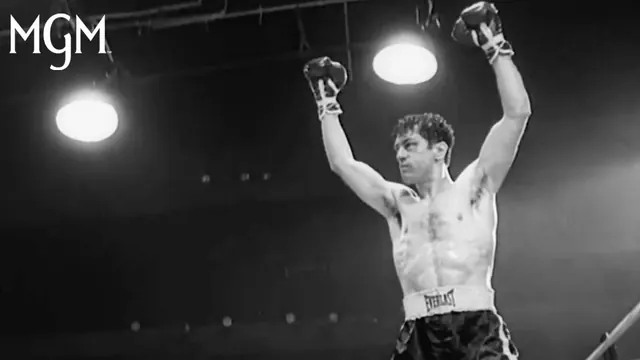 Raging Bull. Film to study · 1980.Dir. Martin ScorseseDoP Michael Chapman
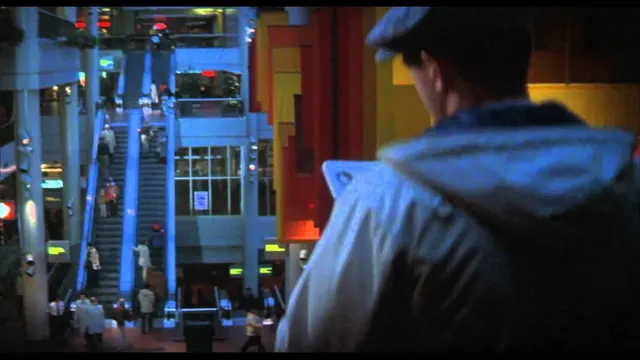 Blow Out. Film to study · 1981.Dir. Brian De PalmaDoP Vilmos Zsigmond
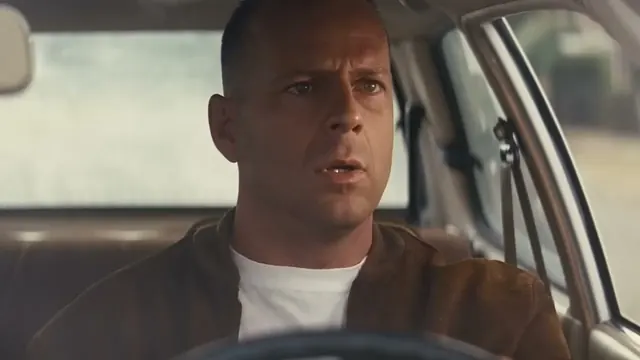 Pulp Fiction. Film to study · 1994.Dir. Quentin TarantinoDoP Andrzej Sekuła
 Run Lola Run. Film to study · 1998.Dir. Tom TykwerDoP Frank Griebe
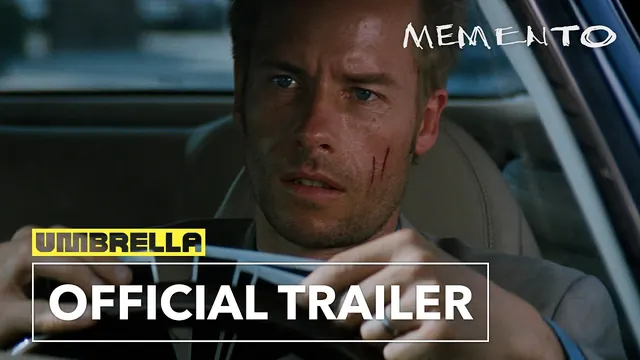 Memento. Film to study · 2000.Dir. Christopher NolanDoP Wally Pfister
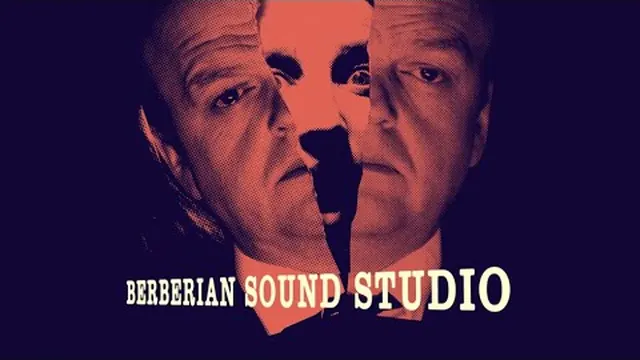 Berberian Sound Studio. Film to study · 2012.Dir. Peter StricklandDoP Nicholas D. Knowland
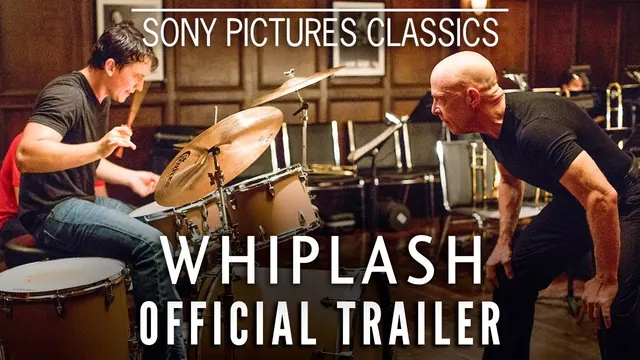 Whiplash. Film to study · 2014.Dir. Damien ChazelleDoP Sharone Meir
 Baby Driver. Film to study · 2017.Dir. Edgar WrightDoP Bill Pope
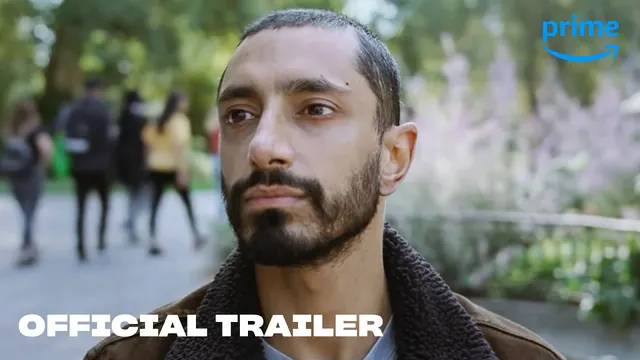 Sound of Metal. Film to study · 2019.Dir. Darius MarderDoP Daniël Bouquet
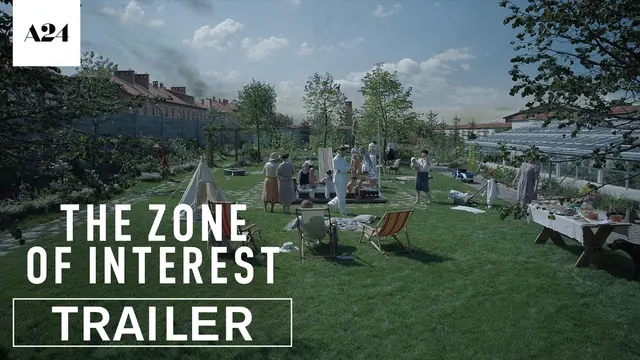 The Zone of Interest. Film to study · 2023.Dir. Jonathan GlazerDoP Łukasz Żal
Social realism: in the tradition of Loach, Meadows and McQueen
17 films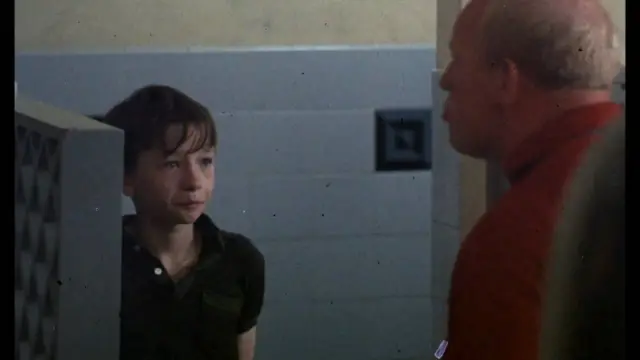 Kes. Film to study · 1969.Dir. Ken LoachDoP Chris Menges
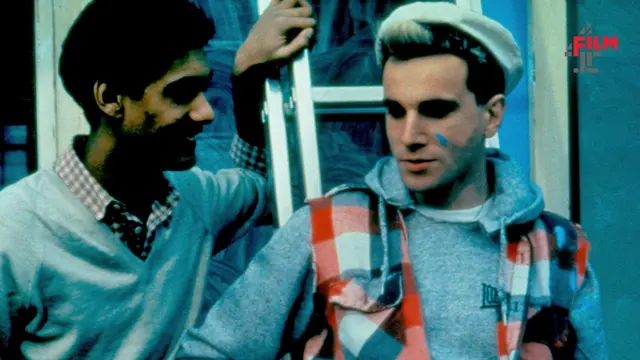 My Beautiful Laundrette. Film to study · 1985.Dir. Stephen FrearsDoP Oliver Stapleton
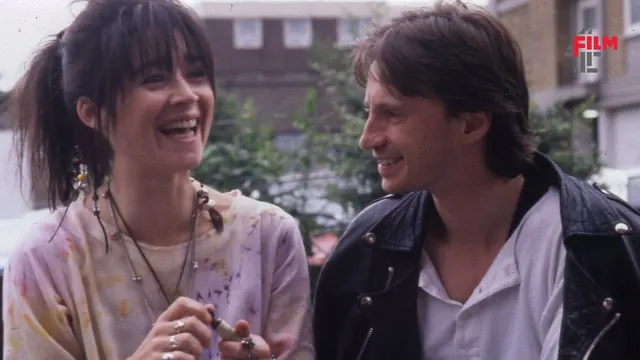 Riff-Raff. Film to study · 1991.Dir. Ken LoachDoP Barry Ackroyd
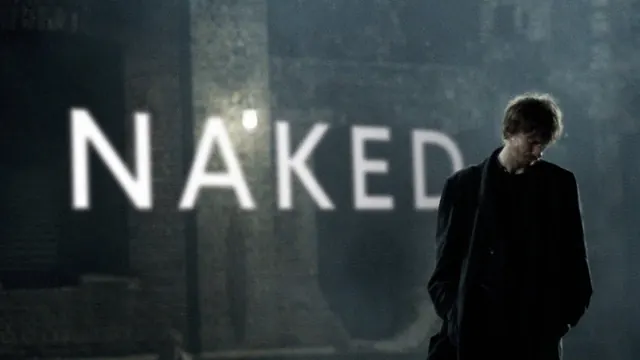 Naked. Film to study · 1993.Dir. Mike LeighDoP Dick Pope
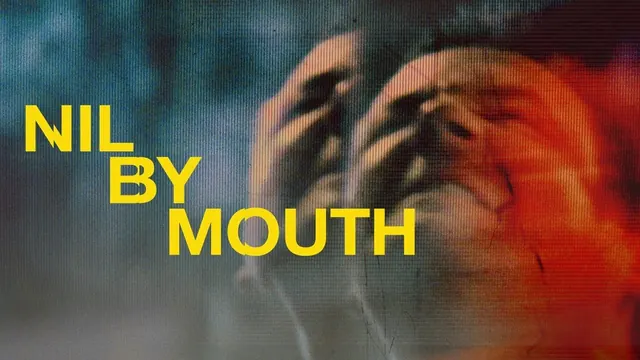 Nil by Mouth. Film to study · 1997.Dir. Gary OldmanDoP Ron Fortunato
- Sweet Sixteen. Film to study · 2002.Dir. Ken LoachDoP Barry Ackroyd
 Bullet Boy. Film to study · 2004.Dir. Saul DibbDoP Marcel Zyskind
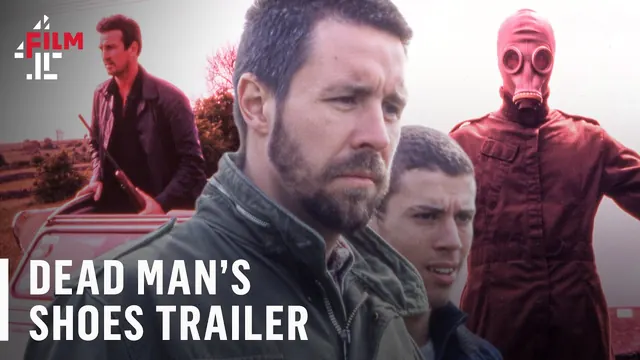 Dead Man's Shoes. Film to study · 2004.Dir. Shane MeadowsDoP Danny Cohen
 This Is England. Film to study · 2006.Dir. Shane MeadowsDoP Danny Cohen
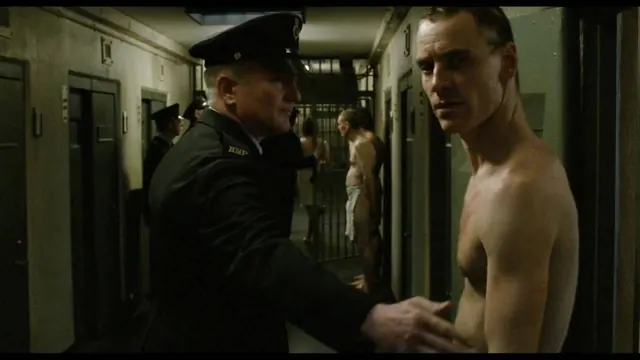 Hunger. Film to study · 2008.Dir. Steve McQueenDoP Sean Bobbitt
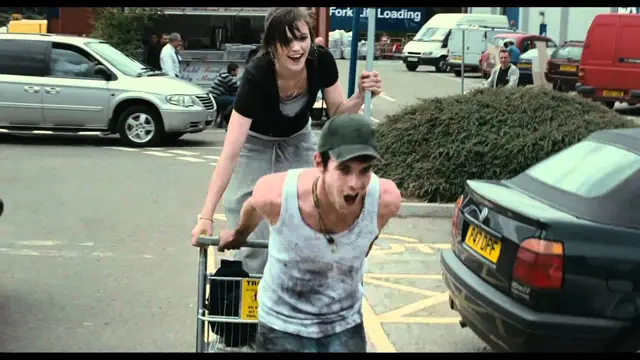 Fish Tank. Film to study · 2009.Dir. Andrea ArnoldDoP Robbie Ryan
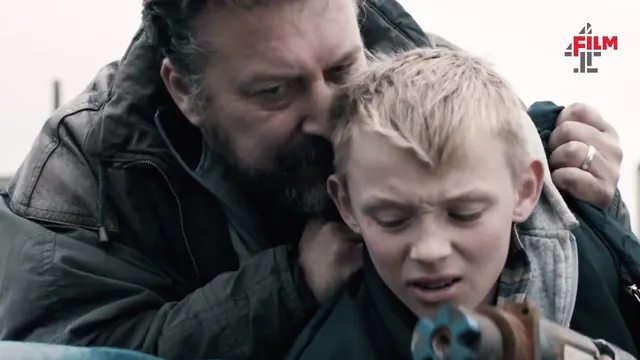 The Selfish Giant. Film to study · 2013.Dir. Clio BarnardDoP Mike Eley
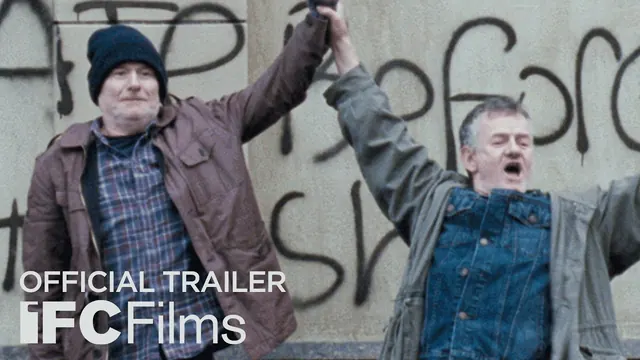 I, Daniel Blake. Film to study · 2016.Dir. Ken LoachDoP Robbie Ryan
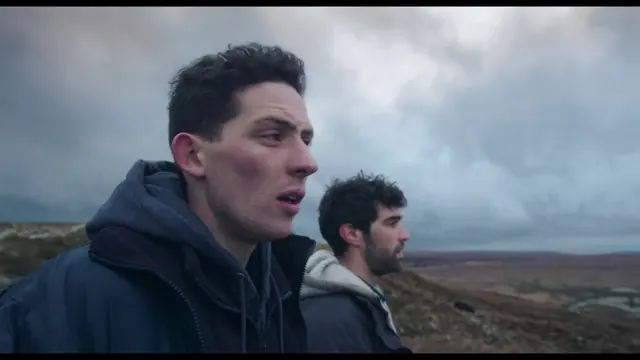 God's Own Country. Film to study · 2017.Dir. Francis LeeDoP Joshua James Richards
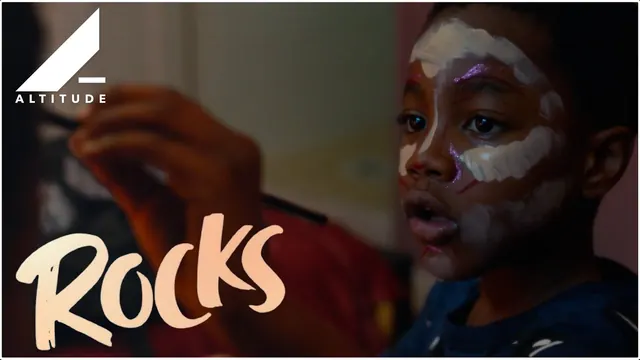 Rocks. Film to study · 2019.Dir. Sarah GavronDoP Hélène Louvart
 Small Axe: Lovers Rock. Film to study · 2020.Dir. Steve McQueenDoP Shabier Kirchner
 How to Have Sex. Film to study · 2023.Dir. Molly Manning WalkerDoP Nicolas Canniccioni
Documentary essentials
16 films Nanook of the North. Film to study · 1922.Dir. Robert J. FlahertyDoP Robert J. Flaherty
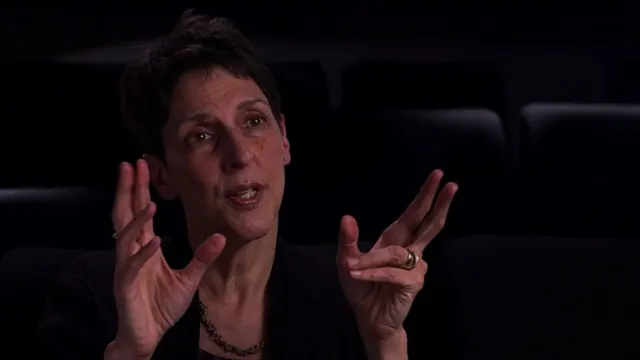 Chronicle of a Summer. Film to study · 1961.Dir. Jean Rouch, Edgar MorinDoP Raoul Coutard, Roger Morillère, Jean-Jacques Tarbès, Michel Brault
- Salesman. Film to study · 1969.Dir. Albert Maysles, David Maysles, Charlotte ZwerinDoP Albert Maysles
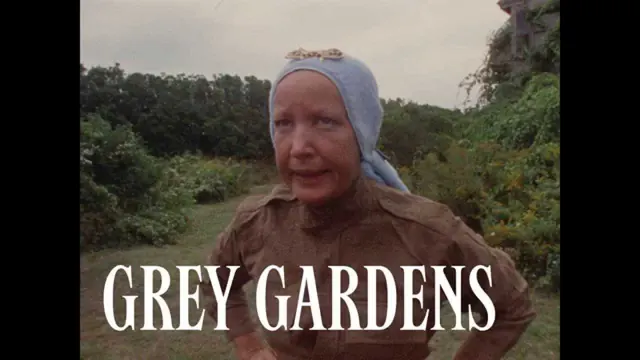 Grey Gardens. Film to study · 1975.Dir. Albert Maysles, David Maysles, Ellen Hovde, Muffie MeyerDoP Albert Maysles
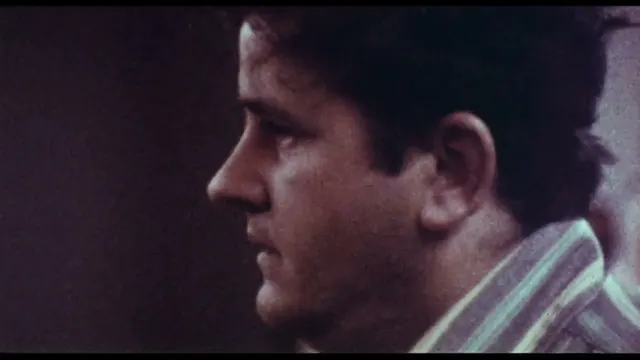 Harlan County, USA. Film to study · 1976.Dir. Barbara KoppleDoP Hart Perry, Kevin Keating
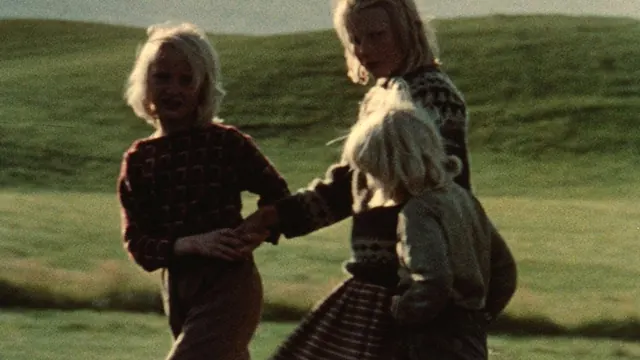 Sans Soleil. Film to study · 1983.Dir. Chris MarkerDoP Chris Marker
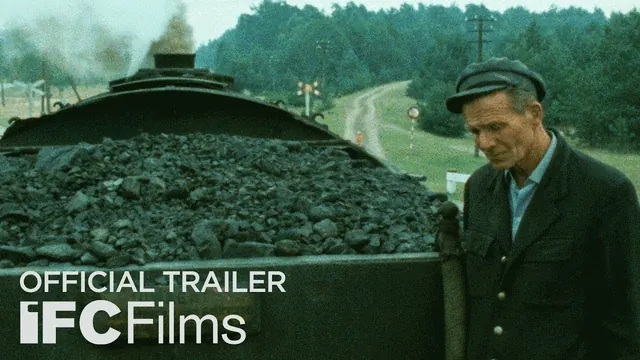 Shoah. Film to study · 1985.Dir. Claude LanzmannDoP Dominique Chapuis, Jimmy Glasberg, William Lubtchansky
- Handsworth Songs. Film to study · 1986.Dir. John Akomfrah
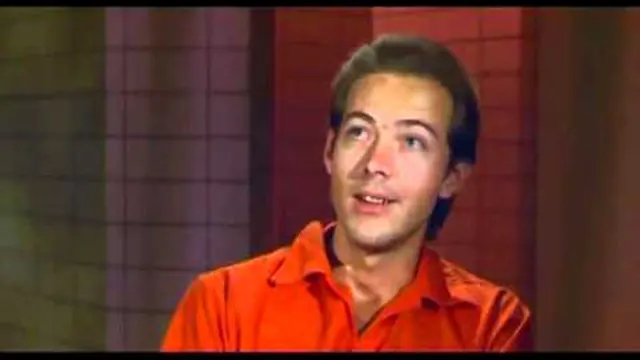 The Thin Blue Line. Film to study · 1988.Dir. Errol MorrisDoP Stefan Czapsky, Robert Chappell
 Hoop Dreams. Film to study · 1994.Dir. Steve JamesDoP Peter Gilbert
 Nostalgia for the Light. Film to study · 2010.Dir. Patricio GuzmánDoP Katell Djian
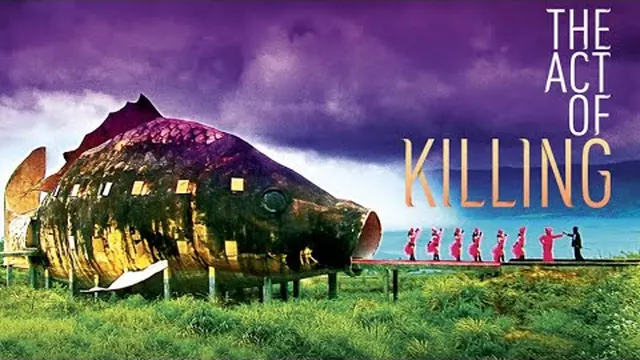 The Act of Killing. Film to study · 2012.Dir. Joshua OppenheimerDoP Carlos Arango de Montis, Lars Skree
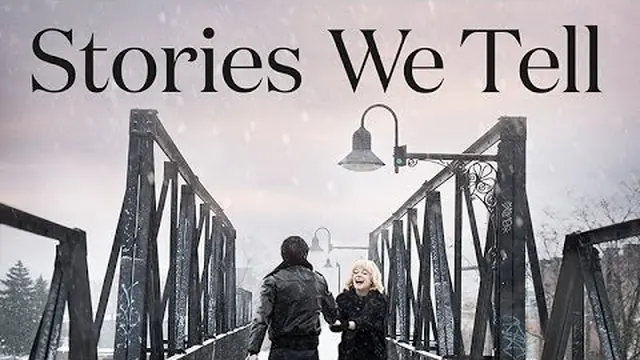 Stories We Tell. Film to study · 2012.Dir. Sarah PolleyDoP Iris Ng
 Amy. Film to study · 2015.Dir. Asif KapadiaDoP Matt Curtis
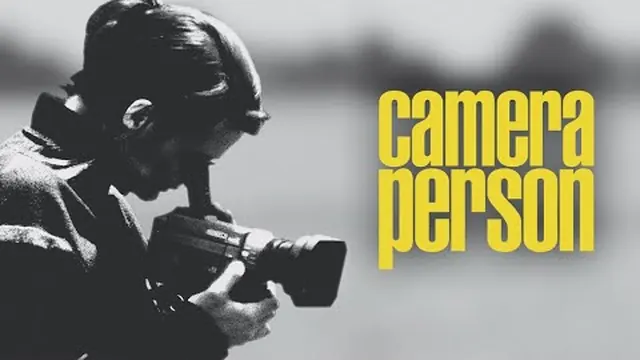 Cameraperson. Film to study · 2016.Dir. Kirsten JohnsonDoP Kirsten Johnson
 For Sama. Film to study · 2019.Dir. Waad al-Kateab, Edward WattsDoP Waad al-Kateab
Short films to study
14 films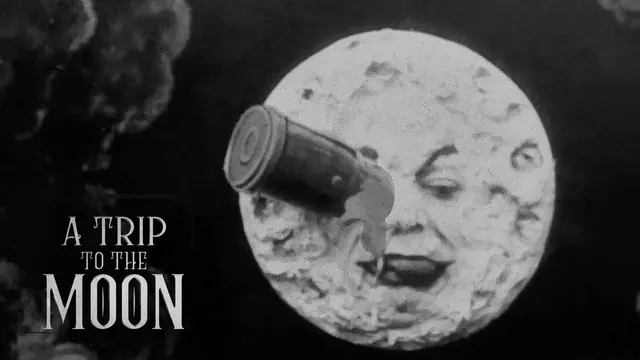 A Trip to the Moon. Film to study · 1902.Dir. Georges MélièsDoP Georges Méliès
 Un Chien Andalou. Film to study · 1929.Dir. Luis BuñuelDoP Albert Duverger
 Night Mail. Film to study · 1936.Dir. Harry Watt, Basil WrightDoP Jonah Jones, H. E. Fowle
 Listen to Britain. Film to study · 1942.Dir. Humphrey Jennings, Stewart McAllisterDoP Chick Fowle
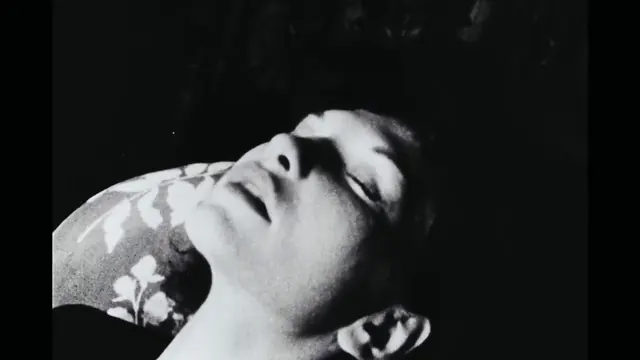 Meshes of the Afternoon. Film to study · 1943.Dir. Maya Deren, Alexander HammidDoP Alexander Hammid
 Night and Fog. Film to study · 1956.Dir. Alain ResnaisDoP Ghislain Cloquet, Sacha Vierny
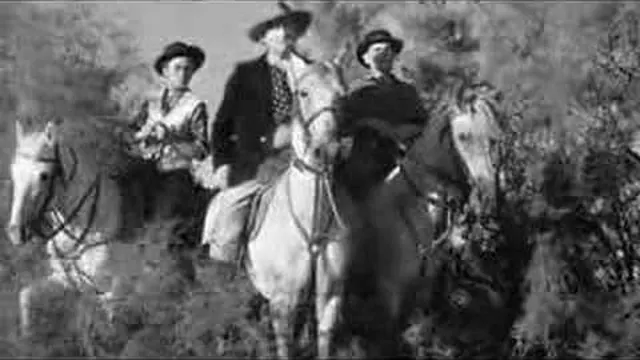 The Red Balloon. Film to study · 1956.Dir. Albert LamorisseDoP Edmond Séchan
 La Jetée. Film to study · 1962.Dir. Chris MarkerDoP Jean Chiabaut
- Gasman. Film to study · 1998.Dir. Lynne RamsayDoP Alwin Küchler
- Wasp. Film to study · 2003.Dir. Andrea ArnoldDoP Robbie Ryan
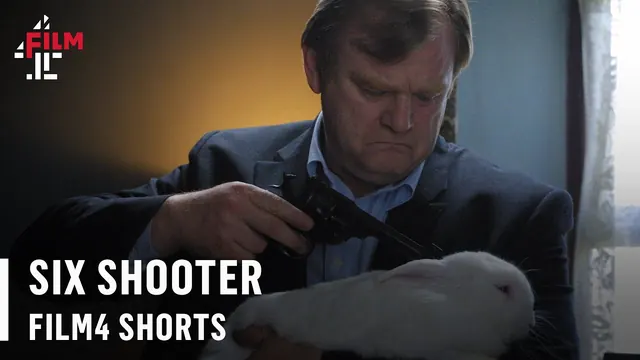 Six Shooter. Film to study · 2004.Dir. Martin McDonaghDoP Baz Irvine
- Pumzi. Film to study · 2009.Dir. Wanuri Kahiu
 The Silent Child. Film to study · 2017.Dir. Chris Overton
 Hair Love. Film to study · 2019.Dir. Matthew A. Cherry
Modern classics (2000 to 2025)
16 films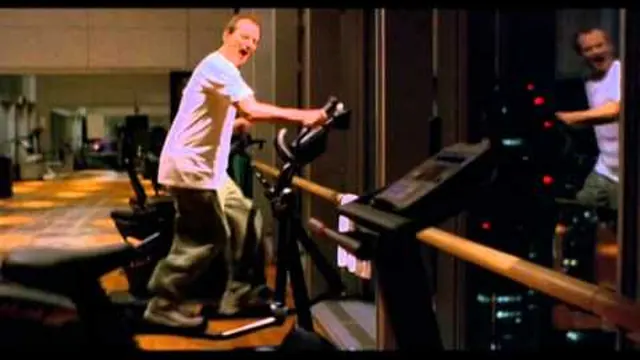 Lost in Translation. Film to study · 2003.Dir. Sofia CoppolaDoP Lance Acord
 Eternal Sunshine of the Spotless Mind. Film to study · 2004.Dir. Michel GondryDoP Ellen Kuras
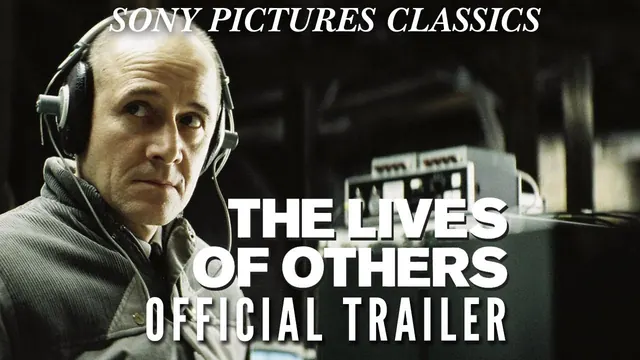 The Lives of Others. Film to study · 2006.Dir. Florian Henckel von DonnersmarckDoP Hagen Bogdanski
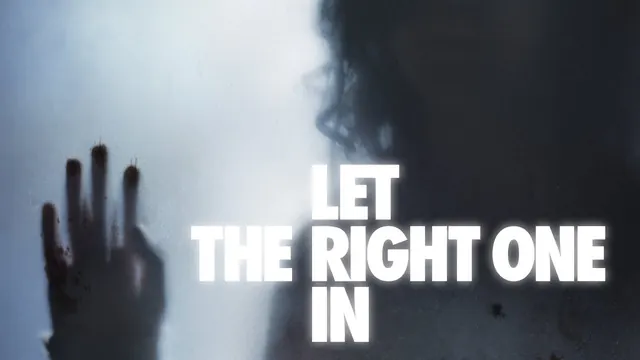 Let the Right One In. Film to study · 2008.Dir. Tomas AlfredsonDoP Hoyte van Hoytema
 The Social Network. Film to study · 2010.Dir. David FincherDoP Jeff Cronenweth
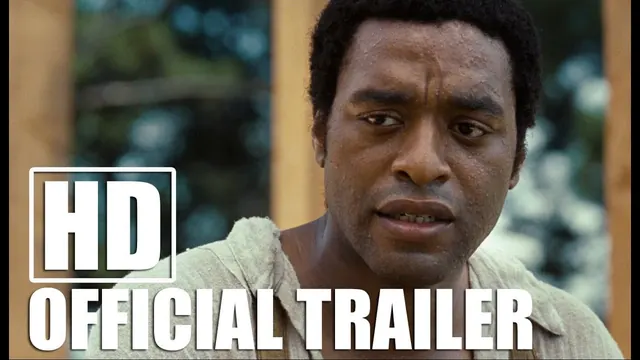 12 Years a Slave. Film to study · 2013.Dir. Steve McQueenDoP Sean Bobbitt
 Boyhood. Film to study · 2014.Dir. Richard LinklaterDoP Lee Daniel, Shane F. Kelly
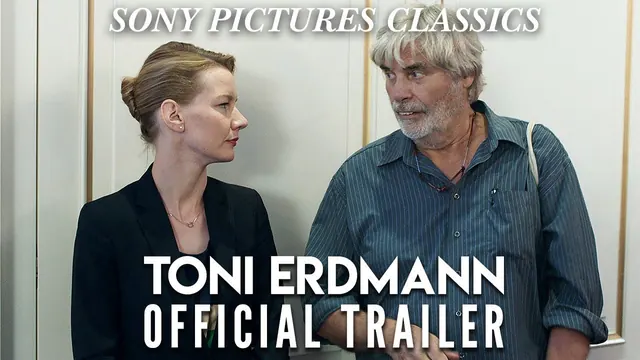 Toni Erdmann. Film to study · 2016.Dir. Maren AdeDoP Patrick Orth
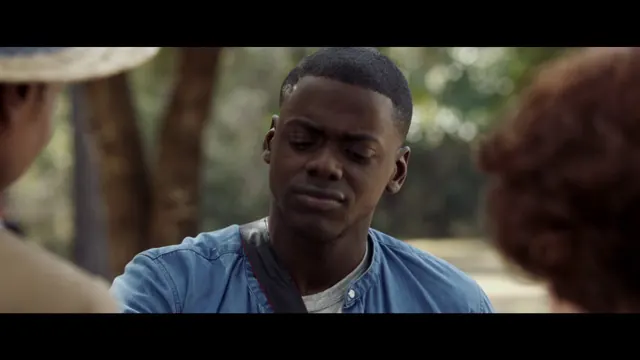 Get Out. Film to study · 2017.Dir. Jordan PeeleDoP Toby Oliver
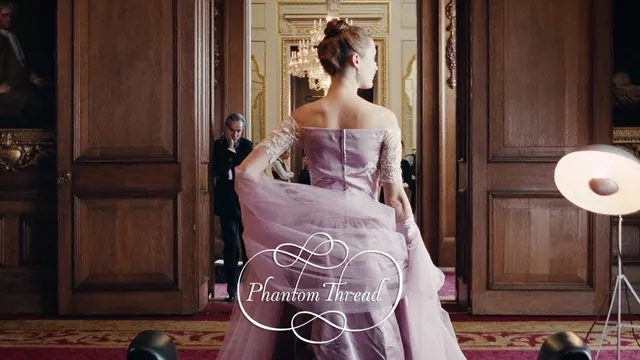 Phantom Thread. Film to study · 2017.Dir. Paul Thomas AndersonDoP Paul Thomas Anderson (uncredited)
 Aftersun. Film to study · 2022.Dir. Charlotte WellsDoP Gregory Oke
 Past Lives. Film to study · 2023.Dir. Celine SongDoP Shabier Kirchner
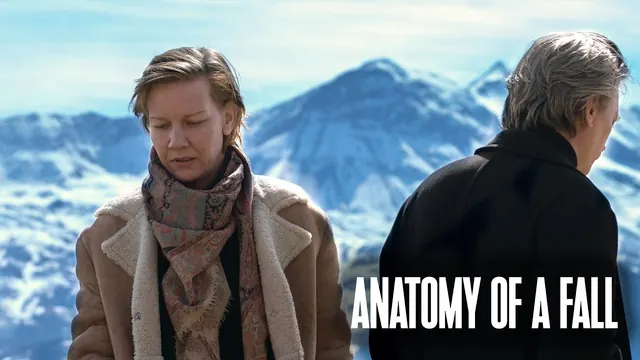 Anatomy of a Fall. Film to study · 2023.Dir. Justine TrietDoP Simon Beaufils
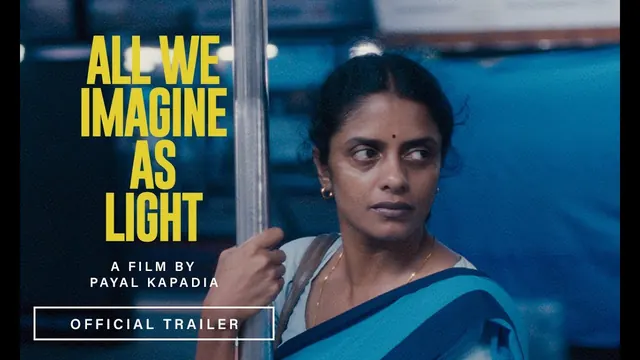 All We Imagine as Light. Film to study · 2024.Dir. Payal KapadiaDoP Ranabir Das
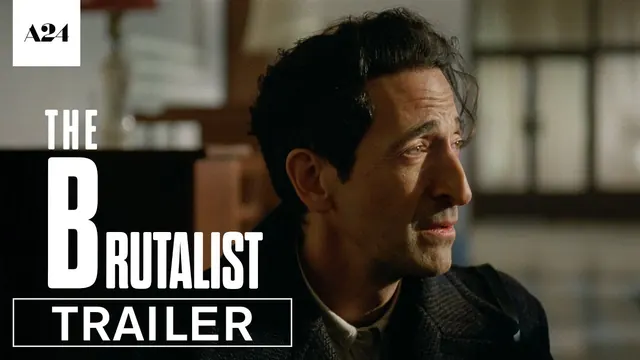 The Brutalist. Film to study · 2024.Dir. Brady CorbetDoP Lol Crawley
 Anora. Film to study · 2024.Dir. Sean BakerDoP Drew Daniels
No films match. Try another word or department.
Availability changes, so we link to BFI Player and JustWatch's UK listings rather than promise where a film is today. Many are on BFI Player: some free, most to rent or with a subscription. Trailers play from the distributor's or archive's own upload.
Every film as a list
The canon: Sight and Sound poll classics
- Jeanne Dielman, 23 quai du Commerce, 1080 Bruxelles (1975), directed by Chantal Akerman, cinematography by Babette Mangolte. Study it for: Real time and a fixed frontal camera: watch how routine, repeated exactly, builds unbearable tension. Where to watch in the UK
- Vertigo (1958), directed by Alfred Hitchcock, cinematography by Robert Burks. Study it for: The dolly-zoom and Bernard Herrmann's score: point of view and music making obsession physical. Where to watch in the UK
- Citizen Kane (1941), directed by Orson Welles, cinematography by Gregg Toland. Study it for: Deep focus: foreground, middle and background all sharp, and all telling the story. Where to watch in the UK
- Tokyo Story (1953), directed by Yasujirō Ozu, cinematography by Yūharu Atsuta. Study it for: Low static camera at seated eye level and 'pillow shots' between scenes: rhythm built from stillness. Where to watch in the UK
- In the Mood for Love (2000), directed by Wong Kar-wai, cinematography by Christopher Doyle, Mark Lee Ping-bing. Study it for: Repeated slow-motion corridors, cheongsams and framing through doorways: longing told by design and repetition. Where to watch in the UK
- 2001: A Space Odyssey (1968), directed by Stanley Kubrick, cinematography by Geoffrey Unsworth. Study it for: Front projection, models and silence: in-camera effects and music doing the work of dialogue. Where to watch in the UK
- Beau Travail (1999), directed by Claire Denis, cinematography by Agnès Godard. Study it for: Bodies in landscape: drill and dance shot as choreography, cut to rhythm not plot. Where to watch in the UK
- Mulholland Drive (2001), directed by David Lynch, cinematography by Peter Deming. Study it for: Sound design and soft light that tip a Hollywood story into dream logic; study the diner scene. Where to watch in the UK
- Man with a Movie Camera (1929), directed by Dziga Vertov, cinematography by Mikhail Kaufman. Study it for: No script, no actors: superimposition, split screen and fast cutting as a manifesto for what a camera can do. Where to watch in the UK
- Singin' in the Rain (1952), directed by Gene Kelly, Stanley Donen, cinematography by Harold Rosson. Study it for: Musical numbers staged for the camera, and a whole plot about the arrival of synchronised sound. Where to watch in the UK
- Sunrise (1927), directed by F. W. Murnau, cinematography by Charles Rosher, Karl Struss. Study it for: Moving camera and forced-perspective sets built by German craftsmen in Hollywood: silent cinema at its peak. Where to watch in the UK
- The Godfather (1972), directed by Francis Ford Coppola, cinematography by Gordon Willis. Study it for: Top-light that hides the eyes: Gordon Willis lighting darkness as a character. Where to watch in the UK
- La Règle du jeu (1939), directed by Jean Renoir, cinematography by Jean Bachelet. Study it for: Deep staging in a country house: several stories playing at once in one frame, with the camera moving between them. Where to watch in the UK
- Cléo from 5 to 7 (1962), directed by Agnès Varda, cinematography by Jean Rabier. Study it for: Near real time on Paris streets: a character study built from locations, mirrors and the passing of 90 minutes. Where to watch in the UK
- Persona (1966), directed by Ingmar Bergman, cinematography by Sven Nykvist. Study it for: Close-ups, faces merging and a film that breaks its own celluloid: Nykvist's soft single-source light. Where to watch in the UK
- The Passion of Joan of Arc (1928), directed by Carl Theodor Dreyer, cinematography by Rudolph Maté. Study it for: Almost entirely close-ups with no make-up: the human face as the whole story. Where to watch in the UK
- 8½ (1963), directed by Federico Fellini, cinematography by Gianni Di Venanzo. Study it for: A director's block turned into the film itself: dream, memory and a camera that glides through crowds. Where to watch in the UK
- Psycho (1960), directed by Alfred Hitchcock, cinematography by John L. Russell. Study it for: The shower scene: around 78 set-ups and 52 cuts in under a minute, with Herrmann's strings doing the stabbing. Where to watch in the UK
- Breathless (1960), directed by Jean-Luc Godard, cinematography by Raoul Coutard. Study it for: Handheld on the street and jump cuts: the rules of continuity broken on purpose. Where to watch in the UK
- Do the Right Thing (1989), directed by Spike Lee, cinematography by Ernest Dickerson. Study it for: Heat you can see: a palette of reds and oranges, Dutch angles and one Brooklyn block as a pressure cooker. Where to watch in the UK
British cinema essentials
- Brief Encounter (1945), directed by David Lean, cinematography by Robert Krasker. Study it for: Intimacy on a railway platform: voiceover, steam and a framing that never lets the lovers be alone. Where to watch in the UK
- A Matter of Life and Death (1946), directed by Michael Powell, Emeric Pressburger, cinematography by Jack Cardiff. Study it for: Heaven in monochrome, Earth in Technicolor: colour as a storytelling switch, plus the famous stairway set. Where to watch in the UK
- Black Narcissus (1947), directed by Michael Powell, Emeric Pressburger, cinematography by Jack Cardiff. Study it for: Technicolor and studio-built mountains: colour and painted backings doing the work of location. Where to watch in the UK
- The Red Shoes (1948), directed by Michael Powell, Emeric Pressburger, cinematography by Jack Cardiff. Study it for: The 17-minute ballet: production design, colour and editing turning a stage piece into pure cinema. Where to watch in the UK
- Kind Hearts and Coronets (1949), directed by Robert Hamer, cinematography by Douglas Slocombe. Study it for: One actor, eight roles: Alec Guinness, split-screen work and a voiceover that carries the wit. Where to watch in the UK
- The Third Man (1949), directed by Carol Reed, cinematography by Robert Krasker. Study it for: Tilted frames, wet cobbles and hard night light: mood built by the camera and the gaffer. Where to watch in the UK
- Lawrence of Arabia (1962), directed by David Lean, cinematography by Freddie Young. Study it for: Scale on 65mm: the match cut from match to desert sunrise, and figures emerging from heat haze. Where to watch in the UK
- Peeping Tom (1960), directed by Michael Powell, cinematography by Otto Heller. Study it for: A film about looking: the camera as weapon and the audience made complicit. Where to watch in the UK
- Saturday Night and Sunday Morning (1960), directed by Karel Reisz, cinematography by Freddie Francis. Study it for: Nottingham factories and terraces: the British New Wave putting working lives on screen. Where to watch in the UK
- Don't Look Now (1973), directed by Nicolas Roeg, cinematography by Anthony B. Richmond. Study it for: Associative editing and the colour red: Venice as a maze of omens cut out of time order. Where to watch in the UK
- Get Carter (1971), directed by Mike Hodges, cinematography by Wolfgang Suschitzky. Study it for: Newcastle and Gateshead as character: location photography that makes the North the film's mood. Where to watch in the UK
- Babylon (1980), directed by Franco Rosso, cinematography by Chris Menges. Study it for: Sound-system culture in south London: music, Menges' handheld camera and real locations. Where to watch in the UK
- The Long Good Friday (1980), directed by John Mackenzie, cinematography by Phil Meheux. Study it for: A gangster film about London changing: watch the final, wordless close-up on Bob Hoskins. Where to watch in the UK
- Withnail and I (1987), directed by Bruce Robinson, cinematography by Peter Hannan. Study it for: Dialogue, damp and decay: script and design carrying a comedy of two lost actors. Where to watch in the UK
- Distant Voices, Still Lives (1988), directed by Terence Davies, cinematography by William Diver, Patrick Duval. Study it for: Memory composed as tableaux: song, static frames and slow tracking shots instead of plot. Where to watch in the UK
- Trainspotting (1996), directed by Danny Boyle, cinematography by Brian Tufano. Study it for: Energy from cutting, music and wide lenses: a low budget turned into style. Where to watch in the UK
- Secrets & Lies (1996), directed by Mike Leigh, cinematography by Dick Pope. Study it for: Improvised, rehearsed character work; study the long café two-shot held without a cut. Where to watch in the UK
- Ratcatcher (1999), directed by Lynne Ramsay, cinematography by Alwin Küchler. Study it for: Glasgow in a bin strike seen at a child's height: poetry found in a grim place. Where to watch in the UK
International cinema: Europe
- Bicycle Thieves (1948), directed by Vittorio De Sica, cinematography by Carlo Montuori. Study it for: Neorealism: real streets, non-professional actors and a story carried by faces. Where to watch in the UK
- The Seventh Seal (1957), directed by Ingmar Bergman, cinematography by Gunnar Fischer. Study it for: Iconic compositions on a tiny budget: the chess game with Death and the silhouette dance on the hill. Where to watch in the UK
- Ashes and Diamonds (1958), directed by Andrzej Wajda, cinematography by Jerzy Wójcik. Study it for: Expressive deep-focus black and white, and a death scene among hanging sheets. Where to watch in the UK
- The 400 Blows (1959), directed by François Truffaut, cinematography by Henri Decaë. Study it for: The New Wave's first great film: location shooting and a final tracking shot to the sea and a freeze frame. Where to watch in the UK
- L'Avventura (1960), directed by Michelangelo Antonioni, cinematography by Aldo Scavarda. Study it for: Characters placed small in landscape and architecture: framing that shows emptiness and absence. Where to watch in the UK
- The Spirit of the Beehive (1973), directed by Víctor Erice, cinematography by Luis Cuadrado. Study it for: Honey-coloured light through hexagonal windows: a child's view of post-war Spain told through images. Where to watch in the UK
- Ali: Fear Eats the Soul (1974), directed by Rainer Werner Fassbinder, cinematography by Jürgen Jürges. Study it for: Frames within frames: doorways and stairwells trapping a couple the world won't accept. Where to watch in the UK
- Wings of Desire (1987), directed by Wim Wenders, cinematography by Henri Alekan. Study it for: Black-and-white for the angels, colour for humans; inner voices layered as sound design. Where to watch in the UK
- Three Colours: Blue (1993), directed by Krzysztof Kieślowski, cinematography by Sławomir Idziak. Study it for: A colour as an emotional system: blue filters, fades to black and a score that interrupts. Where to watch in the UK
- La Haine (1995), directed by Mathieu Kassovitz, cinematography by Pierre Aïm. Study it for: Black-and-white banlieue, a famous vertigo shot and a DJ's sound mix across the estate. Where to watch in the UK
- Rosetta (1999), directed by Jean-Pierre Dardenne, Luc Dardenne, cinematography by Alain Marcoen. Study it for: Handheld behind the shoulder: a camera that never leaves its character, and no score. Where to watch in the UK
- All About My Mother (1999), directed by Pedro Almodóvar, cinematography by Affonso Beato. Study it for: Saturated colour, melodrama and production design that hold strong feeling. Where to watch in the UK
- 4 Months, 3 Weeks and 2 Days (2007), directed by Cristian Mungiu, cinematography by Oleg Mutu. Study it for: Long single takes with action off-frame: what you can't see made unbearable. Where to watch in the UK
- Portrait of a Lady on Fire (2019), directed by Céline Sciamma, cinematography by Claire Mathon. Study it for: The gaze made visible: candlelit interiors, costume colour and almost no music. Where to watch in the UK
International cinema: Asia
- Rashomon (1950), directed by Akira Kurosawa, cinematography by Kazuo Miyagawa. Study it for: One event, four accounts: shooting straight into the sun and a structure built on unreliable witnesses. Where to watch in the UK
- Ugetsu (1953), directed by Kenji Mizoguchi, cinematography by Kazuo Miyagawa. Study it for: Long crane takes and the lake crossing in mist: the camera gliding between the real and the ghostly. Where to watch in the UK
- Seven Samurai (1954), directed by Akira Kurosawa, cinematography by Asakazu Nakai. Study it for: Multiple cameras, telephoto lenses and weather: action you can follow, cut for geography. Where to watch in the UK
- Pather Panchali (1955), directed by Satyajit Ray, cinematography by Subrata Mitra. Study it for: A first-time crew on location: natural light, real villages and the train sequence. Where to watch in the UK
- Charulata (1964), directed by Satyajit Ray, cinematography by Subrata Mitra. Study it for: Bounce lighting pioneered by Subrata Mitra: soft, believable interior light that changed world cinematography. Where to watch in the UK
- A Touch of Zen (1971), directed by King Hu, cinematography by Hua Hui-ying. Study it for: The bamboo forest fight: wire work and cutting that made the modern martial-arts sequence. Where to watch in the UK
- A City of Sadness (1989), directed by Hou Hsiao-hsien, cinematography by Chen Huai-en. Study it for: History seen from a distance: long static takes and rooms with people half off-frame. Where to watch in the UK
- Raise the Red Lantern (1991), directed by Zhang Yimou, cinematography by Zhao Fei. Study it for: Symmetry and colour as power: a courtyard and its lanterns as a system of control. Where to watch in the UK
- Chungking Express (1994), directed by Wong Kar-wai, cinematography by Christopher Doyle, Andrew Lau. Study it for: Step-printing and handheld on the run: a guerrilla shoot that became a style. Where to watch in the UK
- Yi Yi (2000), directed by Edward Yang, cinematography by Yang Wei-han. Study it for: A whole family's life told in reflections and glass: Taipei city frames layered over private scenes. Where to watch in the UK
- Spirited Away (2001), directed by Hayao Miyazaki, cinematography by Atsushi Okui. Study it for: Hand-drawn world-building: quiet 'ma' pauses between the action, and design detail in every background. Where to watch in the UK
- Uncle Boonmee Who Can Recall His Past Lives (2010), directed by Apichatpong Weerasethakul, cinematography by Sayombhu Mukdeeprom, Yukontorn Mingmongkon, Charin Pengpanich. Study it for: Night jungle shot on 16mm and the sound of insects: a slow cinema of spirits and memory. Where to watch in the UK
- Burning (2018), directed by Lee Chang-dong, cinematography by Hong Kyung-pyo. Study it for: The dusk dance: shooting in the last light to make a mystery feel like a dream. Where to watch in the UK
- Parasite (2019), directed by Bong Joon-ho, cinematography by Hong Kyung-pyo. Study it for: Vertical design: stairs, levels and a built house that maps class onto space. Where to watch in the UK
- Drive My Car (2021), directed by Ryusuke Hamaguchi, cinematography by Hidetoshi Shinomiya. Study it for: Rehearsal as story: long car conversations shot simply, and a 40-minute opening before the titles. Where to watch in the UK
International cinema: Latin America
- Los Olvidados (1950), directed by Luis Buñuel, cinematography by Gabriel Figueroa. Study it for: Mexico City slums with Figueroa's hard light: social realism broken by one surreal dream sequence. Where to watch in the UK
- Black God, White Devil (1964), directed by Glauber Rocha, cinematography by Waldemar Lima. Study it for: Cinema Novo: 'an idea in the head and a camera in the hand', overexposed sertão light and handheld. Where to watch in the UK
- Memories of Underdevelopment (1968), directed by Tomás Gutiérrez Alea, cinematography by Ramón F. Suárez. Study it for: Fiction cut with documentary and newsreel: an essay film inside a character study. Where to watch in the UK
- Central Station (1998), directed by Walter Salles, cinematography by Walter Carvalho. Study it for: A road film across Brazil: warm natural light and non-professional faces along the way. Where to watch in the UK
- Amores perros (2000), directed by Alejandro G. Iñárritu, cinematography by Rodrigo Prieto. Study it for: Three stories joined by one car crash: bleach-bypass grade and a structure that loops in time. Where to watch in the UK
- Y tu mamá también (2001), directed by Alfonso Cuarón, cinematography by Emmanuel Lubezki. Study it for: Long handheld takes where the sound drops out for a narrator who tells us what the camera passes. Where to watch in the UK
- La Ciénaga (2001), directed by Lucrecia Martel, cinematography by Hugo Colace. Study it for: Off-screen sound and crowded close framing: dread built in a family's sticky summer. Where to watch in the UK
- City of God (2002), directed by Fernando Meirelles, Kátia Lund, cinematography by César Charlone. Study it for: Non-professional young cast, three film looks for three decades, and fast, story-driven editing. Where to watch in the UK
- The Secret in Their Eyes (2009), directed by Juan José Campanella, cinematography by Félix Monti. Study it for: The football-stadium oner: a single shot (helped by VFX) that flies from the air into the crowd. Where to watch in the UK
- Embrace of the Serpent (2015), directed by Ciro Guerra, cinematography by David Gallego. Study it for: Amazon in black and white: two timelines and an Indigenous point of view on the colonial river story. Where to watch in the UK
- Roma (2018), directed by Alfonso Cuarón, cinematography by Alfonso Cuarón. Study it for: 65mm digital black and white, slow lateral pans and Atmos sound filling the frame. Where to watch in the UK
- Bacurau (2019), directed by Kleber Mendonça Filho, Juliano Dornelles, cinematography by Pedro Sotero. Study it for: Genre mash-up with split diopters and wipes: a western used to talk about politics. Where to watch in the UK
International cinema: Africa and the Middle East
- Cairo Station (1958), directed by Youssef Chahine, cinematography by Alevise Orfanelli. Study it for: A whole station as a world: noir lighting and a director playing his own lead. Where to watch in the UK
- Black Girl (1966), directed by Ousmane Sembène, cinematography by Christian Lacoste. Study it for: The first sub-Saharan African feature: interior voiceover against a silent, confined world. Where to watch in the UK
- The Battle of Algiers (1966), directed by Gillo Pontecorvo, cinematography by Marcello Gatti. Study it for: Newsreel style with crowds of non-actors: staged history that looks like documentary. Where to watch in the UK
- The Cow (1969), directed by Dariush Mehrjui, cinematography by Fereydoun Ghovanlou. Study it for: The start of the Iranian New Wave: a village parable in stark black and white. Where to watch in the UK
- Touki Bouki (1973), directed by Djibril Diop Mambéty, cinematography by Georges Bracher. Study it for: Collage editing and a soundtrack of Josephine Baker: Dakar dreams of Paris. Where to watch in the UK
- Yeelen (1987), directed by Souleymane Cissé, cinematography by Jean-Noël Ferragut, Jean-Michel Humeau. Study it for: Myth shot in blazing natural light: magic told through landscape rather than effects. Where to watch in the UK
- Close-Up (1990), directed by Abbas Kiarostami, cinematography by Ali Reza Zarrindast. Study it for: Real people re-enacting their own story: the line between documentary and fiction, and a famous broken sound recording. Where to watch in the UK
- Taste of Cherry (1997), directed by Abbas Kiarostami, cinematography by Homayun Payvar. Study it for: A film shot mostly in a car, actors filmed separately: minimal means, maximum attention. Where to watch in the UK
- Divine Intervention (2002), directed by Elia Suleiman, cinematography by Marc-André Batigne. Study it for: Static deadpan frames and repetition: comedy as a way to show a checkpoint. Where to watch in the UK
- A Separation (2011), directed by Asghar Farhadi, cinematography by Mahmoud Kalari. Study it for: Withholding information: the key moment happens off-screen, and the whole drama turns on it. Where to watch in the UK
- Wadjda (2012), directed by Haifaa al-Mansour, cinematography by Lutz Reitemeier. Study it for: The first feature shot entirely in Saudi Arabia: a director working from a van to direct the street scenes. Where to watch in the UK
- Timbuktu (2014), directed by Abderrahmane Sissako, cinematography by Sofian El Fani. Study it for: The football match without a ball: an image that says everything about resistance. Where to watch in the UK
- Capernaum (2018), directed by Nadine Labaki, cinematography by Christopher Aoun. Study it for: Non-actors playing close to their own lives: months of shooting and a camera at a child's height. Where to watch in the UK
- This Is Not a Burial, It's a Resurrection (2019), directed by Lemohang Jeremiah Mosese, cinematography by Pierre de Villiers. Study it for: Painterly square-framed landscapes and colour: a grief story told in tableaux. Where to watch in the UK
- Atlantics (2019), directed by Mati Diop, cinematography by Claire Mathon. Study it for: Dakar's ocean and night light: a ghost story with documentary roots. Where to watch in the UK
Cinematography masterclasses
- The Night of the Hunter (1955), directed by Charles Laughton, cinematography by Stanley Cortez. Study it for: Expressionist light in an American fairy tale: the river drift and the silhouette on the bedroom wall. Where to watch in the UK
- Touch of Evil (1958), directed by Orson Welles, cinematography by Russell Metty. Study it for: The three-minute opening crane shot: blocking, timing and a bomb in a boot. Where to watch in the UK
- The Conformist (1970), directed by Bernardo Bertolucci, cinematography by Vittorio Storaro. Study it for: Storaro's light and shadow as politics: architecture and blinds slicing the frame. Where to watch in the UK
- Barry Lyndon (1975), directed by Stanley Kubrick, cinematography by John Alcott. Study it for: Candlelight only: f/0.7 lenses designed for NASA, and painterly zooms out from detail. Where to watch in the UK
- Days of Heaven (1978), directed by Terrence Malick, cinematography by Néstor Almendros, Haskell Wexler. Study it for: Magic hour: shooting almost entirely in the last minutes of daylight. Where to watch in the UK
- Paris, Texas (1984), directed by Wim Wenders, cinematography by Robby Müller. Study it for: Desert colour and mixed light: neon, fluorescent and sky colours left uncorrected. Where to watch in the UK
- Daughters of the Dust (1991), directed by Julie Dash, cinematography by Arthur Jafa. Study it for: Light on dark skin done right: Arthur Jafa's photography of a Gullah family on the Sea Islands. Where to watch in the UK
- Hero (2002), directed by Zhang Yimou, cinematography by Christopher Doyle. Study it for: Each version of the story gets its own colour: red, blue, white and green as narrative chapters. Where to watch in the UK
- Children of Men (2006), directed by Alfonso Cuarón, cinematography by Emmanuel Lubezki. Study it for: The car-ambush oner: a rig built into the car, actors timed to the inch, and long takes hiding cuts. Where to watch in the UK
- No Country for Old Men (2007), directed by Joel Coen, Ethan Coen, cinematography by Roger Deakins. Study it for: Silence and darkness: the motel scene lit from a doorway, with almost no music in the film. Where to watch in the UK
- There Will Be Blood (2007), directed by Paul Thomas Anderson, cinematography by Robert Elswit. Study it for: The oil-derrick fire at night: anamorphic scale and a jarring score by Jonny Greenwood. Where to watch in the UK
- The Tree of Life (2011), directed by Terrence Malick, cinematography by Emmanuel Lubezki. Study it for: Natural light rules and a camera that roams like memory; practical cosmic effects by Douglas Trumbull. Where to watch in the UK
- Skyfall (2012), directed by Sam Mendes, cinematography by Roger Deakins. Study it for: The Shanghai glass-tower fight: silhouettes against moving digital billboards. Where to watch in the UK
- Under the Skin (2013), directed by Jonathan Glazer, cinematography by Daniel Landin. Study it for: Hidden cameras on Glasgow streets beside an abstract black void: two ways of seeing in one film. Where to watch in the UK
- Sicario (2015), directed by Denis Villeneuve, cinematography by Roger Deakins. Study it for: The border-crossing traffic jam and night-vision tunnel: tension built from point of view. Where to watch in the UK
- Moonlight (2016), directed by Barry Jenkins, cinematography by James Laxton. Study it for: Skin tones and colour: a three-part portrait, lit and graded with care for Black skin. Where to watch in the UK
- 1917 (2019), directed by Sam Mendes, cinematography by Roger Deakins. Study it for: Designed to look like one take: rehearsal, hidden cuts and a camera handed between rigs. Where to watch in the UK
Editing and sound landmarks
- Battleship Potemkin (1925), directed by Sergei Eisenstein, cinematography by Eduard Tisse. Study it for: The Odessa Steps: montage as collision, time stretched by cutting. Where to watch in the UK
- Jaws (1975), directed by Steven Spielberg, cinematography by Bill Butler. Study it for: Verna Fields' cutting and John Williams' two notes: a shark you barely see. Where to watch in the UK
- The Conversation (1974), directed by Francis Ford Coppola, cinematography by Bill Butler. Study it for: A film about a sound recordist, with Walter Murch reshaping one tape as the mystery. Where to watch in the UK
- Eraserhead (1977), directed by David Lynch, cinematography by Frederick Elmes, Herbert Cardwell. Study it for: Alan Splet's industrial drones: a soundtrack that never lets you relax. Where to watch in the UK
- Apocalypse Now (1979), directed by Francis Ford Coppola, cinematography by Vittorio Storaro. Study it for: Walter Murch's surround mix: the helicopter-to-ceiling-fan opening, the birth of 'sound designer'. Where to watch in the UK
- Raging Bull (1980), directed by Martin Scorsese, cinematography by Michael Chapman. Study it for: Thelma Schoonmaker's fight cutting and animal sounds mixed into punches. Where to watch in the UK
- Blow Out (1981), directed by Brian De Palma, cinematography by Vilmos Zsigmond. Study it for: A sound man who records a crime: split diopters and the reconstruction of a clip from audio. Where to watch in the UK
- Pulp Fiction (1994), directed by Quentin Tarantino, cinematography by Andrzej Sekuła. Study it for: Sally Menke's editing of an out-of-order story, and needle-drops that define scenes. Where to watch in the UK
- Run Lola Run (1998), directed by Tom Tykwer, cinematography by Frank Griebe. Study it for: Three runs, three outcomes: techno tempo, animation and stills cut into one high-speed structure. Where to watch in the UK
- Memento (2000), directed by Christopher Nolan, cinematography by Wally Pfister. Study it for: Colour scenes backwards, black-and-white forwards: an edit that puts you in the hero's memory loss. Where to watch in the UK
- Berberian Sound Studio (2012), directed by Peter Strickland, cinematography by Nicholas D. Knowland. Study it for: Foley for a horror film you never see: vegetables, knives and the craft of the mix as the story. Where to watch in the UK
- Whiplash (2014), directed by Damien Chazelle, cinematography by Sharone Meir. Study it for: Cutting to the beat: Tom Cross's editing makes drumming feel like combat. Where to watch in the UK
- Baby Driver (2017), directed by Edgar Wright, cinematography by Bill Pope. Study it for: Action choreographed to a playlist: every gunshot and gear change on the beat. Where to watch in the UK
- Sound of Metal (2019), directed by Darius Marder, cinematography by Daniël Bouquet. Study it for: Point-of-view hearing loss: Nicolas Becker's sound puts you inside the drummer's head. Where to watch in the UK
- The Zone of Interest (2023), directed by Jonathan Glazer, cinematography by Łukasz Żal. Study it for: Horror you only hear: Johnnie Burn's off-screen soundscape against a calm domestic image. Where to watch in the UK
Social realism: in the tradition of Loach, Meadows and McQueen
- Kes (1969), directed by Ken Loach, cinematography by Chris Menges. Study it for: Natural light, real Barnsley locations and non-professional actors: the template for British social realism. Where to watch in the UK
- My Beautiful Laundrette (1985), directed by Stephen Frears, cinematography by Oliver Stapleton. Study it for: Made for Channel 4 on 16mm: Thatcher's London through a British-Pakistani family and a love story. Where to watch in the UK
- Riff-Raff (1991), directed by Ken Loach, cinematography by Barry Ackroyd. Study it for: A building site cast with people who had worked on them: improvised scenes on real locations. Where to watch in the UK
- Naked (1993), directed by Mike Leigh, cinematography by Dick Pope. Study it for: Bleach-bypass night London: a long improvised character study in cold colour. Where to watch in the UK
- Nil by Mouth (1997), directed by Gary Oldman, cinematography by Ron Fortunato. Study it for: Long-lens handheld close-ups in a south London flat: an actor-director's eye for truth on screen. Where to watch in the UK
- Sweet Sixteen (2002), directed by Ken Loach, cinematography by Barry Ackroyd. Study it for: Shot in sequence so young actors don't know what's coming; Inverclyde as a hard, beautiful backdrop. Where to watch in the UK
- Bullet Boy (2004), directed by Saul Dibb, cinematography by Marcel Zyskind. Study it for: Hackney estates and a first-time lead: a documentary eye in a drama. Where to watch in the UK
- Dead Man's Shoes (2004), directed by Shane Meadows, cinematography by Danny Cohen. Study it for: Shot in a few weeks on a tiny budget: grainy black-and-white flashbacks and Peak District landscapes. Where to watch in the UK
- This Is England (2006), directed by Shane Meadows, cinematography by Danny Cohen. Study it for: Newsreel montage that opens the film and a period recreated with care, from boots to haircuts. Where to watch in the UK
- Hunger (2008), directed by Steve McQueen, cinematography by Sean Bobbitt. Study it for: The 17-minute single-take conversation: one static shot, two men and an argument. Where to watch in the UK
- Fish Tank (2009), directed by Andrea Arnold, cinematography by Robbie Ryan. Study it for: Square 4:3 frame and handheld close on the lead: a world as tight as the character's choices. Where to watch in the UK
- The Selfish Giant (2013), directed by Clio Barnard, cinematography by Mike Eley. Study it for: Bradford scrapyards and pylons in fog: social realism with the light of a fairy tale. Where to watch in the UK
- I, Daniel Blake (2016), directed by Ken Loach, cinematography by Robbie Ryan. Study it for: The food-bank scene: unhurried, unforced and devastating. Where to watch in the UK
- God's Own Country (2017), directed by Francis Lee, cinematography by Joshua James Richards. Study it for: A Yorkshire hill farm: actors working the land for real before the shoot. Where to watch in the UK
- Rocks (2019), directed by Sarah Gavron, cinematography by Hélène Louvart. Study it for: A young cast co-creating their story through workshops: casting and process as the craft. Where to watch in the UK
- Small Axe: Lovers Rock (2020), directed by Steve McQueen, cinematography by Shabier Kirchner. Study it for: The 'Silly Games' sequence: a house party where the song carries on after the music stops. Where to watch in the UK
- How to Have Sex (2023), directed by Molly Manning Walker, cinematography by Nicolas Canniccioni. Study it for: A DoP-turned-director's debut: club light, real crowds and sound that drowns out consent. Where to watch in the UK
Documentary essentials
- Nanook of the North (1922), directed by Robert J. Flaherty, cinematography by Robert J. Flaherty. Study it for: The first feature documentary and its staged scenes: where 'documentary' and 'direction' first met. Where to watch in the UK
- Chronicle of a Summer (1961), directed by Jean Rouch, Edgar Morin, cinematography by Raoul Coutard, Roger Morillère, Jean-Jacques Tarbès, Michel Brault. Study it for: Cinéma vérité begins: portable synch sound and asking people on the street 'Are you happy?' Where to watch in the UK
- Salesman (1969), directed by Albert Maysles, David Maysles, Charlotte Zwerin, cinematography by Albert Maysles. Study it for: Direct cinema: no narration, no interviews, just the camera following Bible salesmen. Where to watch in the UK
- Grey Gardens (1975), directed by Albert Maysles, David Maysles, Ellen Hovde, Muffie Meyer, cinematography by Albert Maysles. Study it for: Two women and a crumbling house: the trust and closeness of observational shooting. Where to watch in the UK
- Harlan County, USA (1976), directed by Barbara Kopple, cinematography by Hart Perry, Kevin Keating. Study it for: Filming a miners' strike while under threat: the crew becomes part of the story. Where to watch in the UK
- Sans Soleil (1983), directed by Chris Marker, cinematography by Chris Marker. Study it for: The essay film: images from Tokyo to Guinea-Bissau held together by a letter-writer's voice. Where to watch in the UK
- Shoah (1985), directed by Claude Lanzmann, cinematography by Dominique Chapuis, Jimmy Glasberg, William Lubtchansky. Study it for: No archive footage: memory built from interviews and the places as they are now. Where to watch in the UK
- Handsworth Songs (1986), directed by John Akomfrah. Study it for: Archive, music and new footage collaged by the Black Audio Film Collective around the 1985 riots. Where to watch in the UK
- The Thin Blue Line (1988), directed by Errol Morris, cinematography by Stefan Czapsky, Robert Chappell. Study it for: Stylised re-enactments and a Philip Glass score: a documentary that helped free an innocent man. Where to watch in the UK
- Hoop Dreams (1994), directed by Steve James, cinematography by Peter Gilbert. Study it for: Five years following two teenage players: commitment and access as craft. Where to watch in the UK
- Nostalgia for the Light (2010), directed by Patricio Guzmán, cinematography by Katell Djian. Study it for: Astronomers and searching mothers in the Atacama: an essay that links the stars to the disappeared. Where to watch in the UK
- The Act of Killing (2012), directed by Joshua Oppenheimer, cinematography by Carlos Arango de Montis, Lars Skree. Study it for: Perpetrators staging their own crimes as genre film: an ethically fraught method worth debating. Where to watch in the UK
- Stories We Tell (2012), directed by Sarah Polley, cinematography by Iris Ng. Study it for: Super 8 home films that turn out to be reconstructions: questioning what archive is. Where to watch in the UK
- Amy (2015), directed by Asif Kapadia, cinematography by Matt Curtis. Study it for: No talking heads on screen: archive and audio interviews cut together into a life. Where to watch in the UK
- Cameraperson (2016), directed by Kirsten Johnson, cinematography by Kirsten Johnson. Study it for: A DoP's outtakes from 25 years of shoots: the ethics of who holds the camera. Where to watch in the UK
- For Sama (2019), directed by Waad al-Kateab, Edward Watts, cinematography by Waad al-Kateab. Study it for: A mother filming the siege of Aleppo for her daughter: first-person footage shaped in the edit. Where to watch in the UK
Short films to study
- A Trip to the Moon (1902), directed by Georges Méliès, cinematography by Georges Méliès. Study it for: Stop tricks, painted sets and the rocket in the moon's eye: the birth of special effects. Where to watch in the UK
- Un Chien Andalou (1929), directed by Luis Buñuel, cinematography by Albert Duverger. Study it for: Surrealism in 16 minutes: dream logic and the shock cut. Where to watch in the UK
- Night Mail (1936), directed by Harry Watt, Basil Wright, cinematography by Jonah Jones, H. E. Fowle. Study it for: GPO Film Unit: Auden's verse cut to the rhythm of the train and Britten's score. Where to watch in the UK
- Listen to Britain (1942), directed by Humphrey Jennings, Stewart McAllister, cinematography by Chick Fowle. Study it for: Wartime Britain told without narration: sounds and images edited like music. Where to watch in the UK
- Meshes of the Afternoon (1943), directed by Maya Deren, Alexander Hammid, cinematography by Alexander Hammid. Study it for: An experimental landmark made at home: match cuts on movement and a dream loop. Where to watch in the UK
- Night and Fog (1956), directed by Alain Resnais, cinematography by Ghislain Cloquet, Sacha Vierny. Study it for: Colour present-day tracking shots set against black-and-white archive: memory as editing. Where to watch in the UK
- The Red Balloon (1956), directed by Albert Lamorisse, cinematography by Edmond Séchan. Study it for: A story with almost no words: colour, location and a balloon as a character. Where to watch in the UK
- La Jetée (1962), directed by Chris Marker, cinematography by Jean Chiabaut. Study it for: A science-fiction film told almost entirely in still photographs, with one moment of movement. Where to watch in the UK
- Gasman (1998), directed by Lynne Ramsay, cinematography by Alwin Küchler. Study it for: A family secret seen at a child's eye level: a short that won at Cannes. Where to watch in the UK
- Wasp (2003), directed by Andrea Arnold, cinematography by Robbie Ryan. Study it for: Dartford, handheld, tight on a young mother: the Oscar-winning short that launched Arnold. Where to watch in the UK
- Six Shooter (2004), directed by Martin McDonagh, cinematography by Baz Irvine. Study it for: Dark comedy on a train in 27 minutes: what a strong script does in short form. Where to watch in the UK
- Pumzi (2009), directed by Wanuri Kahiu. Study it for: African science fiction on a small budget: design and VFX building a world in 21 minutes. Where to watch in the UK
- The Silent Child (2017), directed by Chris Overton. Study it for: Oscar-winning British short about a deaf child: sound design and BSL at the heart of the story. Where to watch in the UK
- Hair Love (2019), directed by Matthew A. Cherry. Study it for: A crowdfunded animated short about Black hair: a whole emotional arc in seven minutes, without dialogue. Where to watch in the UK
Modern classics (2000 to 2025)
- Lost in Translation (2003), directed by Sofia Coppola, cinematography by Lance Acord. Study it for: Tokyo shot guerrilla style with available light: loneliness in neon and hotel windows. Where to watch in the UK
- Eternal Sunshine of the Spotless Mind (2004), directed by Michel Gondry, cinematography by Ellen Kuras. Study it for: In-camera tricks instead of CGI: sets that collapse and lights that go out as memories vanish. Where to watch in the UK
- The Lives of Others (2006), directed by Florian Henckel von Donnersmarck, cinematography by Hagen Bogdanski. Study it for: East German surveillance: a desaturated palette and a listener in headphones as the story. Where to watch in the UK
- Let the Right One In (2008), directed by Tomas Alfredson, cinematography by Hoyte van Hoytema. Study it for: Snow, distance and soft focus: the swimming-pool scene seen from underwater. Where to watch in the UK
- 12 Years a Slave (2013), directed by Steve McQueen, cinematography by Sean Bobbitt. Study it for: The hanging scene held in a long, still take while life carries on behind: refusing to look away. Where to watch in the UK
- Boyhood (2014), directed by Richard Linklater, cinematography by Lee Daniel, Shane F. Kelly. Study it for: Shot a few days a year across 12 years: time itself as a production method. Where to watch in the UK
- Toni Erdmann (2016), directed by Maren Ade, cinematography by Patrick Orth. Study it for: Long, unhurried comedy built on awkwardness: performance and timing over coverage. Where to watch in the UK
- Get Out (2017), directed by Jordan Peele, cinematography by Toby Oliver. Study it for: Genre as social comment: the Sunken Place, sound design and a script with every clue planted. Where to watch in the UK
- Phantom Thread (2017), directed by Paul Thomas Anderson, cinematography by Paul Thomas Anderson (uncredited). Study it for: Costume as character in 1950s London fashion, shot on film with a camera crew but no credited DoP. Where to watch in the UK
- Aftersun (2022), directed by Charlotte Wells, cinematography by Gregory Oke. Study it for: Miniature DV footage and strobe light: memory edited as fragments, a father seen by a grown daughter. Where to watch in the UK
- Past Lives (2023), directed by Celine Song, cinematography by Shabier Kirchner. Study it for: Shot on 35mm with space between people in the frame: 24 years in three meetings. Where to watch in the UK
- Anatomy of a Fall (2023), directed by Justine Triet, cinematography by Simon Beaufils. Study it for: A courtroom drama where sound (and a steel drum cover of 'P.I.M.P.') becomes evidence. Where to watch in the UK
- All We Imagine as Light (2024), directed by Payal Kapadia, cinematography by Ranabir Das. Study it for: Mumbai at night in the monsoon: documentary observation and blue light becoming poetry. Where to watch in the UK
- The Brutalist (2024), directed by Brady Corbet, cinematography by Lol Crawley. Study it for: Shot in VistaVision: an old large-format system revived for architecture and scale on an indie budget. Where to watch in the UK
- Anora (2024), directed by Sean Baker, cinematography by Drew Daniels. Study it for: A small crew shooting on 35mm in real Brooklyn and Las Vegas locations: independent scale, big energy. Where to watch in the UK
Last reviewed 12 November 2026