

Learn · Essay · In the tradition of
In the tradition of British social realism.
Real places, ordinary lives, small crews and, often, film. Our social impact work stands in a tradition British filmmakers built.
A note on this page
We work in the tradition of these filmmakers. We claim no connection to them, and nothing here implies their endorsement or involvement. Clips are BFI, Panavision and BAFTA films on their own channels, used for comment and credited.
The lineage
1956
Free Cinema: short films about ordinary lives, shown at the National Film Theatre by Lindsay Anderson, Karel Reisz, Tony Richardson and Lorenza Mazzetti
1960
The British New Wave: Saturday Night and Sunday Morning, kitchen-sink drama on real streets
1966
Ken Loach's Cathy Come Home on the BBC
1969
Kes: a Barnsley story with a largely non-professional cast, shot by Chris Menges
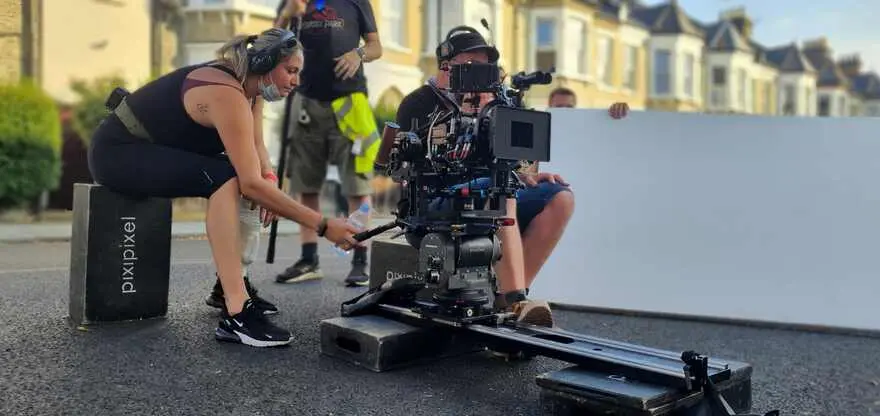
1997
Shane Meadows's TwentyFourSeven
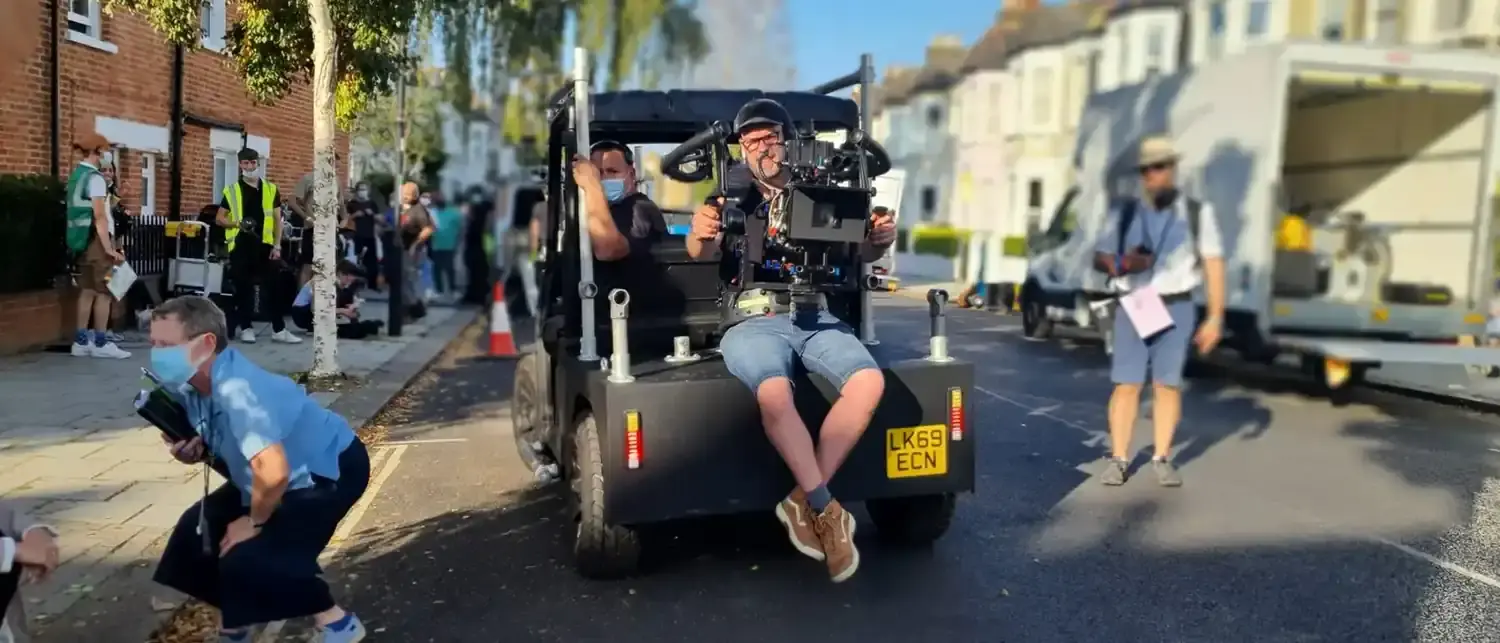
2004
Dead Man's Shoes, Shane Meadows
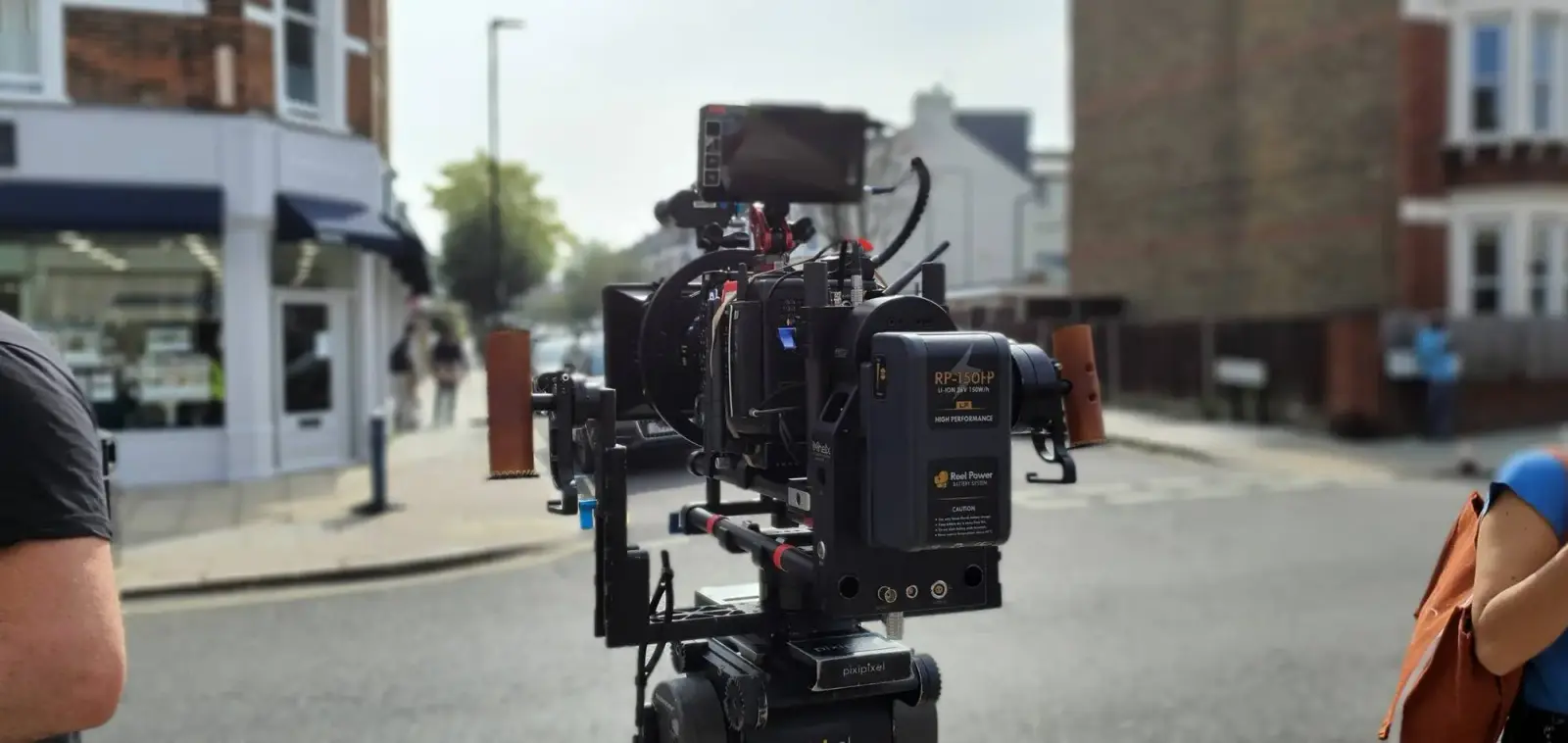
2008
Steve McQueen's Hunger
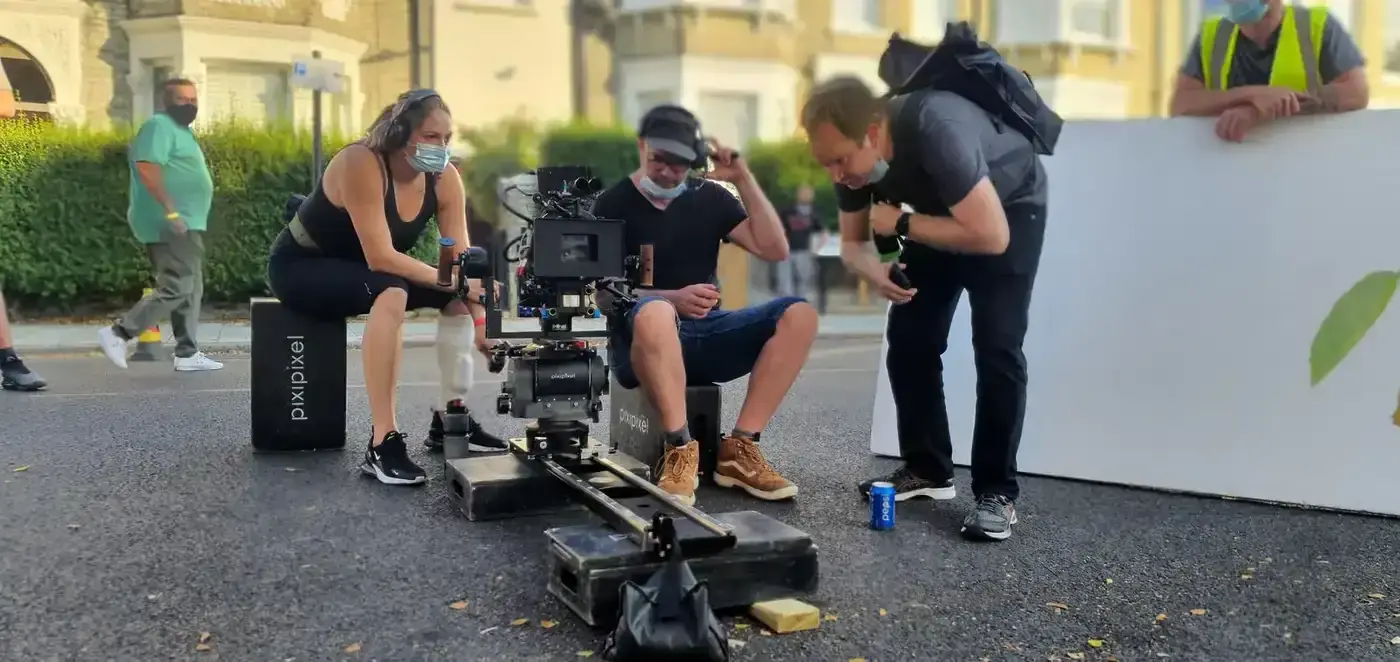
2009
Andrea Arnold's Fish Tank, shot by Robbie Ryan
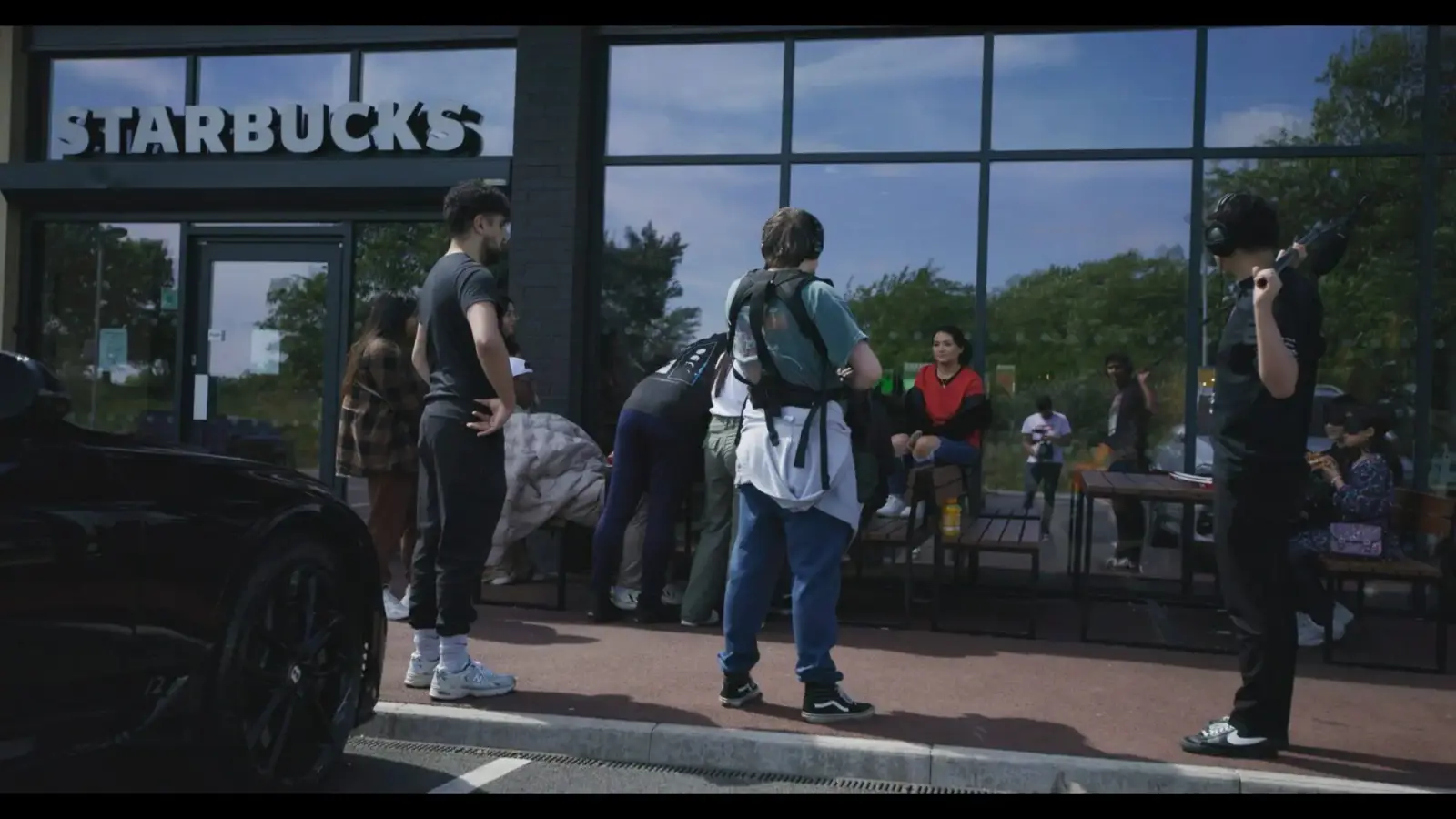
2016
I, Daniel Blake, written by Paul Laverty, wins Ken Loach's second Palme d'Or
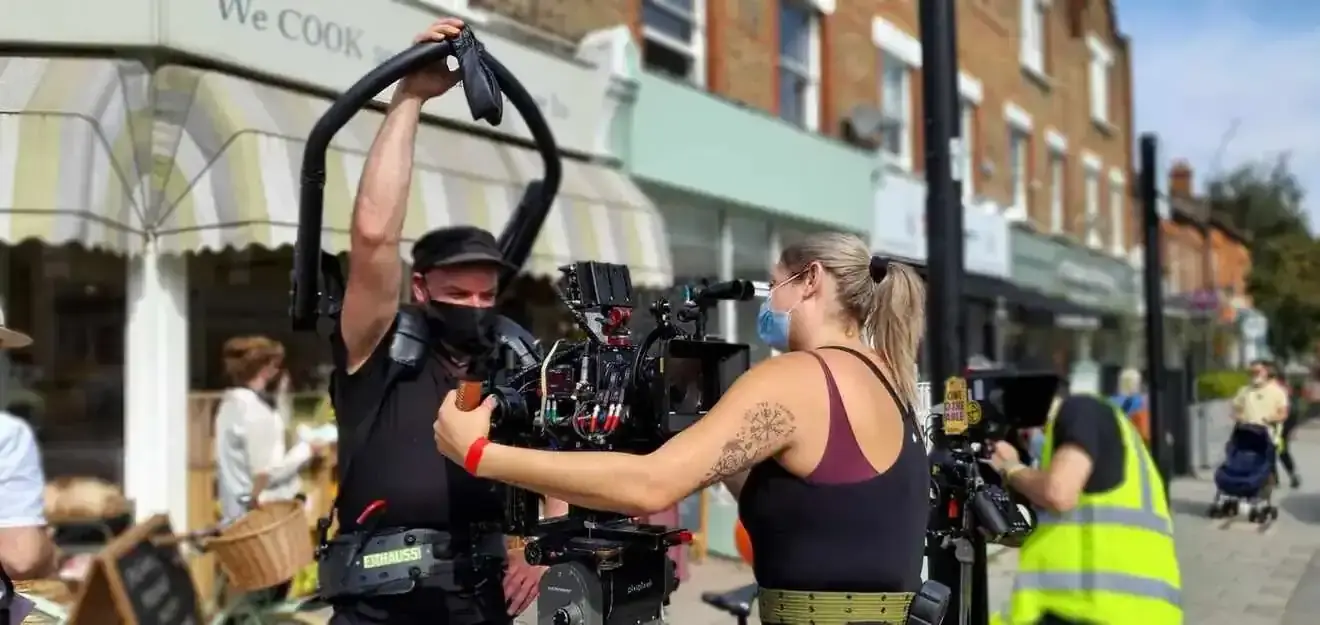
2023
The Old Oak, Ken Loach, shot by Robbie Ryan


Select a picture with a play button to watch the filmmaker talk about the work.
More of the lineage
- Kitchen sink, or the British New Wave (about 1959 to 1963): Room at the Top, Saturday Night and Sunday Morning, A Taste of Honey, The Loneliness of the Long Distance Runner.
- Ken Loach: Cathy Come Home (1966), Kes (1969), The Wind That Shakes the Barley (2006) and I, Daniel Blake (2016), both Palme d'Or winners, and Sorry We Missed You (2019). Cinematographer Robbie Ryan BSC, ISC has shot his recent features.
- Mike Leigh: a devised, rehearsal-based process; Secrets & Lies (1996, Palme d'Or).
- Shane Meadows: A Room for Romeo Brass (1999), Dead Man's Shoes (2004), This Is England (2006) and its television sequels.
- Andrea Arnold: Red Road (2006), Fish Tank (2009), American Honey (2016).
- Lynne Ramsay: Ratcatcher (1999), Morvern Callar (2002).
- Clio Barnard: The Arbor (2010), The Selfish Giant (2013).
- Sir Steve McQueen: Hunger (2008) and Small Axe (2020).
A good short introduction to the Loach lineage: the Into Film feature on Ken Loach.
British life on film, from the BFI National Archive
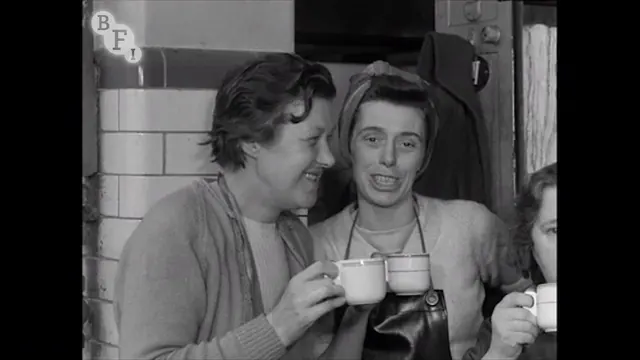 Public wash-house Liverpool (1959) | BFI National ArchiveBFI National Archive · original on YouTube
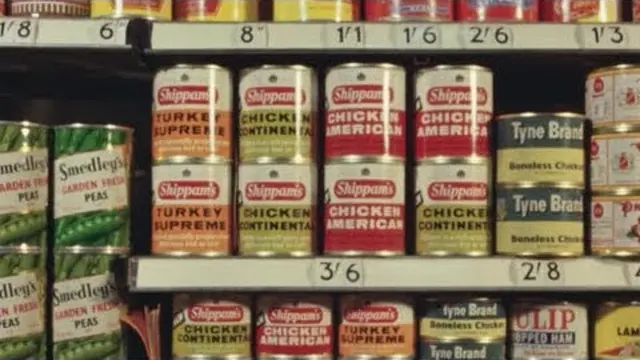 Superette Story (1962) | BFI National ArchiveBFI National Archive · original on YouTube
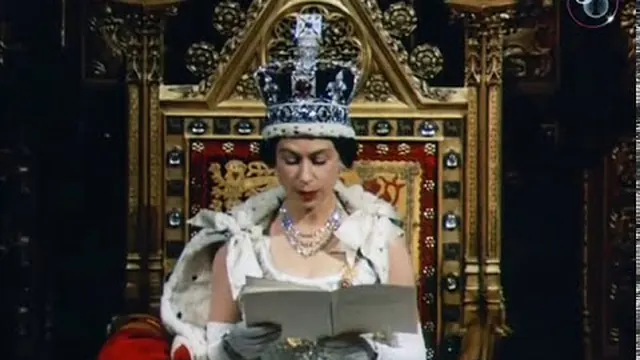 Today in Britain (1964) - extract | BFI National ArchiveBFI National Archive · original on YouTube
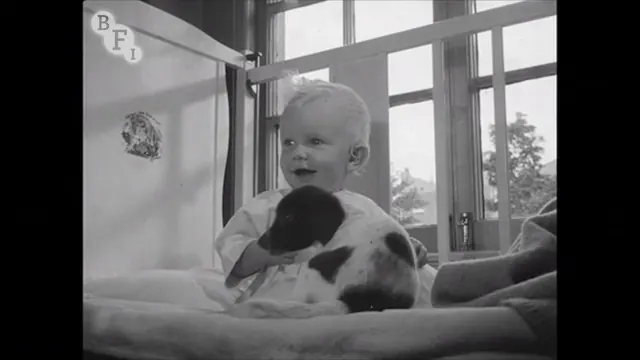
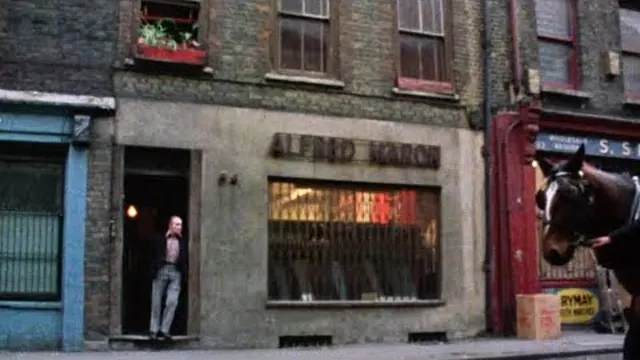 Just One Kid (1974) | BFI National ArchiveBFI National Archive · original on YouTube
What preserving the art form means
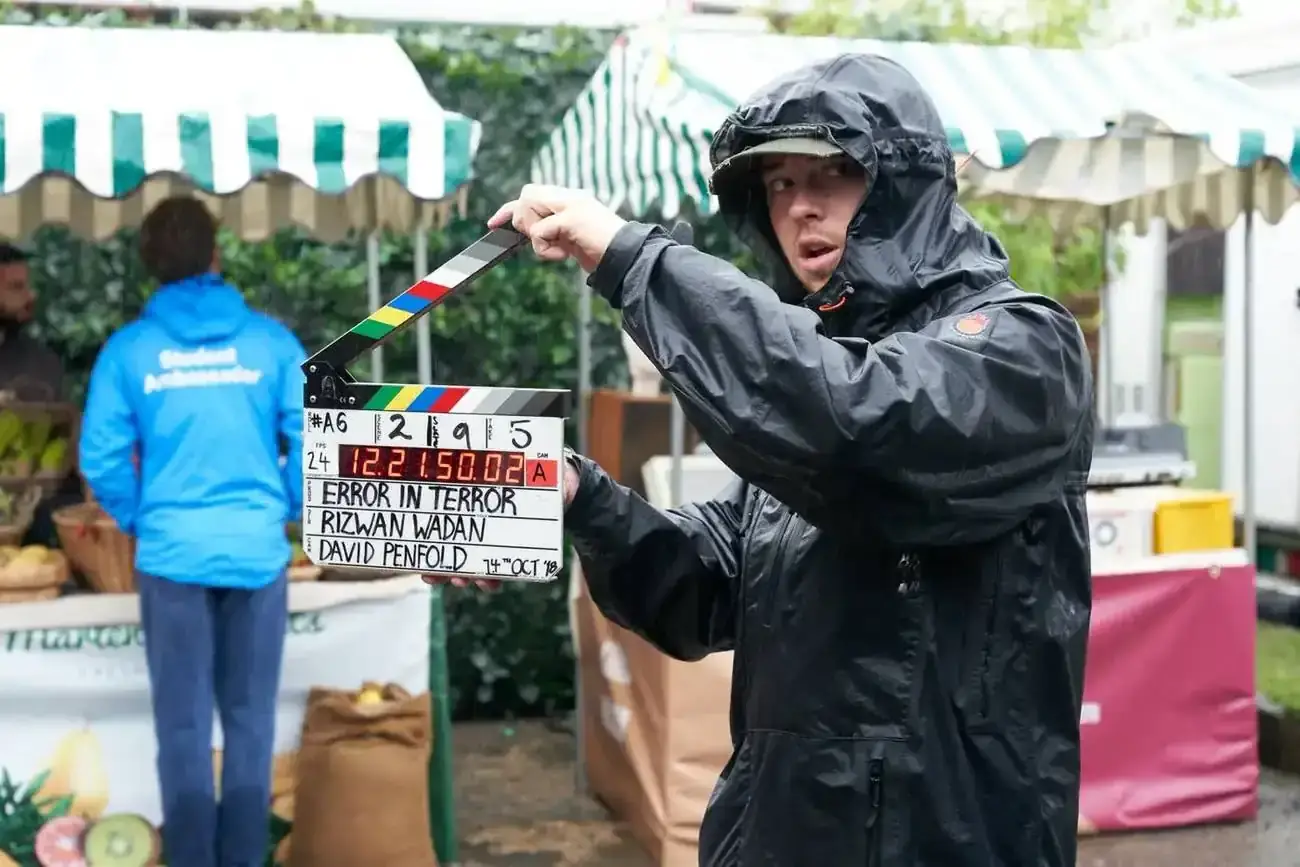
- Real places, not rebuilt on a stage.
- Non-professional and local casts, alongside professionals.
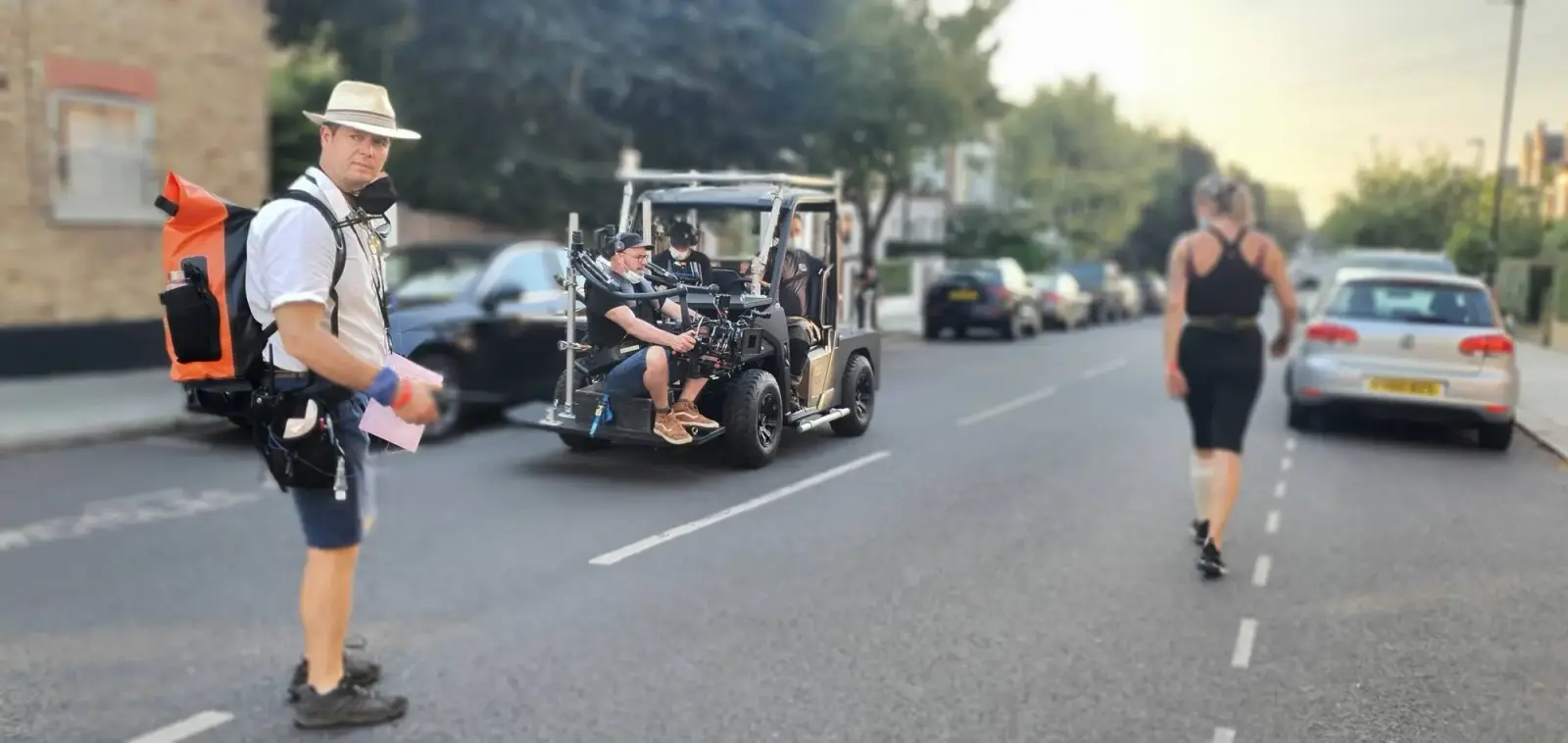
- Small crews, so the camera is close and the set is quiet.
- Celluloid, often 16mm or 35mm, and handheld naturalism.
- Class, work and place as the subject.
Each filmmaker works differently, so we describe methods, not anyone's rules. Keeping them alive means crews who can work lean, and location sound, handheld camera and film handling taught by people who do them.
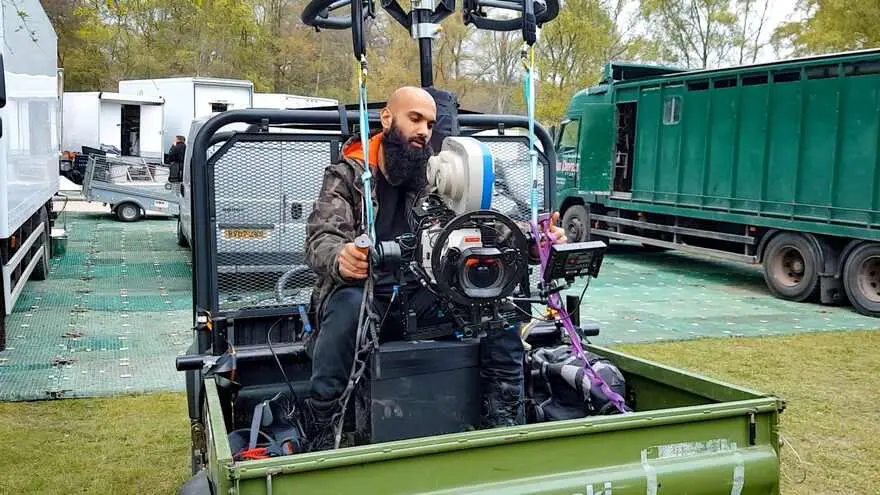
How Futures in Film works in that tradition
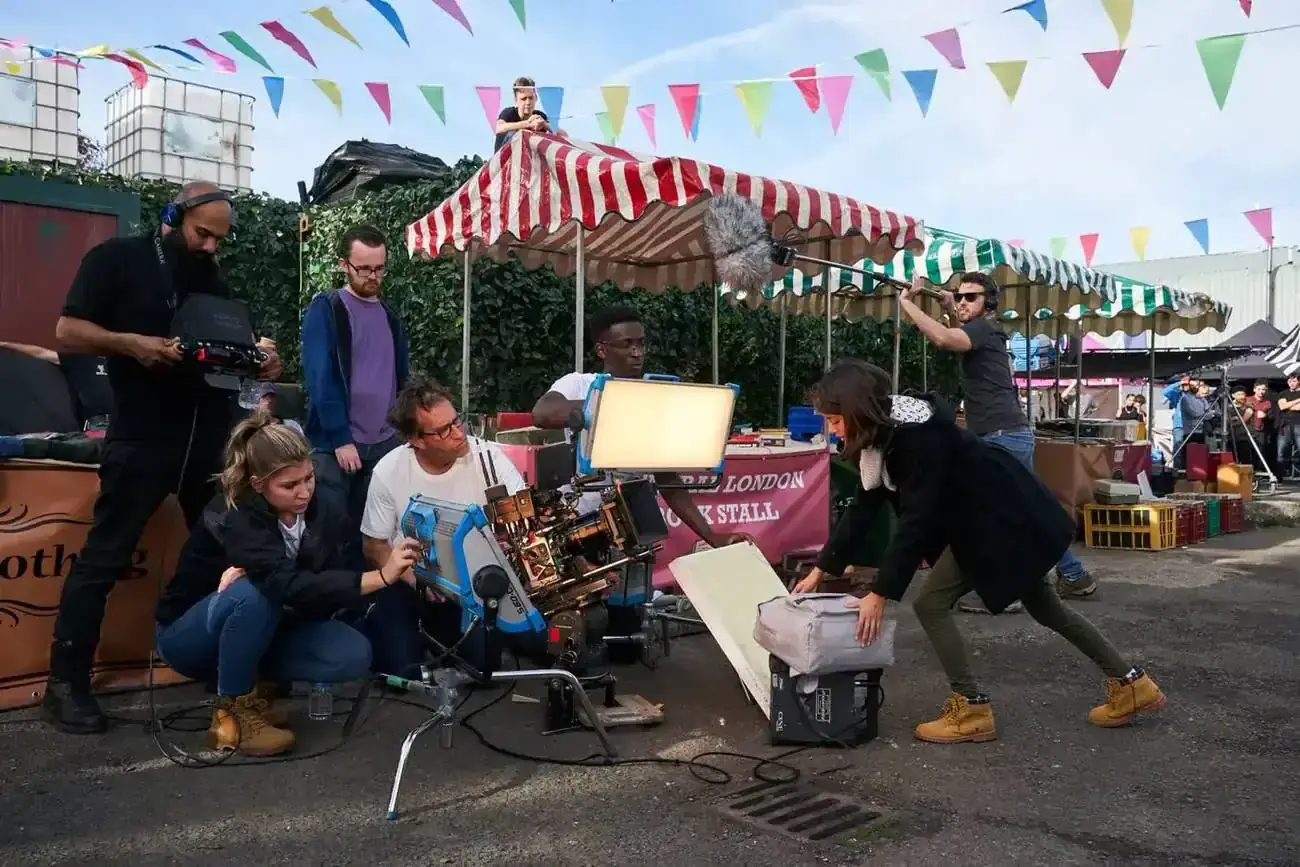
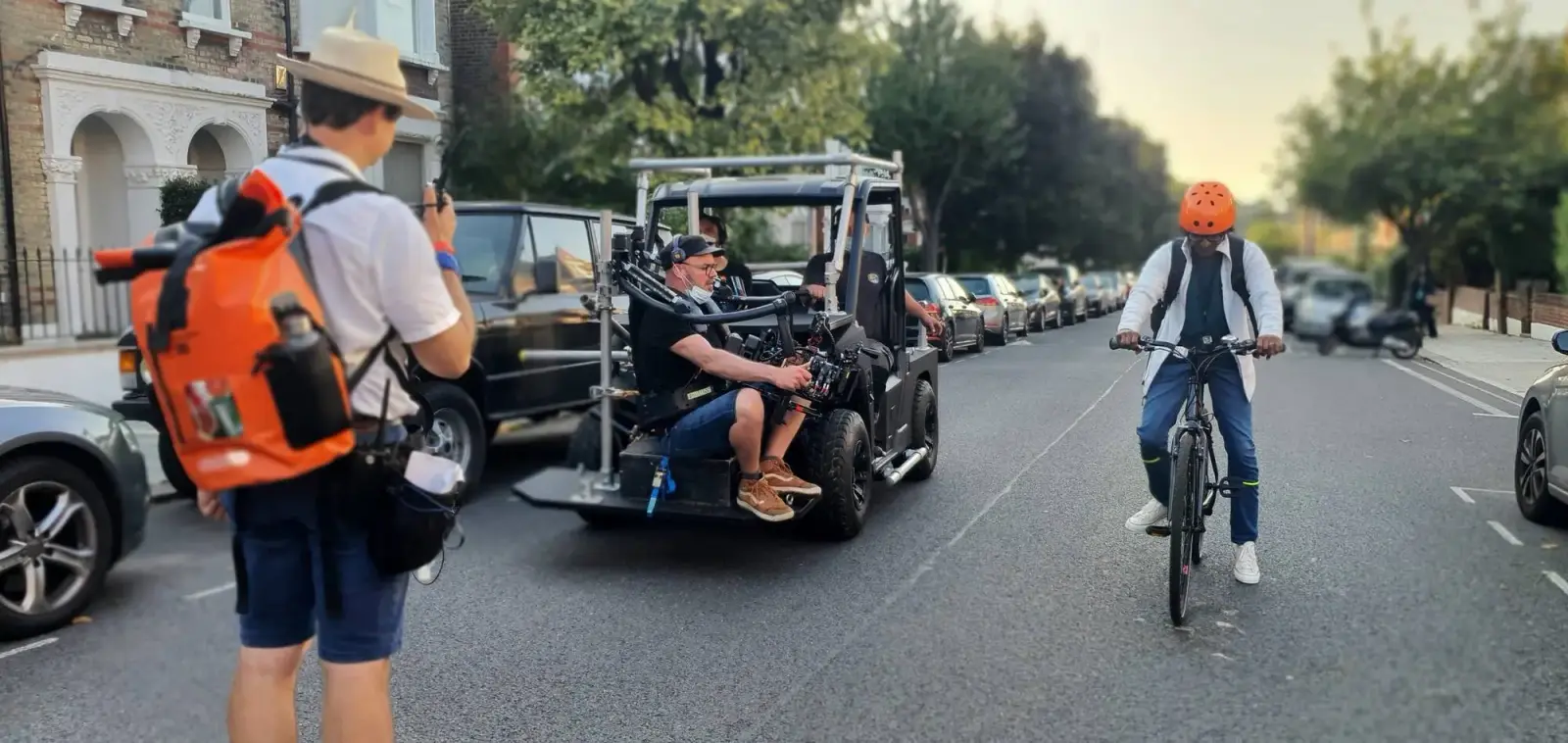
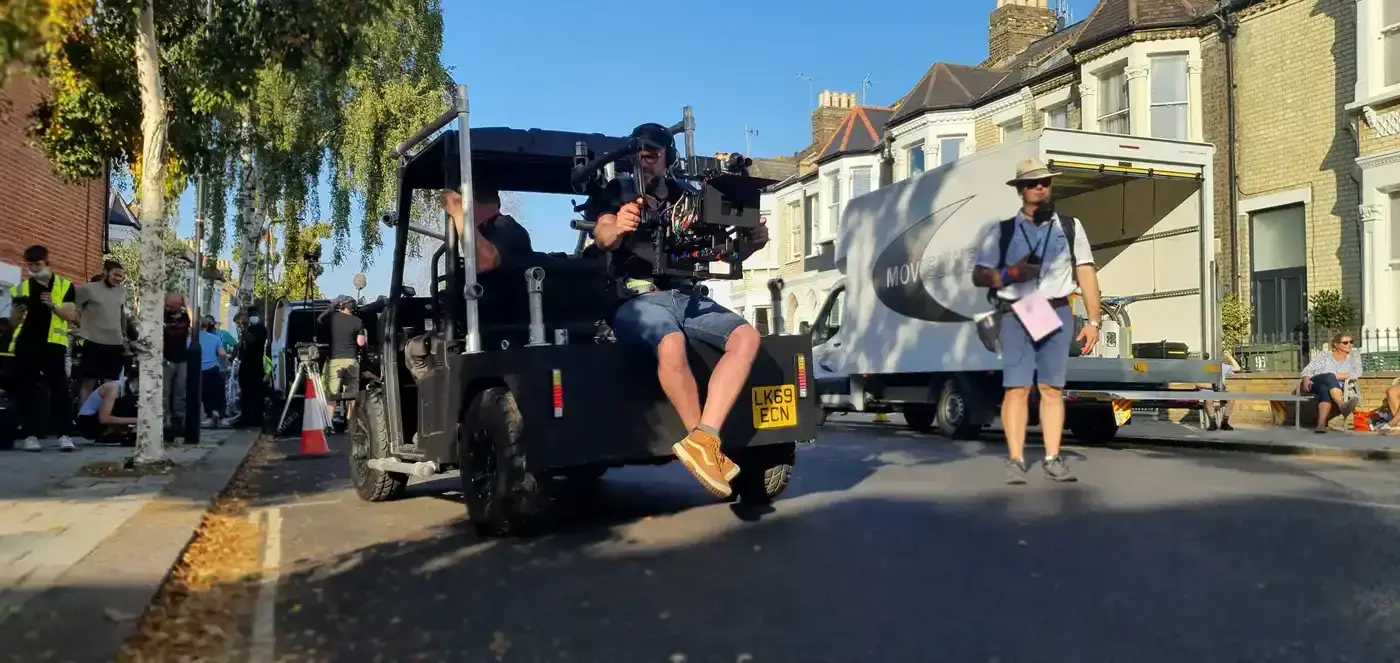
- Small crews on real locations, making films with communities in the places they are about. Social impact filmmaking.
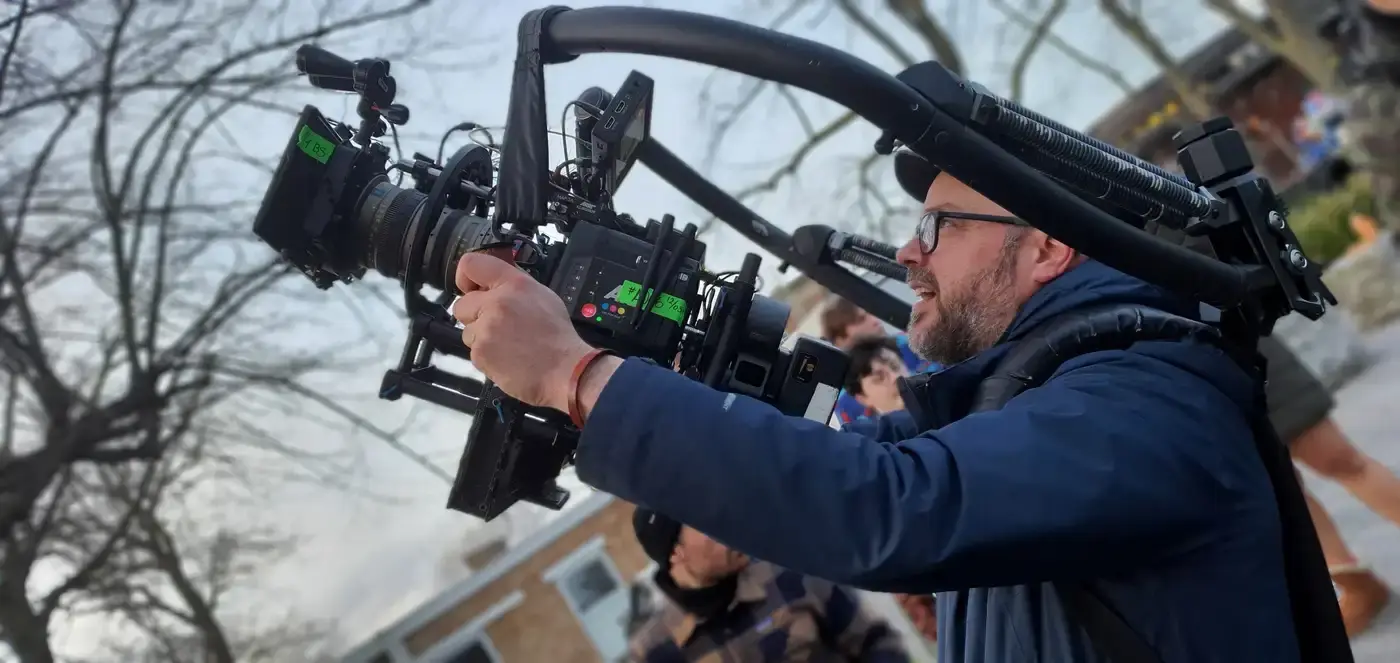
- A craft route, with new entrants beside experienced crew on small-crew naturalism, location sound and handheld camera.
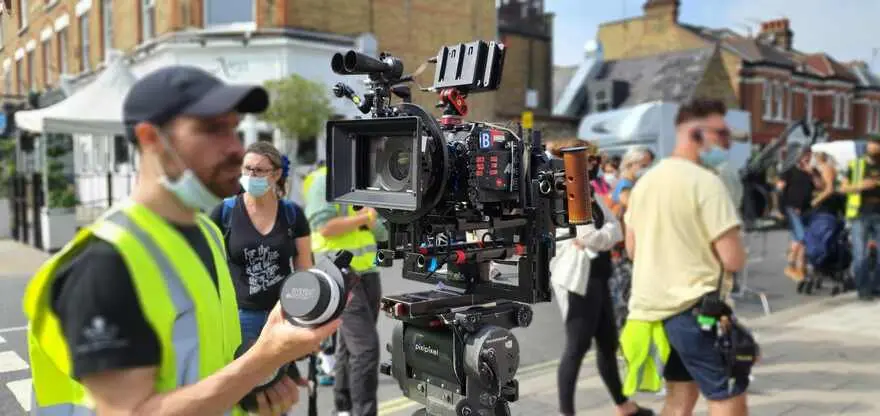
- Film is still alive here. Shot on Film, our 35mm project, is built around a Panavision film camera, with Kodak and Digital Orchard.
- Technology and tradition together. The same units test an LED wall and load a film magazine. Technology through time.
Last reviewed 9 November 2026